Source Y-shaped filter for water supply and drainage systems
Find and compare 30 y-shaped filter for water supply and drainage systems from verified manufacturers. Options include ductile iron and brass models with OEM support, various port sizes, and warranties up to 3 years for industrial applications; compare the available evidence and request quotations based on your requirements.
Updated
Key considerations
Products List
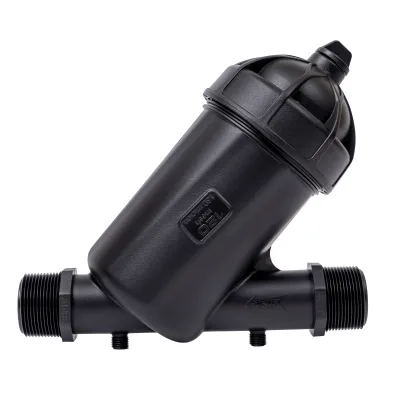
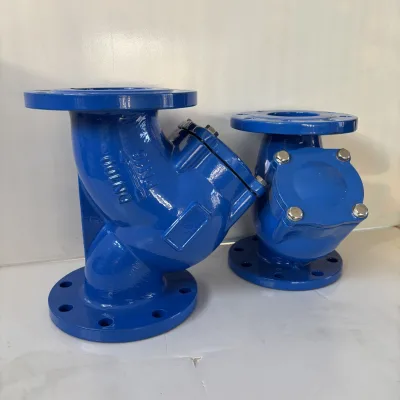
$13.3219 - $504.1311
MOQ: 1 Minimum
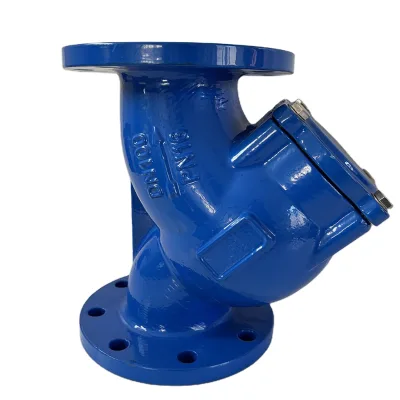
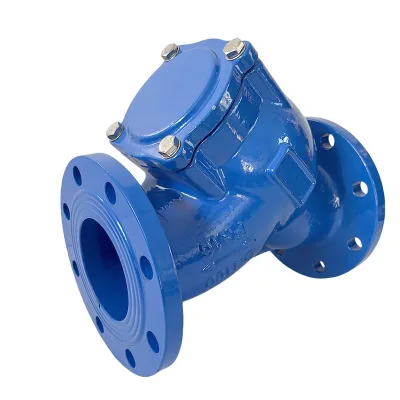


Water Oil Valve Y-Type Filter for Water Treatment Systems - Oil Valve
$49.00 - $23285.00
MOQ: 1 Pieces


Oil Valve Y-Type Filter for Industrial Water and Oil Treatment - Oil Valve
$49.00 - $23285.00
MOQ: 1 Pieces
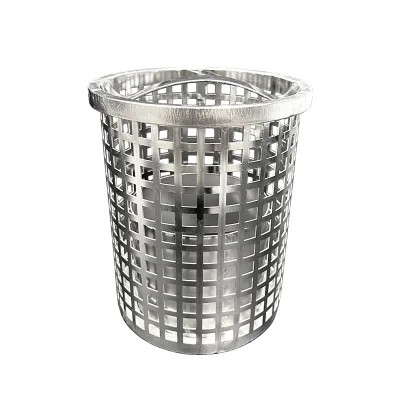
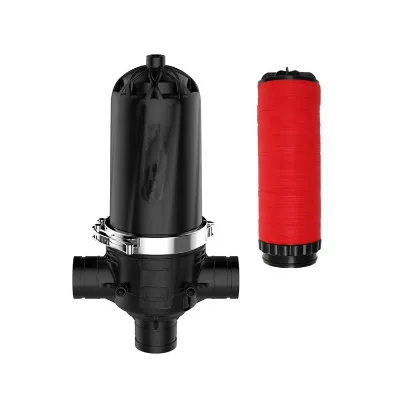
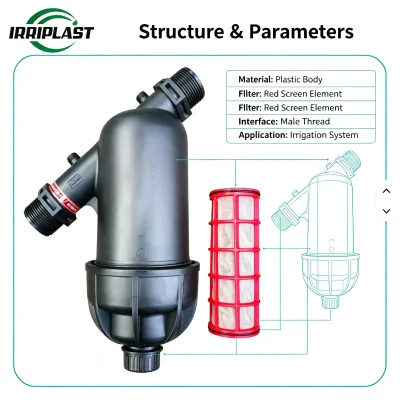

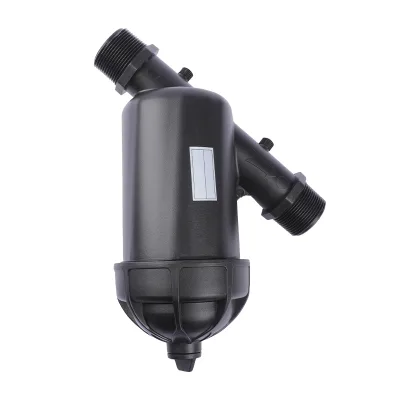
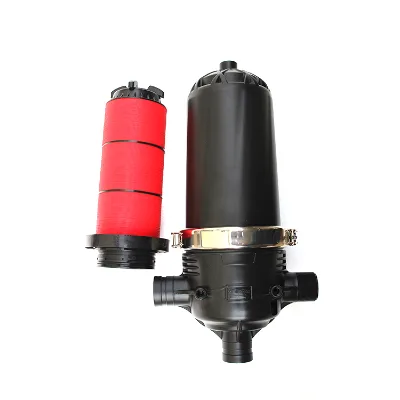


Premium Y Type 120 Mesh Agricultural Disc Filter for Efficient Water Management
$6.50 - $7.00
MOQ: 50 Pieces


Comprehensive Sourcing Guide
Y-Shaped Filter for Water Supply and Drainage Systems Sourcing Guide
Procuring y-shaped filters for water supply and drainage systems requires a disciplined approach to technical verification and supplier qualification. These filtration components are critical for protecting downstream equipment from debris, ensuring system longevity and operational efficiency. Buyers must navigate a market where product attributes vary significantly across listings, necessitating careful cross-referencing of specifications against actual project requirements. The following guide outlines the essential steps for sourcing these components effectively, focusing on evidence-based decision-making rather than generic assumptions.
This guide is structured to help procurement professionals evaluate product scope, verify technical specifications, and assess commercial terms. By adhering to the observed data and established industry practices, buyers can mitigate risks associated with non-compliant or substandard products. The focus remains on actionable insights derived from available market signals, ensuring that every sourcing decision is grounded in verifiable facts. This methodical approach supports the selection of reliable suppliers who can meet specific operational demands while maintaining cost-effectiveness and quality standards.
Product Scope and Observed Listing Signals
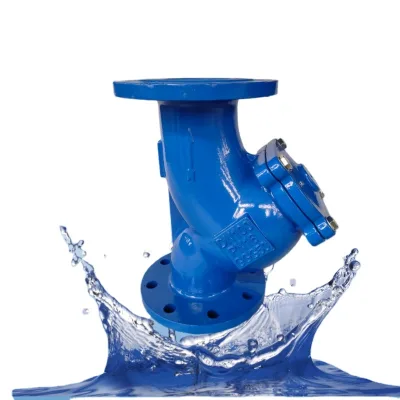
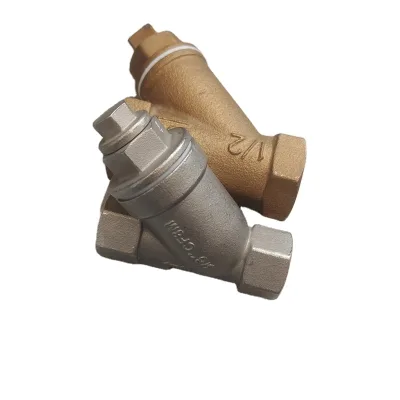
The market for filtration components includes diverse products such as disc filters and y-shaped filters, each serving distinct operational roles. Observed listings indicate a wide range of materials, including plastic, QT450, brass, casting, and ductile iron, reflecting the varied environments these filters must withstand. For instance, some products are explicitly labeled as y-shaped filters with ductile iron construction, suitable for oil, gas, water, and industrial applications. These material choices directly influence durability and compatibility with different media, making it essential for buyers to match the filter material to the specific fluid properties and pressure conditions of their drainage systems.
Listing signals also reveal significant variation in port sizes and customization options. Observed port sizes range from small dimensions like 20mm to large industrial sizes up to 800mm, with many suppliers offering customized solutions. This flexibility allows buyers to source filters that fit existing infrastructure without requiring extensive modifications. However, the presence of generic attributes like "general application" or "normal temperature" suggests that buyers must verify specific performance limits. Understanding these observed signals helps in narrowing down suppliers who offer the precise dimensions and material compositions required for reliable water supply and drainage operations.
Technical Specifications to Verify
Verifying technical specifications is paramount to ensuring the selected y-shaped filter performs adequately under operational stress. Key parameters to confirm include pressure ratings, media compatibility, and structural design. Observed data indicates pressure ratings such as 1.01.62.5MPa for certain ductile iron models, which provides a baseline for evaluating suitability for medium-pressure applications. Buyers should explicitly confirm the maximum working pressure and temperature limits with the supplier, as generic listings may not reflect the specific conditions of the buyer’s system. Additionally, the structure type, whether control or other, must align with the flow control requirements of the drainage network.
Port size and connection standards are equally critical technical aspects that require precise verification. Listings show port sizes ranging from DN50 to DN800, with options for standard sizes like 2, 3, 4, 5, 6, and 8 inches. Buyers must ensure that the selected filter’s port size matches the pipeline diameter to prevent flow restrictions or installation issues. Furthermore, the presence of standards such as ASTM, BS, DIN, ISO, and JIS in some listings suggests that compliance with international norms is available. However, buyers should request specific certification documents to confirm that the product meets the relevant standards for their region and application, rather than relying on general claims.
Compliance and Safety Documentation
Compliance with safety and quality standards is a non-negotiable aspect of sourcing industrial filtration components. Buyers should request documentation that verifies the product’s adherence to recognized international standards, such as ASTM, BS, DIN, ISO, or JIS, as indicated in some supplier listings. These standards ensure that the filter’s material integrity, pressure handling, and dimensional accuracy meet established safety benchmarks. Without such documentation, there is a risk of procuring components that may fail under pressure, leading to system leaks or catastrophic failures in water supply and drainage networks.
In addition to material standards, buyers should inquire about warranty terms and after-sales support. Observed listings mention warranty periods of one to three years, which can serve as an indicator of supplier confidence in product durability. A robust warranty policy often correlates with higher quality control practices and better customer service. Buyers should also verify if the supplier provides test reports or material certificates, which offer independent validation of the product’s specifications. Ensuring that all compliance documentation is in place before finalizing a purchase protects the buyer from potential liabilities and ensures long-term system reliability.
Cost Drivers and Commercial Terms
Understanding the cost drivers associated with y-shaped filters helps buyers negotiate better commercial terms and avoid unexpected expenses. Material composition is a primary factor, with options ranging from plastic to ductile iron and brass, each carrying different cost implications. Ductile iron filters, for example, may offer greater durability for industrial applications but come at a higher price point compared to plastic alternatives. Buyers should assess the total cost of ownership, considering not just the initial purchase price but also maintenance, replacement frequency, and potential downtime costs associated with filter failure.
Commercial terms such as MOQ, lead time, and payment conditions also significantly impact the overall procurement cost. Observed MOQs range from 1 to 500 units, allowing for flexibility in order sizes based on project needs. Buyers should negotiate for favorable terms based on order volume, seeking discounts for larger purchases or long-term contracts. Additionally, understanding the lead time is crucial for project planning, as delays in delivery can disrupt installation schedules. Clear communication regarding packaging, such as wooden box packing for larger units, can also affect shipping costs and handling requirements, so these details should be clarified early in the sourcing process.
Supplier Qualification and Quality Control
Supplier qualification is a critical step in ensuring the reliability of the sourced y-shaped filters. Buyers should evaluate suppliers based on their manufacturing capabilities, quality control processes, and track record in the industry. Observing attributes like OEM and ODM acceptance indicates that some suppliers offer customization services, which can be beneficial for unique project requirements. However, buyers must verify the supplier’s ability to maintain consistent quality across batches, especially when custom specifications are involved. Requesting samples for testing before placing large orders is a prudent strategy to assess product quality firsthand.
Quality control measures should be explicitly discussed with potential suppliers. Buyers should inquire about the testing procedures used to verify pressure ratings, material composition, and dimensional accuracy. Suppliers who provide detailed quality assurance protocols are more likely to deliver products that meet specified standards. Additionally, checking for certifications such as ISO 9001 can provide assurance that the supplier follows systematic quality management practices. Engaging with suppliers who demonstrate transparency in their quality control processes helps mitigate the risk of receiving substandard products and ensures that the filters will perform reliably in water supply and drainage systems.
Long-Term Procurement Checks
Long-term procurement success depends on establishing ongoing checks and balances with suppliers. Regular performance reviews of the installed filters can provide valuable feedback on product durability and efficiency. Buyers should monitor for any signs of premature wear, leakage, or blockage, which may indicate underlying quality issues. Maintaining open communication with suppliers allows for timely resolution of any problems and fosters a collaborative relationship that can lead to improved product offerings. This proactive approach helps in identifying trends and making informed decisions about future purchases.
Additionally, buyers should periodically reassess their supplier base to ensure they remain competitive and reliable. Market conditions and supplier capabilities can change over time, so it is essential to stay informed about new technologies and materials that may offer better performance or cost savings. Keeping detailed records of supplier performance, including delivery times, product quality, and customer service, provides a basis for objective evaluation. By continuously monitoring these factors, buyers can optimize their procurement strategy and ensure a steady supply of high-quality y-shaped filters for their water supply and drainage systems.
FAQs
What materials are used for y-shaped filters?
Y-shaped filters are constructed from materials like plastic, ductile iron, brass, and casting. Some models use QT450 for durability. These materials ensure the filter handles water, oil, and gas applications effectively in industrial settings.
Which sizes are available for these filters?
Available sizes range from 20mm up to 800mm port sizes. Specific options include 2 inches through 12 inches. Customized sizes are also available to meet specific project requirements for water supply and drainage systems.
Can I get OEM and ODM support?
Yes, OEM and ODM support is acceptable for these products. Manufacturers offer customized support to tailor the filters to your specific needs. This allows for branding and design modifications suitable for various industrial applications.
How long is the warranty period?
Warranty periods vary between one year and three years depending on the specific model. Some products offer a three-year warranty while others provide one year. This ensures reliability for your water filtration system investments.
What is the minimum order quantity?
The minimum order quantity ranges from one unit to five hundred units. Some listings show an MOQ of two units. This flexibility allows buyers to order small batches or larger quantities based on their project scale.
Where are these filters manufactured?
These filters are manufactured in China, specifically in Fujian and Hebei provinces. The products originate from these regions known for industrial manufacturing. This location supports efficient logistics for international buyers seeking these filtration components.
What pressure ratings do the filters support?
Filters support medium pressure ratings ranging from 1.0 to 2.5 MPa. They are designed to handle normal temperature media effectively. This ensures safe operation within standard water supply and drainage system pressure requirements.