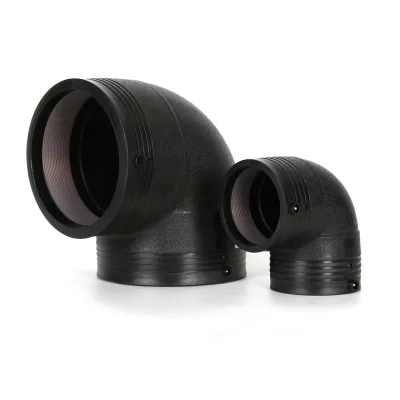
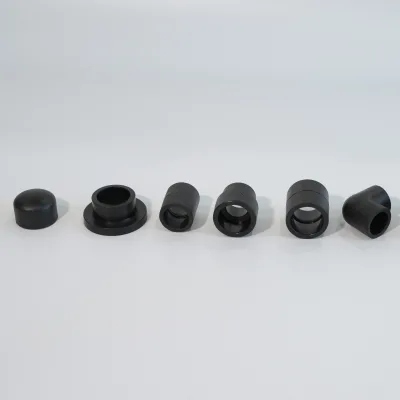
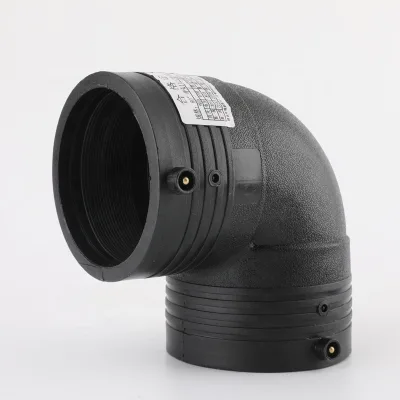
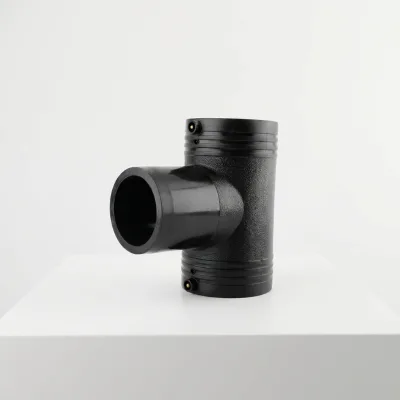
Black PE Electrofusion Elbow Suppliers and Manufacturers
Compare 25 verified suppliers of Black PE Electrofusion Elbow based on location, lead time, response time, and certifications. Review product standards like ISO and GB, then request quotes for specific dimensions and materials; review the available evidence before requesting comparable quotations from suitable candidates.
Updated
Suppliers List
Henan Kunjia Trading Co., Ltd.
- Manufacturer, Trading Company
- Henan, China
- Lead time15 days
- Avg. response≤ 1h
Main productsPlastic Pipe Fitting,Plastic Pipe
Main marketsMid East(70.00%), Southeast Asia(15.00%), Africa(15.00%)
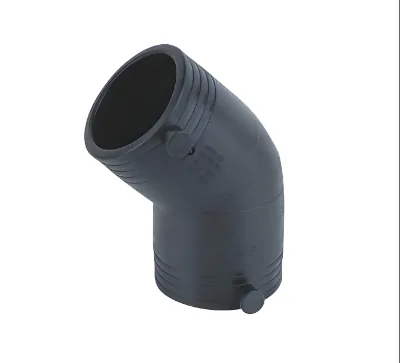
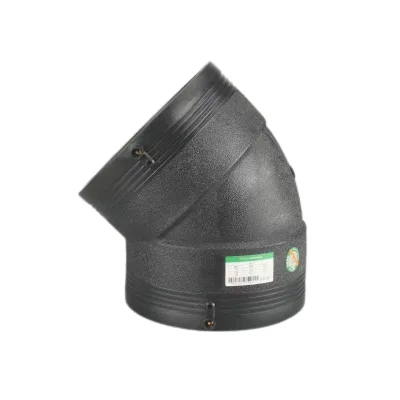
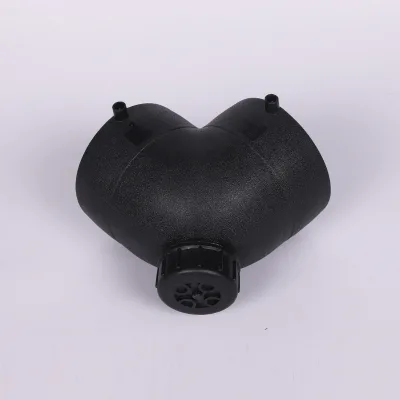
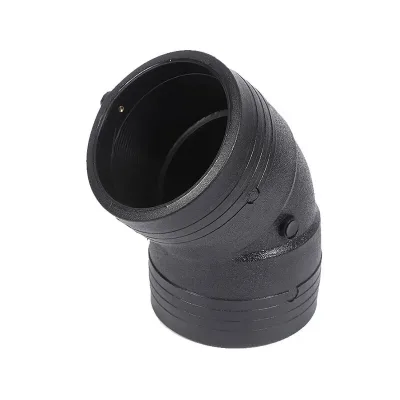
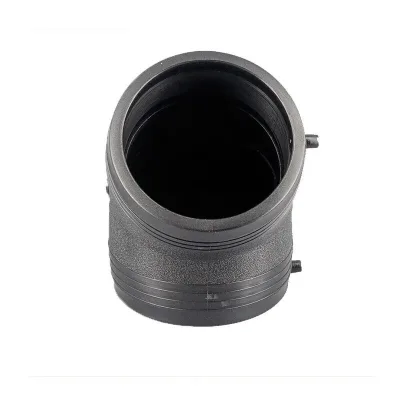
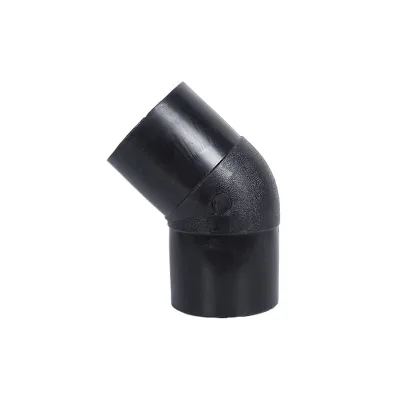
Black Electrofusion 45-degree Elbow
$6.18 - $6.48
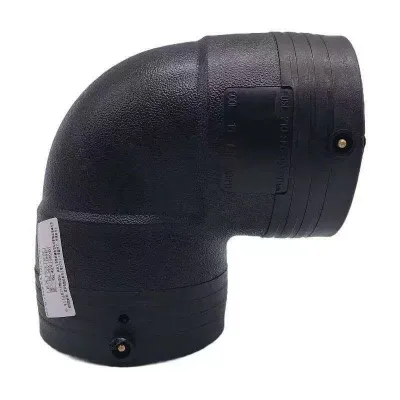
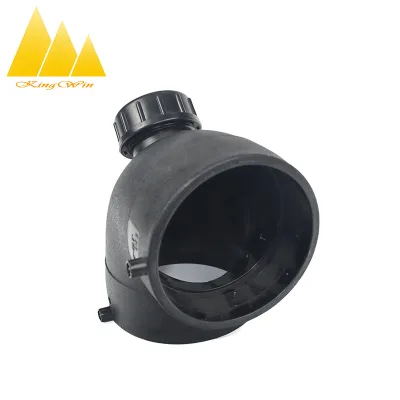
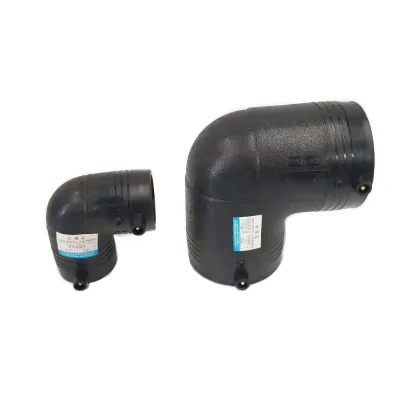
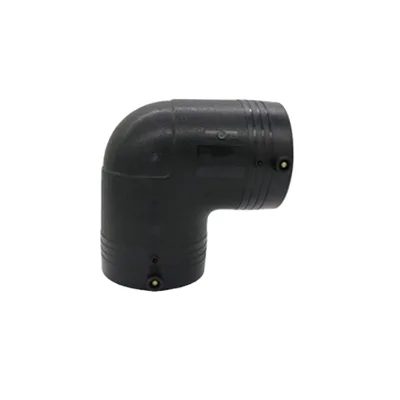
Electrofusion Welding, High Sealing Performance Black HDPE 90-degree Capacitive Elbow
$1.5444 - $2.1616
MOQ: 300 pieces
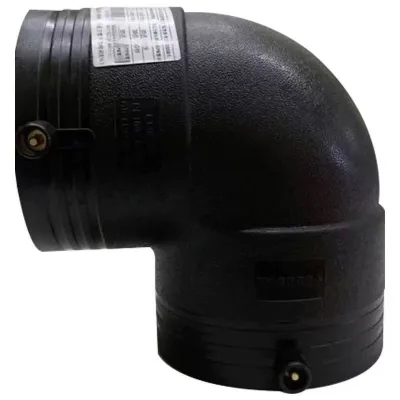
$1.5564 - $2.1781
MOQ: 300 pieces

Ningbo Sunplast PiPe Co., Ltd.
- Verified by BV
- Manufacturer/Factory
- China Zhejiang
- Lead time23 days
- Avg. response≤ 9h
Main productsHDPE Pipe, HDPE Pipe Fittings, HDPE Pipe Welding Machine, Pex-Al-Pex Pipe, Pex-Al-Pex Fittings, PPR Pipe and Fittings, Poly Fittings, Poly Pipe, HDPE Dredge Pipe, Dredge Pipe Floats
Main marketsSouth America,Eastern Europe,Mid East,North America,Southeast Asia,Eastern Asia,Oceania,Western Europe,Africa


Electrofusion Elbow Poly Pipe HDPE Pipe Electrofusion Elbow HDPE 45 Degree Elbow
$1.00
MOQ: 100 Pieces


Chengdu Chuangrong Trading Co., Ltd.
- Trading Company,Manufacturer/Factory
- China Sichuan
- Lead time15 days
- Avg. response≤ 7h
Main productsHDPE Pipe, HDPE Fittings, Plastic Pipe Welding Machine, Plastic Pipe Welding Tool, PPR Pipe, PPR Fittings, PP Compression Fittings, Pipe Repair Clamp
Main marketsSouth America,Eastern Europe,Mid East,North America,Southeast Asia,Eastern Asia,Oceania,Western Europe,Africa

Hebei Shentong Plastic Co., Ltd.
- Verified by TUVRHEINLAND
- Combined
- China Hebei
- Lead time15 days
- Avg. response≤ 4h
Main productsPVC Pipe, PPR Pipe, PPR Fitting, HDPE Pipe, HDPE Fitting, PVC Fitting, Plastic Welding Machine, HDPE Corrugated Pipe, Plastic Cutter, Plastic Pipe
Main marketsDomestic

Xiamen Erikeke Industrial and Trading Co., Ltd.
- Verified by SGS
- Manufacturer/Factory
- China Fujian
- Lead time38 days
- Avg. response≤ 4h
Main productsPVC Pipe, HDPE Pipe, UHMWPE Pipe, PPR Pipe, PVC Ball Valve, Plastic Fitting, Plastic Plate
Main marketsSouth America,Eastern Europe,Mid East,North America,Southeast Asia,Eastern Asia,Oceania,Western Europe,Africa


Polyethylene Pipe Fitting HDPE Electrofusion 90 Degree Elbow for Mining Site
$0.34 - $10.00
MOQ: 500 Pieces

- Trading Company,Manufacturer/Factory
- China Zhejiang
- Lead time23 days
- Avg. response≤ 4h
Main productsAluminum Strip, Aluminum Coil, Faucet, Tap, Bibcock, Plastic Bib Cock, HDPE Fittings, HDPE Pipes, HDPE Electrofusion Fittings, Washing Machine Taps
Main marketsSouth America,Eastern Europe,Mid East,North America,Southeast Asia,Eastern Asia,Oceania,Western Europe,Africa
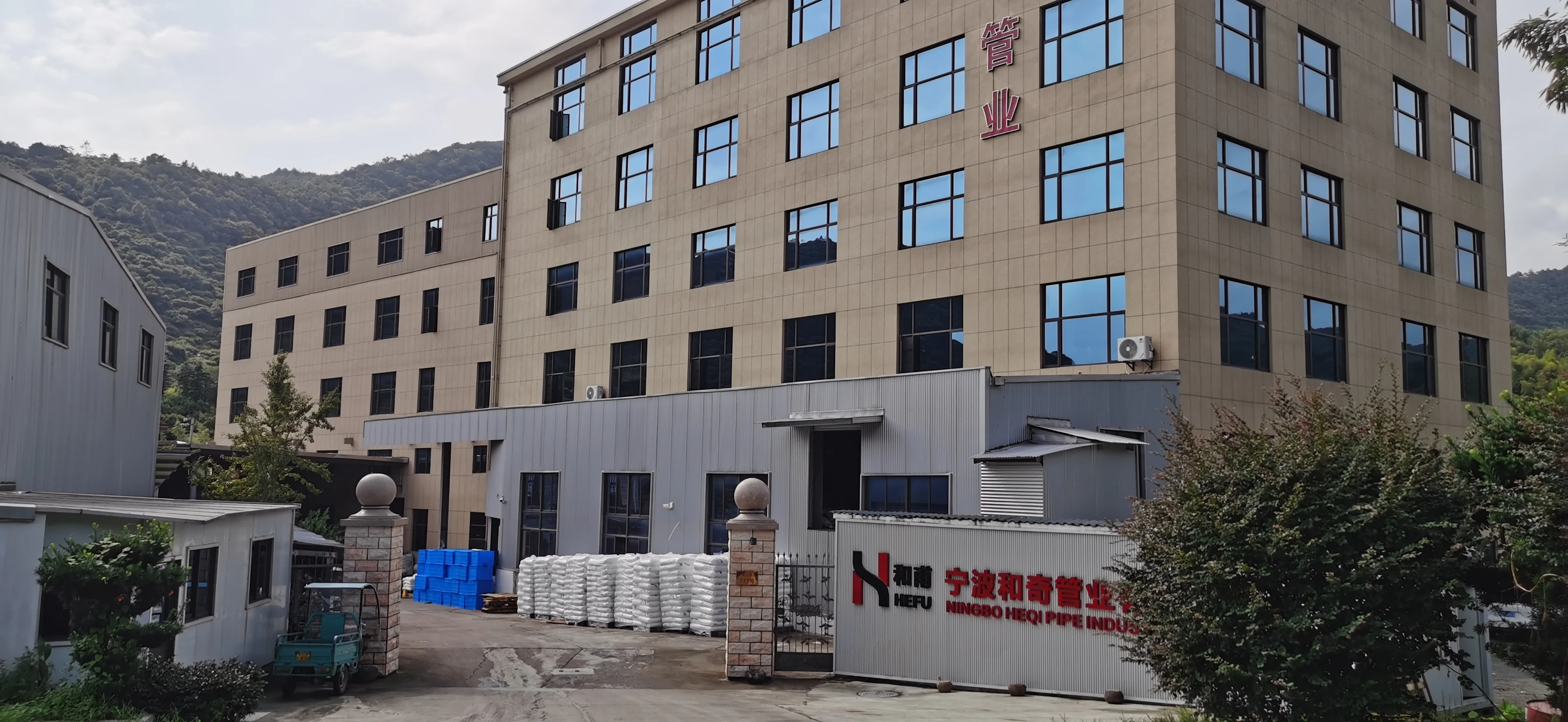
Ningbo Heqi Pipe Industry Co., Ltd.
- Manufacturer
- Zhejiang, China
- Lead time15 days
- Avg. response≤ 2h
Main productsHDPE drainage pipe fittings,HDPE Pipes and coupler,Same Layer drainage pipes and fittings,Siphone drain pipes and coupler,water drainage system
Main marketsSoutheast Asia(12.00%), Northern Europe(12.00%), Africa(12.00%), North America(12.00%), Domestic Market(11.00%), South America(11.00%), Southern Europe(9.00%), Central America(5.00%), South Asia(5.00%), Mid East(5.00%), Western Europe(3.00%), Oceania(1.00%), Eastern Europe(1.00%), Eastern Asia(1.00%)
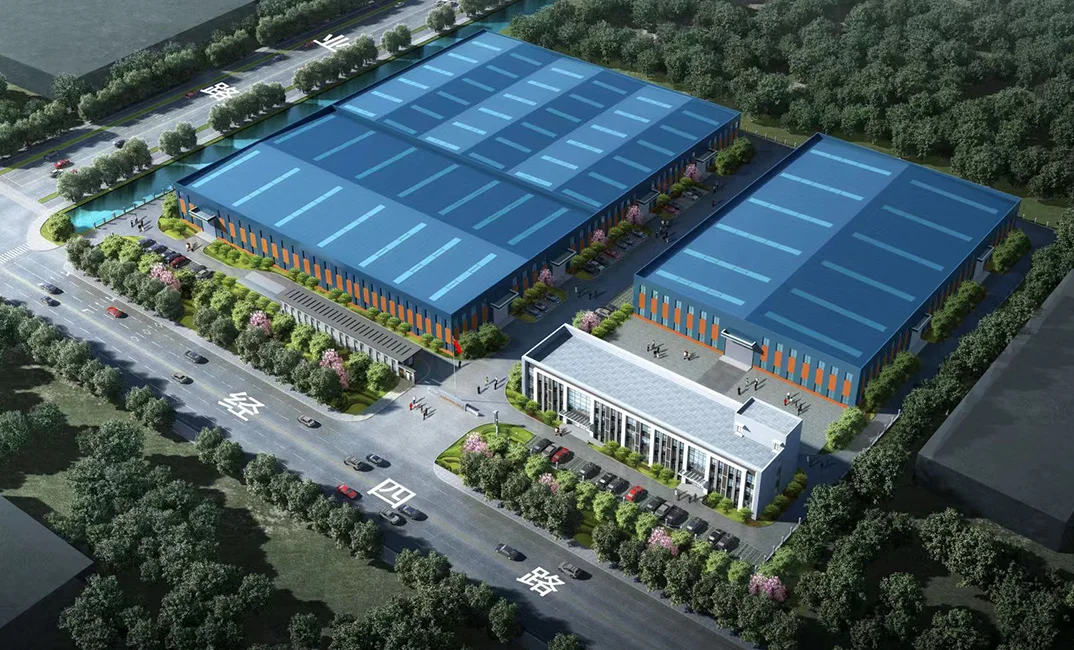
Henan Baoyida New Materials Co., Ltd.
- Trading Company
- Henan, China
- Lead time15 days
- Avg. response≤ 4h
Main productsHDPE DOUBLE WALL CORRUGATED PIPE,Butt Fusion Plastic Pipe Welding Machine,Hdpe water pipe for water supply,PVC water supply pipe,MPP power pipe
Main marketsSouth Asia(15.00%), Eastern Asia(12.00%), Africa(10.00%), Southeast Asia(10.00%), North America(10.00%), Mid East(8.00%), Domestic Market(8.00%), Northern Europe(7.00%), Central America(6.00%), Eastern Europe(5.00%), South America(5.00%), Oceania(2.00%), Southern Europe(1.00%), Western Europe(1.00%)
Shanxi Solid Industrial Co., Ltd.
- Verified by TüVRheinland
- Trading Company
- Lead time30 days
- Avg. response≤ 2h
Main productsDuctile Iron Pipes And Fittings, Steel Pipes And Fittings, Manhole Covers, Valves, Flanges
Main marketsSouth America(30%), North America(25%), Africa(15%)
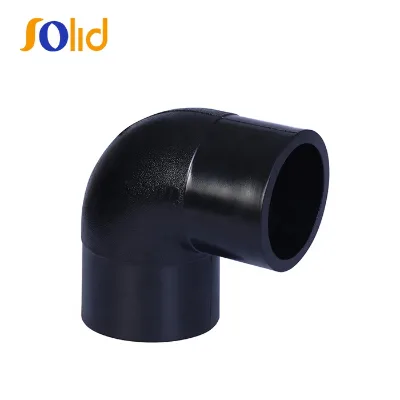
$0.5243 - $3.1458
MOQ: 100 pieces
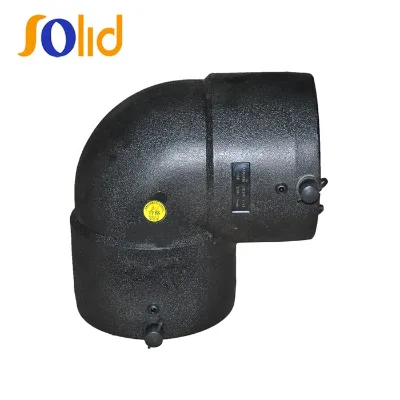

Hangzhou Doweld Piping Technology Co., Ltd.
- Verified by SGS
- Trading Company,Manufacturer/Factory
- China Zhejiang
- Lead time15 days
- Avg. response≤ 2h
Main productsHDPE Pipe Butt Welding Machine, HDPE Pipe Welding Machine, HDPE Butt Fusion Machine, Butt Fusion Welding Machine, Plastic Welding Machine, HDPE Fusion Welding Machine
Main marketsSouth America,Eastern Europe,Mid East,North America,Southeast Asia,Eastern Asia,Oceania,Western Europe,Africa

Factory Export HDPE Elbow 45 Pipe Fitting for Water System PE Electrofusion Elbow
$1.00 - $1.20
MOQ: 500 Pieces

High Quality HDPE Electrofusion Elbow 90 of 1.6 MPa Pipe Fitting for Hot Water
$0.80 - $1.50
MOQ: 500 Pieces


Zhejiang Shuiyou Pipeline Valve Co., Ltd.
- Verified by TUVRHEINLAND
- Combined
- China Zhejiang
- Lead time15 days
- Avg. response≤ 2h
Main productsUPVC Pipe Fittings, UPVC Pipe, ABS Pipe Fittings, Pph Pipe Fittings, PPR Pipe Fittings, Transparent UPVC Pipe Fittings, ABS Pipe, UPVC Ball Valve
Main marketsDomestic

Reliable HDPE Fitting Electrofusion Elbow for Pressure Resistant Applications
$0.33 - $19.42
MOQ: 1 Pieces

Industrial Pipe HDPE Fitting Electrofusion Elbow for High Strength Applications
$0.33 - $19.42
MOQ: 1 Pieces

Durable HDPE Fitting Electrofusion Elbow for Reliable Water Supply Solutions
$0.33 - $19.42
MOQ: 1 Pieces

High Strength HDPE Fitting Electrofusion Elbow for Pressure Resistant Use
$0.33 - $19.42
MOQ: 1 Pieces


Luoyang Max Pipe Industry Co., Ltd.
- Manufacturer, Trading Company
- Henan, China
- Lead time10 days
- Avg. response≤ 2h
Main productsUHMWPE PIPE,HDPE PIPE,FLOATER,RUBBER HOSE,FITTINGS
Main marketsSoutheast Asia(45.00%), Africa(15.00%), Oceania(15.00%), Western Europe(5.00%), Eastern Asia(5.00%), Mid East(5.00%), South Asia(5.00%), Domestic Market(3.00%), South America(2.00%)
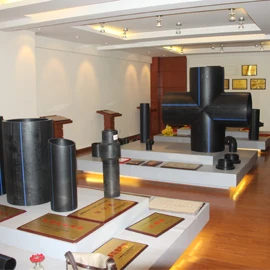
Chengdu Chuangrong Trading Co., Ltd.
- Trading Company
- Sichuang, China
- Lead time15 days
- Avg. response≤ 4h
Main productsHDPE PIPE,HDPE FITTING,PP Compression Fitting,HDPE Syphon pipe &fitting,PPR Pipe&fitting
Main marketsDomestic Market(66.24%), South Asia(16.60%), South America(3.74%), Western Europe(3.65%), Africa(3.18%), Southeast Asia(2.93%), Eastern Asia(2.75%), Eastern Europe(0.29%), Mid East(0.19%), Oceania(0.17%), Northern Europe(0.15%), North America(0.05%), Southern Europe(0.03%), Central America(0.03%)
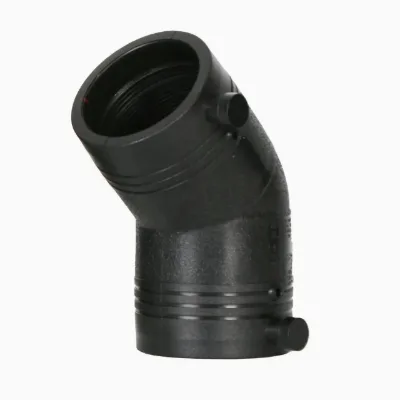
ODM OEM Customizable Electrofusion 45 Degree Elbow for HDPE Water Gas and Oil Supply Pipes
$3.05 - $3.20
MOQ: 10 pieces
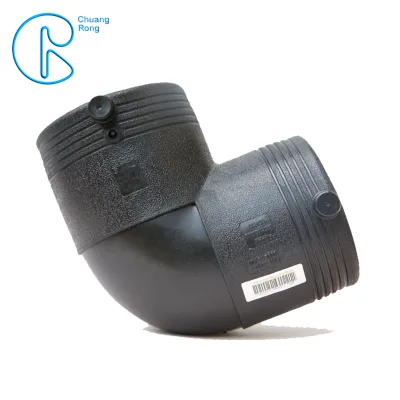
Electrofusion 110mm Elbow 90 Degree PE100 Plastic Pipe Fittings for Gas and Water Pipeline
$0.19 - $0.39
MOQ: 1 pieces
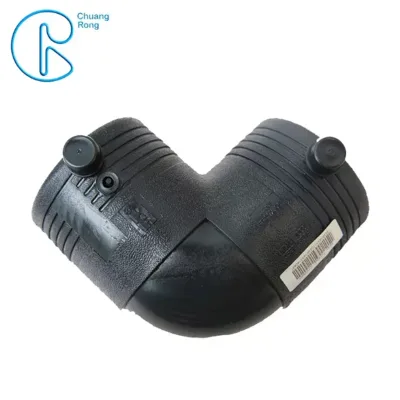
Electrofusion 250mm Elbow 90 Degree PE100 Plastic Pipe Fittings for Gas and Water Pipeline
$47.00 - $48.03
MOQ: 1 pieces
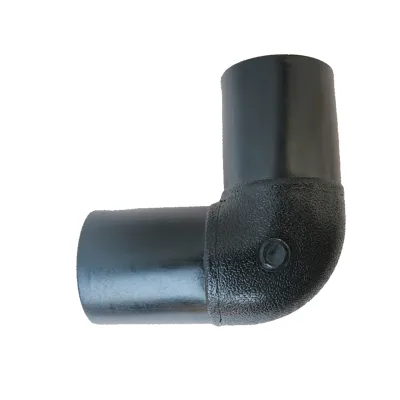
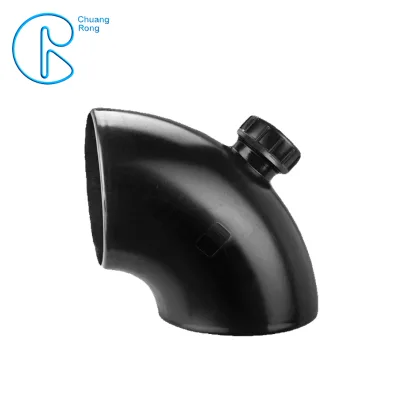
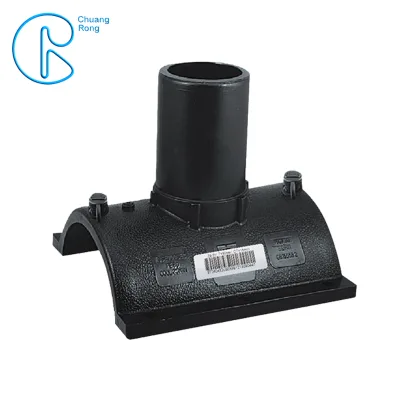
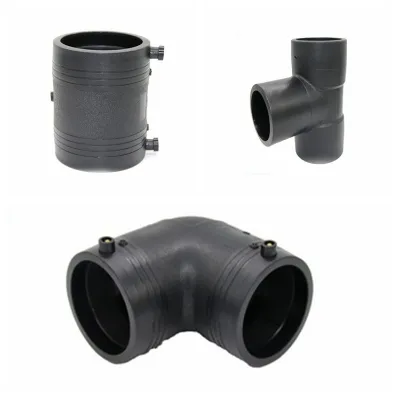
Electrofusion Fused Reducing Tee HDPE Connection Electrofusion Elbow Tee Reducer Fittings
$0.144 - $0.1558
MOQ: 1 pieces
Zhejiang Fengfeng Pipe Industry Co., Ltd.
- Manufacturer, Trading Company
- Zhejiang, China
- Lead time10 days
- Avg. response≤ 2h
Main productsHDPE electrofusion fittings,HDPE butt fusion fittings,PE Socket fusion fitting,Siphon Drainage Fittings,PE-RT pipe fittings
Main marketsDomestic Market(40.00%), Mid East(10.00%), Southeast Asia(10.00%), North America(7.00%), South America(7.00%), Central America(5.00%), Eastern Asia(5.00%), Eastern Europe(5.00%), South Asia(5.00%), Africa(2.00%), Western Europe(1.00%), Oceania(1.00%), Southern Europe(1.00%), Northern Europe(1.00%)

Jilin Songjiang Smart Joint Co., Ltd.
- Combined
- China Jilin
- Lead time30 days
- Avg. response≤ 18h
Main productsPE Fitting, HDPE Fitting, Electro-Fusion Fitting, Butt Fusion Machine, Electrofusion Machine, Plastic Fitting, Coupler, Reducer, Sewage Fitting, Saddle Fitting
Main marketsSouth America,Africa,Southeast Asia/ Mideast,East Asia(Japan/ South Korea),Domestic,Europe,Australia,North America

Shaoxing Yisen Pipeline Technology Co., Ltd.
- Manufacturer, Trading Company
- Zhejiang, China
- Lead time15 days
- Avg. response≤ 18h
Main productsPPR PIPE FITTINGS,HDPE PIPE FITTDINGS,Copper accessories,ball valve,stainless steel accessories
Main marketsDomestic Market(20.00%), South Asia(10.00%), Northern Europe(10.00%), Eastern Asia(10.00%), Mid East(10.00%), North America(5.00%), Africa(5.00%), Southeast Asia(5.00%), Southern Europe(5.00%), Central America(5.00%), Eastern Europe(5.00%), Western Europe(5.00%), South America(5.00%)
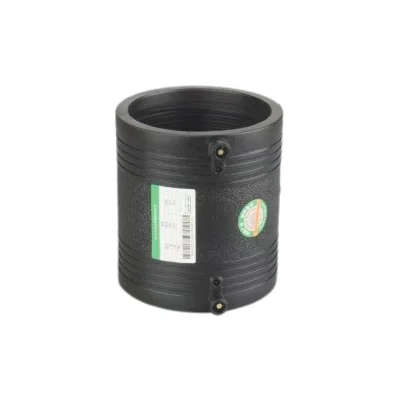
Electrofusion Pipeline Fittings PE Electric fusion Pipe Fittings Coupling
$0.60 - $9.79
MOQ: 100 Minimum
Henan Boxi Technology Co., Ltd.
- Trading Company
- Henan, China
- Lead time7 days
- Avg. response≤ 2h
Main productsPVC Plastic Pipe/PVC Wire pipe/PE Water Supply Pipe/PE Irrigation Pipe,PVC-U environmental protection water supply pipe,Steel wire mesh skeleton polyethylene composite pipe,PE environmental protection water supply pipe,CPVC power sheath pipe
Main marketsNorth America(30.00%), Northern Europe(10.00%), Southeast Asia(10.00%), Eastern Asia(10.00%), Mid East(10.00%), Oceania(5.00%), Central America(5.00%), Western Europe(5.00%), Eastern Europe(5.00%), South America(5.00%)
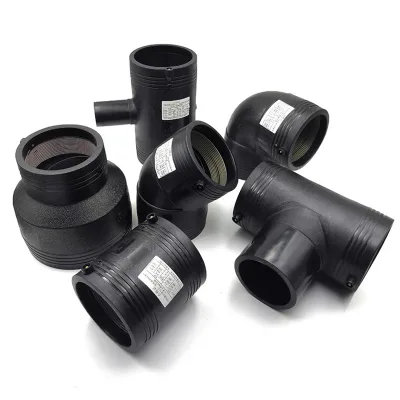
PE Electrofusion Elbows & Adapters - Capacitive Heating Technology, for Municipal Water Supply
$0.20 - $0.50
MOQ: 1000 meters
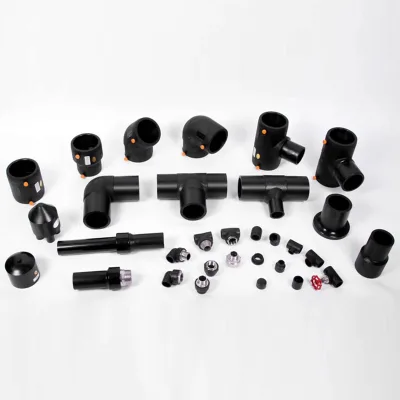
$0.20 - $0.50
MOQ: 1000 meters
Zhejiang Haipu Pipe Industry Co., Ltd.
- Verified by SGS Group
- Manufacturer, Trading Company
- Lead time30 days
- Avg. response≤ 2h
Main productsPE Hot Melt Pipe Fittings, PE Electric Melt Pipe Fittings, PE-RTII Hot Melt Pipe Fittings, PE-RTII Electric Melt Pipe Fittings
Main marketsDomestic Market(90%), Eastern Europe(10%)
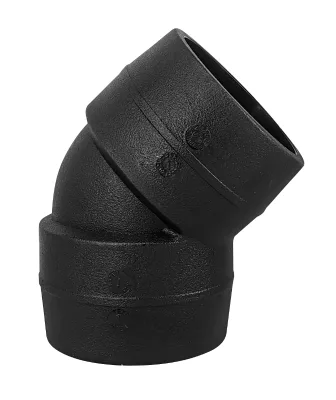
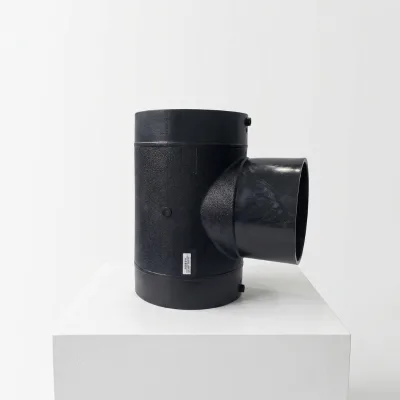
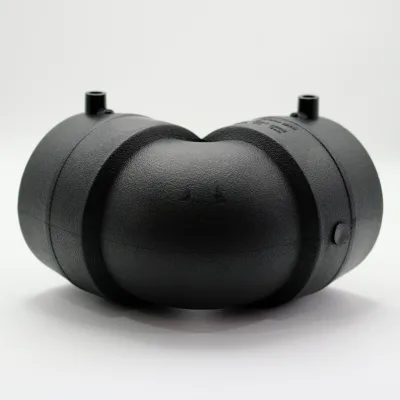
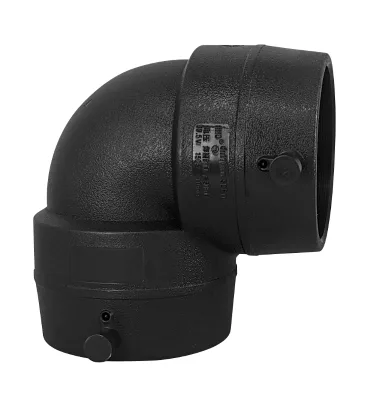
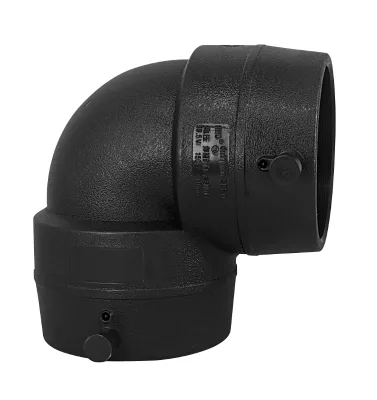
$3.25 - $5.20
MOQ: 50 pieces

Liaoning Xinmingyu Plastic Industry Co., Ltd.
- Verified by SGS
- Combined
- China Liaoning
- Lead time15 days
- Avg. response≤ 25h
Main productsPert Type II Socket Fusion Fittings, HDPE Butt Fusion Fittings, HDPE Socket Fusion Fittings, HDPE Electrofusion Fittings, Pert Type II Butt Fusion Fittings, Pert Type II Electrofusion Fittings, HDPE Siphonic Drainage Syatem, Plastic Barrels, Threaded Fittings, Valves
Main marketsDomestic
Zhuji Gaohui Machinery Co., Ltd.
- Manufacturer, Trading Company
- Zhejiang, China
- Lead time10 days
- Avg. response≤ 2h
Main productsHDPE Pipe Fitting,pipe welding machine,hdpe electrofusion fitting,hdpe buttfusion fitting,plastic fitting
Main marketsDomestic Market(55.00%), Northern Europe(10.00%), Southeast Asia(10.00%), Eastern Europe(5.00%), South Asia(5.00%), Africa(5.00%), Western Europe(5.00%), Mid East(5.00%)

Hangzhou Jiuyang Plastic Pipe Industry Co., Ltd.
- Verified by SGS
- Combined
- China Zhejiang
- Lead time30 days
- Avg. response≤ 1h
Main productsHDPE Pipe, PE Pipe Fitting, Electrofusion Pipe Fittings, Threaded Fittings, Steel Wire Mesh Pipe, HDPE Butt Pipe Fittings, PE Series Valve, Pert-II Pipe, Pert-II Pipe Fittings, Mpp Pipe
Main marketsSoutheast Asia/ Mideast


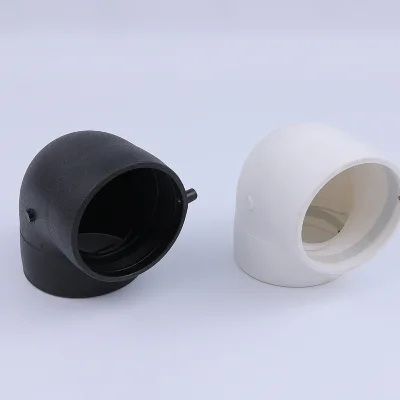
Custom Lightweight PE Electrofusion Elbow Fittings for Building Water Supply
$2.91 - $3.10
MOQ: 10 Pieces

Xiamen Tide Piping System Co., Ltd.
- Manufacturer
- Fujian, China
- Lead time30 days
- Avg. response≤ 1h
Main productsPVC PIPE FITTINGS,HDPE PIPE FITTINGS,PP PIPE FITTINGS,PPR PIPE FITTINGS,OTHER PLASTIC PIPE FITTINGS
Main marketsNorth America(30.00%), South America(15.00%), Africa(10.00%), Northern Europe(10.00%), Domestic Market(10.00%), Oceania(5.00%), Central America(4.00%), Mid East(4.00%), Western Europe(3.00%), Southern Europe(3.00%), Eastern Europe(3.00%), Southeast Asia(3.00%)
Shandong Jianlong Plastic Co., Ltd.
- Manufacturer, Trading Company
- Shandong, China
- Lead time15 days
- Avg. response≤ 1h
Main productsPVC threading series,PVC-U water supply,PVC-U drainage,PE water supply,PPR water supply
Main marketsDomestic Market(30.00%), North America(20.00%), South America(20.00%), Eastern Europe(15.00%), Mid East(15.00%)
Hangzhou Changpu Pipe Industry Co., Ltd.
- Manufacturer, Trading Company
- Zhejiang, China
- Lead time15 days
- Avg. response≤ 2h
Main productsButtfusion Molded Fittings,Electrofusion Fittings,Pipe Welding Machine,Compression Fittings,HDPE Ball Valve
Main marketsMid East(20.00%), Southeast Asia(20.00%), Africa(20.00%), Domestic Market(15.00%), South Asia(5.00%), Eastern Asia(5.00%), Oceania(5.00%), South America(5.00%), North America(5.00%)
Jinan Bada Plastic Pipe Welding Equipment Co., Ltd.
- Manufacturer, Trading Company
- Shandong, China
- Lead time7 days
- Avg. response≤ 12h
Main productsHDPE Pipe Butt Fusion Welding Machine,Electrofusion Welding Machine,Automatic Welding Machine,Multi-angle Cutting Saw,Gas and Water Polyethylene Pipes and Fittings
Main marketsDomestic Market(70.00%), Southeast Asia(8.00%), Africa(6.00%), South America(4.00%), South Asia(3.00%), Eastern Europe(3.00%), North America(2.00%), Western Europe(1.00%), Oceania(1.00%), Southern Europe(1.00%), Northern Europe(1.00%)




Comprehensive Sourcing Guide
Black PE Electrofusion Elbow Supplier Concentration and Factory Types
The landscape for sourcing black PE electrofusion elbows features a mix of manufacturing entities and trading companies, primarily concentrated in specific Chinese provinces. Evidence indicates that suppliers are located in regions such as Henan, Zhejiang, Jiangsu, and Sichuan, suggesting distinct industrial clusters for plastic pipe fittings. Zhejiang and Jiangsu appear to be significant hubs for HDPE pipe and fitting production, with manufacturers often listing these provinces as the place of origin for their products. These regions benefit from established supply chains for raw materials like HDPE and PE100, which are critical for producing durable electrofusion components. Buyers should recognize that while some suppliers operate as pure trading companies, others are verified manufacturers with factory capabilities. The presence of both types allows for varied sourcing strategies, but it is essential to distinguish between a factory that controls production quality and a trader who may source from multiple origins. Understanding this distinction helps in assessing the reliability of supply and the potential for customization.
Factory types vary in their specialization and capacity, with some focusing exclusively on HDPE pipes and fittings while others offer a broader range of plastic products. Many suppliers list main products that include HDPE pipes, PPR pipes, and various fittings, indicating a diversified manufacturing base. Some manufacturers hold certifications such as ISO 9001, ISO 14001, and OHSAS 18001, which signal adherence to quality and environmental management standards. Others may have additional certifications like HACCP, though this is less common for industrial pipe fittings. The company types observed include Manufacturer/Factory and Trading Company, with some entities operating as both. This hybrid model can offer flexibility but requires careful verification to ensure that the manufacturing process meets specific technical requirements. Buyers should look for suppliers who explicitly state their manufacturing capabilities, such as OEM and ODM services, as this indicates a higher level of control over the production process. The concentration of suppliers in these regions provides a competitive market, but it also necessitates thorough due diligence to identify the most suitable partner for specific project needs.
How to Verify Black PE Electrofusion Elbow Suppliers
Verifying suppliers requires a multi-layered approach that goes beyond basic company profiles. First, check for third-party verification badges, such as BV (Bureau Veritas), which indicate that an independent agency has assessed the supplier’s business legitimacy. This is a critical first step in establishing trust, as it confirms that the entity exists and operates as claimed. Additionally, review the supplier’s system certifications, including ISO 9001 for quality management and ISO 14001 for environmental management. These certifications are not just badges but evidence of a structured approach to production and compliance. For electrofusion elbows, which are critical for pressure systems, the presence of these standards suggests a commitment to consistent quality. Buyers should also examine the supplier’s response time, which can be an indicator of operational efficiency and customer service dedication. A faster response time, such as under 10 hours, often correlates with a more agile and responsive supply chain, which is valuable for urgent orders or technical queries.
Beyond certifications and response times, buyers should scrutinize the product details provided by the supplier. Look for specific attributes such as material grade (e.g., PE100), standard compliance (e.g., ISO, GB/T 13663.3), and application suitability (e.g., water supply, gas, drainage). Suppliers that provide detailed product specifications, including dimensions, pressure ratings, and testing results, are generally more reliable. It is also important to verify the place of origin listed for the products, as this can impact logistics costs and lead times. For instance, products originating from Zhejiang or Jiangsu may have different shipping profiles compared to those from Sichuan or Henan. Buyers should request samples or test reports to validate the physical properties of the elbows, such as their resistance to corrosion and their lifespan. While some suppliers claim a 50-year lifespan, this should be backed by credible testing data. Finally, check if the supplier offers customization options, as this can be a sign of technical capability and flexibility in meeting specific project requirements.
What to Compare Across Black PE Electrofusion Elbow Suppliers
When evaluating multiple suppliers, it is crucial to compare key operational metrics to determine the best fit for your project. Lead time is a primary factor, with some suppliers offering turnaround times as short as 15 days, while others may require up to 23 days. This difference can significantly impact project schedules, especially for large-scale infrastructure projects. Buyers should also compare the Minimum Order Quantity (MOQ), which can range from 100 units to 300 units or more. A lower MOQ may be preferable for smaller projects or initial trials, while a higher MOQ might offer better unit pricing for bulk orders. Response time is another critical metric, with some suppliers responding within a few hours, while others may take longer. A quick response time ensures that technical questions and order updates are handled efficiently, reducing the risk of delays. Additionally, compare the price ranges, which can vary based on material quality, dimensions, and order volume. Some suppliers may offer competitive pricing for standard sizes, while others may have higher prices for custom or specialized fittings.
Beyond operational metrics, buyers should compare the range of products and services offered by each supplier. Some suppliers specialize in HDPE electrofusion elbows, while others offer a broader range of pipe fittings and welding equipment. A supplier with a comprehensive product line may be more convenient for sourcing multiple components from a single source. Additionally, compare the customization capabilities, such as the ability to produce elbows in specific angles or sizes. Suppliers that offer OEM and ODM services can provide tailored solutions for unique project requirements. It is also important to compare the packaging and shipping options, as these can affect the condition of the products upon arrival. Some suppliers use PP bags and cartons for protection, while others may have different packaging standards. Finally, compare the supplier’s reputation and history, looking for evidence of long-term relationships with clients and consistent performance. While specific supplier names should not be highlighted, the aggregate data from multiple suppliers can provide a clear picture of the market landscape and help in making an informed decision.
Common Black PE Electrofusion Elbow Sourcing Risks
Sourcing black PE electrofusion elbows comes with several inherent risks that buyers must mitigate through careful due diligence. One significant risk is the variability in product quality, as not all suppliers adhere to the same manufacturing standards. While some suppliers claim compliance with ISO or GB standards, others may not provide verifiable evidence of this compliance. This can lead to issues with pressure ratings, durability, and safety in critical applications. Another risk is the potential for misrepresentation of the place of origin, which can affect logistics costs and lead times. Buyers should verify the actual manufacturing location to ensure that the products are sourced as claimed. Additionally, there is a risk of supply chain disruptions, particularly if the supplier relies on a single source for raw materials like HDPE. This can lead to delays in production and delivery, impacting project timelines. Buyers should assess the supplier’s supply chain resilience and their ability to handle fluctuations in demand.
Another common risk is the lack of transparency in pricing and terms. Some suppliers may offer low initial prices but have hidden costs for customization, shipping, or quality control. Buyers should request detailed quotes that include all potential costs to avoid surprises later in the process. There is also a risk of inadequate after-sales support, particularly if the supplier is a trading company with limited technical expertise. This can be problematic if issues arise with the fittings during installation or operation. Buyers should ensure that the supplier provides adequate technical support and warranty coverage. Additionally, there is a risk of intellectual property infringement if the supplier uses unauthorized designs or materials. Buyers should verify that the supplier has the necessary rights to produce and sell the products. Finally, there is a risk of non-compliance with local regulations in the buyer’s country, particularly regarding material safety and environmental standards. Buyers should ensure that the products meet all relevant regulatory requirements before placing orders.
Black PE Electrofusion Elbow Regional Sourcing and Logistics
Regional sourcing plays a significant role in the logistics and cost structure of black PE electrofusion elbows. Suppliers located in Zhejiang and Jiangsu provinces benefit from proximity to major ports and established logistics networks, which can reduce shipping times and costs. These regions are known for their manufacturing capabilities and often have a high concentration of suppliers, providing buyers with more options for comparison. In contrast, suppliers in Sichuan and Henan may have different logistical advantages, such as lower labor costs or access to specific raw materials. However, these regions may be further from major export ports, potentially increasing shipping times and costs. Buyers should consider the total landed cost, including shipping, insurance, and customs duties, when evaluating suppliers from different regions. The location of the supplier can also impact the lead time, as suppliers closer to ports may have faster turnaround times for export orders.
Logistics planning should also account for the specific requirements of the products, such as packaging and handling. Electrofusion elbows are sensitive to damage and require careful packaging to prevent scratches or deformations. Suppliers that use robust packaging, such as PP bags and cartons, can help ensure that the products arrive in good condition. Buyers should also consider the frequency of shipments and the ability of the supplier to handle multiple orders simultaneously. Suppliers with higher production capacities, such as those offering OEM and ODM services, may be better equipped to handle large or urgent orders. Additionally, buyers should evaluate the supplier’s experience with international shipping, including their knowledge of export documentation and customs clearance procedures. This can help avoid delays and additional costs associated with shipping errors. Finally, buyers should consider the environmental impact of shipping, as some suppliers may offer more sustainable logistics options, such as consolidated shipping or carbon-neutral transport.
Black PE Electrofusion Elbow Commercial Terms and Order Planning
Commercial terms and order planning are critical components of a successful sourcing strategy for black PE electrofusion elbows. Buyers should negotiate clear payment terms, such as letters of credit or escrow services, to protect their financial interests. Escrow services can provide an additional layer of security by holding funds until the goods are received and verified. It is also important to define the delivery terms, such as FOB or CIF, to clarify who is responsible for shipping and insurance costs. Lead times should be explicitly stated in the contract, with penalties for delays to ensure timely delivery. Buyers should also plan for quality control inspections, either through third-party agencies or internal teams, to verify that the products meet the specified standards. This can help prevent issues with non-conforming goods and reduce the risk of project delays.
Order planning should also consider the volume and frequency of purchases, as this can impact pricing and availability. Bulk orders may qualify for discounts, but they also require careful inventory management to avoid storage costs and potential damage. Buyers should establish a reorder point based on lead times and consumption rates to ensure a continuous supply of fittings. Additionally, buyers should plan for potential variations in demand, such as seasonal fluctuations or project-specific spikes. Suppliers that offer flexible production schedules and inventory management support can help mitigate these risks. Finally, buyers should maintain open communication with the supplier to stay informed about production progress and any potential issues. Regular updates can help prevent surprises and allow for proactive problem-solving. By carefully planning commercial terms and order logistics, buyers can ensure a smooth and efficient sourcing process for black PE electrofusion elbows.
FAQs
What is the price range for black PE electrofusion elbows?
Prices for black PE electrofusion elbows typically range from $1.00 to $6.48 per unit depending on specifications. Specific items like 45-degree elbows may cost around $1.00, while 90-degree variants often fall between $1.54 and $2.18. Higher-end models with electrofusion welding features can reach up to $6.48. Buyers should verify exact pricing based on order volume and custom requirements.
What certifications do these suppliers hold?
Suppliers offering black PE electrofusion elbows commonly hold ISO 9001, ISO 14001, and OHSAS 18001 certifications. Some manufacturers also possess BV verification status. These credentials ensure adherence to international quality and safety standards. Buyers should request current certification documents to confirm compliance with specific project requirements and regulatory frameworks before finalizing procurement decisions.
What are the typical lead times for these fittings?
Lead times for black PE electrofusion elbows generally range from 15 to 23 days. Some suppliers offer faster turnaround times, while others may require additional time for custom orders. Buyers should confirm specific delivery schedules with manufacturers to ensure alignment with project timelines. Early communication regarding production capacity helps avoid delays and ensures timely receipt of necessary piping components.
What is the minimum order quantity for these products?
Minimum order quantities for black PE electrofusion elbows vary, with some suppliers requiring as few as 100 units. Other manufacturers may set higher thresholds, such as 300 units, depending on the product type. Buyers should check specific MOQ requirements for each supplier to determine feasibility for their order size. Smaller orders may incur higher per-unit costs.
Where are these suppliers located?
Suppliers for black PE electrofusion elbows are primarily located in China, including regions such as Henan, Zhejiang, Jiangsu, and Sichuan. These areas are known for manufacturing plastic pipe fittings and HDPE products. Buyers can filter suppliers by location to reduce shipping costs and improve logistics efficiency. Proximity to manufacturing hubs often correlates with competitive pricing and faster production cycles.
What response times can buyers expect from suppliers?
Response times for Black PE Electrofusion Elbow inquiries typically range from 1 to 8.85 hours. Some suppliers respond within a single hour, while others may take up to nine hours. Faster response times indicate active customer service teams and efficient communication channels. Buyers should prioritize suppliers with quick response rates to ensure timely support and clarification during the sourcing process.
What materials and standards are used for these elbows?
Black PE electrofusion elbows are commonly made from HDPE or PE100 materials, meeting ISO and GB standards. Products often feature non-toxic, odorless properties and are designed for industrial or agricultural applications. Standards such as GB/T 13663.3 ensure quality and durability. Buyers should verify material specifications and compliance with relevant industry standards to ensure suitability for their specific piping systems.