Source China Mainland Name Plate for Machines, Decor, and Gifts
Find 30 verified listings for China Mainland Name Plate options including metal tags, engraved logos, and custom designs. Buyers can compare specifications like size, thickness, and material to select the right solution for machines, home decor, or promotional gifts; compare the available evidence and request quotations based on your requirements.
Updated
Key considerations
Products List
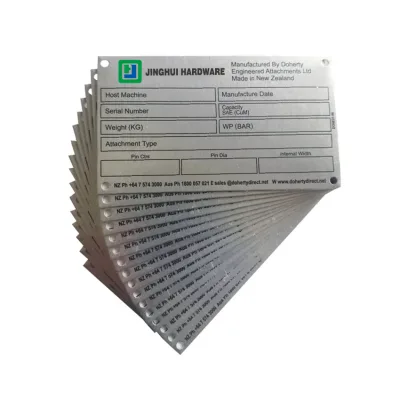
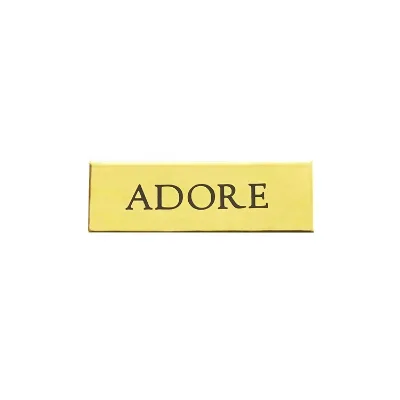
Custom Brand Logo Brushed Name Plate Brass Self Adhesive Metal Nameplate
$0.60 - $0.80
MOQ: 500 pieces


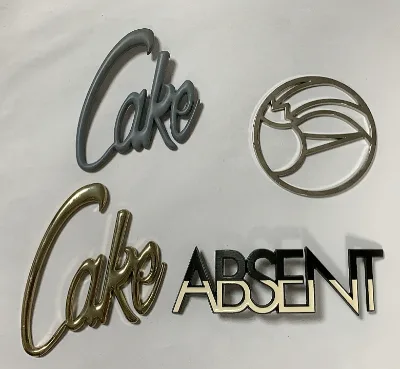
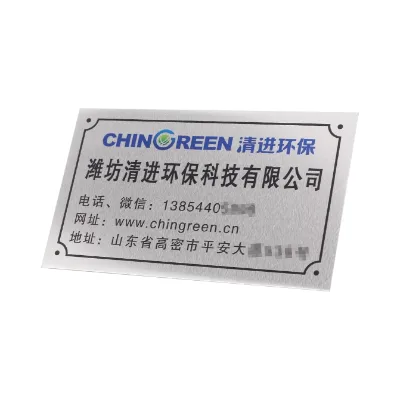
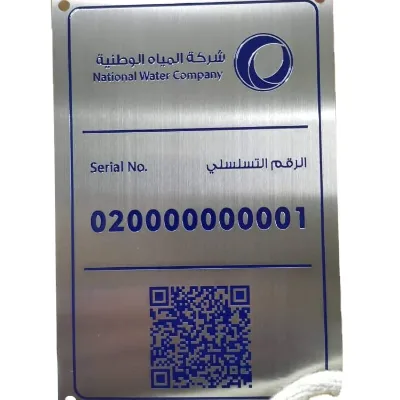

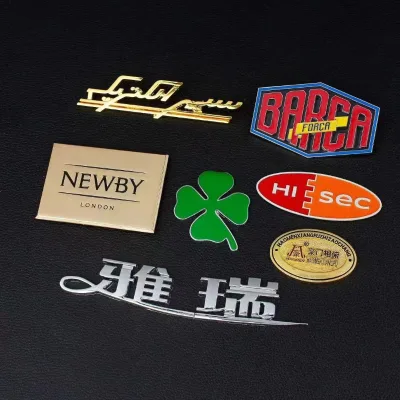
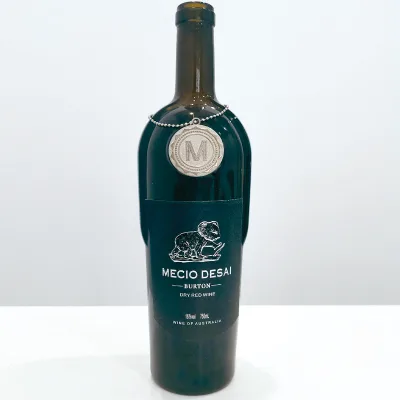


Label Metal Plate Engraved Plate Metal Nameplate Stainless Steel Nameplate
$0.01 - $0.90
MOQ: 1 Pieces


Custom Metal Badge Name Plate Engraved Plate Stamping Name Plate Nameplate
$0.01 - $0.90
MOQ: 1 Pieces


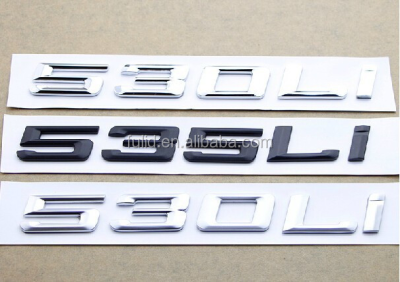
Plastic ABS Nameplate, Plastic Chrome Nameplate, Plastic ABS Nickel Plating Nameplate
$0.20 - $0.70
MOQ: 1000 Minimum


Comprehensive Sourcing Guide
China Mainland Name Plate Sourcing Guide
Buyers sourcing name plates from China mainland must first distinguish between industrial machine tags and decorative branding elements, as the supplied data reveals distinct product categories. One segment focuses on durable metal tags for machinery, characterized by specific dimensions like 84mm by 55mm and a thickness of 0.5mm, while another targets home decor and promotional gifts with customizable shapes and European styles. Understanding this split is critical because the manufacturing processes and material requirements differ significantly between a functional machine identifier and a decorative souvenir item.
The observed product listings indicate a strong emphasis on customization, with many suppliers offering blank styles that accept printed or engraved custom logos. Buyers should note that while some items are listed with fixed silver or gold plating, others allow for fully custom colors and designs, which directly impacts the production workflow. This variability means that procurement strategies must be tailored to the specific end-use, ensuring that the selected supplier has the appropriate machinery for either high-volume standard production or low-volume bespoke engraving.
Product Scope and Observed Listing Signals
The market for these components includes both functional industrial tags and aesthetic decorative plates, with observed listings showing a wide range of sizes from small 33mm by 16mm units to larger 84mm by 55mm machine tags. The material composition is predominantly metal, with specific mentions of aluminum and various metal finishes, suggesting versatility in durability and appearance. Buyers must carefully review the product type descriptions to ensure the item matches the intended application, whether it is for permanent machine identification or temporary promotional branding.
Listing signals also highlight significant variation in packaging and weight, ranging from single items in OPP bags to bulkier boxes weighing up to 4kg per unit. This disparity affects logistics planning and cost estimation, as the single gross weight and package dimensions vary based on the product's physical size and the inclusion of protective materials. Procurement teams should verify the specific packaging details for each order to prevent damage during transit and to accurately calculate shipping costs based on the actual volume and weight of the shipment.
Technical Specifications to Verify
Technical verification begins with confirming the exact physical dimensions and thickness, as listings show options ranging from 0.5mm to customized measurements for both size and gauge. Buyers must ensure that the selected thickness aligns with the structural requirements of the application, particularly for machine tags that may face vibration or harsh environmental conditions. The process methods, including carving, etching, and machinery processing, should be explicitly confirmed to guarantee the desired surface finish and logo clarity on the metal substrate.
Material composition and finishing techniques are equally critical, with observed data specifying aluminum, metal finishes, and plating colors like gold or silver. Buyers should request samples to validate the plating quality and color consistency, as these attributes can vary significantly between batches. Additionally, the installation method, such as custom self-adhesive tape, must be compatible with the target surface to ensure secure attachment, especially for products intended for home decoration or commercial display where longevity is a key concern.
Compliance and Safety Documentation
While the supplied product facts do not explicitly list specific international certifications, buyers must proactively request documentation regarding material safety and environmental compliance. Since these items are often used in commercial settings or as gifts, verifying that the metal alloys and plating chemicals meet relevant safety standards is essential to avoid regulatory hurdles in the destination market. The absence of stated certifications in the listing does not imply non-compliance, but it necessitates a formal inquiry to the supplier to obtain the necessary test reports or declarations of conformity.
Documentation should also cover the manufacturing process to ensure that no hazardous substances are used in the etching or plating stages. Buyers should ask for a Material Safety Data Sheet (MSDS) or similar documentation to confirm that the finished product is safe for handling and installation. This due diligence is particularly important for products intended for home use or as promotional gifts, where consumer safety and environmental regulations are strictly enforced in many jurisdictions.
Cost Drivers and Commercial Terms
Cost structures for these metal name plates are heavily influenced by the level of customization required, with options for custom shapes, designs, and logos adding significant value to the base price. The observed MOQ ranges from 1 to 1000 pieces, indicating that suppliers cater to both small prototype orders and large-scale production runs, which directly affects the unit cost. Buyers should negotiate based on the volume they can commit to, as higher quantities often unlock better pricing tiers and more favorable terms for custom tooling or design setup.
Commercial terms also depend on the packaging and shipping logistics, as the single package size and gross weight vary widely across different product types. Buyers must clarify whether the quoted price includes the protective packaging details, such as OPP bags and cartons, to avoid unexpected costs upon delivery. Additionally, the lead time for customized items with specific plating or engraving should be confirmed, as these processes can extend the production schedule compared to standard off-the-shelf inventory.
Supplier Qualification and Quality Control
Supplier qualification should focus on their capability to handle the specific manufacturing techniques observed, such as carving, etching, and machinery processing for metal components. Buyers must verify that the supplier has the necessary equipment to produce the required thickness and finish, ensuring consistency across the order. The presence of a "NO" brand name on some listings suggests that many suppliers operate as OEM providers, making it essential to assess their quality control protocols rather than relying on brand reputation.
Quality control measures should include a rigorous inspection of the finished product for defects in the logo printing, plating uniformity, and dimensional accuracy. Buyers should request pre-shipment samples to validate that the custom design and color match the agreed specifications before authorizing full production. Establishing a clear communication channel for addressing any discrepancies in the product attributes, such as shape or installation method, is vital to maintaining the integrity of the supply chain.
Long-Term Procurement Checks
Long-term procurement success relies on establishing a consistent relationship with suppliers who can maintain quality standards over multiple production cycles. Buyers should monitor the supplier's ability to deliver consistent results for customized orders, particularly regarding the stability of the plating color and the precision of the engraved or printed logos. Regular audits or sample checks can help identify any drift in quality that might occur as production scales up or as raw material sources change.
It is also crucial to review the supplier's responsiveness to changes in design or specification requirements over time. As market trends shift, the ability to adapt quickly to new customization requests, such as different sizes or styles, will be a key differentiator. Buyers should maintain a detailed record of past orders and performance metrics to inform future sourcing decisions, ensuring that the selected partner remains aligned with the evolving needs of the business.
FAQs
What materials are used for China Mainland Name Plate products?
Metal and aluminium are the primary materials used for these name plates. Metal options often feature a silver color with a metal finish, while aluminium variants may include gold plating. Buyers can choose between standard metal constructions or lightweight aluminium designs depending on the specific application requirements and durability needs for the final product.
Can I customize the size and thickness of the name plate?
Yes, customization is available for both size and thickness. Standard metal name plates measure 84mm by 55mm with a 0.5mm thickness, while engraved logo options measure 33mm by 16mm. Buyers can request customized dimensions to fit specific machinery or branding needs, ensuring the final product meets exact physical specifications for installation and aesthetic purposes.
What is the minimum order quantity for custom name plates?
The minimum order quantity varies by product type. Some engraved metal logo options require a minimum of 500 pieces. Other standard name plate products may have different MOQ thresholds, typically ranging from 1 to 1000 units. Buyers should confirm the specific MOQ with the supplier based on the selected model number and customization level.
How are the name plates packaged for shipping?
Packaging details typically include individual items placed in OPP bags or PP bags, which are then packed into cartons. Standard metal name plates are boxed with a single gross weight of 4.000 kg, while smaller engraved logos have a gross weight of 0.100 kg. This ensures safe transport and protection of the customized metal surfaces during international shipping.
What techniques are used to create the name plate designs?
Carved and etching processes are commonly used to create the designs. Blank name plates may feature a carved technique, while engraved logo options utilize etching methods. These techniques allow for precise custom logos and designs to be applied to the metal or aluminium surfaces, ensuring high-quality branding and durability for machinery or decorative applications.
Where are these name plates manufactured?
These name plates are manufactured in Guangdong, China. The products originate from this region, which is a major hub for metal processing and manufacturing. Buyers sourcing from this location benefit from established supply chains and specialized factories capable of handling custom metal finishing, plating, and precision machining for various industrial and decorative name plate requirements.