Source Recycled HDPE Plastic Parts Box for Storage
Find 30 Recycled HDPE Plastic Parts Box options from China. Compare OEM/ODM capabilities, PP and HDPE materials, and dimensions like 495x360x175mm for efficient spare parts storage and organization; compare the available evidence and request quotations based on your requirements.
Updated
Key considerations
Products List


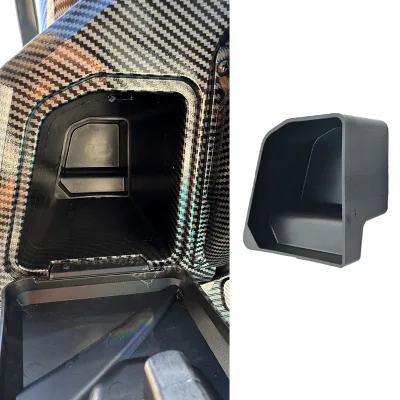
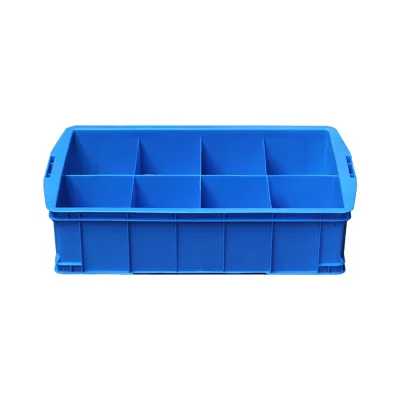
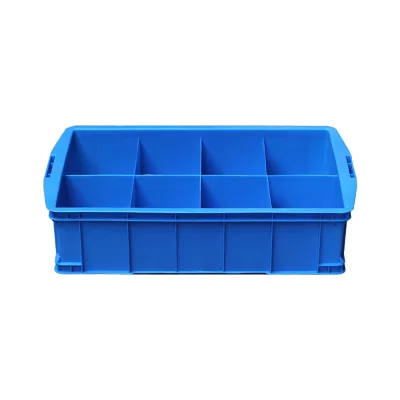
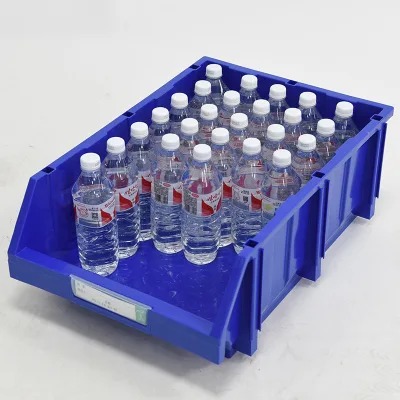


Comprehensive Sourcing Guide
Recycled HDPE Plastic Parts Box Sourcing Guide
Procuring recycled high-density polyethylene (HDPE) storage solutions requires a disciplined approach to material verification and structural integrity assessment. Buyers must prioritize suppliers who can demonstrate consistent resin quality, as recycled feedstocks vary significantly in purity and mechanical properties. The core advantage of HDPE lies in its chemical resistance and durability, making it ideal for industrial environments where exposure to oils, solvents, or moisture is common. However, the "recycled" designation demands rigorous scrutiny to ensure the material meets specific performance thresholds for load-bearing capacity and impact resistance.
Sourcing decisions should be driven by clear technical requirements rather than generic product descriptions. Buyers need to establish precise specifications for wall thickness, grid configuration, and dimensional tolerances before engaging with manufacturers. This guide outlines the critical verification steps necessary to mitigate supply chain risks. By focusing on observable listing signals and documented technical parameters, procurement teams can identify reliable partners who deliver consistent quality. The following sections provide a structured framework for evaluating suppliers and ensuring that the final product aligns with operational needs.
Product Scope and Observed Listing Signals
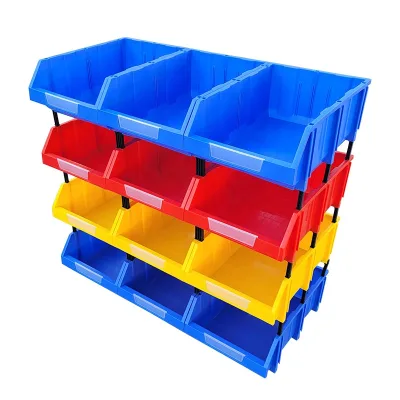
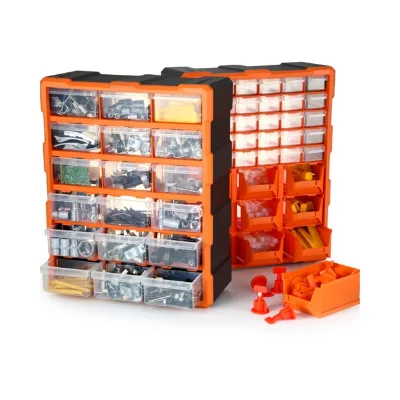
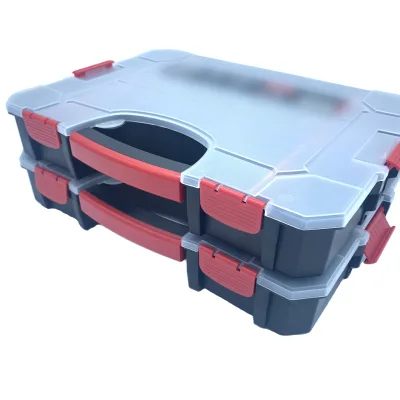
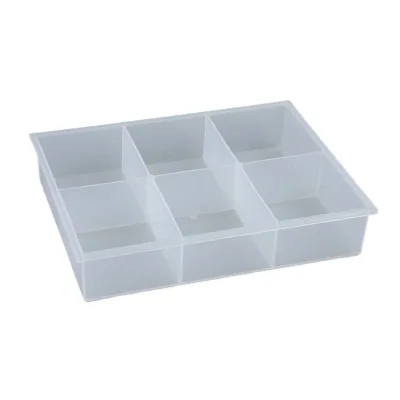
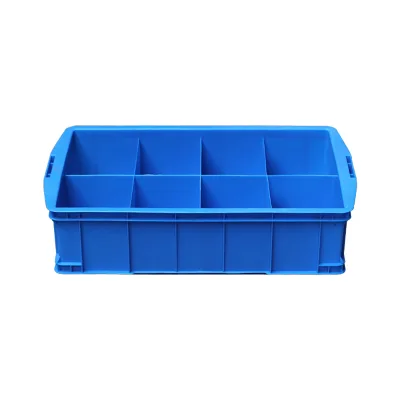
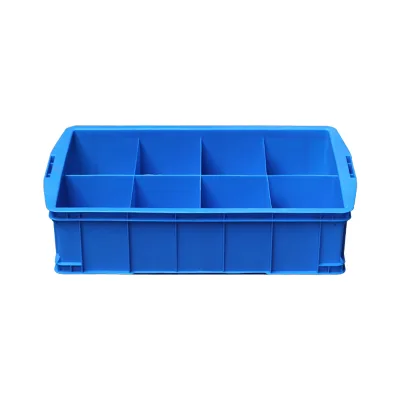
Market listings for plastic storage containers reveal a wide spectrum of design variations, from simple open bins to complex modular systems with removable inserts. Observed product attributes indicate that manufacturers often offer OEM and ODM customization services, allowing buyers to tailor dimensions and branding to specific logistical needs. Common features include fixed grids for small parts organization and multi-compartment layouts designed for efficient space utilization. These structural elements are critical for warehouse organization, enabling quick identification and access to spare parts or components without clutter.
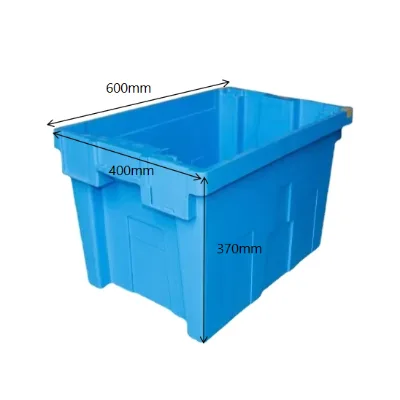
Color options such as blue, red, yellow, and transparent variants are frequently available, supporting visual management systems in industrial settings. Some listings highlight specific dimensions, such as 23.5x18x4.5 cm or larger formats like 495x360x175 mm, catering to diverse storage volumes. Buyers should note that packaging details often specify standard export carton boxes, which influence shipping costs and handling efficiency. Understanding these baseline offerings helps in filtering suppliers who can meet exact size and functional requirements, ensuring that the selected boxes integrate seamlessly into existing storage infrastructure.
Technical Specifications to Verify
Dimensional accuracy is paramount when integrating storage boxes into automated systems or standardized shelving units. Buyers must verify external dimensions against internal capacity requirements, noting that tolerances can vary between manufacturers. Some suppliers specify dimensional tolerances of ±2 cm or tighter, which is crucial for precision engineering applications. Additionally, weight specifications provide insight into material density and wall thickness; observed weights range from lightweight 0.1 kg units to heavier 727 g boxes, indicating different structural reinforcements. Confirming these metrics prevents unexpected volume discrepancies in logistics planning.
Material composition directly impacts longevity and chemical resistance. While some products use generic plastic, others specify PP or HDPE, with the latter offering superior durability for heavy-duty use. Injection molding techniques are commonly cited, ensuring consistent wall thickness and structural integrity. Buyers should request detailed material data sheets to confirm the percentage of recycled content and the presence of stabilizers that prevent UV degradation. Verifying these technical details ensures that the boxes will withstand repeated handling and environmental exposure without cracking or deforming over time.
Compliance and Safety Documentation
Regulatory compliance varies by destination market, requiring buyers to verify specific safety and environmental certifications. For food-contact applications, FDA compliance is essential, though most industrial storage boxes do not require this unless specified. Buyers should inquire about REACH compliance for European markets to ensure the absence of restricted substances in the recycled resin. Documentation should also cover flame retardancy ratings if the storage units are used in high-risk industrial zones. Requesting third-party test reports validates these claims and reduces liability risks associated with material safety.
Occupational health and safety standards may also apply, particularly regarding the ergonomic design of the boxes. Features such as reinforced handles or stackable designs contribute to workplace safety by reducing manual handling injuries. Buyers should verify that the product design meets relevant ISO standards for industrial packaging and storage containers. Additionally, checking for compliance with local waste management regulations ensures that the boxes can be properly recycled at the end of their lifecycle. This holistic approach to compliance protects the buyer from regulatory penalties and enhances brand reputation for sustainability.
Cost Drivers and Commercial Terms
Pricing for recycled HDPE boxes is influenced by raw material volatility, production volume, and customization complexity. Observed price ranges vary significantly, reflecting differences in material quality, wall thickness, and feature sets. Buyers should analyze cost structures beyond the unit price, considering factors like minimum order quantities (MOQ) and shipping logistics. Higher MOQs often yield better per-unit costs, but they require accurate demand forecasting to avoid excess inventory. Understanding these commercial terms helps in negotiating favorable contracts that align with budget constraints and supply chain flexibility.
Packaging and shipping details also impact total landed costs. Standard export packaging in carton boxes is common, but bulkier dimensions can increase freight expenses. Buyers should evaluate the supply ability of manufacturers, as limited monthly output may constrain large-scale procurement. Port of dispatch locations, such as Ningbo or Shanghai, affect transit times and insurance costs. By comparing these commercial variables, procurement teams can optimize their sourcing strategy to balance cost efficiency with reliable delivery schedules, ensuring that storage solutions are available when needed without excessive capital tie-up.
Supplier Qualification and Quality Control
Supplier qualification begins with verifying manufacturing capabilities and quality management systems. Buyers should assess whether the supplier has dedicated injection molding lines and experienced engineering teams for custom designs. On-site audits or virtual inspections can confirm production standards and facility cleanliness, which are critical for maintaining material integrity. Suppliers with established track records in exporting to target markets often have more robust quality control processes. Engaging with such partners reduces the risk of receiving substandard products and ensures consistent supply chain performance.
Quality control protocols should include incoming material inspections, in-process checks, and final random sampling. Buyers must define acceptable defect rates and require suppliers to provide inspection reports before shipment. Testing for impact resistance, tensile strength, and dimensional accuracy helps validate product performance. Establishing clear communication channels for addressing non-conformities is essential for continuous improvement. By prioritizing suppliers with transparent quality practices, buyers can build long-term relationships that deliver reliable, high-quality storage solutions tailored to their specific operational requirements.
Long-Term Procurement Checks
Sustainable sourcing practices require ongoing monitoring of supplier performance and material traceability. Buyers should regularly review supplier audits and update qualification criteria to reflect changing market conditions and regulatory landscapes. Tracking key performance indicators such as on-time delivery rates and defect percentages helps identify potential issues early. Maintaining a diversified supplier base mitigates risks associated with single-source dependencies. Regularly revisiting technical specifications ensures that products remain aligned with evolving operational needs and technological advancements in storage solutions.
Continuous improvement initiatives should focus on optimizing packaging efficiency and reducing waste throughout the supply chain. Collaborating with suppliers on design enhancements can lead to more durable and recyclable products. Buyers should also stay informed about advancements in recycled resin technologies that may offer improved performance characteristics. By fostering a collaborative relationship with suppliers, procurement teams can drive innovation and cost savings over time. This proactive approach ensures that the organization remains competitive and resilient in the face of market fluctuations and increasing sustainability demands.
FAQs
What materials are used for these storage tool boxes?
These storage tool boxes are manufactured from durable plastic materials, specifically PP and HDPE. The use of high-density polyethylene ensures robustness for spare parts storage. The material choice supports the product's function in organizing screws and small parts effectively while maintaining structural integrity.
Can I customize the color of the plastic tool box?
Yes, customization is available for these plastic tool boxes. Buyers can select from colors such as Blue, Red, or Yellow. The supplier supports OEM and ODM services, allowing for tailored branding or specific color requirements to meet distinct organizational or aesthetic needs for the storage units.
What are the standard dimensions for the storage boxes?
Standard dimensions vary by model, including sizes like 23.5*18*4.5cm and 34.5*23*5cm. Some models measure 380 x 296 x 65mm or 495*360*175mm. The product specifications list multiple size options to accommodate different storage capacities, ranging from small compartments to larger enclosed storage solutions for various parts.
What is the minimum order quantity for these boxes?
The minimum order quantity is 1 piece, making it easy to sample or order small batches. This low MOQ allows buyers to test product quality before committing to larger volumes. The supplier offers a supply ability of 1000 cartons per month, ensuring scalability for larger procurement needs as required.
Where are these plastic parts boxes manufactured?
These plastic parts boxes are manufactured in China, specifically in the Zhejiang region. The products are dispatched from ports such as Ningbo and Shanghai. This location supports efficient export logistics, ensuring timely delivery for international buyers sourcing these storage solutions for their spare parts or component organization needs.
How are the storage tool boxes packaged for shipping?
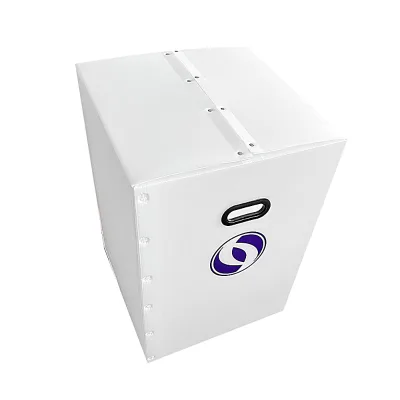
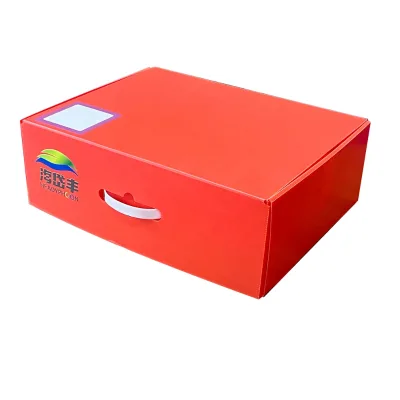
The storage tool boxes are packaged in standard export carton boxes. Some variations include color cards on the box for better presentation. The packaging is designed to protect the items during transit, with net weights ranging from 0.1 to 2 kg, ensuring safe handling and efficient stacking for logistics.