Source Class II Children Wheelchair for Hospital, Home, and School
Explore 30 options for a Class II Children Wheelchair designed for pediatric mobility needs. Compare features like folding frames, weight capacities, and certifications to find the right fit for clinical or daily use; compare the available evidence and request quotations based on your requirements.
Key considerations
Products List


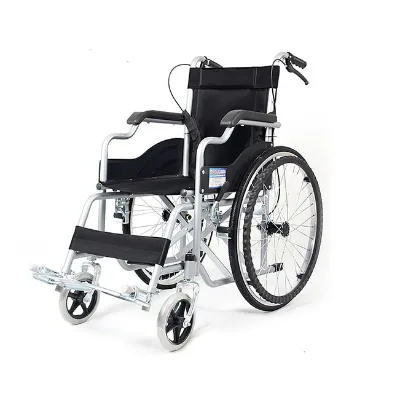


Compact Portable Folding Wheelchair for Kids Lightweight Children's Design
$21.99 - $24.99
MOQ: 10 Pieces


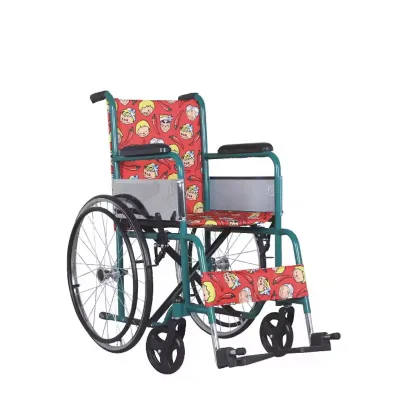


Ergonomic Design Pediatric Wheelchair for Children with Cerebral Palsy
$125.00 - $145.00
MOQ: 1 Pieces

Comprehensive Sourcing Guide
Class II Children Wheelchair Sourcing Guide
Procuring Class II children wheelchairs requires a disciplined approach to balancing medical safety with developmental needs. Buyers must recognize that these devices fall under specific regulatory classifications, necessitating rigorous verification of manufacturer credentials before any commercial commitment. The core challenge lies in identifying suppliers who maintain consistent quality control across varying material compositions, such as steel or aluminum alloy frames, which directly impact durability and weight.
This guide provides a structured framework for evaluating listings based on observed market signals and technical realities. It emphasizes the importance of cross-referencing certification claims with actual product documentation. By focusing on verifiable attributes like load capacity, folding mechanisms, and packaging dimensions, procurement teams can mitigate risks associated with non-compliant or substandard equipment. The following sections detail the critical steps for successful sourcing.
Product Scope and Observed Listing Signals
Market listings for pediatric wheelchairs often present a wide array of specifications that require careful interpretation. Observed data indicates a price range from $0.01 to $195, which suggests significant variation in quality, material grade, and included accessories. Buyers should treat low-end prices with caution, as they may reflect basic models with minimal safety features or higher minimum order quantities that obscure unit costs. The presence of customization options is a key signal, allowing for tailored solutions for children with specific postural or mobility requirements.
The observed minimum order quantities (MOQ) range from 1 to 100 units, indicating flexibility for both small clinics and large distributors. Listings frequently highlight attributes such as folding designs, which are essential for storage and transport, and specific leg rest types, such as those spanning both sides or separate configurations. These physical characteristics are critical for ensuring the wheelchair accommodates the child’s growth and daily activities. Buyers must verify that the listed "New" condition and specific model numbers, such as SC-SW21-35 or SC-980LQF8, correspond to the exact configuration required for their patient population.
Technical Specifications to Verify
Technical verification begins with the frame material and structural integrity. Listings indicate the use of steel, aluminum alloy, and stainless steel, each offering distinct advantages in terms of weight and corrosion resistance. For instance, some models specify a net weight of 14.4kg and a gross weight of 17.4kg, which are crucial for caregivers who need to lift or transport the device. The seat width is often standardized at 35cm, but buyers must confirm if this dimension is adjustable or fixed to ensure proper fit for the child.
Load capacity is another critical specification, with observed limits ranging from 75kg to 100kg. Buyers must ensure the selected model supports the child’s weight plus any additional equipment, such as cushions or orthotic devices. The power supply is typically manual for these devices, requiring careful assessment of the braking system and push-rim design. Additionally, packaging dimensions, such as 882389 cm or 763990 cm, impact shipping costs and storage logistics. Verifying these details prevents unexpected costs and ensures the device meets the physical demands of its intended use.
Compliance and Safety Documentation
Regulatory compliance is non-negotiable for Class II medical devices. Buyers must verify that suppliers hold valid CE and ISO certifications, which are frequently cited in product listings. The presence of additional certifications like RoHS or UL may indicate adherence to broader safety and environmental standards, but these must be confirmed through official documentation rather than marketing claims. The instrument classification as Class II implies a moderate risk level, requiring strict adherence to quality management systems such as ISO 13485.
Documentation should also include clear labeling of the medical device regulatory type, distinguishing between tilted and non-tilted models. Buyers should request test reports that validate the structural integrity and safety of components like the rear wheels, which may be specified as 22" spoken wheels. The origin of the product, often listed as China or specific provinces like Hebei, should be cross-referenced with the manufacturer’s legal entity to ensure accountability. Proper documentation ensures that the wheelchair meets local regulatory requirements for import and clinical use.
Cost Drivers and Commercial Terms
Cost structures in the pediatric wheelchair market are influenced by material choices, customization levels, and order volume. While observed prices vary widely, buyers should focus on the total cost of ownership, including shipping, tariffs, and after-sales support. Customization options, such as specific colors or frame adjustments, may incur additional fees but are often necessary for optimal patient comfort and engagement. The availability of online technical support is a valuable commercial term that can reduce long-term maintenance costs.
Minimum order quantities significantly impact pricing tiers, with lower MOQs often commanding higher unit prices. Buyers should negotiate terms that allow for sample orders to verify quality before committing to larger volumes. Packaging methods, such as color boxes or standard cartons, affect protection during transit and should be included in the cost analysis. Understanding these commercial dynamics helps buyers secure favorable terms while ensuring they receive products that meet their clinical and operational standards.
Supplier Qualification and Quality Control
Supplier qualification requires a thorough review of their manufacturing capabilities and quality assurance processes. Buyers should prioritize suppliers who provide detailed product specifications, including model numbers like TB01 or Standard Children Wheelchair, and clear descriptions of their after-sale services. The brand name, such as TB, should be verified for reputation and consistency in product quality. Suppliers with a history of providing online technical support are often more reliable in addressing post-purchase issues.
Quality control measures should be explicitly defined in the purchase agreement. Buyers must ensure that suppliers conduct routine inspections on critical components, such as the folding mechanism and leg rests. The use of specific materials, like stainless steel for corrosion resistance, should be verified through material certificates. Additionally, suppliers should provide clear instructions for assembly and maintenance, ensuring that healthcare providers can safely operate the device. Rigorous supplier evaluation minimizes the risk of receiving defective or non-compliant equipment.
Long-Term Procurement Checks
Long-term procurement success depends on establishing ongoing relationships with reliable suppliers and monitoring product performance. Buyers should implement a system for tracking feedback from end-users, including children and caregivers, to identify any issues with comfort, durability, or functionality. Regular audits of supplier compliance with stated certifications and standards are essential to maintain quality over time. The availability of spare parts and accessories should also be confirmed to ensure the longevity of the wheelchair fleet.
Continuous improvement in procurement strategies involves staying informed about updates in medical device regulations and technological advancements. Buyers should periodically review their inventory to ensure that models remain suitable for their patient population’s evolving needs. Establishing clear communication channels with suppliers for rapid resolution of defects or recalls is critical. By maintaining a proactive approach to supplier management and product evaluation, organizations can ensure the safety and efficacy of the Class II children wheelchairs they procure.
FAQs
What certifications do class ii children wheelchairs typically have?
Class II children wheelchairs typically hold CE and ISO certifications to ensure safety and quality standards. These regulatory approvals confirm that the medical device meets essential requirements for clinical use. Buyers should verify specific certification lists on product pages to ensure compliance with local market regulations and procurement policies.
Can class ii children wheelchairs be customized for specific needs?
Yes, many class ii children wheelchairs offer customization options to fit individual patient requirements. Manufacturers provide customized features such as specific seat widths or frame adjustments. This flexibility allows buyers to select products that match precise anatomical needs, ensuring better comfort and usability for pediatric patients during daily activities.
What is the typical weight capacity for these wheelchairs?
The typical weight capacity for class ii children wheelchairs is around 100 kilograms. This load-bearing limit ensures structural integrity and safety for growing children. Buyers should check the specific weight capacity listed for each model to ensure it aligns with the intended user's weight, preventing potential safety hazards during operation.
How are class ii children wheelchairs packaged for shipping?
Class ii children wheelchairs are usually packaged in cartons or color boxes for protection. Standard packaging dimensions vary by model, often measuring approximately 76x39x90 cm or similar sizes. This packaging method ensures safe transit and efficient loading, helping buyers calculate shipping costs and storage requirements accurately before placing bulk orders.
Where are class ii children wheelchairs primarily manufactured?
Class ii children wheelchairs are primarily manufactured in China, with specific origins often listed as Hebei province. This region is a known hub for medical equipment production, offering competitive pricing and established supply chains. Buyers can leverage this geographic concentration to find reliable suppliers with consistent quality and efficient logistics for international delivery.
What materials are used in class ii children wheelchairs?
Class ii children wheelchairs are commonly constructed from steel, aluminum alloy, or stainless steel. These materials provide a balance of durability, lightweight portability, and corrosion resistance. The choice of material affects the overall weight and strength of the wheelchair, allowing buyers to select options that best suit the mobility needs and handling preferences of pediatric users.