Source Class II Dental Elevator for Root Extraction, Surgery, and Implants
Explore 30 verified listings for the Class II Dental Elevator, comparing stainless steel models from China with CE and ISO certifications. Buyers can evaluate specifications, pricing, and MOQs for surgical root lifting and extraction procedures.
Key considerations
Products List
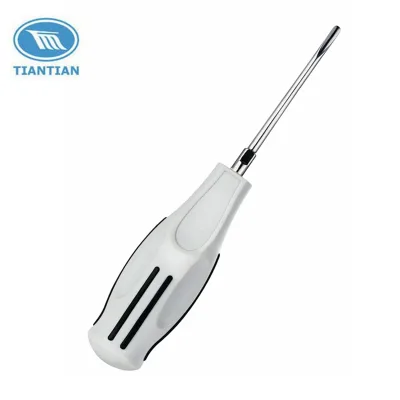
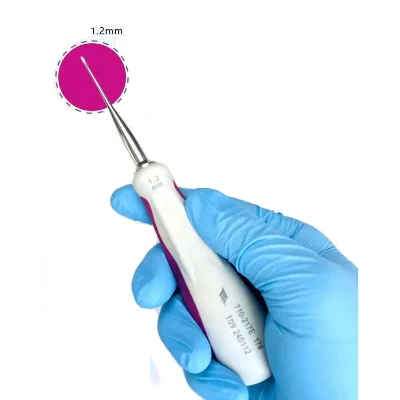
Tiantian Dental Equipment Tooth Luxating Root Elevators Coupland Elevator
$20.40 - $30.60
MOQ: 10 Minimum
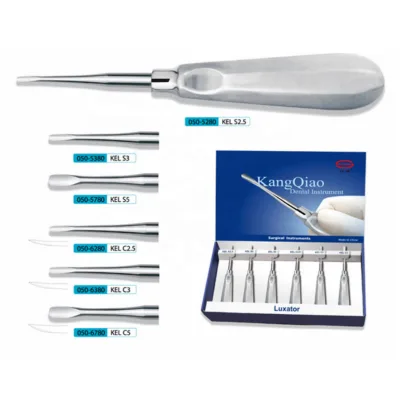
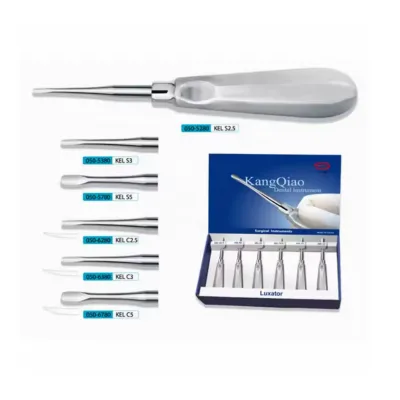
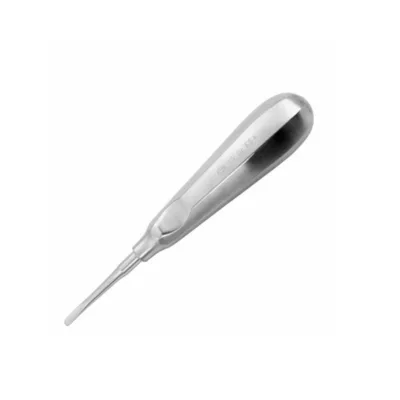
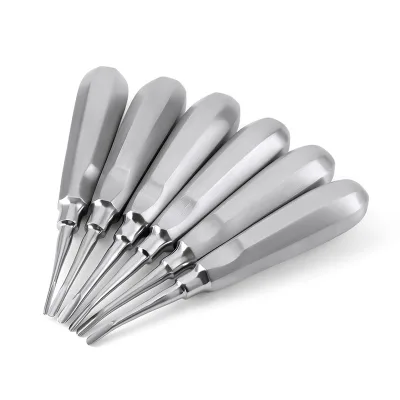
Dentist Tools Surgical Instrument Tooth Extraction Tool Dental Teeth Elevator
$1.95 - $2.26
MOQ: 10 Minimum
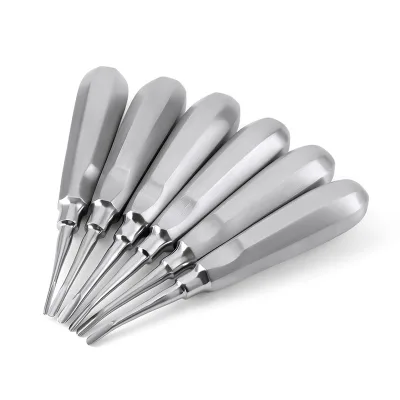
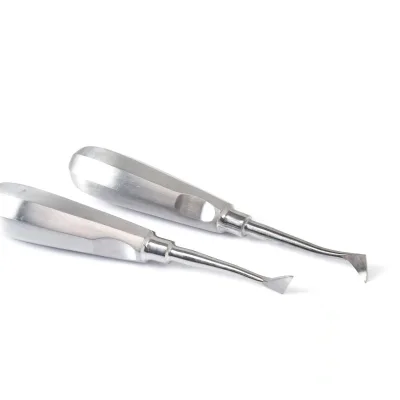
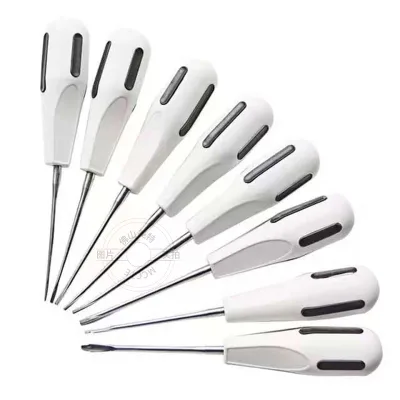
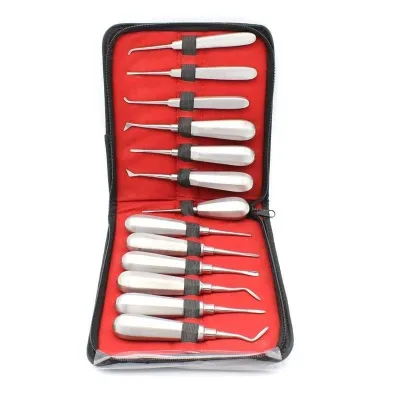
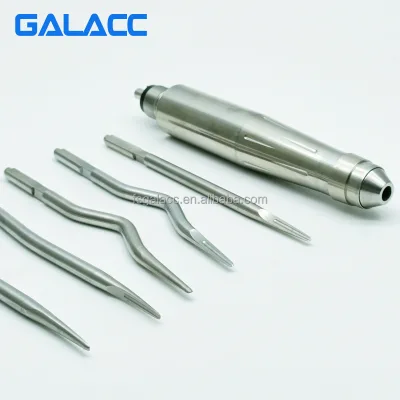
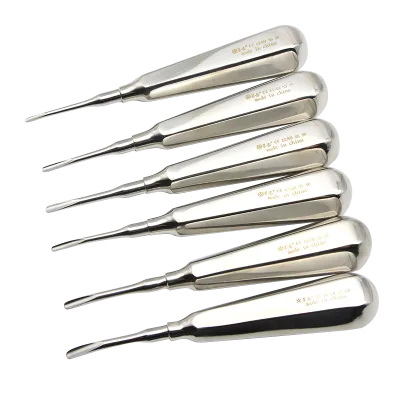
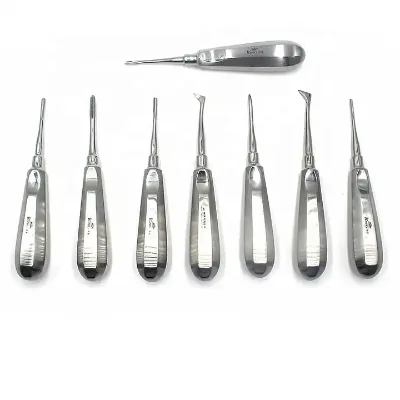
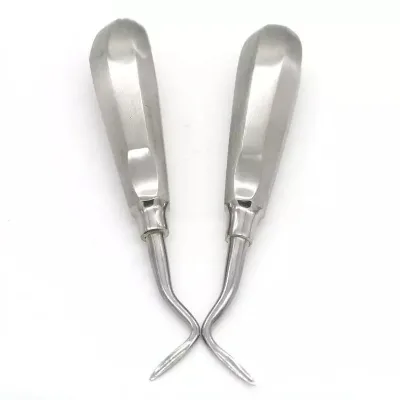


Dental Instrument Medical Dentist Product Straight Stainless Steel Root Elevator
$11.00 - $13.00
MOQ: 2 Pieces


Dental Stainless Steel Root Elevator Dental Instrument Kit Dental Clinic Tools
$11.00 - $13.00
MOQ: 2 Pieces


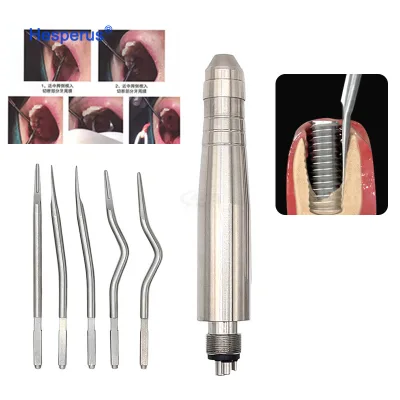
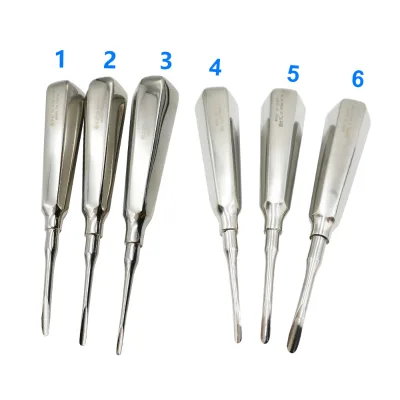
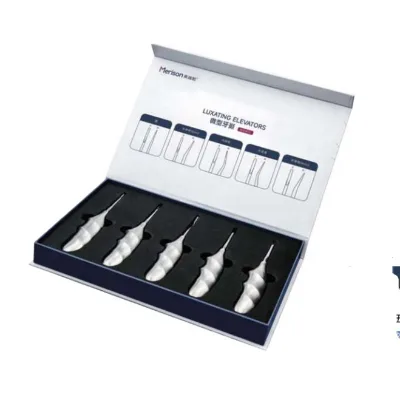
Comprehensive Sourcing Guide
Strategic Sourcing Guide for Class II Dental Elevators
Understanding the Instrument Classification and Market Reality
When initiating a procurement strategy for dental elevators, the first critical step is reconciling the product classification with the available market data. The core keyword "Class II Dental Elevator" refers to a specific category of medical devices that typically carry a higher risk profile than Class I instruments, often requiring more rigorous regulatory oversight regarding sterility and clinical safety. However, an analysis of the current supply landscape reveals a complex mix of product attributes. While the market data explicitly lists several items classified as "Class I" under the "Instrument classification" attribute, it also features products described as "Dental surgical luxating elevators kit" and "Dental teeth root laxating elevator" which are functionally identical to the Class II devices buyers often seek.
Buyers must exercise extreme caution when equating the keyword "Class II" with the specific listings found in the current inventory. The observed data includes products with "Class I" designations alongside those with "CE, ISO13485, ISO9001, USA Registration" certifications. This discrepancy suggests that the market supply is heterogeneous. A Class II device, by definition, generally requires a 510(k) clearance in the United States or a Notified Body assessment in the European Union, whereas Class I devices often rely on self-declaration or basic registration. The presence of "USA Registration" in the provided facts indicates that some suppliers are targeting the US market, but the explicit "Class I" label on other items means a buyer cannot assume every listed elevator meets Class II regulatory requirements without direct verification. The procurement strategy must therefore begin with a strict audit of the specific lot's regulatory status rather than relying on the general product title.
Technical Specifications and Material Integrity
The performance and longevity of a dental elevator are inextricably linked to its material composition and mechanical design. The supplied product facts highlight "Stainless steel" and "Stainless Steel 420J2" as the primary materials. Stainless Steel 420J2 is a martensitic stainless steel known for its ability to be hardened, which is essential for the sharpness and edge retention required in surgical elevators. However, the data also lists "Metal" and "plastic / stainless steel handle" as attributes. This variation indicates that while the working tip (the part that engages the tooth) is likely high-grade steel, the handle construction varies significantly between suppliers.
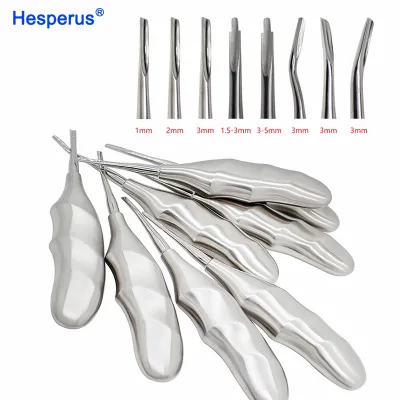
For a Class II device, the material integrity of the tip is paramount. The observed specifications mention "Tips: straight, curved, 2mm-5mm," which defines the geometric variety available. Buyers must verify that the specific model number, such as "710-20XB" or "050-5280," corresponds to the exact tip geometry required for their surgical procedures. The "Power Source" is consistently listed as "Manual," confirming these are hand-operated instruments. The "Single gross weight" varies from 0.150 kg to 0.600 kg, suggesting differences in the density of the steel or the size of the instrument. A heavier instrument might offer better torque for difficult extractions, while a lighter one may reduce surgeon fatigue.
Furthermore, the "Cycle time" attribute notes "multiple times use dental implant equipment," which implies reusability. This is a critical distinction from single-use disposables. The buyer must ensure that the "Stainless Steel 420J2" used is capable of withstanding repeated sterilization cycles without degrading. The "Shelf Life" is listed as both "2 Years" and "3 Years" across different listings, indicating that packaging and storage conditions significantly impact the usable life of the instrument. The "Single package size" also varies, ranging from "12X5X5 cm" to "20X5X5 cm," which affects logistics and storage density in the operating theater.
Compliance, Certification, and Regulatory Verification
Navigating the regulatory landscape is the most critical compliance hurdle for sourcing dental elevators. The provided facts present a mosaic of certifications, including "EN 149 -2001+A1-2009," "GB15979-2002," "CE," "ISO13485," "ISO9001," and "USA Registration." It is vital to understand that "EN 149" is a standard for respiratory protective equipment, not surgical instruments. Its presence in the data suggests a potential data entry error or a misclassification in the supplier's listing. Buyers should not accept this as a valid safety standard for a dental elevator and must request the correct standard, likely ISO 13485 for the quality management system and specific ISO standards for surgical instruments (such as ISO 7153 for surgical hand instruments).
The "Quality Certification" field lists "Sgs," "CE," and "ISO13485." While "CE" and "ISO13485" are highly relevant for the European and global markets, the "USA Registration" is a specific requirement for the US market. However, the "Class I" classification observed in the data conflicts with the typical requirements for a Class II device in the US, which usually demands a 510(k) clearance. A buyer seeking a Class II device must explicitly ask the supplier to provide the 510(k) number or the specific FDA registration number for the device, rather than accepting a generic "USA Registration" claim. The "GB15979-2002" standard is a Chinese national standard for hygiene requirements for medical devices, which is relevant for domestic Chinese manufacturing but may not be sufficient for export to the US or EU without additional international certifications.
The "Safety standard" field also lists "EN 149 -2001+A1-2009," which, as noted, is for masks. This reinforces the need for rigorous document verification. A compliant Class II Dental Elevator should be backed by a valid ISO 13485 certificate for the manufacturing facility and a specific device registration or clearance from the relevant authority (FDA, EU Notified Body). The "Certificate" attribute lists "CE, ISO13485, ISO9001, USA Registration," which is a strong combination, but the buyer must verify that these certificates are current and specifically cover the model number being purchased.
Cost Drivers and Economic Considerations
The pricing for dental elevators in the observed market ranges from $1.95 to $1462.65 USD. This massive disparity is not indicative of a single product type but rather reflects the difference between individual instruments, kits, and complete surgical sets. The lower end of the spectrum likely represents single units or basic kits, while the higher end may include specialized sets with multiple tips, sterilization trays, and premium packaging. The "MOQ" (Minimum Order Quantity) ranges from 1 to 20, with a specific "Mini Order" of 5 pcs noted in some listings. This flexibility allows buyers to test the market with small orders before committing to larger volumes.
Several factors drive the cost. The "Material" is a primary driver; "Stainless Steel 420J2" is more expensive than generic "Metal" or lower-grade steel. The "Brand Name" also influences price, with "Tiantian Dental," "Kangqiao," and "SDT" representing different tiers of brand equity. OEM and ODM options ("Tiantian/OEM/ODM") suggest that buyers can customize the branding, which may incur additional tooling or setup costs. The "Packaging Details" vary from simple "1 pcs per Box" to "9pcs/kit, with sterilizing tray." The inclusion of a sterilizing tray and specialized packaging (e.g., "English/Neutral/OEM package") adds to the unit cost but is essential for maintaining sterility and compliance.
The "Supply Ability" of "5000 pieces per Month" indicates that the supply chain can handle moderate to large orders, but buyers should verify if this capacity is consistent across all model numbers. The "Single gross weight" and "Single package size" directly impact shipping costs. Heavier items or larger packages (e.g., 20X5X5 cm vs. 12X5X5 cm) will incur higher freight charges, which can significantly affect the total landed cost, especially for international buyers. The "After-sale Service" options, such as "Return and Replacement" or "Online Technical Support," also factor into the overall value proposition, potentially justifying a higher unit price.
Typical Applications and Clinical Utility
The primary application for these instruments is "dental teeth root laxating elevator" and "Oral Therapy Equipments & Accessories." The "Tips" available in straight and curved configurations, with sizes ranging from 2mm to 5mm, allow for versatile use in various extraction scenarios. The "straight" tips are typically used for simple extractions where direct access is possible, while "curved" tips are designed for accessing posterior teeth or roots that are difficult to reach. The "Model Number" variations, such as "710-20XB" and "050-5280," likely correspond to specific tip geometries and sizes, enabling surgeons to select the precise instrument for the anatomical challenge at hand.
The "Usage" is explicitly defined as "dental teeth root laxating elevator," confirming their role in loosening teeth from the periodontal ligament before extraction. The "Type" is categorized as "dental equipment surgical instruments USA," suggesting a broad applicability in general dentistry and oral surgery. The "Market" data lists "Asian Europe, USA, Australia dental product," indicating that these instruments are designed to meet the clinical needs of diverse global markets. The "Cycle time" of "multiple times use" confirms that these are durable, reusable instruments intended for high-volume clinical settings.
Buyers should consider the specific surgical procedures they perform. For complex extractions, a kit containing multiple tip variations (straight, curved, various sizes) is more efficient than purchasing individual instruments. The "Package" option of "9pcs/kit, with sterilizing tray" is particularly relevant for clinics that perform a high volume of extractions, as it ensures the surgeon has the necessary variety on hand without needing to manage individual instrument sterilization for each procedure. The "Shelf Life" of 2 to 3 years ensures that the instruments remain viable for extended periods, provided they are stored correctly.
Supplier Evaluation and Quality Control Protocols
Evaluating suppliers for Class II dental elevators requires a multi-faceted approach. The "Place of Origin" is listed as "Hunan, China," "Henan, China," and generally "China dental equipment manufacturers." While China is a major hub for medical device manufacturing, the specific province can sometimes correlate with different manufacturing capabilities. The "Brand Name" includes "Tiantian Dental," "Kangqiao," and "SDT," but the data also shows "OEM" and "ODM" options, meaning the same factory might produce under different brand names. This necessitates a deep dive into the actual manufacturing facility rather than just the brand name.
Quality control should focus on the "Quality Certification" and "Certificate" details. Buyers must verify that the "ISO 13485" certification is valid and covers the specific manufacturing site. The "Sgs" certification is a third-party inspection, which adds a layer of credibility but should be cross-referenced with the manufacturer's internal quality control processes. The "After-sale Service" of "Return and Replacement" is a strong indicator of supplier confidence, but the terms of this service must be clearly defined in the contract. The "Online Technical Support" is another valuable attribute, ensuring that buyers can resolve issues quickly.
The "Packaging Details" are also a proxy for quality. A supplier that offers "Standard exporting case" and "special requirements based on clients" demonstrates a commitment to protecting the product during transit. The "Single gross weight" and "Single package size" should be verified to ensure that the packaging is robust enough to prevent damage. The "Model Number" consistency is crucial; buyers should ensure that the model number on the invoice matches the model number on the product and the certification documents.
Long-Term Procurement and Lifecycle Management
Sourcing dental elevators is not a one-time transaction but a long-term relationship that impacts clinical outcomes and operational efficiency. The "Warranty" of "1 Year" is a standard baseline, but buyers should negotiate for extended warranties or guarantees against manufacturing defects. The "Shelf Life" of 2 to 3 years requires careful inventory management to prevent expiration. Buyers should implement a "First-In, First-Out" (FIFO) system to ensure that older stock is used before newer stock.
The "Supply Ability" of 5000 pieces per month suggests that the supplier can handle growth, but buyers should establish a safety stock to mitigate potential supply chain disruptions. The "MOQ" of 1 to 20 allows for flexibility, but buyers should aim to consolidate orders to reduce shipping costs and administrative overhead. The "After-sale Service" of "Return and Replacement" should be leveraged to handle any defective units, but the process for initiating a return must be clear and efficient.
Finally, the "Brand" and "OEM" options allow for customization. Buyers who wish to build a private label should consider the long-term costs of branding and marketing. The "Type" of "dental equipment surgical instruments USA" indicates a global market, but buyers should ensure that their procurement strategy aligns with the specific regulatory requirements of their target market. By focusing on material integrity, regulatory compliance, and supplier reliability, buyers can secure a steady supply of high-quality dental elevators that meet the demanding needs of modern oral surgery.
FAQs
What certifications do class ii dental elevators typically have?
Many listed elevators carry CE, ISO13485, and ISO9001 certifications. Some listings also mention USA Registration, though buyers must verify specific 510(k) clearance for Class II status rather than relying on generic registration claims.
Which materials are used for Class II Dental Elevator tips?
The primary material is Stainless Steel 420J2, known for hardness and edge retention. Some listings also specify generic stainless steel or metal, while handles may be plastic or stainless steel depending on the model.
How many times can class ii dental elevators be reused?
These instruments are designed for multiple uses as reusable dental implant equipment. The shelf life is typically listed as 2 to 3 years, provided they are stored correctly and undergo proper sterilization cycles.
What is the minimum order quantity for class ii dental elevators?
The minimum order quantity ranges from 1 to 20 pieces across different suppliers. Some specific listings note a mini order of 5 pieces, allowing buyers to test products before committing to larger volumes.
Where are Class II Dental Elevator manufacturers located?
Manufacturers are primarily located in Hunan and Henan, China. The product origin is consistently listed as China, with some suppliers identifying as Chinese dental equipment manufacturers serving global markets.
Can class ii dental elevators be customized with OEM branding?
Yes, many suppliers offer OEM and ODM branding options. Buyers can request English, neutral, or custom packaging, and the brand name can be set to the client's own label or a specific manufacturer name.