Source Class II Neonatal Aspirator for Hospital, Home, Clinic
Explore 30 options for Class II Neonatal Aspirator units suitable for hospital nurseries, home care, and clinical settings. Compare electric and manual models with varying suction power, battery capacity, and customization features to find the right fit for your procurement needs.
Key considerations
Products List


Upgraded Baby Nose Vacuum Cleaner Electric Free Silicon Nasal Aspirator Newborn
$7.10 - $7.60
MOQ: 500 Pieces


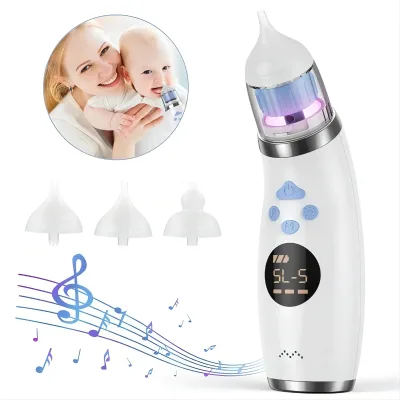

Hot Sale Neonatal Press Anti-Reflux Aasal Aspirator Nose Cleaner Baby Nasal Nspirator
$1.23 - $1.29
MOQ: 775 Pieces

Top Baby Nose Vacuum Cleaner Electric BPA Free Silicon Nasal Aspirator for Newborn
$5.60 - $6.10
MOQ: 1000 Pieces


Comprehensive Sourcing Guide
Class II Neonatal Aspirator Sourcing Guide
Procuring medical-grade suction devices for neonatal care requires strict adherence to safety protocols and precise technical specifications. Buyers must distinguish between manual vacuum units and electric models, ensuring the selected device meets the specific clinical needs of newborns. The market offers various configurations, including pump-based systems and manual aspirators, each with distinct operational characteristics. Understanding these differences is critical for selecting equipment that provides reliable performance in sensitive medical environments.
The sourcing process involves evaluating multiple product attributes, from material composition to power sources. Electric aspirators often feature USB charging capabilities and specific battery capacities, while manual options may rely on cotton-based materials for filtration. Buyers should verify customization options, such as logo printing and color variations, to align with institutional branding. Additionally, packaging standards and origin locations, such as Shenzhen or Guangdong, influence logistics and supply chain reliability.
Product Scope and Observed Listing Signals
The current market landscape for neonatal aspirators includes a diverse range of products, with observed listings indicating a price range from $0.12 to $90 USD. This wide variance suggests differences in complexity, material quality, and included accessories. Minimum order quantities (MOQs) typically range from 1 to 2000 units, allowing for both small-scale trials and large institutional deployments. Buyers should analyze these signals to determine the appropriate volume for their procurement strategy, balancing cost efficiency with inventory management needs.
Product attributes observed in listings highlight key features such as recyclable materials, non-disposable construction, and specific color options like green, yellow, pink, and white. Some models are designed for home use and newborn nose cleaning, emphasizing user-friendly interfaces and compact sizes. Others are marketed as factory medical manual vacuum aspirators, focusing on durability and clinical reliability. These signals help buyers categorize products based on their intended application, whether for domestic care or professional medical settings.
Technical Specifications to Verify
Technical verification begins with confirming the control mode and power type of the aspirator. Electric models often utilize USB charging and feature battery capacities around 380mAh, ensuring portability and consistent performance. Buyers must verify the maximum suction pressure, with some units offering up to 65kpa, which is crucial for effective and safe nasal cleansing. Additionally, the size and dimensions of the device, such as small form factors or specific standard measurements, should be checked to ensure compatibility with neonatal care protocols and storage requirements.
Material composition and cup capacity are also critical technical specifications. ABS plastic is commonly used for durability and ease of cleaning, while cotton materials may be employed in manual aspirators for filtration. Cup capacities, such as 30ml, determine the volume of fluid the device can handle before emptying. Buyers should also assess the design features, including whether the device is folded or unfolded, and its gender neutrality, ensuring it meets universal usability standards in clinical environments.
Compliance and Safety Documentation
Compliance with international standards is non-negotiable for neonatal medical devices. Buyers must verify that products hold relevant certifications, such as CE and RoHS, which indicate adherence to European health, safety, and environmental protection standards. Some listings mention additional certifications like FDA and ISO, which are essential for market access in various regions. Ensuring that the supplier can provide valid certification documents is a critical step in mitigating regulatory risks and ensuring product legality.
Safety features, such as waterproof design and low allergenic properties, are vital for devices used in close contact with infants. Buyers should request detailed documentation on material safety, including proof of non-toxic ABS plastic and hypoallergenic cotton components. Additionally, verifying the quality assurance processes, such as high-quality manufacturing standards and rigorous testing protocols, helps ensure that each unit meets the stringent requirements for neonatal care. This documentation protects both the buyer and the end-user from potential health risks.
Cost Drivers and Commercial Terms
Cost drivers for neonatal aspirators include material quality, certification status, and customization options. Electric models with USB charging and specific battery capacities may command higher prices due to their complexity and convenience. Customization, such as logo printing and color variations, can also impact the unit cost. Buyers should analyze the total cost of ownership, considering not just the purchase price but also maintenance, replacement parts, and potential downtime associated with the device.
Commercial terms, including MOQs and packaging standards, significantly influence procurement strategy. MOQs ranging from 1 to 2000 units allow for flexibility, but larger orders may offer better unit pricing. Packaging, whether in boxes or cartons, affects shipping costs and storage efficiency. Buyers should negotiate clear terms regarding lead times, payment methods, and warranty coverage to ensure a smooth transaction. Understanding these commercial dynamics helps in optimizing budget allocation and supply chain efficiency.
Supplier Qualification and Quality Control
Supplier qualification involves assessing the manufacturer’s reputation, production capabilities, and quality control systems. Buyers should verify the supplier’s origin, such as Shenzhen or Guangdong, and their experience in producing medical devices. Requesting samples for testing is a crucial step to evaluate the device’s performance, durability, and ease of use. Additionally, checking the supplier’s ability to provide consistent quality across batches ensures that the procurement meets institutional standards.
Quality control measures, such as rigorous testing for suction pressure and material safety, are essential for reliable performance. Buyers should inquire about the supplier’s quality assurance processes, including inspections and certifications. Verifying the supplier’s ability to handle customization requests, such as logo printing and specific design requirements, is also important. Establishing a strong relationship with a qualified supplier ensures long-term reliability and support for the procurement of neonatal aspirators.
Long-Term Procurement Checks
Long-term procurement checks involve monitoring supplier performance, product reliability, and market trends. Buyers should establish key performance indicators (KPIs) to evaluate the supplier’s delivery times, product quality, and customer support. Regular audits and feedback loops help identify potential issues early and ensure continuous improvement. Additionally, staying informed about market trends and technological advancements in neonatal care allows buyers to make informed decisions about future procurement needs.
Maintaining a diverse supplier base can mitigate risks associated with supply chain disruptions. Buyers should periodically review their supplier portfolio to ensure they have access to reliable alternatives. Additionally, tracking changes in regulatory requirements and certification standards helps ensure ongoing compliance. By implementing robust long-term procurement checks, buyers can secure a steady supply of high-quality neonatal aspirators, supporting the health and safety of newborns in their care.
FAQs
What power type do these electric nasal aspirators use?
These electric nasal aspirators use USB charge power type for convenient operation. This design allows users to easily recharge the device using standard USB cables. It ensures the aspirator remains ready for use in home settings or during travel without requiring disposable batteries. The USB charging capability supports the non-disposable nature of the product, making it a sustainable choice for daily newborn baby nose cleaning tasks.
Can I customize the logo and color of the aspirator?
Yes, customization is available for both logo and color options. Buyers can accept customized logos to brand the product for their specific market needs. The color palette includes green, yellow, pink, and white, with the option for welcome customized colors. This flexibility allows businesses to tailor the appearance of the baby electric nasal aspirator to match their brand identity or target audience preferences effectively.
What certifications do the medical manual vacuum aspirators hold?
The medical manual vacuum aspirators hold CE, FDA, and ISO certifications. These credentials ensure the product meets rigorous safety and quality standards for medical use. The certifications provide assurance for buyers regarding the reliability and compliance of the cotton-based materials used. This makes the aspirator suitable for professional medical environments and home use, ensuring safe and effective nose cleansing for newborns and babies.
What is the maximum suction power of the aspirator?
The maximum suction power of the aspirator is 65kpa. This level of suction is designed to effectively clean newborn baby noses without causing discomfort. The powerful yet gentle suction ensures efficient removal of nasal mucus. This specification is critical for parents and caregivers seeking a reliable tool for baby nose cleaning, ensuring the device performs well in home use scenarios while maintaining safety for delicate nasal passages.
What is the battery capacity of the USB charge aspirator?
The battery capacity of the USB charge aspirator is 380mAh. This capacity supports the electric operation of the nasal aspirator for extended periods. It ensures the device can handle multiple nose cleansing sessions before needing a recharge. The 380mAh battery is integrated into the small-sized ABS plastic body, providing a portable and efficient solution for home use and travel with newborn babies.
Which materials are used in the construction of the aspirator?
The aspirator is constructed using ABS plastic and cotton materials. The ABS plastic provides a durable and lightweight body for the electric and manual models. The cotton materials are used in components that require softness and low allergenic properties. This combination ensures the product is recyclable, high quality, and safe for direct contact with newborns, supporting effective and gentle nose cleaning in home environments.