Source Colored Contact Lenses for Vision Correction, Beauty, and Treatment
Compare 30 listings of Colored Contact Lenses featuring soft HEMA materials, ISO certifications, and customizable options. Buyers can review specifications like base curves, water content, and wholesale MOQs to find suitable suppliers for vision correction, beauty enhancement, or treatment needs.
Key considerations
Products List


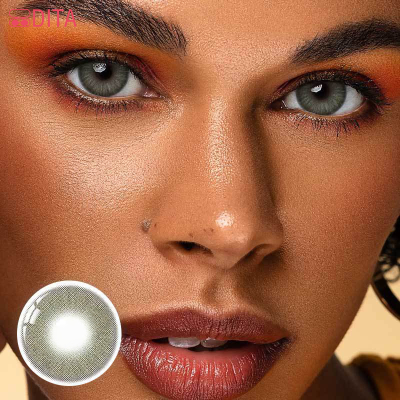
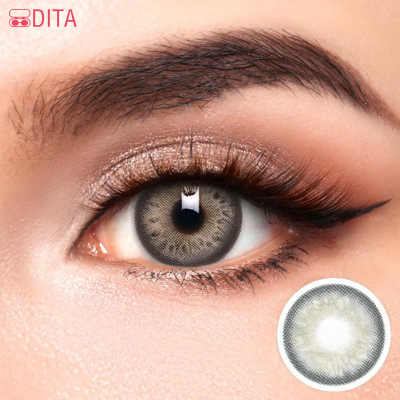
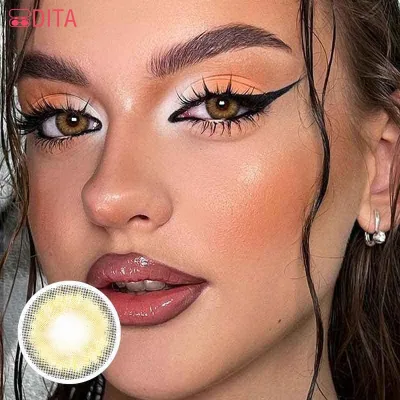
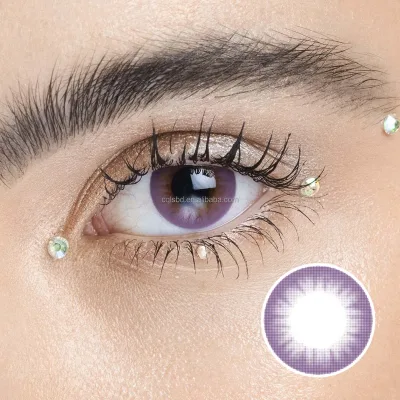
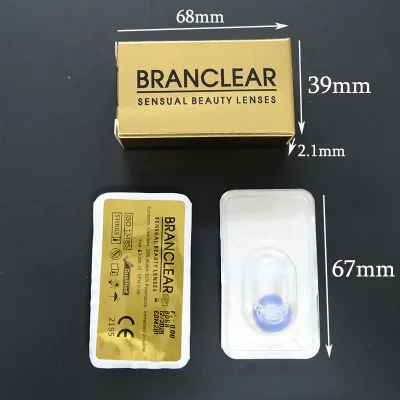
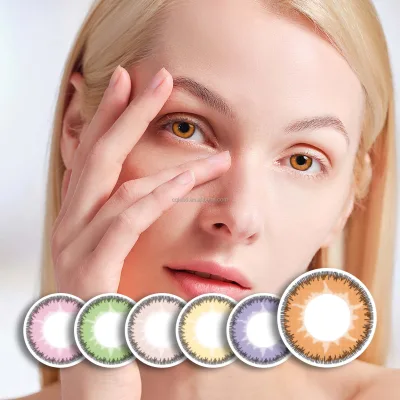
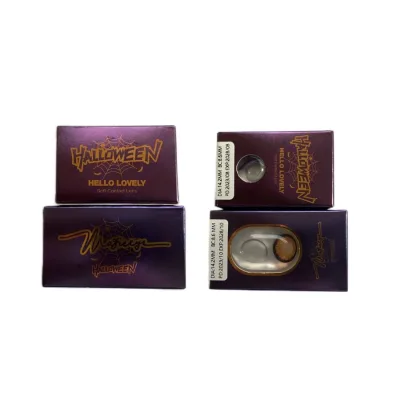
Color Contact Lenses 2PCS Colored Contacts for Eyes Brown Colorful Eyes Lenses
$0.60 - $0.86
MOQ: 1500 Pair


Used for Colored Contact Lenses for Brown, Blue, Green, and Powerful Eyes
$0.60 - $0.86
MOQ: 1500 Pair
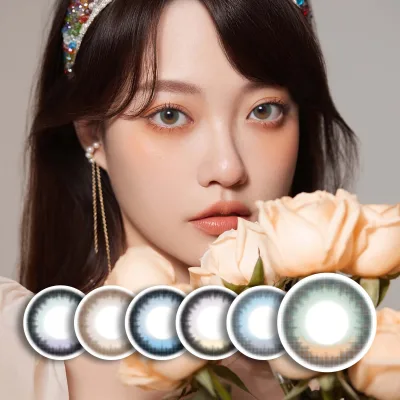

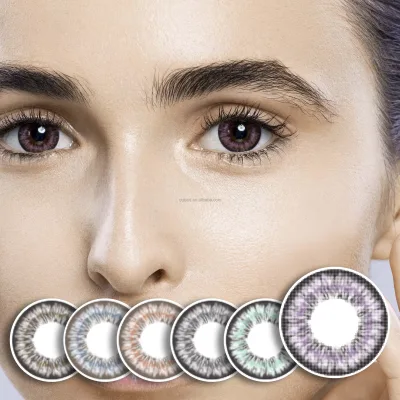
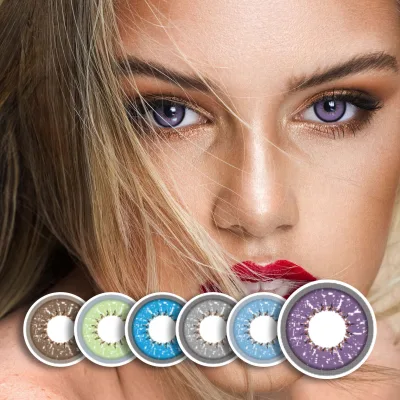
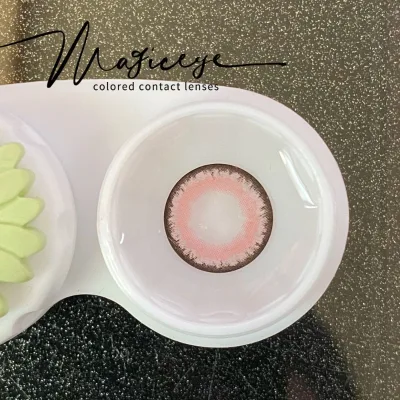
Comprehensive Sourcing Guide
Strategic Sourcing Guide for Colored Contact Lenses
The global market for Colored Contact Lenses has evolved from a niche cosmetic accessory into a significant segment of the ophthalmic supply chain, driven by demand for vision correction combined with aesthetic enhancement. For B2B procurement professionals, sourcing these products requires a rigorous understanding of material science, regulatory compliance, and supply chain logistics. Unlike standard clear lenses, colored variants introduce complex manufacturing variables regarding pigment embedding and oxygen permeability. This guide outlines the critical factors buyers must evaluate to ensure product safety, regulatory adherence, and commercial viability when sourcing Colored Contact Lenses from international suppliers.
Technical Specifications and Material Composition
The foundational aspect of any colored contact lens procurement is the verification of material composition and physical specifications. The supplied data indicates that the primary material used in these products is Hema (Hydroxyethyl Methacrylate) or Hema-Nvp blends. These materials are classified as soft lenses, which is the industry standard for comfort and oxygen transmission. Buyers must verify that the supplier explicitly states the material composition, as the ratio of Hema to Nvp (N-vinyl pyrrolidone) can significantly influence water content and lens flexibility.
Water content is a critical technical parameter that dictates lens comfort and oxygen permeability. Observed ranges in the market indicate water content levels can vary from below 40% to between 40% and 60%. Lower water content lenses, often associated with the <40% range, tend to be more durable and less prone to dehydration in dry environments, while higher water content lenses may offer greater initial comfort but require more rigorous care. Procurement teams should request specific water content data for each model, as this directly impacts the user experience and the suitability of the lens for different climates and wearing schedules.
Physical dimensions are equally vital. The base curve, which determines how the lens fits the curvature of the eye, is observed in the market to range from 8.4mm to 8.7mm. A mismatch in base curve can lead to lens dislodgement or corneal abrasion. Furthermore, the diameter is a standard specification, with observed values such as 14.0mm being common. Buyers must ensure that the supplier provides a comprehensive specification sheet detailing the diameter and base curve for every model, as these dimensions vary by manufacturer and are not universal. The lens hardness is consistently noted as "Soft," which aligns with the material composition, but the specific modulus of elasticity should be verified to ensure the lens maintains its shape during insertion and removal.
Compliance, Certification, and Regulatory Standards
Navigating the regulatory landscape is perhaps the most critical step in sourcing medical devices like contact lenses. The supplied facts highlight that suppliers often hold ISO and CE certifications, with specific references to ISO13485 and CE 0197. ISO13485 is the international standard for quality management systems specific to medical devices, ensuring that the manufacturer maintains consistent quality control processes. CE marking indicates conformity with health, safety, and environmental protection standards for products sold within the European Economic Area.
However, buyers must exercise caution and not assume that a generic "CE" mention implies full compliance. The specific certification number, such as CE 0197, should be verified against the official European Union database to confirm the validity and scope of the certification. Additionally, the product standard "Hema" is mentioned, which likely refers to the material standard, but buyers should also inquire about biocompatibility testing standards such as ISO 10993, which assesses the cytotoxicity and sensitization potential of the lens materials.
The origin of the product is another compliance factor. The data indicates origins in Hunan and China. While these are major manufacturing hubs, buyers must ensure that the specific factory location is registered and audited by the relevant regulatory bodies. Documentation should include the Certificate of Analysis (CoA) for each batch, confirming that the product meets the declared standards. Relying solely on the presence of a certification logo without verifying the specific certificate number and the scope of the audit can expose the buyer to significant liability and product recalls.
Cost Drivers and Pricing Dynamics
Understanding the cost structure of Colored Contact Lenses is essential for budgeting and margin analysis. The observed price range in the market spans from $0.24 to $4.61 per unit. This wide variance suggests that pricing is heavily influenced by factors such as lens design complexity, brand positioning, and the specific customization level required. The "Three Tone" color design, which is a common feature in the observed data, likely commands a higher price point than single-tone lenses due to the additional manufacturing steps required to create depth and realism.
Minimum Order Quantity (MOQ) is a significant cost driver. The observed MOQ ranges from 1 pair to 1,500 pairs, with specific instances of 10, 12, and 20 pairs noted. Suppliers offering lower MOQs may charge a premium per unit to cover setup and handling costs, while bulk orders typically benefit from economies of scale. Buyers should calculate the total landed cost, including shipping, duties, and insurance, rather than focusing solely on the unit price. The "Mixed-Color Wholesale" method mentioned in the data suggests that suppliers may offer bundles of different colors, which can help optimize inventory diversity without increasing the MOQ for each specific color.
Packaging also impacts cost. The data lists "PP Blister," "Box," and "PP" as common packaging types. Blister packs are standard for individual units, while boxes may be used for bulk distribution. The choice of packaging affects the unit price and the protection of the lens during transit. Buyers should negotiate packaging specifications to ensure they meet their retail requirements while minimizing unnecessary costs.
Typical Applications and Product Lifecycle
Colored Contact Lenses serve multiple functions, ranging from pure aesthetics to medical vision correction and treatment. The observed product functions include "Vision Correction," "Beauty," and "Treatment." This versatility allows buyers to target diverse market segments, from fashion-conscious consumers to patients requiring therapeutic lenses. The "Three Tone" and "Color Type" classifications indicate a focus on aesthetic enhancement, where the primary value proposition is the ability to change eye color naturally or dramatically.
The abandonment rate and usage cycle are critical for determining the product's market fit. The data shows a mix of "Year Disposable," "Monthly Disposable," and "Long-termed" usage cycles. Monthly disposable lenses are the most common for colored contacts, balancing cost and convenience. However, the presence of "Year Disposable" and "Long-termed" options suggests a niche market for extended wear, which requires stricter hygiene protocols and potentially higher safety certifications. Buyers must align their product selection with the intended usage cycle, as the manufacturing standards for long-term wear lenses differ significantly from monthly disposables.
The expiry date is another key factor in the product lifecycle. An observed expiry date of 5 years indicates a long shelf life, which is beneficial for inventory management. However, buyers must ensure that the storage conditions recommended by the supplier are maintained throughout the supply chain to prevent degradation of the lens material or the preservation solution.
Supplier Evaluation and Quality Control
Evaluating suppliers for Colored Contact Lenses requires a multi-faceted approach. The ability to provide customization is a significant advantage, as indicated by the "Available" status in the data. This includes options for sample making, mold making, and custom color designs. Buyers should assess the supplier's R&D capabilities and their willingness to collaborate on custom specifications. The "Provide Mould" attribute suggests that the supplier has the infrastructure to create custom molds, which is essential for unique product development.
Quality control processes must be robust. The "ISO13485 & CE 0197" certifications are strong indicators of a quality management system, but buyers should also request audit reports and quality control protocols. Specific attention should be paid to the inspection of the "Three Tone" color application to ensure consistency and the absence of pigment flaking. The "PP Blister" and "Box" packaging should be inspected for integrity to prevent contamination.
The supplier's location, specifically Hunan and China, should be verified for logistical efficiency. While these regions offer competitive manufacturing costs, buyers must assess the lead times and shipping reliability. The "Wholesale Method" of mixed-color options can streamline the ordering process, but buyers should ensure that the supplier can maintain consistent quality across different color variations.
Long-Term Procurement Considerations
Sourcing Colored Contact Lenses is not a one-time transaction but a long-term partnership. Buyers should consider the scalability of the supplier's production capacity. The observed MOQ range of 1 to 1,500 pairs indicates flexibility, but the ability to scale up production during peak demand periods is crucial. The "5 years" expiry date allows for strategic inventory planning, but buyers must monitor the market for changes in regulations or material standards that could affect the product's viability.
Sustainability is an emerging consideration in the industry. While the data does not explicitly mention eco-friendly materials, buyers should inquire about the environmental impact of the packaging and the disposal of the lenses. The "Soft" material and "Hema" composition are standard, but the end-of-life management of these products is increasingly important for brand reputation.
Finally, buyers should maintain a dynamic relationship with suppliers to stay informed about new technologies and design trends. The "Three Tone" and "Natural" models observed suggest a trend towards realistic and multi-dimensional color effects. By staying engaged with suppliers, buyers can ensure their product offerings remain competitive and aligned with consumer preferences.
Conclusion
Sourcing Colored Contact Lenses requires a meticulous approach that balances technical specifications, regulatory compliance, and commercial strategy. By focusing on material composition, verifying certifications like ISO13485, and understanding the nuances of pricing and MOQ, buyers can mitigate risks and build a robust supply chain. The diversity in product functions, from vision correction to beauty, offers significant market opportunities, but success depends on rigorous quality control and a deep understanding of the supplier's capabilities. As the market continues to evolve, maintaining a proactive and evidence-based procurement strategy will be essential for long-term success.
FAQs
What materials are used for Colored Contact Lenses?
The primary materials used are Hema or Hema-Nvp blends, classified as soft lenses. These materials ensure comfort and oxygen transmission, with water content varying from below 40% to between 40% and 60% depending on the specific model.
Which certifications do these lenses typically hold?
Suppliers often hold ISO13485 and CE 0197 certifications for quality management and safety compliance. Buyers must verify specific certificate numbers against official databases to ensure the scope covers the specific product models being sourced.
How does the base curve affect lens fit?
The base curve determines how the lens fits the curvature of the eye, with observed ranges from 8.4mm to 8.7mm. A mismatch in this dimension can lead to lens dislodgement or corneal abrasion, making precise verification essential.
Can suppliers offer customization for these lenses?
Yes, customization is available, including sample making and mold making services. Buyers can request specific designs or specifications, but they should assess the supplier's R&D capabilities to ensure they can meet unique product development needs.
What is the typical price range for these lenses?
The observed price range spans from $0.24 to $4.61 per unit. This variance is influenced by lens design complexity, such as the three-tone color design, and the specific customization level required by the buyer.
What are the minimum order quantity requirements?
MOQs range from 1 pair to 1,500 pairs, with specific instances of 10, 12, and 20 pairs noted. Lower MOQs may carry a premium per unit, while bulk orders benefit from economies of scale in pricing.
How long do these lenses remain usable after opening?
Usage cycles vary, including monthly disposable, year disposable, and long-termed options. Monthly disposables are common for balancing cost and convenience, while extended wear options require stricter hygiene protocols and higher safety certifications.