Source Cosmetic Grade Lemon Grass Oil for Skincare, Aromatherapy, and Hair Care
Find 30 listings for Cosmetic Grade Lemon Grass Oil from verified suppliers. Compare specifications including purity, packaging, and certifications to identify suitable sources for your formulation needs. Evaluate options based on origin, grade, and MOQ to streamline your procurement process effectively.
Key considerations
Products List


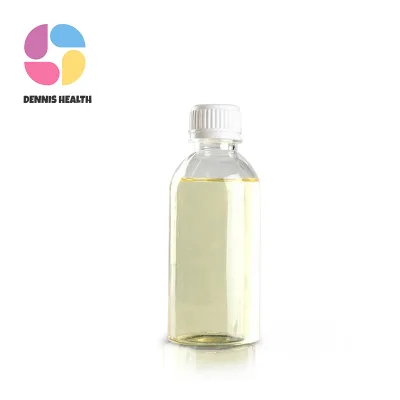
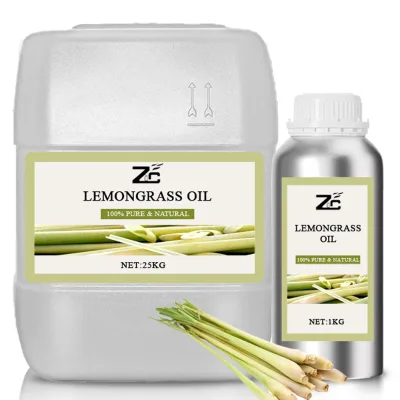
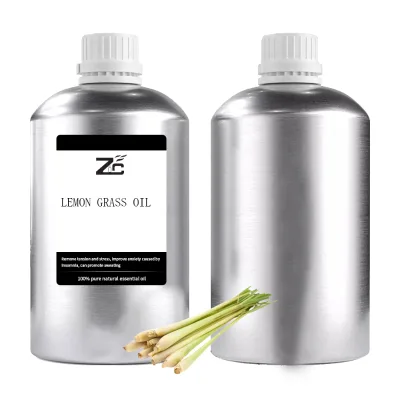
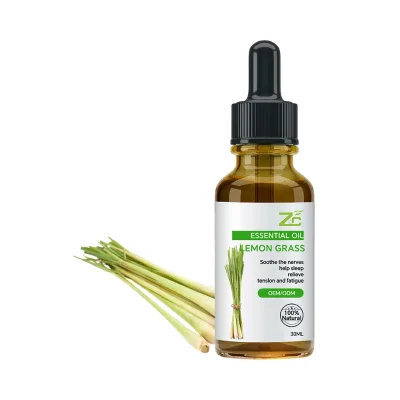


Beauty Cosmetics Natural Body Oil All Skin Types Lemongrass Body Tanning Oil
$2.00 - $3.50
MOQ: 100 Pieces


Comprehensive Sourcing Guide
Cosmetic Grade Lemon Grass Oil Sourcing Guide
Sourcing Cosmetic Grade Lemon Grass Oil requires a disciplined approach to verifying botanical authenticity and processing integrity. Buyers must distinguish between true Cymbopogon citratus extracts and synthetic blends that may mimic the aromatic profile without delivering the therapeutic or functional benefits expected in high-end formulations. The market offers various grades, ranging from pure essential oils to diluted preparations, making it essential to define the exact concentration and extraction method before engaging with suppliers. This guide provides a structured framework for evaluating listings, ensuring that procurement decisions are based on transparent, verifiable data rather than marketing claims.
Procurement teams should prioritize suppliers who provide clear documentation of the raw material source and the extraction technique. Cold-pressed and steam-distilled oils exhibit different chemical profiles, which directly impact their suitability for specific cosmetic applications such as hair care, oral care, or general skincare. By establishing strict criteria for purity and origin early in the sourcing process, buyers can filter out low-quality offerings and focus on vendors who demonstrate a commitment to quality control. This initial diligence reduces the risk of receiving inconsistent batches and ensures that the final product meets the stringent requirements of cosmetic manufacturing standards.
Product Scope and Observed Listing Signals
The current market landscape for lemon grass oil presents a wide array of product listings with varying specifications and price points. Observed data indicates a price range from one to twelve hundred US dollars, reflecting differences in purity, volume, and supplier positioning. Minimum order quantities (MOQs) typically span from one kilogram to one thousand kilograms, allowing flexibility for both small-scale experimental batches and large-scale industrial production. Buyers should note that these figures are observational and subject to change based on seasonal availability and global supply chain dynamics, necessitating real-time verification of current terms.
Listings often highlight specific attributes such as color, appearance, and storage requirements to aid in quick identification. Common descriptors include yellow liquid oil, pure essential oil grade, and food grade classifications, though the latter may not always align with cosmetic grade requirements. Some suppliers offer customized packaging options, including bottles, drums, or bags, which can influence logistics and handling costs. It is crucial for buyers to cross-reference these observed signals with their internal quality standards, ensuring that the listed attributes match the technical specifications required for their specific cosmetic formulations.
Technical Specifications to Verify
Technical verification begins with confirming the botanical identity and the specific part of the plant used in extraction. Authentic lemon grass oil is typically derived from the leaves of Cymbopogon citratus, and buyers must ensure that suppliers explicitly state this origin. The extraction method, whether cold-pressed or steam-distilled, significantly affects the chemical composition and aroma profile. Procurement teams should request detailed gas chromatography-mass spectrometry (GC-MS) reports to verify the presence of key constituents such as citral and geraniol, ensuring that the oil meets the desired potency and purity levels for cosmetic use.
Packaging and storage conditions are critical factors that influence the shelf life and stability of the final product. Listings often specify storage in cool, dry places to prevent degradation, with shelf lives ranging from two years to twenty-four months. Buyers should verify the packaging material, such as glass bottles or metal drums, to ensure compatibility with the oil’s chemical properties and to prevent contamination. Additionally, understanding the single package size and gross weight is essential for calculating freight costs and warehouse storage requirements, ensuring that the logistical plan aligns with the supplier’s standard packing configurations.
Compliance and Safety Documentation
Compliance with international safety and quality standards is non-negotiable for cosmetic raw materials. Buyers must request relevant certifications, such as MSDS, GMP, FDA, and CE, to ensure that the supplier adheres to recognized regulatory frameworks. These documents provide critical information on handling, storage, and potential hazards, enabling procurement teams to integrate the oil safely into their manufacturing processes. It is important to verify that the certifications are current and issued by accredited bodies, as outdated or invalid documentation can pose significant legal and reputational risks.
In addition to certifications, buyers should assess the supplier’s ability to provide product-specific safety data sheets and ingredient declarations. These documents must align with the intended use of the oil in cosmetics, including hair care, oral care, or general skincare applications. Suppliers should also disclose any allergens or irritants present in the oil, allowing formulators to adjust concentrations accordingly. By maintaining a rigorous documentation review process, buyers can mitigate compliance risks and ensure that their final products meet the stringent safety requirements of target markets.
Cost Drivers and Commercial Terms
Several factors influence the total cost of ownership for Cosmetic Grade Lemon Grass Oil, including raw material quality, extraction method, and order volume. Higher purity grades, such as pure essential oil grade A, typically command premium prices due to the intensive processing required to achieve them. Buyers should also consider the impact of customization options, such as private labeling or specialized packaging, which may incur additional fees. Understanding these cost drivers allows procurement teams to negotiate more effectively and align their budget with the desired quality level.
Commercial terms, including payment methods, lead times, and shipping arrangements, play a significant role in the overall procurement strategy. Suppliers may offer sample support to allow buyers to test the product before committing to larger orders, which can reduce the risk of mismatched expectations. Transportation methods, such as ordinary goods trucks, should be evaluated for their suitability in maintaining product integrity during transit. By carefully reviewing these commercial terms, buyers can optimize their supply chain efficiency and minimize unexpected costs associated with delays or handling issues.
Supplier Qualification and Quality Control
Supplier qualification involves a thorough assessment of the vendor’s production capabilities, quality control systems, and track record. Buyers should verify the supplier’s place of origin, such as Shaanxi, China, and inquire about their cultivation methods, whether artificial planting or wild harvesting. These factors can impact the consistency and quality of the raw material. Additionally, suppliers should demonstrate a robust quality control process, including regular testing for purity, microbial contamination, and heavy metals, ensuring that each batch meets the specified standards.
Establishing a strong relationship with a reliable supplier requires clear communication and mutual expectations regarding quality and delivery. Buyers should request references or case studies from other cosmetic manufacturers to gauge the supplier’s reliability and product consistency. Regular audits or third-party inspections can provide additional assurance of the supplier’s compliance with quality standards. By investing time in supplier qualification, buyers can build a resilient supply chain that supports their long-term growth and brand reputation in the competitive cosmetic industry.
Long-Term Procurement Checks
Long-term procurement success depends on continuous monitoring of market trends, regulatory changes, and supplier performance. Buyers should stay informed about shifts in raw material availability, which can affect pricing and supply stability. Regularly reviewing supplier performance metrics, such as on-time delivery rates and product quality consistency, helps identify potential issues before they impact production. By maintaining a proactive approach to supplier management, buyers can ensure a steady supply of high-quality lemon grass oil for their cosmetic formulations.
Additionally, buyers should periodically reassess their product specifications and market demands to ensure alignment with evolving consumer preferences. This may involve exploring new extraction methods or sourcing alternative botanicals to enhance product differentiation. Engaging in ongoing dialogue with suppliers about innovation and sustainability can also provide valuable insights into emerging trends and best practices. By committing to continuous improvement and strategic sourcing, buyers can maintain a competitive edge and deliver high-quality cosmetic products to their customers.
FAQs
What is the purity level of Cosmetic Grade Lemon Grass Oil?
The product offers 99% purity as a key quality indicator. This high concentration ensures effective performance in cosmetic applications. Buyers should verify specific batch details for exact compliance. The oil is derived from agricultural and sideline products. It meets strict grade requirements for professional use.
Can I request customized packaging for bulk orders?
Yes, customized packaging is available for this essential oil. Suppliers offer options ranging from bottles to drums. You can also request specific bag configurations based on your needs. This flexibility supports various distribution channels. Contact vendors directly to discuss your specific packaging requirements.
What certifications are required for this lemon grass oil?
The product holds MSDS, GMP, FDA, and CE certifications. These documents ensure safety and regulatory compliance for international trade. Buyers should request copies of these certificates during sourcing. The certifications cover manufacturing standards and material safety. This facilitates smoother customs clearance and market entry.
How should I store lemon grass essential oil?
Store the oil in a cool and dry place to maintain quality. The recommended storage conditions prevent degradation of the active ingredients. Keep the container tightly sealed when not in use. The shelf life is typically two years under proper conditions. Avoid exposure to direct sunlight or extreme temperatures.
What is the minimum order quantity for this oil?
The minimum order quantity varies by supplier and specification. Some listings start at 1kg, while others require 25kg. Buyers should check individual product pages for exact MOQs. Bulk orders often benefit from more competitive pricing. Confirm the MOQ with the supplier before finalizing the purchase.
Which extraction method is used for this oil?
The oil is produced using cold press and extraction methods. This technique preserves the natural aroma and therapeutic properties. It is suitable for high-grade cosmetic and oral care products. The process ensures a pure and concentrated final product. Buyers can rely on this method for quality assurance.