Source Customizable PVC Automotive Cable Harness for Automobile, Motorcycle, RF
Find 30 Customizable PVC Automotive Cable Harness options from verified factories. Compare specifications including voltage, length, and certifications like ISO and RoHS for electronic, automobile, and motorcycle applications. Explore various interface types and material choices to ensure your specific project requirements are met with high-quality components.
Updated
Key considerations
Products List


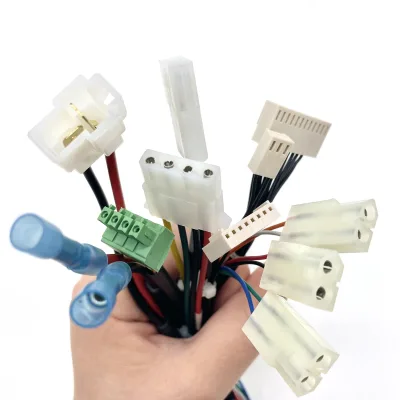
Versatile Automotive Wiring Harness for Customized Vehicle Connectivity Options
$8.00 - $15.00
MOQ: 200 Sets

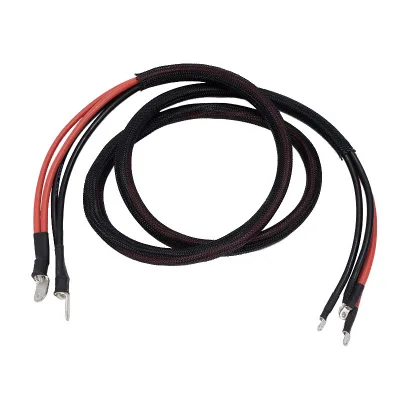
Custom Automotive Wiring Harness with Flexible Packaging Options Available
$8.00 - $15.00
MOQ: 200 Sets

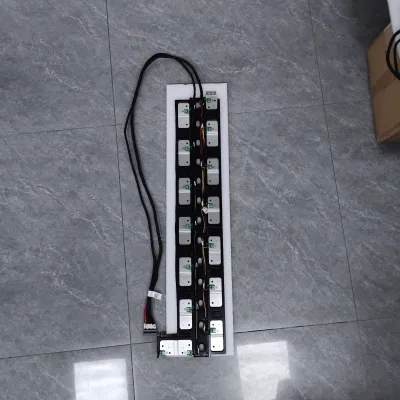
Custom Cable Harness for Superior Automotive Electrical Integration Needs
$8.00 - $15.00
MOQ: 200 Sets


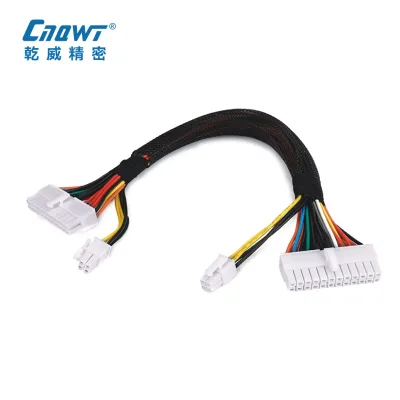
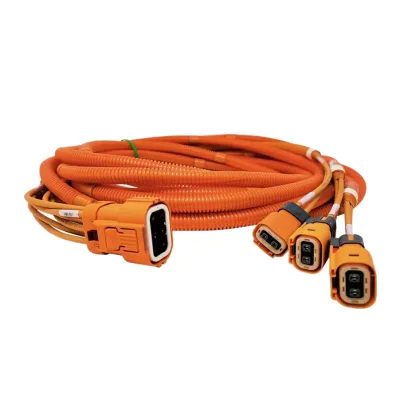
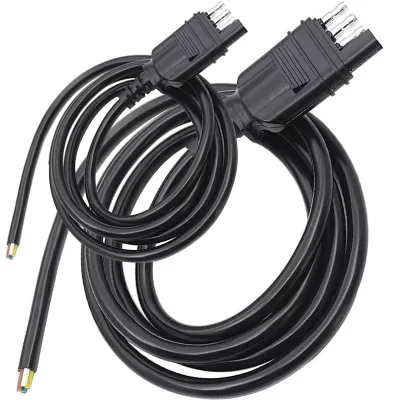
Customizable Automotive Wiring Harnesses for New Energy Vehicles Free of Customs Duty
$3.7849 - $10.9417
MOQ: 50 Minimum
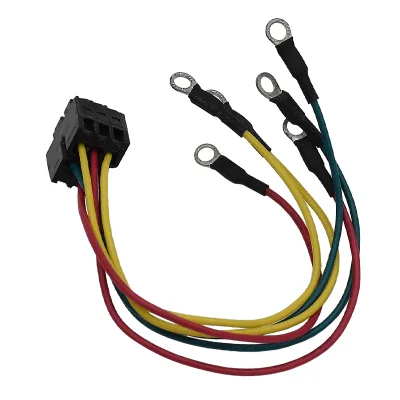
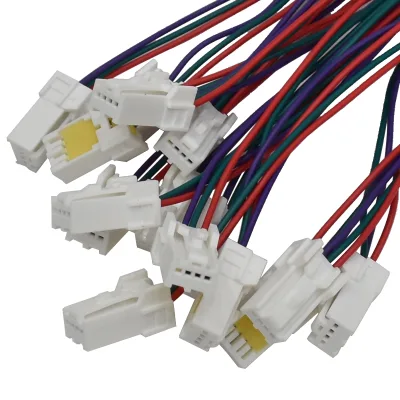
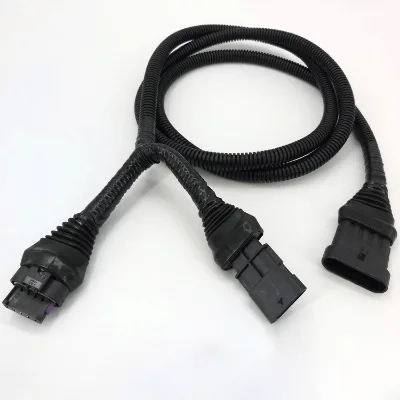
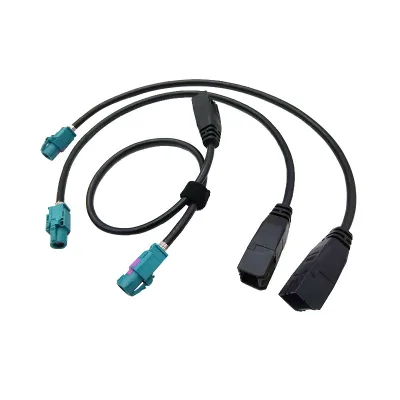


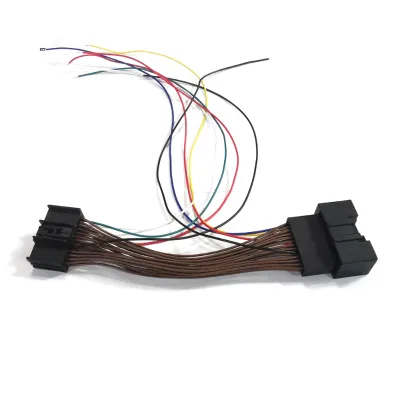


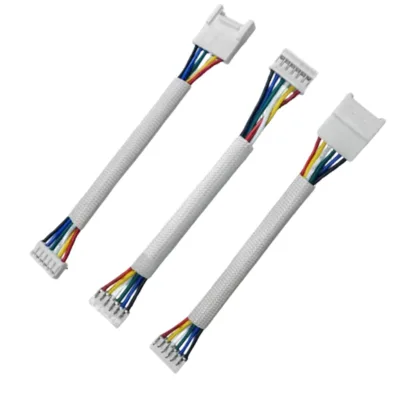
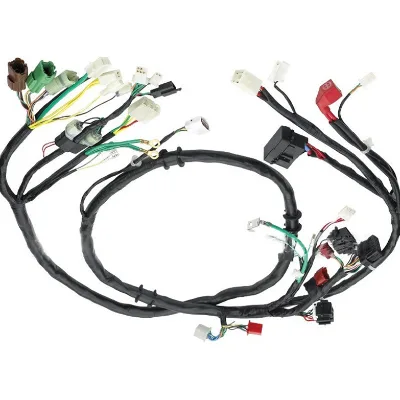
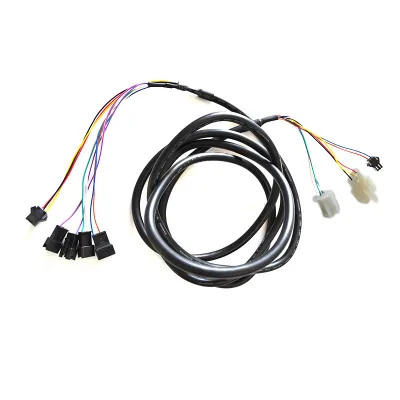
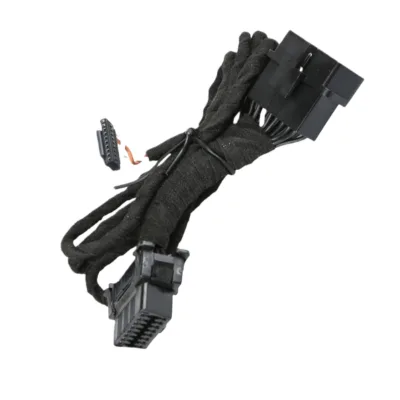
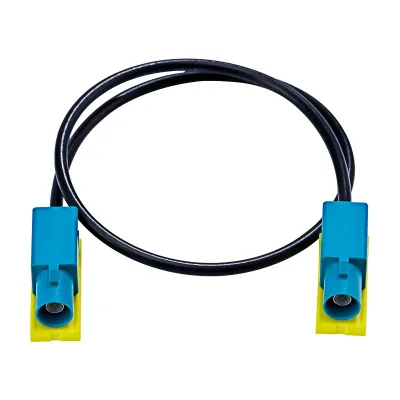
Comprehensive Sourcing Guide
Customizable PVC Automotive Cable Harness Sourcing Guide
Procuring customizable PVC automotive cable harnesses requires a strategic approach that balances technical precision with supply chain reliability. Buyers must recognize that these components serve as the critical nervous system for modern vehicles, connecting electronic control units, sensors, and power distribution modules. The flexibility of PVC insulation allows for complex routing in tight engine bays or chassis compartments, while the customizable nature ensures that harnesses fit specific vehicle architectures without modification. This guide outlines the essential verification steps for sourcing these components, focusing on material integrity, electrical performance, and supplier capability.
The market offers a wide array of options, from low-voltage signal harnesses to high-current power distribution systems. Buyers should prioritize suppliers who demonstrate strong R&D capabilities, as custom designs often require iterative prototyping and validation. Understanding the specific interface types, such as DC/DC or AC/DC connections, is crucial for ensuring compatibility with existing vehicle electronics. Furthermore, the ability to customize length, size, and connector types allows for optimized assembly processes, reducing waste and improving installation efficiency on the production line.
Product Scope and Observed Listing Signals
The observed product landscape for customizable PVC automotive cable harnesses reveals a diverse range of configurations tailored to various industrial needs. Listings frequently highlight applications in automobiles, motorcycles, and general electronic equipment, indicating the versatility of these harnesses across different vehicle types. The core material composition typically involves copper conductors, often stranded for flexibility, encased in PVC insulation and jacketing. This combination provides essential electrical conductivity while offering resistance to abrasion, moisture, and chemical exposure, which are common challenges in automotive environments.
Packaging and branding signals also provide insight into the supplier's operational scale. Many listings indicate factory-direct sourcing, with packaging options ranging from individual PP bags to bulk boxes containing hundreds of units. Brands such as Molex and OEM designations appear, suggesting that buyers can access both established component manufacturers and custom fabrication services. The presence of customization attributes, such as adjustable lengths from 0.5 to 5 meters and various connector types, underscores the importance of verifying specific design requirements before placing orders.
Technical Specifications to Verify
Verifying technical specifications is paramount to ensuring the harness meets the vehicle's electrical and mechanical demands. Buyers must confirm the conductor material, typically bare copper or copper core, and the stranding type, which affects flexibility and current-carrying capacity. The PVC cover material must be evaluated for thickness and durability, as it protects against environmental stressors. Additionally, the interface type, whether AC/DC or specific signal types like low-voltage wiring, must align with the vehicle's electrical system to prevent signal interference or power loss.
Customization parameters such as length, size, and connector type require precise definition to avoid assembly errors. Suppliers often offer customized lengths and sizes, but buyers must provide detailed drawings or specifications to ensure accuracy. The crimping and assembling classes are critical for maintaining electrical continuity and mechanical strength. Buyers should also inquire about the specific bandaging materials, such as adhesive tape or PVC pipe, which provide additional protection and organization within the harness bundle.
Compliance and Safety Documentation
Compliance with international standards is non-negotiable for automotive components, ensuring safety and reliability in diverse operating conditions. Buyers should verify that suppliers hold relevant certifications such as ISO, RoHS, CE, CCC, and VDE. These certifications indicate adherence to quality management systems, environmental restrictions, and electrical safety standards. The presence of ISO9001 and ISO13485, though noted with lower confidence, suggests a potential commitment to quality and medical-grade precision, which may be relevant for specialized automotive applications.
Documentation must also cover material safety and environmental impact. RoHS compliance ensures that hazardous substances are minimized in the PVC and copper components. Buyers should request test reports for flame retardancy, temperature resistance, and electrical insulation strength. These documents provide evidence that the harness can withstand the thermal and electrical stresses of automotive operation. Ensuring that all documentation is up-to-date and verifiable is essential for maintaining regulatory compliance in the final vehicle assembly.
Cost Drivers and Commercial Terms
Understanding the cost drivers for customizable PVC automotive cable harnesses helps buyers negotiate better commercial terms. The primary cost factors include the price of copper, the complexity of the custom design, and the volume of the order. MOQs typically range from 1 to 1000 units, allowing for flexibility in initial prototyping and larger production runs. Buyers should be aware that highly customized designs with unique connectors or lengths may incur higher setup costs, which can be amortized over larger quantities.
Delivery time and production capacity are also significant commercial considerations. Suppliers with strong production capacity and enough stock can offer faster lead times, which is crucial for just-in-time manufacturing processes. Buyers should clarify the packaging quantity, which often comes in bags of 100, 200, 300, 500, or 1000 pieces, to ensure efficient inventory management. Negotiating clear terms for customization fees, tooling costs, and quality assurance procedures can prevent unexpected expenses and ensure a smooth procurement process.
Supplier Qualification and Quality Control
Supplier qualification is a critical step in mitigating supply chain risks for automotive components. Buyers should prioritize factory-direct suppliers who demonstrate strong R&D abilities and the capacity to customize products according to specific requirements. Verifying the supplier's location, such as Zhejiang or Guangdong in China, can provide insight into their logistical capabilities and proximity to raw material sources. Suppliers with a history of serving the automotive industry are likely to have more robust quality control processes in place.
Quality control measures should include rigorous testing of electrical continuity, insulation resistance, and mechanical durability. Buyers should inquire about the supplier's inspection protocols, including incoming material checks, in-process inspections, and final product testing. The ability to provide traceability for materials, such as copper and PVC, is also essential for quality assurance. Establishing a clear communication channel for addressing defects or deviations ensures that any issues are resolved promptly, maintaining the integrity of the final vehicle assembly.
Long-Term Procurement Checks
Long-term procurement success depends on continuous monitoring of supplier performance and product quality. Buyers should establish key performance indicators (KPIs) for delivery reliability, defect rates, and responsiveness to design changes. Regular audits of the supplier's quality management system can help identify potential issues before they impact production. Maintaining open communication with the supplier regarding market trends and technological advancements ensures that the harness designs remain competitive and compliant with evolving industry standards.
Additionally, buyers should periodically review the cost structure and commercial terms to ensure they remain favorable. Fluctuations in copper prices or changes in regulatory requirements may necessitate adjustments in pricing or specifications. Building a diversified supplier base can mitigate risks associated with single-source dependencies. By fostering strong relationships with qualified suppliers, buyers can secure a reliable supply of customizable PVC automotive cable harnesses that meet their long-term operational needs.
FAQs
Can I get custom lengths for these wiring harnesses?
Yes, custom lengths are available for these wiring harnesses. The standard length range is 0.5 to 5 meters, but you can request specific dimensions according to your requirements. This customization ensures the harness fits your exact application needs without excess material waste.
What certifications do these automotive harnesses hold?
These automotive harnesses hold certifications including CCC, ISO, RoHS, CE, and VDE. These standards ensure compliance with international safety and quality requirements. The manufacturer maintains strong production capacity to meet these certified standards consistently for global buyers.
What is the minimum order quantity for these products?
The minimum order quantity ranges from 1 to 1000 units depending on the specific product model. This flexibility allows small businesses and large enterprises to order suitable quantities. The factory ensures enough stock and strong production capacity to support various MOQ requirements efficiently.
What materials are used in the wire core?
The wire core material is primarily copper or bare copper wire. The conductor type is stranded, providing flexibility and durability. The cover material is PVC, and bandaging materials may include adhesive tape or PVC pipe, ensuring robust protection for automotive and electronic applications.
Where are these wiring harnesses manufactured?
These wiring harnesses are manufactured in China, specifically in Zhejiang and Guangdong provinces. The factories offer customized production according to buyer requirements. This location supports efficient logistics and strong production capacity for global supply chains requiring reliable automotive and electronic components.
What is the rated voltage for these harnesses?
The rated voltage for these harnesses is 12V. They are designed for low voltage applications in automobiles, motorcycles, and electronic devices. The interface type can be DC/DC or AC/DC, making them versatile for various automotive and computer system integrations.