Source Customized Eco-Friendly PVC Woven Patch for Bags, Hats, and Garments
Find 30 listings for customized eco-friendly pvc woven patch options suitable for bags, hats, and garments. Compare features like 3D embossing, soft silicone or PVC materials, and OEM/ODM services from suppliers in China to find the right fit for your brand.
Updated
Key considerations
Products List
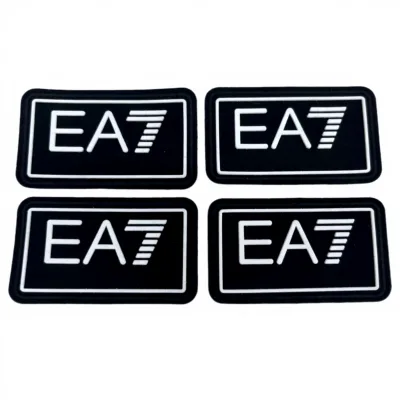
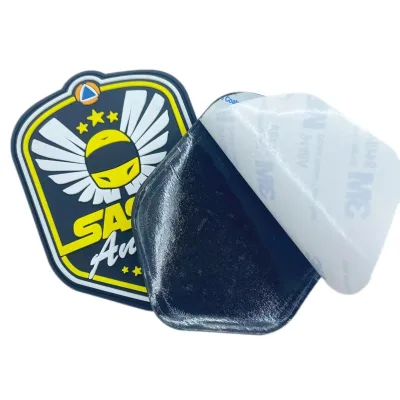

PVC Patches Customized Rubber Eco-Friendly Customized 2D or 3D Soft PVC Patches
$0.08 - $0.12
MOQ: 10000 Pieces
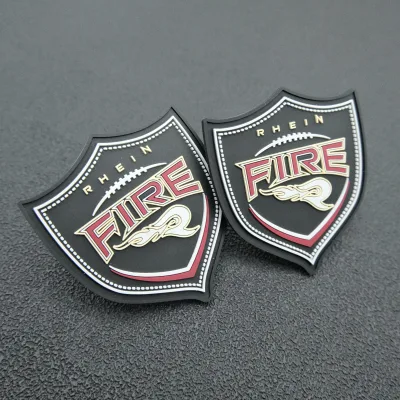
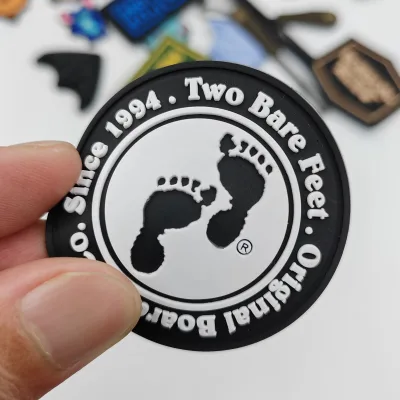
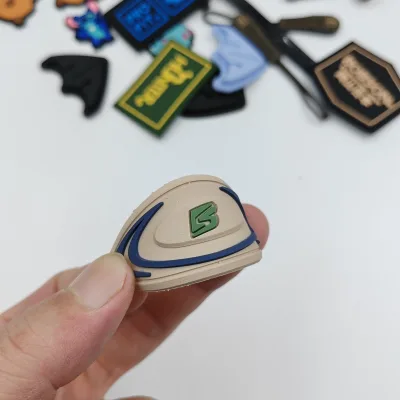

Customized Eco-Friendly Soft Rubber Labels PVC Waterproof Rubber Patches
$0.025 - $0.10
MOQ: 500 Pieces

Customizable Color PVC Rubber Environmentally Friendly 3D Rubber PVC Patch
$0.35 - $0.50
MOQ: 500 Pieces


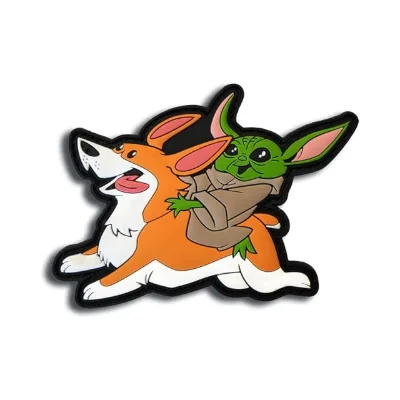



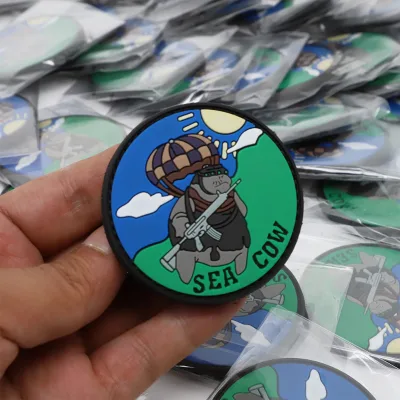
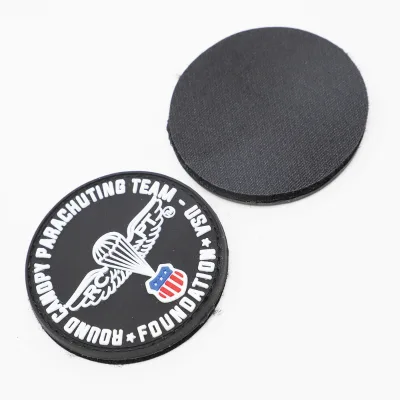

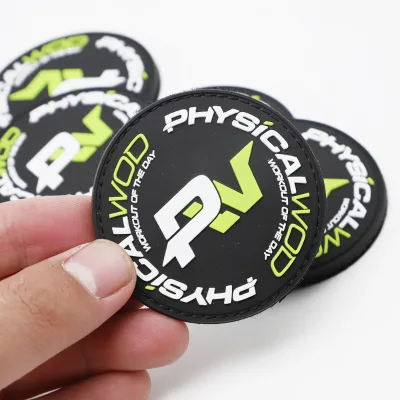
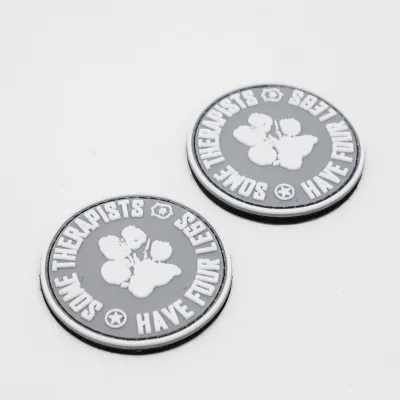

Custom Eco-Friendly PVC Patch Label for Clothing No Minimum Order Required
$0.3905 - $0.5849
MOQ: 100 pieces


Comprehensive Sourcing Guide
Customized Eco-Friendly PVC Woven Patch Sourcing Guide
Sourcing customized eco-friendly PVC woven patches requires a nuanced understanding of material properties and manufacturing capabilities, as the term "woven" often conflicts with the typical injection molding process used for PVC. Buyers must clarify whether the supplier offers true woven fabric patches or molded PVC rubber patches, as the latter is more common for the durable, waterproof applications observed in current listings. The market shows a strong preference for soft silicone and PVC materials, which allow for high-definition 3D embossing and vibrant color matching. Procurement teams should prioritize suppliers who explicitly state their ability to handle custom shapes and sizes, as standard rectangular patches rarely meet brand-specific aesthetic requirements.
Verification of the "eco-friendly" claim is critical, as PVC production can involve hazardous additives if not properly managed. Buyers should request material safety data sheets and confirm that the supplier uses lead-free and phthalate-free compounds, especially for products intended for children’s apparel or direct skin contact. The observed listings indicate a wide range of customization options, including OEM and ODM services, which suggests that many manufacturers in regions like Fujian and Guangdong are equipped to handle complex design files. However, the distinction between standard PVC and eco-certified variants must be explicitly negotiated in the contract to ensure that the final product meets the stated environmental standards and does not contain restricted substances.
Product Scope and Observed Listing Signals
The current market landscape for customized patches reveals a diverse array of product types, ranging from soft silicone phone accessories to durable garment labels and decorative magnets. Listings frequently highlight features such as heat insulation, magnetic backing, and 3D embossing, indicating that buyers are looking for multifunctional branding solutions rather than simple flat labels. The observed price range of $0.03 to $1.25 USD suggests significant variation based on complexity, with simple single-color patches at the lower end and intricate multi-color, 3D designs commanding higher prices. Buyers should note that the term "woven" may be used loosely in some listings to describe textured PVC, so visual inspection of product samples is essential to confirm the actual manufacturing technique.
Minimum order quantities (MOQs) vary widely, from as low as one piece for prototyping to 10,000 pieces for large-scale production runs. This flexibility allows buyers to test market response with small batches before committing to larger orders, reducing inventory risk. The observed listings also emphasize customization in color, size, and shape, with many suppliers offering "custom colorful" options and accepting specific dimensions like 6cm x 6cm or fully bespoke sizes. Buyers should leverage this flexibility by providing detailed technical packs that include Pantone color codes and tolerance levels for size variations. Understanding these listing signals helps in filtering suppliers who can meet specific volume and customization needs without compromising on quality or lead times.
Technical Specifications to Verify
When evaluating technical specifications, buyers must confirm the exact material composition, as listings show both soft silicone and PVC options. It is crucial to verify whether the patch is made from pure PVC or a blended compound, as this affects durability, flexibility, and environmental compliance. The observed data indicates that many suppliers offer embossed techniques, which create a raised, tactile logo that enhances brand visibility. Buyers should request samples to assess the depth of the embossing and the clarity of the color separation, especially for designs with fine details. Additionally, the presence of self-adhesive or magnetic backing options should be confirmed, as these attachment methods significantly impact the application process on different substrates like fabric, leather, or hard surfaces.
Size and shape customization are key technical factors, with suppliers accepting custom sizes and various shapes beyond standard rectangles. Buyers should specify the exact dimensions and tolerances in their purchase orders to avoid discrepancies in the final product. The observed listings mention single package sizes of 10x10x10 cm, which is useful for calculating shipping volume and costs. Furthermore, the feature of being nickel-free is important for patches that may come into contact with metal components or sensitive skin. Buyers should also verify the production model numbers, such as PK-PB-001 or KS, to ensure consistency in future reorders and to facilitate accurate communication with the supplier’s quality control team.
Compliance and Safety Documentation
Compliance with international safety standards is non-negotiable for branded merchandise, particularly when patches are used on children’s clothing or accessories. Buyers must request documentation proving that the PVC or silicone material is free from heavy metals, phthalates, and other restricted substances. While some listings mention Oeko-Tex standards, buyers should verify the specific certification level and scope, as not all suppliers may hold valid, up-to-date certificates. It is advisable to ask for third-party test reports from accredited laboratories to confirm that the products meet regulations such as REACH in Europe or CPSIA in the United States. This due diligence protects the brand from potential legal liabilities and reputational damage associated with non-compliant materials.
In addition to material safety, buyers should inquire about the supplier’s environmental management practices, especially if the "eco-friendly" claim is a key selling point. This includes understanding how the supplier handles waste during the molding or weaving process and whether they use recyclable packaging materials. The observed listings indicate that many products are non-disposable and designed for long-term use, which aligns with sustainability goals. Buyers should also confirm that the supplier adheres to ethical labor practices, as this is increasingly important to consumers and retailers. Requesting a copy of the supplier’s social responsibility audit or certification can provide additional assurance that the production process is both environmentally and socially responsible.
Cost Drivers and Commercial Terms
Several factors influence the final cost of customized PVC patches, including the complexity of the design, the number of colors used, and the chosen attachment method. Multi-color designs require more intricate molds and additional production steps, which increase the unit price. Buyers should optimize their designs to minimize color changes and simplify shapes where possible to reduce costs. The observed MOQ of 100 pieces for some products suggests that smaller orders may incur higher per-unit costs due to setup fees. For larger orders, buyers can negotiate volume discounts, but they should also consider the impact of shipping costs, which can be significant given the weight and volume of the packaging.
Commercial terms such as payment methods and lead times are critical components of the procurement strategy. The observed listings indicate that T/T (Telegraphic Transfer) is a common payment method, with suppliers often requiring a deposit before production begins. Buyers should negotiate clear payment terms that protect their interests, such as holding a portion of the payment until quality inspection is complete. Lead times for sample orders are typically around seven days, while bulk production may take longer depending on the order size and supplier capacity. Buyers should plan their procurement timeline carefully to account for these lead times and avoid delays in product launches. Understanding these cost drivers and commercial terms helps in creating a realistic budget and ensuring a smooth transaction process.
Supplier Qualification and Quality Control
Supplier qualification is a vital step in ensuring the reliability and consistency of customized patch orders. Buyers should conduct thorough due diligence on potential suppliers, including verifying their business licenses, production capabilities, and past performance. The observed listings indicate that many suppliers are located in industrial hubs like Xiamen and Guangdong, which are known for their manufacturing expertise. Buyers should request references from previous clients and, if possible, visit the factory to assess the production environment and quality control processes. This on-site inspection can reveal important details about the supplier’s equipment, workforce training, and adherence to safety standards.
Quality control measures should be clearly defined in the purchase agreement, including inspection criteria and acceptance standards. Buyers should specify the acceptable tolerance levels for size, color, and embossing depth, and request pre-shipment inspections to ensure that the products meet these standards. The observed listings mention "high quality" as a feature, but buyers should not rely solely on this claim. Instead, they should implement a robust quality assurance plan that includes random sampling and testing of the patches for durability, adhesion, and colorfastness. Establishing a clear communication channel with the supplier’s quality control team can help resolve any issues quickly and ensure that the final products meet the buyer’s expectations.
Long-Term Procurement Checks
Long-term procurement success depends on establishing a sustainable relationship with suppliers who can consistently deliver high-quality products. Buyers should regularly review supplier performance metrics, such as on-time delivery rates, defect rates, and responsiveness to issues. This data-driven approach helps in identifying potential problems early and taking corrective actions before they impact the supply chain. Buyers should also maintain open communication with suppliers to discuss any changes in design requirements or market trends that may affect future orders. Building a collaborative partnership can lead to better pricing, improved service, and innovative solutions that enhance the brand’s product offerings.
Continuous improvement is essential in the dynamic market for customized patches. Buyers should stay informed about new materials, technologies, and sustainability practices that can enhance the product’s value and appeal. This may involve exploring new eco-friendly materials or advanced manufacturing techniques that offer better performance or lower environmental impact. Buyers should also monitor competitor activities and consumer preferences to ensure that their patch designs remain relevant and competitive. By proactively adapting to market changes and maintaining a focus on quality and sustainability, buyers can secure a long-term advantage in the procurement of customized eco-friendly PVC woven patches.
FAQs
Can I get custom sizes for these patches?
Yes, custom sizes are available for these patches. The product specifications indicate that customization is accepted, allowing buyers to specify dimensions such as 6cm by 6cm or other tailored measurements to fit specific garment or bag applications effectively.
What is the minimum order quantity for samples?
The minimum order quantity for samples is one piece. This low MOQ allows buyers to evaluate product quality and customization options before committing to larger bulk orders, ensuring the final product meets their specific design and material requirements.
How long does sample production take?
Sample orders are supported with a lead time of seven days. This quick turnaround enables buyers to receive physical prototypes efficiently for approval, facilitating faster decision-making and subsequent bulk production scheduling for customized PVC or rubber patch designs.
Are these patches made from eco-friendly materials?
Yes, these patches are described as eco-friendly. They are manufactured using materials such as soft silicone or PVC, which are highlighted for their environmental friendliness, making them suitable for sustainable fashion applications in garments, shoes, and bags.
What customization options are available for branding?
OEM and ODM services are available for branding. Buyers can request customized logos and designs, with options for embossed techniques and various colors, ensuring that the final patches align with specific brand identities and aesthetic preferences for retail products.
Where are these patches manufactured?
These patches are manufactured in China, specifically in regions like Xiamen, Fujian, and Guangdong. This location provides access to established manufacturing hubs known for producing high-quality textile accessories and patches for global apparel and accessory markets.