Source Customized Logo Beanie for Sports, Outdoor, and Party
Compare 30 Customized Logo Beanie options from verified manufacturers. Buyers can evaluate materials like acrylic and cotton, seasonal suitability, and customization features for sports, outdoor activities, and parties. Explore various styles including snapback caps and knitted designs with windproof and water-resistant properties available for bulk orders.
Key considerations
Products List




Comprehensive Sourcing Guide
Customized Logo Beanie Sourcing Guide
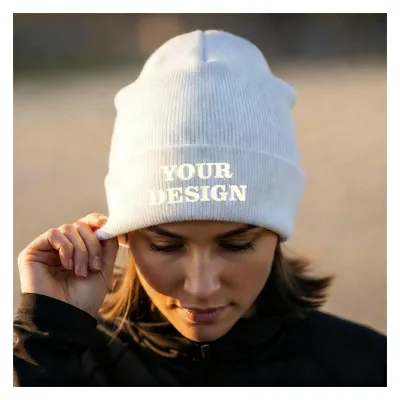
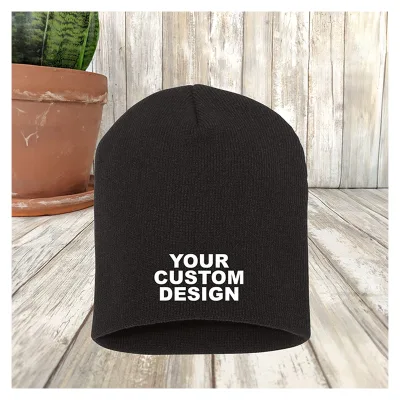
Procuring customized logo beanies requires balancing aesthetic customization with functional performance for winter and autumn markets. Buyers must verify that the selected manufacturer offers 3D embroidery or printed patterns to ensure the logo remains durable and visually distinct against knitted or acrylic fabrics. The observed product range includes unisex styles suitable for outdoor sports and parties, where moisture-wicking and windproof features are critical for user comfort in variable weather conditions.
Sourcing decisions should prioritize suppliers who demonstrate a clear capacity for OEM and ODM design services, as this flexibility allows for tailored crown and brim configurations. While some listings indicate a minimum order quantity of 100 pieces, others suggest lower thresholds, requiring buyers to negotiate based on their specific volume needs. It is essential to confirm whether the supplier can accommodate custom sizes and specific color palettes, ranging from standard black and white to vibrant multi-color options, without compromising the structural integrity of the knit.
Product Scope and Observed Listing Signals
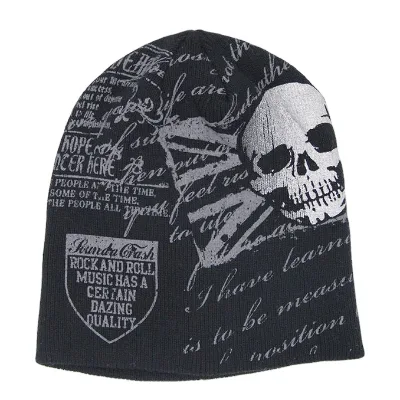
The market for customized beanies presents a diverse array of material compositions, primarily featuring 100% acrylic, polyester, and cotton blends, each offering distinct tactile and thermal properties. Acrylic options often provide a soft, wool-like feel with excellent color retention, while polyester variants may offer superior moisture-wicking capabilities for active use. Buyers should carefully review product descriptions to distinguish between plain dyed fabrics and those with complex printed or embroidered patterns, as these choices significantly impact the final aesthetic and production complexity.
Listing signals indicate that many suppliers offer reversible designs and specialized features such as sun protection, UV resistance, and lightweight construction. These attributes suggest a product scope extending beyond basic headwear into performance gear suitable for outdoor activities and sports events. However, the presence of features like "rechargeable" or "smart" capabilities in general listings should be treated as specific product variants rather than standard industry norms, requiring explicit verification before inclusion in a procurement order.
Technical Specifications to Verify
Technical verification must begin with the fabric construction, specifically confirming whether the item is a knitted beanie or a structured snapback cap, as this dictates the embroidery technique and logo placement. For knitted styles, the panel count, typically six panels, influences the fit and the ability to apply a centered logo without distortion. Buyers should also validate the weight specifications, which often fall between 55 and 60 grams, ensuring the product meets the desired balance between warmth and portability for the target demographic.
Dimensional accuracy is another critical technical parameter, with many suppliers offering custom sizing to accommodate adult head measurements. The standard packaging often involves individual polybagging followed by master carton consolidation, but buyers must confirm the exact dimensions of the finished product, such as the 20x20cm standard mentioned for certain items, to ensure compatibility with retail shelving or promotional distribution channels. Additionally, the crown and brim configurations must be explicitly defined to avoid mismatches between the design intent and the physical output.
Compliance and Safety Documentation
While specific certification documents are not universally listed in the provided data, buyers must request evidence of compliance with relevant textile safety standards for the destination market. This includes verifying that the dyes used for the colorful and plain dyed options are non-toxic and that the materials meet flammability and chemical residue limits. For products claiming sun protection or UV resistance, independent test reports should be obtained to substantiate these performance claims, ensuring that the advertised protection levels are scientifically valid and not merely marketing assertions.
Documentation regarding the manufacturing origin, specifically from Shandong, China, should be cross-referenced with import regulations to ensure proper country-of-origin labeling and tariff classification. Buyers should also inquire about the factory's history and production capacity, as a facility with a 19-year track record may have more established quality control protocols. Ensuring that the supplier can provide a Certificate of Origin and material safety data sheets is essential for clearing customs and maintaining brand integrity in regulated markets.
Cost Drivers and Commercial Terms
The final unit cost is heavily influenced by the complexity of the customization, particularly the choice between 3D embroidery and standard printing, as well as the material selection of acrylic, polyester, or cotton. Higher MOQs, such as the 100-piece threshold observed, generally yield better per-unit pricing, but buyers with smaller volume requirements may face higher costs or need to negotiate sample fees. The competitive factory pricing mentioned in listings suggests that volume leverage is a primary driver for cost reduction, making it vital to align order quantities with production runs to maximize savings.
Commercial terms must clearly define the sample lead time, which is typically 3 to 5 days, and the bulk delivery window, often ranging from 5 to 7 working days for standard orders. Buyers should also clarify the packaging details, such as the 10 pieces per polybag and 200 pieces per master carton configuration, as these affect shipping volume and freight costs. Negotiating the port of dispatch, commonly Qingdao Port, and understanding the Incoterms will help manage logistics expenses and ensure timely delivery to the final destination.
Supplier Qualification and Quality Control
Supplier qualification should focus on verifying their business type as a direct manufacturer rather than a trading company, which ensures better control over the production process and pricing. A supplier with a stated supply ability of 200,000 pieces per month demonstrates the capacity to handle large-scale orders without significant delays, but buyers must still assess their current workload and resource allocation. Checking the factory's history and operational longevity provides insight into their stability and ability to maintain consistent quality over time.
Quality control protocols must be established before production begins, with a focus on inspecting the logo application, stitching quality, and fabric consistency. Buyers should request pre-production samples to verify that the custom logo aligns with the design specifications and that the color matching is accurate across the requested palette. Implementing a third-party inspection during the production phase can help identify defects early, ensuring that the final shipment meets the agreed-upon standards for features like wrinkle resistance and washability.
Long-Term Procurement Checks
Establishing a long-term partnership requires regular audits of the supplier's ability to maintain consistent quality and adhere to agreed-upon timelines. Buyers should monitor the supplier's response to any quality issues and their willingness to implement corrective actions, as this indicates their commitment to continuous improvement. Regular communication regarding design updates and market trends will help ensure that the product line remains relevant and competitive in the evolving winter and autumn apparel sectors.
Performance metrics should be tracked over multiple order cycles to evaluate the supplier's reliability in meeting delivery schedules and maintaining cost stability. It is advisable to conduct periodic reviews of the supply chain, including the sourcing of raw materials like acrylic and cotton, to mitigate risks associated with price fluctuations or material shortages. Building a robust relationship with a qualified manufacturer ensures a steady supply of high-quality customized beanies that meet the specific needs of the brand and its customers.
FAQs
Can I customize the logo on these beanies?
Yes, customized logos are available for these beanies. The supplier accepts OEM and ODM design services, allowing you to apply your brand identity. You can choose from various customization methods to ensure your logo stands out on the final product, meeting your specific branding requirements.
What materials are used for these beanies?
These beanies are crafted from 100% Acrylic, 100% Polyester, and 100% Cotton materials. Each material offers distinct benefits, such as breathability or moisture-wicking properties. You can select the fabric that best suits your seasonal needs and comfort preferences for the final customized product.
What is the minimum order quantity for custom orders?
The minimum order quantity is typically 100 pieces. However, observed listings show a range from 2 to 500 units depending on the specific product model. You should confirm the exact MOQ with the manufacturer to ensure it aligns with your procurement volume and budget constraints.
How long does production take for custom beanies?
Sample production usually takes 3 to 5 days. Bulk delivery time is approximately 5 to 7 working days after order confirmation. These lead times allow for efficient planning. You should verify current capacity with the supplier, as monthly supply ability can reach 200,000 pieces.
Where are these beanies manufactured?
These beanies are manufactured in Shandong, China. The supplier operates as a manufacturer with a history of 19 years. Products are dispatched from Qingdao Port. This location ensures reliable logistics and established supply chain infrastructure for international buyers seeking customized headwear solutions.
What styles and colors are available?
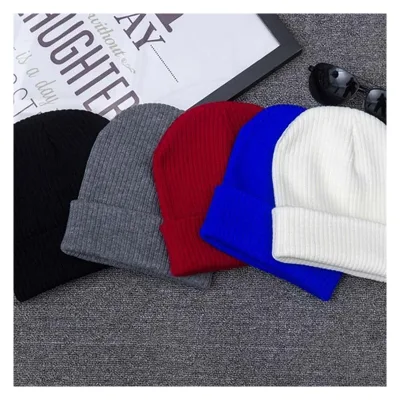
Available styles include snapback caps and beanies with patterns like letters, stripes, or plain dyed finishes. Colors range from yellow, white, and red to blue, black, and grey. You can choose from various options to match your brand aesthetic or seasonal collection requirements effectively.