Source Customized Sleep Support Patch for Stress Relief and Insomnia
Find and compare 30 Customized Sleep Support Patch options from verified manufacturers. Evaluate features like FDA and CE certification, OEM availability, and packaging details to select the right health care solution for your brand.
Key considerations
Products List



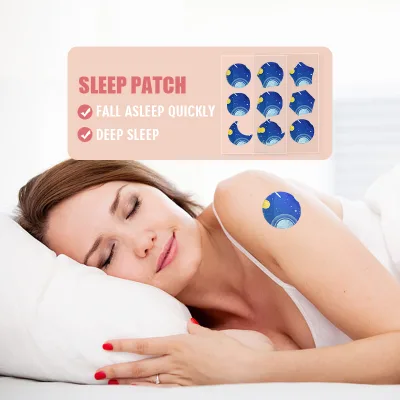
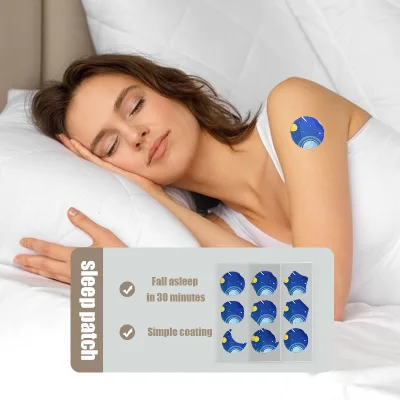



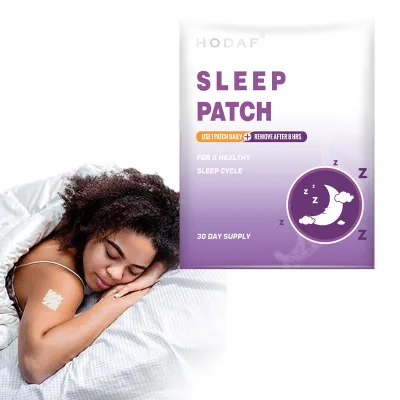


Comprehensive Sourcing Guide
Customized Sleep Support Patch Sourcing Guide
Sourcing customized sleep support patches requires a disciplined approach to balancing health claims, regulatory compliance, and manufacturing flexibility. These products, often categorized as sleep health care instruments or personal health care aids, are designed to assist with stress relief and sleep support through transdermal or topical application. Buyers must navigate a market where product attributes vary significantly, from size and material composition to specific certification requirements. The core challenge lies in verifying that the supplier’s customization capabilities align with your brand’s quality standards and regulatory obligations in your target market.
This guide provides evidence-based procurement strategies for sourcing these specialized patches. It focuses on interpreting observed listing signals, verifying technical specifications, and ensuring robust compliance documentation. By adhering to these structured verification steps, procurement professionals can mitigate risks associated with unverified health claims, inconsistent product quality, and non-compliant manufacturing processes. The goal is to establish a reliable supply chain that delivers effective, safe, and legally compliant sleep support solutions.
Product Scope and Observed Listing Signals
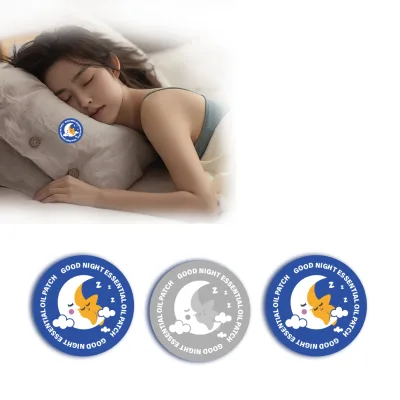
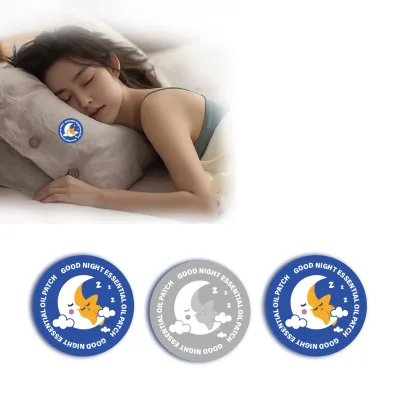
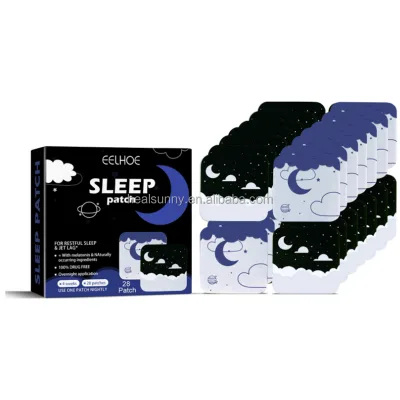
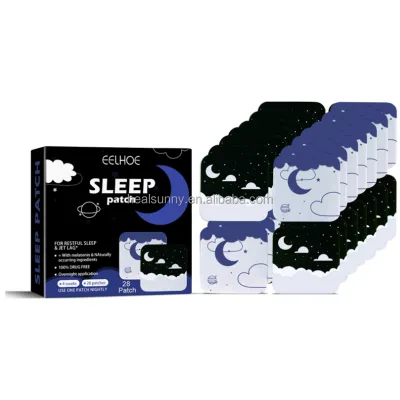
The market for sleep support patches exhibits a wide range of product configurations, necessitating careful evaluation of listing details. Observed product names include "Sleep Patch," "Sleep Aid Patch," and variations classified as "Sleep Health Care Instrument." These items are generally positioned for personal health care usage, with specific applications noted for post-aural placement. Buyers should note that while some listings target a general audience, others explicitly specify groups such as male or female users, which may influence formulation or marketing strategies. Understanding these distinctions is crucial for aligning product selection with your target demographic.
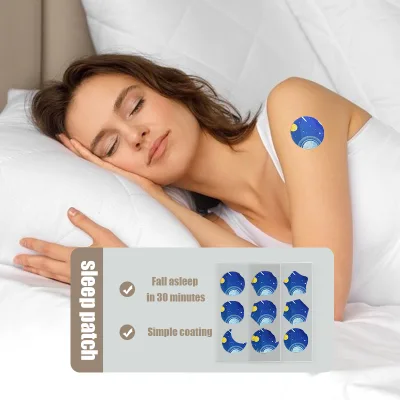
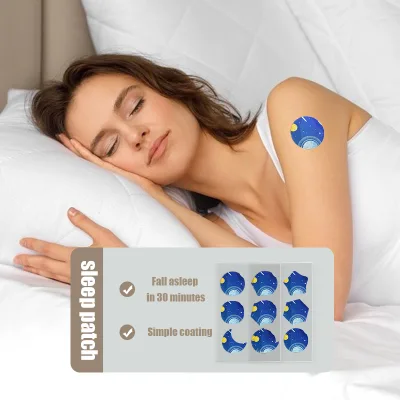
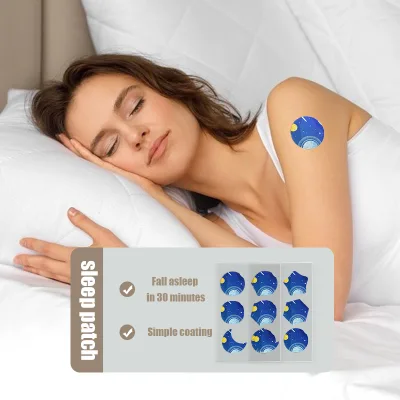
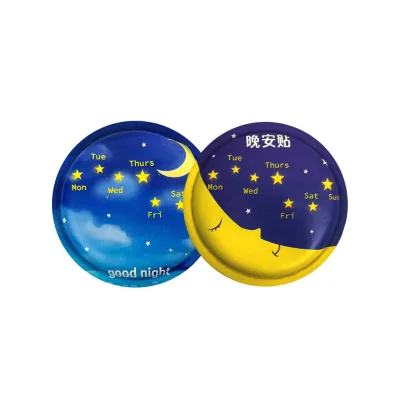
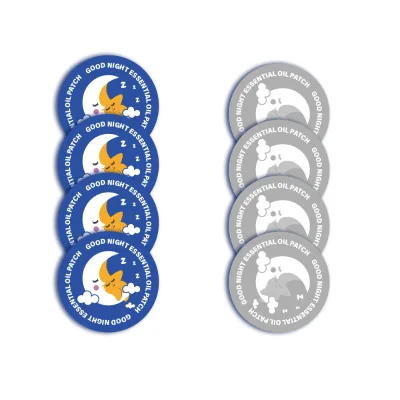
Material composition and physical dimensions are critical differentiators in this category. Listings indicate materials such as cotton, with sizes ranging from small patches measuring 3x3 cm or 25 mm in diameter to larger formats like 7x7 cm or 7x10 cm. Packaging varies significantly, with options including bags containing 30 pieces, individual color boxes, or bulk box configurations. These physical attributes directly impact user experience, storage requirements, and shipping logistics. Procurement teams must verify that the selected dimensions and packaging formats meet both functional requirements and cost-efficiency goals for your specific distribution channels.
Technical Specifications to Verify
Technical verification begins with confirming the physical and functional attributes of the patch. Key specifications to validate include the model identifiers, such as G-SP, G-SAP01, or G-SAP, which often correlate with specific design features or manufacturing batches. Buyers should request detailed technical datasheets that confirm the exact dimensions, material thickness, and adhesive properties. It is essential to verify whether the patch is designed for single-use or repeated application, and to confirm the shelf life, which has been observed to be approximately three years in some listings. These details ensure that the product meets your quality expectations and storage capabilities.
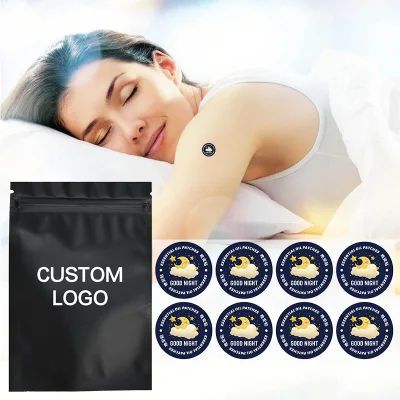
Customization capabilities are a primary driver for many buyers in this sector. Suppliers often offer OEM/ODM services, allowing for customized logos, packaging designs, and potentially formulation adjustments. However, buyers must distinguish between cosmetic customization and functional customization. Verify whether the supplier can modify the patch size, material composition, or active ingredient delivery mechanism. Additionally, confirm the availability of sample units, as many suppliers offer free or low-cost samples for evaluation. Testing these samples for adhesion, comfort, and perceived efficacy is a critical step before committing to large-scale orders.
Compliance and Safety Documentation
Regulatory compliance is paramount when sourcing health-related patches. Buyers must verify that suppliers hold valid certifications such as FDA, CE, ISO, MSDS, and GMP. The presence of these certifications indicates that the manufacturer adheres to specific quality and safety standards, but buyers should always request current copies of these documents to verify their validity and scope. For instance, CE marking is essential for selling in the European market, while FDA registration may be required for the United States. Ensure that the certifications cover the specific product type and manufacturing facility you intend to source from.
Safety data sheets (MSDS) and quality certifications provide insight into the chemical and physical safety of the product. Buyers should review MSDS documents to understand the ingredients and potential hazards associated with the patch. Additionally, verify that the supplier follows Good Manufacturing Practices (GMP) to ensure consistent product quality. It is also important to check for any additional regional requirements, such as REACH compliance for European markets. Do not rely solely on listing claims; conduct independent verification of certification status through official regulatory databases or third-party audit reports.
Cost Drivers and Commercial Terms
Pricing in the sleep patch market is influenced by several factors, including customization level, order volume, and packaging complexity. Observed price ranges can vary widely, reflecting differences in material quality, certification costs, and supplier margins. Buyers should request detailed quotations that break down costs for unit price, tooling fees for custom packaging, and shipping expenses. Be aware that lower prices may correlate with reduced customization options or lower-quality materials. Always compare quotes based on total landed cost rather than unit price alone to ensure accurate budgeting.
Minimum Order Quantities (MOQ) and payment terms are critical commercial considerations. MOQs can range from small quantities of 2 bags or 30 pieces for sampling to large volumes of 100,000 units for mass production. Suppliers may offer flexible MOQs for standard products but require higher volumes for customized items. Payment terms typically include options such as PayPal, TT (Telegraphic Transfer), and Trade Assurance. Buyers should negotiate terms that protect their interests, such as partial payments upfront and the remainder upon shipment or inspection. Understanding these commercial terms helps in planning cash flow and managing inventory risks.
Supplier Qualification and Quality Control
Supplier qualification involves a thorough assessment of the manufacturer’s capabilities and reliability. Buyers should verify the supplier’s origin, with many manufacturers located in regions like Henan, China, known for their manufacturing infrastructure. Conduct on-site or virtual audits to evaluate production lines, quality control processes, and workforce training. Check for evidence of consistent production capacity and ability to meet lead times. Suppliers with strong OEM/ODM experience are often better equipped to handle complex customization requests and maintain quality consistency across batches.
Quality control measures should be explicitly defined in the purchase agreement. Request information on the supplier’s internal testing protocols, including checks for adhesion strength, material integrity, and packaging seal quality. Establish clear acceptance criteria for product defects and define procedures for handling non-conforming goods. Consider implementing third-party inspection services for initial orders and periodic audits for ongoing production. Building a strong relationship with the supplier through regular communication and performance reviews can help maintain high quality standards and address issues promptly.
Long-Term Procurement Checks
Long-term success in sourcing sleep support patches requires ongoing monitoring and adaptation. Regularly review supplier performance metrics, including on-time delivery rates, product quality consistency, and responsiveness to issues. Stay updated on regulatory changes in your target markets, as requirements for health care products can evolve. Maintain open communication with suppliers to discuss potential improvements, new product developments, and market trends. Proactive engagement helps in anticipating challenges and leveraging opportunities for innovation and cost optimization.
Continuous improvement should be embedded in your procurement strategy. Periodically reassess your supplier base to ensure it remains competitive and compliant. Explore opportunities for diversifying suppliers to mitigate risks associated with single-source dependencies. Invest in building internal expertise regarding sleep health care products to enhance your ability to evaluate and manage suppliers effectively. By maintaining a disciplined and informed approach, you can secure a reliable supply of customized sleep support patches that meet your business objectives and customer expectations.
FAQs
Can I customize the logo on sleep support patches?
Yes, logo printing is available for these patches. Buyers can choose between options with or without logo printing, and customizable logos are acceptable. OEM and ODM services are offered to accommodate specific branding requirements, allowing businesses to tailor the product appearance to their market needs effectively.
What certifications do these sleep patches hold?
These sleep patches hold various certifications including FDA, CE, ISO, MSDS, and GMP. Different product models may display specific combinations such as CE/ISO or MSDS/CE. These quality certifications indicate compliance with international standards for health care products, providing assurance regarding safety and manufacturing quality for buyers.
What are the typical specifications for sleep aid patches?
Specifications vary by model, with sizes including 3x3cm, 7x7cm, and 7x10cm. Some models feature a diameter of 25mm. Materials may include cotton, and packaging typically involves bags containing 30 pieces or boxes with 10 pieces per bag. These dimensions support convenient application for personal health care routines.
What is the minimum order quantity for these patches?
The minimum order quantity ranges from 2 bags to 100,000 pieces depending on the specific product model and supplier terms. Some listings specify an MOQ of 20 boxes or 30 pieces. This flexibility allows buyers to start with small sample orders or scale up to large bulk purchases for distribution.
Where are these sleep patches manufactured?
These patches are manufactured in China, with specific origins noted in Henan province. The products are brand new and designed for stress relief and sleep support. Sourcing from this region offers access to established manufacturing capabilities for health care instruments and personalized patches tailored for global distribution channels.
Are samples available for testing before bulk orders?
Samples are provided freely or offered upon request to allow quality verification. Buyers can test the product benefits, such as sleep support and stress relief, before committing to larger orders. This sample availability supports due diligence in evaluating the patch's effectiveness and material quality, such as cotton composition, for potential procurement.