Source Cute Cartoon Siamese Kitten Keychain for bags, cars, and gifts
Explore 30 listings for the Cute Cartoon Siamese Kitten Keychain available from suppliers in China. Buyers can compare customization options, materials like resin and plastic, and certifications including CE and ASTM to find the right product for bags, cars, or gifts.
Updated
Key considerations
Products List


Custom Hot Sale Promotional Gift Stuffed Animal Keychain Plush Cat Keychain
$1.50 - $3.00
MOQ: 100 Pieces

Custom Cute Mini Cat Plush Animal Doll Pendant Bag Accessories Keychains
$1.50 - $3.00
MOQ: 100 Pieces
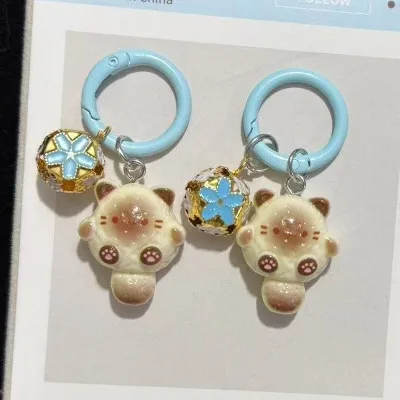
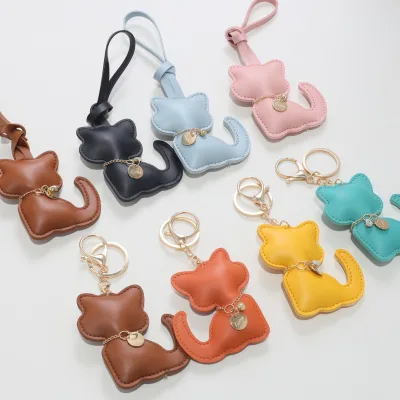
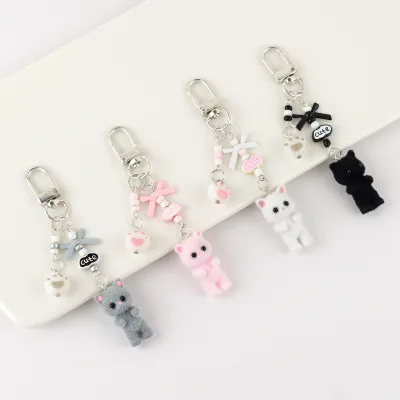
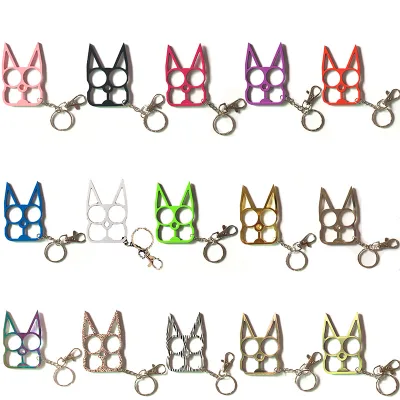


Lovely Cat Keychain for School Bag Cute Charm Keyring Creative Key Chains
$1.20 - $1.83
MOQ: 100 Pieces



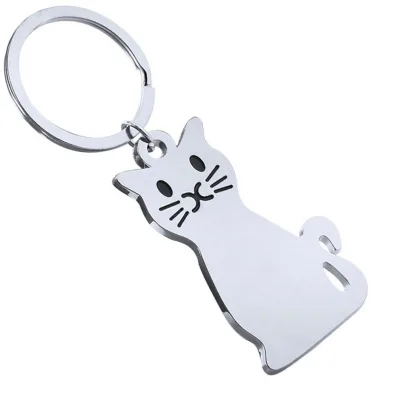


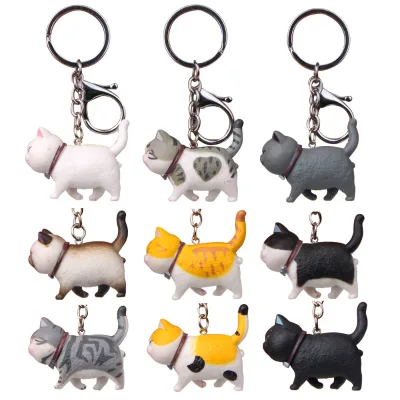


Comprehensive Sourcing Guide
Cute Cartoon Siamese Kitten Keychain Sourcing Guide
Sourcing cute cartoon siamese kitten keychains requires a clear understanding of the diverse manufacturing capabilities available in China, particularly in hubs like Shanghai and Zhejiang. Buyers must recognize that these items are not monolithic; they span from soft, hand-made plush toys to rigid, machined metal or resin pieces. The observed market signals indicate a high degree of customization, with suppliers offering OEM and ODM services to accommodate specific brand identities. This flexibility allows purchasers to tailor the product’s shape, material, and packaging to match their target audience, whether for retail gift shops or promotional campaigns.
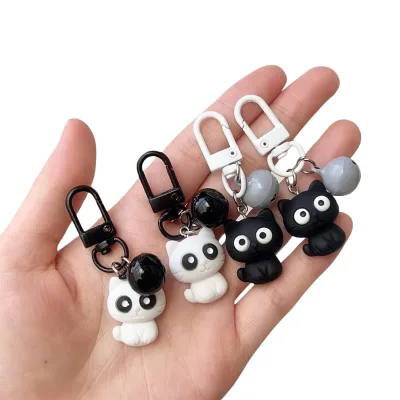
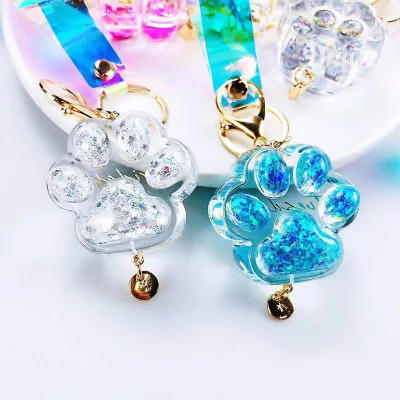
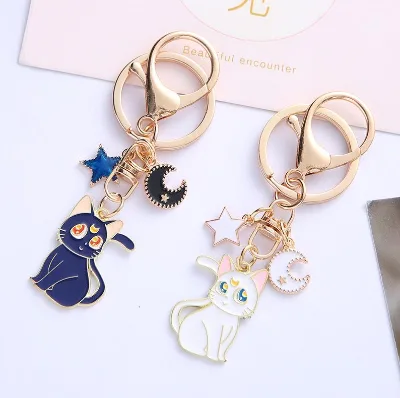
The visual appeal of these keychains often drives initial interest, with styles ranging from cartoonish and cute to irregular shapes that mimic the playful nature of kittens. However, the underlying construction varies significantly, with some products featuring silk screen printing on resin or zinc alloy components, while others rely on plush materials for a soft, comfortable feel. Procurement teams must evaluate these physical attributes carefully, as the chosen material directly impacts the product’s durability, weight, and perceived value. Understanding these distinctions is crucial for aligning supplier capabilities with the specific requirements of the end-user market.
Product Scope and Observed Listing Signals
The current market landscape for these keychains reveals a wide price range, typically observed between $0.01 and $3.57 USD, reflecting the disparity between simple plastic charms and more complex, multi-material designs. Minimum order quantities (MOQs) also vary substantially, starting from as low as one unit for sampling purposes up to 1,200 units for bulk production runs. This variability suggests that suppliers are equipped to handle both small-batch, high-customization orders and larger, standardized production runs. Buyers should leverage this flexibility to test market response with smaller initial orders before committing to significant inventory investments.
Product listings frequently highlight features such as eco-friendly materials, soft comfort, and specific applications like bag pendants, car keychains, or garment accessories. The observed data indicates that many suppliers offer customizable labels, hang tags, and logos, allowing brands to integrate their identity seamlessly into the product. Additionally, the single package sizes and gross weights provided in listings help buyers calculate shipping costs and storage requirements accurately. These logistical details are essential for planning supply chain efficiency, ensuring that the final delivered cost remains competitive while maintaining the desired product quality and presentation standards.
Technical Specifications to Verify
When evaluating technical specifications, buyers must verify the exact material composition, as listings indicate options ranging from resin and plastic to zinc alloy and plush fabrics. For metal-based keychains, the technique is often described as machining, which affects the precision of details like the kitten’s facial features or accessory elements. In contrast, plush versions are typically hand-made, offering a different tactile experience but potentially requiring more rigorous quality control to ensure stitching integrity and material consistency. Confirming these manufacturing methods is vital for predicting the product’s longevity and suitability for its intended use, whether as a durable car accessory or a delicate gift item.
Dimensional accuracy is another critical technical aspect, with observed single package sizes varying from compact 10x0.5x0.5 cm profiles to larger 15x7x8 cm packages. The gross weight per unit also differs, with some items weighing as little as 0.01 kg and others up to 0.017 kg, which can impact shipping calculations and consumer perception of value. Buyers should request detailed technical drawings or physical samples to verify that the size, shape, and weight align with their packaging and branding requirements. Additionally, confirming the printing method, such as silk screen printing, ensures that logos and designs will be applied correctly without smudging or fading during normal use.
Compliance and Safety Documentation
Compliance is a non-negotiable aspect of sourcing these keychains, especially when they are marketed as gifts or intended for children. Suppliers in the observed data list certifications such as CE, EN71, ASTM, CPSIA, and REACH, which are critical for entering regulated markets like the European Union and the United States. Buyers must verify that these certifications are current and applicable to the specific materials used in the final product, particularly for plush items that may contain small parts or soft fillings. Requesting valid test reports from accredited laboratories is essential to ensure that the products meet all safety standards regarding chemical content, physical hazards, and flammability.
Beyond product-specific certifications, suppliers may also hold broader operational certifications such as BSCI and ISO9001, indicating a commitment to ethical labor practices and quality management systems. These credentials provide additional assurance regarding the supplier’s reliability and adherence to international standards. Buyers should include compliance verification as a key step in their supplier qualification process, ensuring that all documentation is provided before placing bulk orders. This proactive approach helps mitigate the risk of customs delays, product recalls, or legal liabilities associated with non-compliant goods, protecting the brand’s reputation and ensuring smooth market entry.
Cost Drivers and Commercial Terms
Several factors influence the final cost of cute cartoon siamese kitten keychains, including material selection, customization complexity, and order volume. The observed production time of approximately 20 days, or according to order quantity, suggests that lead times can vary based on the scale of production and the intricacy of the design. Buyers should negotiate clear commercial terms that account for these variables, ensuring that delivery schedules are realistic and aligned with their inventory needs. Additionally, the sample time of 3-7 working days allows for quick iteration and approval, but buyers should clarify any associated costs for samples and shipping to avoid unexpected expenses.
Packaging is another significant cost driver, with observed packing configurations ranging from 30 to 40 pieces per carton, often boxed for retail presentation. Customizing the packaging, including labels and hang tags, can add to the overall cost but enhances brand visibility and product appeal. Buyers should work closely with suppliers to optimize packaging efficiency, reducing material waste and shipping volume without compromising product protection. Clear communication regarding these details helps in accurate cost forecasting and ensures that the final product meets both functional and aesthetic expectations, providing a competitive edge in the marketplace.
Supplier Qualification and Quality Control
Qualifying suppliers for cute cartoon siamese kitten keychains requires a thorough assessment of their manufacturing capabilities and quality control processes. Buyers should verify the supplier’s ability to handle customization, including logo printing and design modifications, as indicated by their OEM/ODM offerings. Requesting references or case studies from previous clients can provide insights into the supplier’s reliability and consistency. Additionally, conducting on-site audits or third-party inspections can help assess the factory’s working conditions, equipment, and adherence to safety standards, ensuring that the production environment supports high-quality output.
Quality control measures should be established early in the procurement process, with clear specifications for materials, dimensions, and finishing. Buyers should define acceptable quality limits (AQL) and conduct pre-shipment inspections to catch any defects before the goods leave the factory. For plush items, checking for loose threads or uneven stitching is crucial, while for metal or resin pieces, verifying the precision of machining and the durability of prints is essential. Implementing a robust quality control plan helps minimize the risk of receiving substandard products, ensuring that the final goods meet the brand’s standards and customer expectations.
Long-Term Procurement Checks
Establishing long-term procurement relationships with keychain suppliers involves continuous monitoring of performance metrics and market trends. Buyers should regularly review supplier performance based on delivery times, product quality, and responsiveness to issues. Maintaining open communication channels allows for timely resolution of any problems and fosters a collaborative partnership. Additionally, staying informed about changes in regulations, such as updates to EN71 or ASTM standards, ensures that the products remain compliant over time. Proactive engagement with suppliers helps in adapting to market shifts and maintaining a competitive edge in the sourcing landscape.
As consumer preferences evolve, buyers should periodically reassess the design and material choices for their keychains to ensure they remain relevant and appealing. This may involve exploring new customization options, such as eco-friendly materials or innovative printing techniques, to differentiate the product in a crowded market. Regularly updating the product portfolio based on customer feedback and sales data helps in maintaining inventory turnover and maximizing profitability. By treating procurement as a strategic function rather than a transactional process, buyers can build resilient supply chains that support long-term business growth and success.
FAQs
Can I customize the logo on the keychain?
Yes, customers can provide their own logo for customization on the keychain. The product supports OEM and ODM services, allowing for personalized branding. This feature is available alongside other customization options like shape and color to meet specific buyer requirements.
What certifications do these keychains hold?
The keychains hold multiple certifications including CE, En71, ASTM, Cpsia, and Reach. Additionally, the production facility maintains BSCI and ISO9001 certificates. These standards ensure the products meet international safety and quality requirements for various markets.
How long does production take for an order?
Production time is about 20 days or according to the specific order quantity. Sample time is shorter, taking approximately 3 to 7 working days. The exact duration depends on the volume ordered and the complexity of the customization requested by the buyer.
What is the minimum order quantity required?
The minimum order quantity ranges from 1 to 1200 units depending on the specific product listing. Buyers can find options starting from a single item up to larger bulk orders. This flexibility allows small businesses and large retailers to source suitable quantities.
Where are these keychains manufactured?
These keychains originate from China, specifically from locations like Shanghai and Zhejiang. The products are manufactured by suppliers based in these regions. Buyers can expect goods to be shipped from these established manufacturing hubs in China.
What materials are used to make the keychains?
Materials include resin, plastic, and zinc alloy depending on the specific model. Some versions are hand-made while others use machining techniques. The choice of material affects the weight and texture, offering options like soft comfortable or eco-friendly features.
How are the keychains packaged for shipping?
Packaging options include boxed units or bulk cartons containing 30 to 40 pieces. The single package size varies, typically around 10x5x3 cm or 10x8x5 cm. Custom labels or hang tags can also be added to the packaging upon request.