Source Beer Bottle Opener Key Chain for Gifts, Promotions, and Events
Explore 30 verified listings for the Beer Bottle Opener Key Chain, comparing features like material, customization, and MOQ. Buyers can evaluate options for promotional gifts, business events, and everyday utility with diverse designs and pricing; compare the available evidence and request quotations based on your requirements.
Updated
Key considerations
Products List


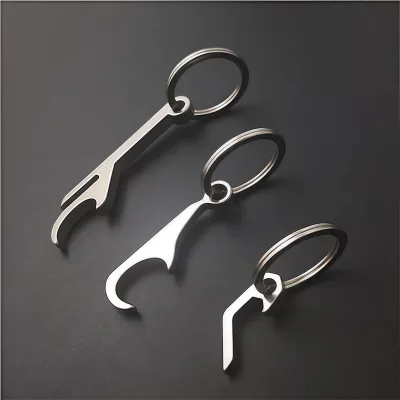

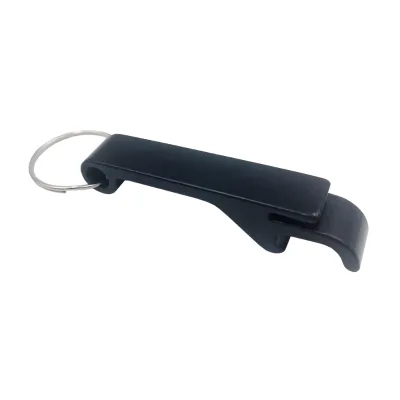
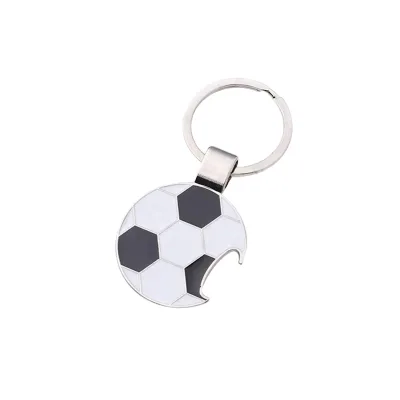


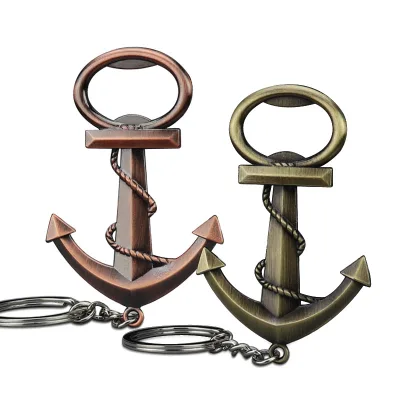
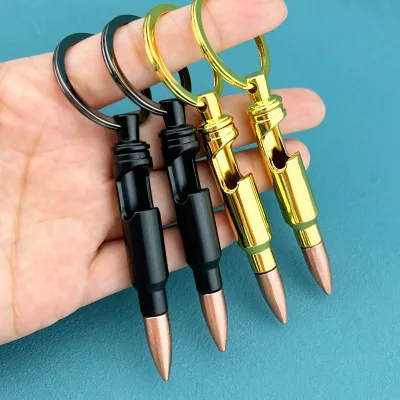


Hot Sale Customized Metal Aluminum Beer Opener Custom Keychain Bottle Opener
$0.12 - $0.21
MOQ: 2400 Pieces




Comprehensive Sourcing Guide
Beer Bottle Opener Key Chain Sourcing Guide
Sourcing beer bottle opener key chains requires a clear understanding of the diverse material options and functional designs available in the current market. Buyers often encounter products constructed from zinc alloy or aluminum, with some listings specifying aluminum alloy combined with stainless steel components for enhanced durability. The observed product range includes items described as multifunctional, featuring integrated keychains, and designed for universal use across various promotional contexts. These items are frequently marketed as business-style gifts, emphasizing their utility in corporate branding and event giveaways.
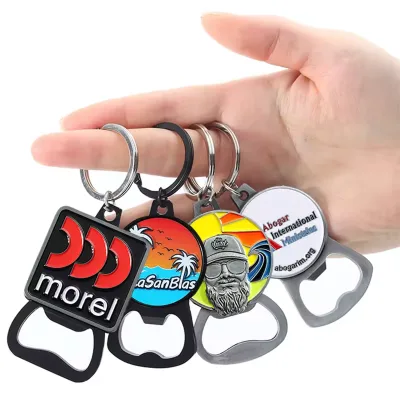
The customization landscape for these products is extensive, allowing buyers to tailor the final output to specific brand identities. Customization options typically include logo printing, color variations, and specific packaging requirements. Suppliers often support custom printing services, enabling the application of corporate logos or event-specific graphics on the metal surfaces. This flexibility is crucial for businesses aiming to create memorable promotional items that serve both as practical tools and brand ambassadors. The ability to customize ensures that the final product aligns with the buyer’s marketing strategy and aesthetic preferences.
Product Scope and Observed Listing Signals
The observed product listings reveal a wide spectrum of specifications, including model numbers such as key-1, 072, ABO, and CF-WO-45. These identifiers help buyers distinguish between different product lines and manufacturing batches. The shape of these items is generally described as geometric, with some specific dimensions noted, such as a five-centimeter length for certain models. This variation in size and model number indicates that buyers must carefully review product details to ensure the selected item meets their physical and functional requirements. The diversity in models suggests a mature supply chain with multiple manufacturing capabilities.
Pricing and minimum order quantities (MOQ) vary significantly across different suppliers and product types. Observed price ranges in USD span from 0.05 to 3, reflecting differences in material quality, customization complexity, and order volume. MOQs are similarly flexible, ranging from as low as 100 pieces to as high as 2400 pieces for certain items. Some suppliers indicate that prices can be discussed for larger quantities, suggesting potential for cost savings through volume commitments. Buyers should consider their projected sales or distribution needs when evaluating these thresholds to optimize their procurement strategy.
Technical Specifications to Verify
When evaluating technical specifications, buyers should prioritize the material composition and finishing processes. Common materials include zinc alloy, aluminum, and combinations of aluminum alloy with stainless steel. The plating and surface treatment options, such as anodizing, play a critical role in the product’s appearance and resistance to wear. Buyers must verify the specific metal type and plating method to ensure the product meets their durability and aesthetic standards. The processing techniques, such as casting, also influence the final quality and precision of the product’s geometry.
Packaging and shipping details are equally important for logistical planning. Standard packaging often includes individual OPP bags or bulk carton configurations, with specific carton sizes like 302520cm noted for certain batches. Buyers should confirm the packing method to ensure it protects the products during transit and aligns with their storage requirements. Additionally, the mode of shipment, whether by sea, air, express, or train, affects lead times and costs. Understanding these logistical parameters helps buyers plan their inventory management and delivery schedules effectively.
Compliance and Safety Documentation
Compliance and safety documentation are essential for ensuring that the beer bottle opener key chains meet international trade standards. Buyers should request certificates of conformity and material safety data sheets from suppliers to verify that the products are free from harmful substances. Although specific certification statuses are not universally listed, buyers must proactively ask for documentation that confirms compliance with relevant regulations in their target markets. This due diligence helps mitigate risks associated with product recalls or legal issues in foreign jurisdictions.
Quality assurance processes should also be scrutinized to ensure consistent product performance. Suppliers often claim that quality is guaranteed, but buyers should seek evidence of this through sample orders or third-party inspections. The availability of sample orders is a positive indicator, allowing buyers to physically assess the product’s build quality, functionality, and finish before committing to large volumes. Verifying these quality controls ensures that the final shipment meets the expected standards and reduces the likelihood of receiving defective goods.
Cost Drivers and Commercial Terms
Several factors influence the total cost of beer bottle opener key chains, including material costs, customization complexity, and order volume. The use of premium materials like stainless steel or complex finishing processes such as anodizing can increase the unit price. Conversely, larger order quantities often lead to lower per-unit costs due to economies of scale. Buyers should negotiate pricing based on their projected volume, keeping in mind that some suppliers offer flexible pricing discussions for bulk orders. Understanding these cost drivers helps buyers budget accurately and identify opportunities for cost reduction.
Commercial terms, including lead times and payment conditions, are critical components of the procurement agreement. Typical lead times for production range from seven to ten days, but this can vary based on customization requirements and supplier capacity. Buyers should confirm lead times early in the negotiation process to ensure timely delivery for their events or campaigns. Additionally, clear payment terms and return policies should be established to protect the buyer’s interests. Transparent commercial terms facilitate smoother transactions and reduce the risk of misunderstandings or disputes.
Supplier Qualification and Quality Control
Supplier qualification is a vital step in ensuring a reliable supply chain for beer bottle opener key chains. Buyers should assess suppliers based on their manufacturing capabilities, customization options, and track record. Locations such as Fujian and Guangdong in China are common origins for these products, indicating a concentration of manufacturing expertise in these regions. Buyers should verify the supplier’s ability to handle their specific customization needs, such as logo printing and color matching, to ensure the final product meets their brand standards.
Quality control measures should be integrated into the procurement process to maintain product consistency. Buyers should implement pre-shipment inspections to verify that the products meet the agreed-upon specifications and quality standards. This includes checking for defects in the metal finish, functionality of the bottle opener, and accuracy of the logo printing. Establishing a robust quality control protocol helps identify and rectify issues before the products are shipped, ensuring that the buyer receives high-quality goods that reflect positively on their brand.
Long-Term Procurement Checks
Long-term procurement success depends on continuous monitoring of supplier performance and market trends. Buyers should regularly review supplier reliability, including their ability to meet lead times and maintain consistent quality. Building a strong relationship with suppliers can lead to better pricing and priority service during peak demand periods. Additionally, staying informed about new materials and customization technologies can help buyers identify opportunities for product improvement and cost savings. This proactive approach ensures that the procurement strategy remains competitive and aligned with business goals.
Sustainability and eco-friendly practices are increasingly important in procurement decisions. Buyers should inquire about the eco-friendliness of the materials and packaging used in the production of beer bottle opener key chains. Some suppliers offer eco-friendly options, which can enhance the brand’s image and appeal to environmentally conscious consumers. Incorporating sustainability into the procurement strategy not only meets regulatory requirements but also aligns with broader corporate social responsibility objectives. This long-term perspective helps build a resilient and responsible supply chain.
FAQs
What materials are used for beer bottle opener key chains?
These key chains are typically crafted from zinc alloy, aluminum, or aluminum alloy combined with stainless steel. The metal types provide durability and a premium feel suitable for business gifts. Some models feature anodized plating for enhanced aesthetics and corrosion resistance, ensuring the item remains light and nice for long-term promotional use.
Can I customize the logo and packaging for these items?
Yes, customization is available for both the product and its packaging. You can add your logo via printing or 2D/3D crafts. The packaging can be customized to your request, such as individual OPP bags or bulk cartons. This flexibility allows you to create unique promotional gifts that align with your brand identity and specific marketing needs.
What is the typical lead time for production?
The standard lead time for production is approximately 7 to 10 days. This timeframe applies to most standard orders and customization requests. Buyers should confirm specific timelines with suppliers, as complex designs or large quantities might require additional processing time. Express shipping options are also available to expedite delivery once production is complete.
What are the minimum order quantities for these key chains?
Minimum order quantities vary by supplier and product model. Some suppliers require an MOQ of 1000 pieces, while others may accept orders as low as 100 pieces. Buyers should check specific product listings for exact MOQ requirements. Larger quantities often allow for price negotiations, making bulk orders more cost-effective for promotional campaigns and corporate gifting.
How are these key chains packaged for shipment?
Packaging options include individual OPP bags or bulk carton shipments. For bulk orders, cartons typically contain 500 pieces with dimensions around 30x25x20 cm. Custom packaging is supported to meet specific client requirements. This flexible packaging ensures safe transport via sea, air, or express courier, protecting the items during international logistics and distribution to end users.
What colors and finishes are available for aluminum models?
Aluminum models are available in various colors including silver, black, red, purple, green, and blue. The anodized plating process provides a durable and attractive finish. These color options allow for versatile branding and design choices. The lightweight nature of aluminum ensures the key chain is comfortable to carry while maintaining a professional appearance for business and promotional purposes.