Find Digital CE Water Testing Equipment for labs, factories, and quality control
Source 30 Digital CE Water Testing Equipment options from verified Chinese manufacturers. Buyers can compare models like TOB-831+860 and BSK-WH2 for features including moisture measurement, pressure resistance, and waterproof testing capabilities to suit industrial needs.
Key considerations
Products List


High-Precision Water Pressure Testing Equipment with External Measurement for Bench Testing
$19000.00 - $20000.00
MOQ: 1 Pieces


Small and Portable Multi-Parameter Water Quality Testing Equipment Tp510t
$1500.00 - $8000.00
MOQ: 1 Pieces

Factory Sale Automobile Water Testing Equipment
$10000.00 - $100000.00
MOQ: 1 Pieces
Guangdong Jingzhongjing Industrial Painting Equipments Co., Ltd.
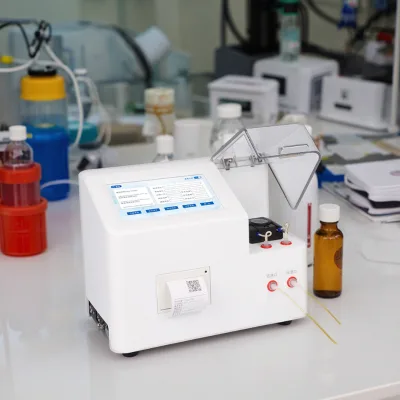
Comprehensive Sourcing Guide
Strategic Sourcing Guide for Digital CE Water Testing Equipment
Navigating the global market for digital water testing equipment requires a disciplined approach that balances technical precision with regulatory compliance. The core keyword "Digital CE Water Testing Equipment" points to a specific segment of industrial instrumentation where digital readouts, European conformity (CE) markings, and water analysis capabilities converge. Buyers in this sector must distinguish between general-purpose testers and specialized chambers designed for rigorous environmental simulation. The following guide outlines the critical factors for sourcing these assets, drawing strictly from verified product attributes and established industry practices to ensure procurement decisions are grounded in factual evidence rather than marketing speculation.
Technical Specifications and Measurement Capabilities
When evaluating digital water testing equipment, the primary focus must be on the precision of measurement and the scope of the instrument's capabilities. The market offers devices ranging from handheld multi-function testers to large-scale environmental chambers. For portable instruments, buyers should look for specific indicators of sensitivity. High-performance units often feature a moisture measurement resolution as fine as 0.1 micrograms (0.1ug), a specification critical for applications requiring trace moisture detection in liquids or gases. Furthermore, the electrical interface of these devices is a key differentiator; some advanced models utilize an indicating electrode measurement range extending from 0 to 2400 millivolts (0~2400mv), allowing for a broad spectrum of electrochemical analysis.
The physical form factor and material composition are equally significant. Portable units are frequently constructed from a combination of plastic and stainless steel to ensure durability in wet environments while maintaining a lightweight profile for field use. In contrast, larger testing systems, such as waterproof test chambers, are built with robust materials like SUS304 stainless steel tanks, often with a thickness of 3 mm to withstand high-pressure conditions. These chambers may feature specific dimensions, such as a tank diameter of 600 mm and a height of 1200 mm, with a water level capacity of 1000 mm. The internal volume and structural integrity determine the maximum pressure holding range, which in some high-end models can extend from atmospheric pressure up to 0.3 MPa for IPX8 simulations.
Compliance and Certification Verification
The "CE" designation in the search query implies adherence to European Union safety and health standards. However, the presence of a CE mark is not a guarantee of quality without supporting documentation. Buyers must verify that the equipment carries recognized certifications such as ISO and CE, which are often listed together in product specifications. For digital instruments, the display type is a crucial compliance indicator; digital displays are standard for ensuring accurate, unambiguous readings that meet regulatory reporting requirements.
In addition to general safety certifications, specific product standards must be checked against the intended application. For instance, some equipment is manufactured to ABS standards, while others utilize a "Plastic and stainless steel" standard for structural components. It is vital to confirm that the supplier provides a valid certificate of conformity. The absence of a specific certification in the product data should not be assumed to mean non-compliance, but rather that the buyer must request this documentation before finalizing a purchase. For large chambers, the standard may also include dimensional specifications, such as a length of 1350 mm, depth of 3400 mm, and height of 1750 mm, which must align with the physical constraints of the buyer's facility.
Cost Drivers and Pricing Structures
The pricing of digital water testing equipment is highly variable, influenced by the complexity of the technology, the materials used, and the scale of the unit. Observed market data indicates a wide price range, with entry-level portable testers available at lower price points, while comprehensive test chambers can command significantly higher costs. The minimum order quantity (MOQ) also plays a role in the final unit cost, with ranges typically spanning from 1 unit to 1000 units depending on the supplier's production capacity and the customization level required.
Several factors drive the cost of these systems. First, the material grade is a primary cost driver; units featuring SUS304 stainless steel tanks are generally more expensive than those with standard plastic or lower-grade steel components. Second, the level of customization available, such as OEM (Original Equipment Manufacturer) and ODM (Original Design Manufacturer) support, adds to the base price. Third, the complexity of the power supply and signal output mechanisms affects cost; systems offering RS-485 signal output or DC12V power supplies with multi-function capabilities often carry a premium over basic models. Finally, packaging requirements, such as wooden case packing for air or sea freight versus standard carton packaging, can influence the total landed cost, particularly for international buyers.
Typical Applications and Operational Scenarios
Digital water testing equipment serves a diverse array of industrial applications, from quality control in manufacturing to environmental compliance testing. Portable multi-function testers, often branded as "5 in 1 Water Testers," are ideal for field technicians who need to assess water quality parameters on-site. These devices are designed for portability and ease of use, featuring digital displays and compact dimensions, such as 246.5mm by 44mm, making them suitable for quick assessments in various locations.
On the other end of the spectrum, large-scale test chambers are essential for product validation in the electronics and automotive industries. These units, often labeled with keywords like "Rain Waterproof Test Chamber" or "Waterproof Test Chamber," are used to simulate extreme environmental conditions. They are specifically designed to test the ingress protection (IP) ratings of devices, capable of simulating water immersion depths up to 30 meters for IPX8 standards. The testing time in these chambers can be freely set between 1 and 999 minutes, allowing for precise control over the duration of the stress test. The exhaust modes, including automatic and manual options, ensure that the testing environment can be reset quickly for subsequent trials.
Supplier Evaluation and Origin Verification
When sourcing digital water testing equipment, the origin of the product is a critical factor in evaluating supplier reliability. The majority of the observed products originate from China, with specific manufacturing hubs identified in regions such as Henan and Dongguan City, Guangdong Province. Buyers should verify the "Place of Origin" listed in the product specifications to ensure it aligns with their supply chain strategy. For instance, a product listed with an origin of "Henan" may have different logistical implications compared to one from "Dongguan City, Guangdong Province."
Supplier evaluation should also focus on the availability of customization support. Many manufacturers in this sector offer OEM and ODM services, allowing buyers to tailor the equipment to their specific brand or functional requirements. The presence of a "Customization: Available" attribute suggests that the supplier is flexible and capable of adapting standard models. Additionally, the warranty period is a key indicator of supplier confidence; a standard 1-year warranty is commonly observed, but buyers should confirm if extended coverage is available for high-value items like test chambers. The packaging method, whether it is a standard carton or a reinforced wooden case, also reflects the supplier's attention to detail regarding product protection during transit.
Quality Control and Long-Term Procurement Considerations
Ensuring the long-term reliability of digital water testing equipment requires a robust quality control strategy. Buyers must verify the thread specifications and pressure resistance capabilities of the equipment, especially for systems involving fluid dynamics. For example, a thread size of G3/4" and a pressure resistance capability of ≤0.2 MPa are specific attributes that must be matched to the buyer's existing infrastructure. Mismatches in these technical parameters can lead to installation failures or safety hazards.
For long-term procurement, the maintenance of the equipment is paramount. Test chambers with stainless steel tanks require regular inspection to prevent corrosion, even though SUS304 is highly resistant. The testing time settings and simulated water depth capabilities should be periodically calibrated to ensure they remain within the specified ranges, such as the 0-30 meter depth for IPX8 testing. Furthermore, the power supply stability, typically DC12V for portable units, must be maintained to prevent data corruption or sensor drift. Buyers should also consider the availability of spare parts and the supplier's ability to provide technical support for troubleshooting issues related to the digital display or signal output interfaces.
Comparative Analysis of Equipment Categories
To assist in decision-making, the following table summarizes the key distinctions between the primary categories of digital water testing equipment observed in the market. This comparison highlights the differences in specifications, materials, and intended use cases to help buyers select the appropriate asset for their needs.
| Feature Category | Portable Digital Tester | Waterproof Test Chamber |
|---|---|---|
| Primary Function | Multi-function water quality analysis | Environmental ingress protection testing |
| Typical Model | BSK-5 in 1, TOB-831+860 | TY-IPX3, BSK-WH2 |
| Material | Plastic and stainless steel | SUS304 Stainless Steel Tank |
| Measurement Range | 0~2400mv (Electrode) | 0-30 M (Simulated Depth) |
| Resolution | 0.1ug (Moisture) | N/A (Time/Depth based) |
| Power Supply | DC12V | Industrial/Standard (Variable) |
| Packaging | Carton / Carton Packing | Wooden Case Packing |
| Origin | Henan, China | Dongguan City, Guangdong, China |
| Certification | CE, ISO, RoHS | CE, ISO |
| Customization | OEM, ODM Available | OEM, ODM Available |
This structured approach to sourcing ensures that buyers can navigate the complexities of the digital water testing equipment market with confidence. By focusing on verified technical specifications, rigorous certification checks, and clear understanding of cost drivers, procurement teams can secure equipment that meets both immediate operational needs and long-term strategic goals. The diversity of available options, from handheld testers to massive test chambers, underscores the importance of aligning specific product attributes with the unique demands of the application.
FAQs
What is the moisture measurement resolution for digital testers?
The moisture measurement resolution is 0.1ug for high-performance units. This precision is critical for applications requiring trace moisture detection in liquids or gases, ensuring accurate analysis results.
Which certifications are commonly listed for this equipment?
Common certifications include CE, ISO, and RoHS. Buyers should verify that the equipment carries these recognized certifications to ensure adherence to European Union safety and health standards.
Can the equipment be customized for specific brand requirements?
Yes, customization support is available including OEM and ODM services. Suppliers offer flexibility to tailor equipment to specific functional requirements or brand identities for specialized industrial applications.
What is the indicating electrode measurement range for advanced models?
The indicating electrode measurement range extends from 0 to 2400mv. This broad spectrum allows for comprehensive electrochemical analysis suitable for diverse water quality testing scenarios.
How is the waterproof test chamber tank constructed?
The tank is constructed from SUS304 stainless steel with a thickness of 3 mm. This material ensures durability and resistance to corrosion while withstanding high-pressure conditions up to 0.3 MPa.
Where are these products typically manufactured?
Products originate from China, specifically from regions like Henan and Dongguan City. Buyers should verify the place of origin to align with their specific supply chain logistics and strategies.
What is the warranty period for the testing equipment?
A standard warranty period of 1 year is commonly observed for these devices. Buyers should confirm if extended coverage is available for high-value items like large test chambers.