Source Digital Clock Kit for Timer Switch, Time Counter, and DIY Projects
Explore 30 listings for the Digital Clock Kit, comparing specifications like 4-digit LED displays, counter functions, and power options from verified Chinese manufacturers. Buyers can evaluate features such as WiFi timing modules and battery packs to find suitable solutions for timer switches and time counters.
Key considerations
Products List



Comprehensive Sourcing Guide
Digital Clock Kit Sourcing Guide
Sourcing digital clock kits requires a nuanced understanding of the distinction between consumer-ready finished goods and DIY assembly components. The market offers a wide spectrum of products, ranging from simple 4-digit LED kits that require manual soldering and assembly to advanced WiFi-enabled timing modules with integrated smart features. Buyers must first determine whether their procurement goal is to stock finished retail items for end consumers or to source component kits for educational, promotional, or industrial assembly purposes. This distinction fundamentally alters the technical verification steps, compliance requirements, and supplier qualification criteria necessary for a successful procurement cycle.
The observed market signals indicate a diverse inventory with varying levels of complexity and origin. Listings reveal products such as 4-digit electronic clock kits, DIY clock kits, and WiFi timing clock modules, all originating primarily from China, with specific mentions of Guangdong and Fujian provinces. These items vary significantly in their power requirements, display technologies, and intended usage, spanning from basic timer switches to reversible counters. Understanding these variations is critical for aligning supplier capabilities with specific project needs, ensuring that the selected kit meets the functional, aesthetic, and regulatory expectations of the target market.
Product Scope and Observed Listing Signals
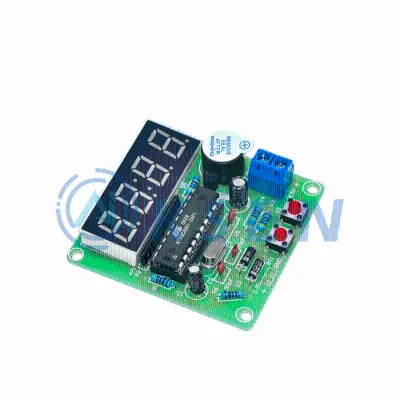
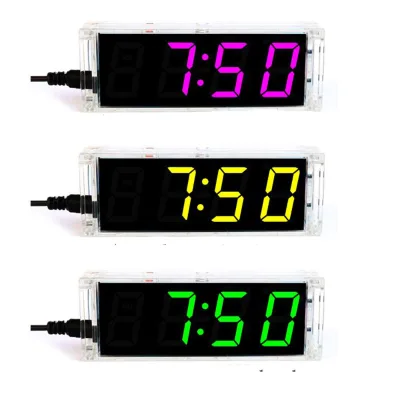
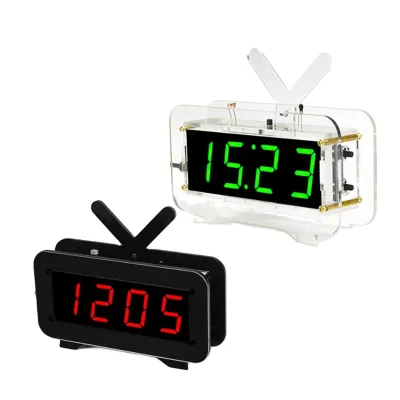
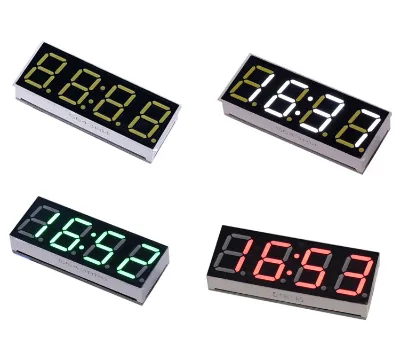
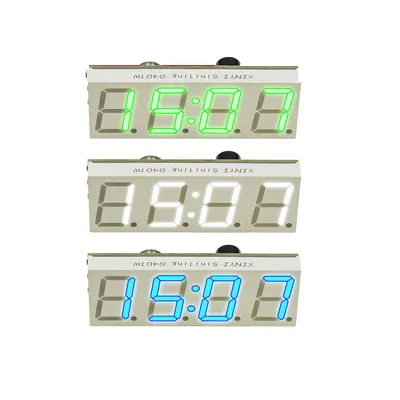
The product scope for digital clock kits encompasses a variety of form factors and functionalities, as evidenced by current market listings. Common configurations include 4-digit electronic clock kits featuring LED displays, often with red digits and a square shape, designed for simple timekeeping or timer applications. Some listings highlight specific features such as addition and subtraction counting, reversible counting, and day/date displays, indicating a broader utility beyond standard timekeeping. These kits are typically marketed under brand names like "zyda" or as generic "Original" products, with packaging ranging from standard manufacturer boxes to more protective white box and bubble bag combinations.
Beyond basic LED kits, the scope extends to more sophisticated modules, such as WiFi timing clock modules that offer digital display methods and features like alarms and power reserves. These advanced units may be designed for unisex use and feature simple, modern styles with black dials and large 7-segment LED digits. The presence of external power supply options and voltage ranges of 110-240V suggests adaptability for various global markets. Buyers should note that while some products are described as "DIY" or "Kit," others may be pre-assembled modules, requiring careful verification of the product description to ensure the received item matches the intended assembly level and functional requirements.
Technical Specifications to Verify
When evaluating digital clock kits, verifying the core technical specifications is paramount to ensuring compatibility with the end-use application. Key attributes to confirm include the display type, such as 4-digit 7-segment large LED digits, and the LED color, which is frequently red but may vary. Buyers must also verify the power source, distinguishing between kits that require battery packs (such as No. 5 batteries) and those designed for external power supply with specific voltage inputs like 110-240V. The physical dimensions and weight are also critical for logistics and packaging design, with observed single package sizes around 10x6x2 cm and gross weights near 0.250 kg for certain kits, though larger modules may have different specifications.
Functional capabilities must be explicitly confirmed, as listings may describe features like timer switching, time counting, addition/subtraction counting, and reversible counting. It is essential to determine whether the kit includes all necessary components, such as circuit boards, LEDs, resistors, and batteries, or if these are sold separately. For WiFi-enabled modules, verifying the connectivity standards and software compatibility is crucial. Additionally, buyers should check the dial color, style, and pattern to ensure aesthetic alignment with product designs, noting that some kits offer customization options while others are fixed in their design and functionality.
Compliance and Safety Documentation
Compliance and safety documentation are non-negotiable for digital clock kits, particularly those involving electrical components and batteries. Buyers must ensure that suppliers provide appropriate certificates of conformity, which may include CE, FCC, or RoHS certifications, depending on the target market. For kits containing batteries, such as the No. 5 battery packs mentioned in some listings, compliance with battery transport regulations and safety standards is essential to prevent hazards during shipping and use. The presence of external power supplies requires verification of electrical safety standards to ensure protection against shock, fire, and overcurrent conditions.
Warranty terms and return policies also play a significant role in risk mitigation. Observed warranty periods range from 30 to 90 days for some kits to 1 year for others, indicating varying levels of supplier confidence in product durability. Buyers should clarify the scope of the warranty, including coverage for manufacturing defects, component failures, and software issues in smart modules. Additionally, verifying the condition of the products, such as "Original 100%" status, helps ensure that buyers are not receiving refurbished or counterfeit items. Clear documentation of these terms protects the buyer from unexpected costs and liability issues associated with product failures in the field.
Cost Drivers and Commercial Terms
Several factors influence the cost structure of digital clock kits, including the complexity of the electronics, the quality of components, and the level of assembly required. DIY kits with basic LED displays and manual assembly requirements may offer lower unit prices but incur higher labor costs for the buyer if assembly is performed in-house. Conversely, pre-assembled modules or WiFi-enabled units with advanced features typically command higher prices due to the integrated technology and reduced assembly burden. Buyers should also consider the impact of packaging, with options ranging from simple carton packing to more protective white box and bubble bag combinations, which can affect both product protection and shipping costs.
Commercial terms such as minimum order quantity (MOQ), lead times, and supply ability are critical for planning inventory and cash flow. Observed MOQs range from 1 to 3000 pieces, allowing for flexibility in order sizes, while lead times of 1-3 days suggest rapid availability for many suppliers. Supply abilities of up to 10,000 pieces per week indicate that suppliers can handle significant volume, but buyers should confirm whether this capacity is consistent during peak seasons. Port of dispatch, often Shenzhen or Hong Kong, and the origin of goods, primarily Guangdong and Fujian, also impact logistics costs and delivery times, so buyers should factor these into their total landed cost calculations.
Supplier Qualification and Quality Control
Supplier qualification is a critical step in ensuring the reliability and consistency of Digital Clock Kit procurement. Buyers should verify the supplier's manufacturing capabilities, including their production facilities in China, and assess their ability to meet specific technical and quality requirements. Checking the supplier's history, customer reviews, and response rates can provide insights into their reliability and customer service quality. For suppliers offering customization, it is essential to evaluate their design and engineering support to ensure they can accommodate specific branding or functional modifications.
Quality control measures should be clearly defined and agreed upon before placing orders. Buyers should request samples to verify product quality, functionality, and packaging integrity before committing to larger orders. Establishing clear acceptance criteria for defects, such as dead LEDs, incorrect displays, or missing components, is crucial for maintaining quality standards. Additionally, buyers should inquire about the supplier's quality management systems and inspection processes, including pre-shipment inspections and testing protocols. For WiFi modules, verifying the stability and security of the connectivity features is also important to ensure long-term performance and user satisfaction.
Long-Term Procurement Checks
Long-term procurement success depends on establishing robust relationships with suppliers and implementing continuous improvement processes. Buyers should regularly review supplier performance metrics, including on-time delivery rates, product quality consistency, and responsiveness to issues. Maintaining open communication channels and providing feedback on product performance can help suppliers improve their offerings and address any emerging issues promptly. For customized products, periodic reviews of design specifications and component availability can help prevent supply chain disruptions and ensure that products remain competitive in the market.
As technology evolves, buyers should stay informed about emerging trends in digital clock kits, such as advancements in LED technology, smart home integration, and energy efficiency. Regularly updating product specifications and compliance requirements ensures that the sourced kits remain relevant and compliant with changing regulations. Building a diversified supplier base can also mitigate risks associated with single-source dependencies, providing flexibility in sourcing and negotiating better terms. By focusing on long-term partnerships and continuous evaluation, buyers can secure a reliable supply of high-quality digital clock kits that meet their evolving business needs.
FAQs
What is the model number for the 4-digit electronic clock kit?
The model number is R4-digit electronic clock kit or DIY Clock Kit depending on the specific listing. Some variants are identified as Digital LED Electronic Clock Diy Kit. Buyers should verify the exact model number against the product description to ensure compatibility with their project requirements.
Can I customize the Digital Clock Kit for my specific needs?
Yes, customization is available for these digital clock kits. Buyers can request specific modifications to the suite or kit components. This option allows for tailored solutions while maintaining the core electronic functionality and timer switch usage features provided in the standard specifications.
What is the lead time for ordering these electronic clock kits?
The lead time for these products is typically 1 to 3 days. This fast turnaround applies to the standard supply ability of 10000 pieces per week. Buyers should confirm current availability as lead times may vary based on order volume and specific customization requests.
How is the Digital Clock Kit packaged for shipping?
The kits are packed in cartons with standard packaging details. Some specific models use white boxes with bubble bags and foam boxes for protection. The single package size is 10x6x2 cm with a gross weight of 0.250 kg, ensuring safe transport from the port of dispatch.
What warranty is provided for the digital LED electronic clock kit?
Warranty periods range from 30 to 90 days for some models and up to 1 year for others. The specific warranty depends on the product listing and brand name, such as zyda or Original. Buyers should check the specific item details to confirm the exact warranty duration before purchasing.
Where are these digital clock kits manufactured and shipped from?
These kits originate from China, specifically Guangdong and Fujian provinces. The port of dispatch is typically Shenzhen or HongKong. Buyers can expect products to be shipped from these locations, ensuring access to the established manufacturing supply chain in the region.
What functions does the 4-digit electronic clock kit perform?
The kit functions as an addition counter, subtract counter, and reversible counter. It also serves as a timer switch and time counter. These electronic features are powered by electric voltage ranging from 110 to 240 volts, suitable for various timing applications.