Source Digital Computer Control Pestle and Mortar for Labs, Kitchens, Schools
Compare 30 listings for Digital Computer Control Pestle and Mortar options suitable for laboratory, kitchen, and industrial applications. Buyers can review specifications, pricing, and customization details from verified suppliers to find the right equipment for their needs.
Key considerations
Products List


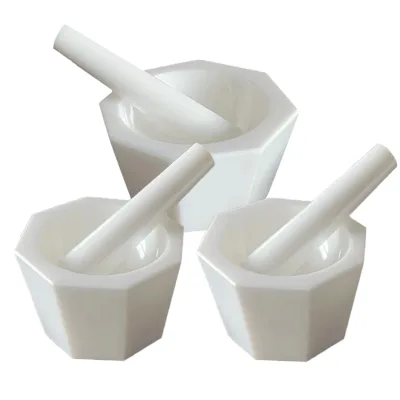
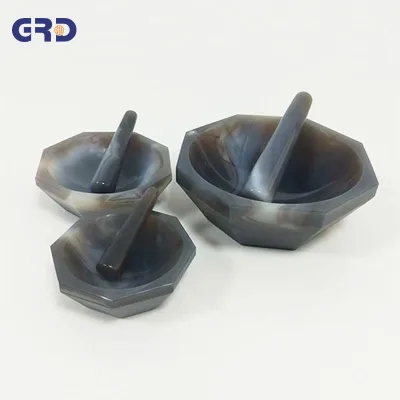
Lab Use High-Quality Laboratory Natural Agate Mortar and Pestle for Battery
$20.00 - $550.00
MOQ: 4 Pieces





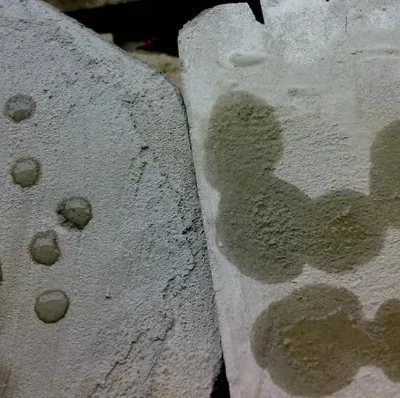
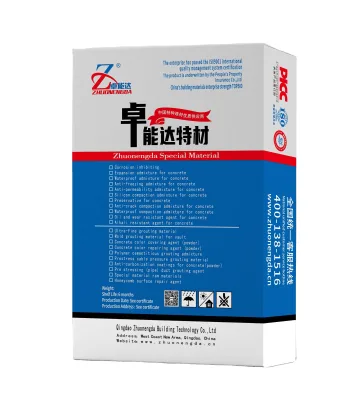
Waterproofing Concrete Repair Admixture Mortar for Concrete and Mortars
$71.89 - $102.70
MOQ: 2 barrels

Smart Dry Mix Mortar Line with Remote Monitoring & Ai Optimization
$230100.00 - $248000.00
MOQ: 1 Sets


Comprehensive Sourcing Guide
Strategic Sourcing Guide for Digital Computer Control Pestle and Mortar Systems
The procurement landscape for laboratory and industrial grinding equipment has evolved significantly, with a growing demand for precision tools that integrate digital control mechanisms. While the core keyword "Digital Computer Control Pestle and Mortar" suggests a high-tech automation of traditional grinding processes, buyers must navigate a market where traditional manual tools and advanced digital systems often coexist. This guide provides a disciplined approach to sourcing these systems, focusing on technical verification, material integrity, and supply chain reliability based on available industry data and product specifications.
Understanding the Technical Spectrum and Product Variants
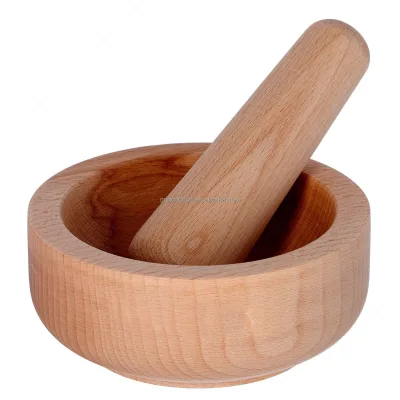
When researching Digital Computer Control Pestle and Mortar systems, it is critical to distinguish between fully automated digital units and traditional manual tools that may be listed under similar search terms. The current market inventory reveals a diverse range of product attributes. Some listings describe "Cast Iron Mortar and Pestle" units with specific dimensions, such as a diameter of 10cm and a height of 7cm, featuring a pre-seasoned surface treated with vegetable oil. These are typically manual tools designed for herb and spice preparation in laboratory or industrial settings. Other entries highlight "wood mortar and pestle" units made from wood, with a Mohs hardness of 6.5-7, intended for kitchen or household use.
The term "digital computer control" implies a mechanism where the grinding process is managed by software or electronic interfaces, allowing for precise control over speed, duration, and pressure. However, the supplied product facts do not explicitly confirm the existence of a "digital computer control" feature in the specific models listed (e.g., SQGM10, HIQ-AM, YS-E590, FT-2016.7). Instead, the data points to traditional materials like metal and wood, with features such as "Pre-Seasoned" surfaces and "Desktop" structures. Buyers must verify if the specific digital functionality they require is a standard feature of the listed models or if it represents a custom modification. The presence of "Customization: Available" and "OEM Service Accepted" suggests that while standard models may be manual, the supplier infrastructure supports the development of specialized digital variants.
Material Integrity and Surface Treatment Specifications
Material selection is paramount when sourcing grinding equipment, as it directly impacts the purity of the ground substance and the longevity of the tool. The observed product data highlights two primary material categories: metal and wood. Metal options, specifically cast iron, are noted for their durability and are often pre-seasoned to prevent rust and enhance performance. The surface treatment for these metal units involves seasoning by vegetable oil, a process that creates a protective barrier. In contrast, wood options are described with a specific Mohs hardness range of 6.5-7, indicating a dense grain structure suitable for grinding tasks without excessive wear.
For applications requiring high purity, such as in laboratories or hospitals, the material's interaction with the sample is a critical factor. Metal mortars and pestles, particularly those made of cast iron, offer robustness but require careful seasoning maintenance. Wood mortars, while softer, are often preferred for specific culinary or herbal applications where metal contamination is a concern. The color attributes observed include black, gray, and brown, which may indicate different material treatments or finishes. Buyers should verify the specific material composition against their application requirements, ensuring that the chosen material does not introduce contaminants or react chemically with the substances being processed.
Compliance, Certification, and Regulatory Standards
Navigating the regulatory landscape is essential for B2B procurement, especially when equipment is intended for use in sensitive environments like laboratories, hospitals, schools, and industrial facilities. The product data indicates that certain units carry the LFGB certification, a German standard that is widely recognized for food safety and contact materials. This certification is particularly relevant for products used in food preparation or where the ground material may be consumed.
However, the data also lists applications in "Lab, Hospital, School, Industry," which may require additional compliance checks beyond food safety. Buyers must verify if the digital control components, if present, meet relevant electrical safety standards and data integrity protocols. The "Standard Size" specification mentioned in the data suggests that some units adhere to established dimensional norms, which can simplify integration into existing workflows. For non-food applications, such as in industrial or research settings, buyers should request documentation regarding material safety data sheets (MSDS) and any specific industry certifications that apply to the intended use case. The absence of explicit digital control certifications in the provided facts necessitates a direct inquiry with suppliers to confirm compliance with local and international regulations for electronic laboratory equipment.
Cost Drivers and Procurement Parameters
The cost structure for sourcing pestle and mortar systems is influenced by several variables, including material type, customization level, and order volume. The observed price range in the market spans from $0.35 to $265,000, a vast disparity that reflects the difference between simple manual tools and complex, digitally controlled industrial systems. For manual cast iron or wood units, the cost is generally lower, driven primarily by material and manufacturing complexity. In contrast, digital computer control systems would likely command a premium due to the integration of electronic components, software, and advanced engineering.
Minimum Order Quantities (MOQ) also play a significant role in cost management. The data shows an MOQ range of 1 to 1000 units, with specific listings indicating MOQs of 500 sets for cast iron units and 1000 units for other models. Buyers should be aware that smaller order quantities may result in higher per-unit costs, while larger volumes can leverage economies of scale. Additionally, the "Sample time" of 3-5 days for certain models indicates a relatively quick turnaround for prototyping or evaluation, which can be beneficial for testing digital control features before committing to a large order. Packaging details, such as "White Box," "Color Box," or "Wooden Box," also contribute to the overall cost and must be factored into the logistics budget.
Supplier Evaluation and Supply Chain Reliability
Evaluating suppliers requires a focus on their production capabilities, geographic location, and logistical readiness. The product data identifies origins in Hebei and Fujian, China, with loading ports in Tianjin and dispatch ports including Ningbo, Shenzhen, and Xiamen. These locations are major manufacturing hubs, suggesting a robust supply chain infrastructure. However, buyers should verify the supplier's ability to handle custom orders, especially for digital control systems that may require specific engineering expertise.
The "Supply Ability" of 20,000 units per month for certain models indicates a high production capacity, which is reassuring for large-scale procurement. However, the "Room Space Selection: Not Support" attribute suggests that some suppliers may not offer on-site space planning services, requiring buyers to manage installation logistics independently. The "Logo: Customized Logo" and "OEM Service Accepted" attributes confirm that suppliers are open to branding and customization, which is crucial for corporate procurement. Buyers should assess the supplier's track record in delivering complex orders and their responsiveness to technical inquiries regarding digital control features.
Quality Control and Long-Term Procurement Considerations
Ensuring consistent quality is vital for maintaining operational efficiency in laboratory and industrial settings. For digital computer control systems, quality control should extend beyond physical durability to include software stability, calibration accuracy, and electronic safety. Buyers should request detailed test results and performance data for any digital components, verifying that the system maintains precision over extended periods. The "Pre-Seasoned" feature for metal units is a quality indicator, but it also implies a maintenance requirement that must be managed over the product's lifecycle.
Long-term procurement considerations include the availability of spare parts, software updates, and technical support. For digital systems, the longevity of the software and the supplier's commitment to updates are critical. The "All-Season" attribute suggests that the tools are designed for year-round use, but buyers should confirm the environmental ratings for digital components to ensure they can withstand varying temperatures and humidity levels. Additionally, the "Packing Terms" and "Single package size" data should be reviewed to optimize storage and shipping efficiency. By focusing on these long-term factors, buyers can ensure a sustainable procurement strategy that minimizes downtime and maximizes the value of their investment in digital grinding technology.
Comparative Analysis of Product Attributes
To facilitate decision-making, the following table summarizes key attributes observed in the market data, highlighting the distinctions between different product types and their suitability for various applications.
| Attribute | Cast Iron Unit (Manual) | Wood Unit (Manual) | Digital Control System (Inferred) |
|---|---|---|---|
| Material | Metal (Cast Iron) | Wood | Metal/Plastic/Electronics |
| Surface Treatment | Pre-Seasoned (Vegetable Oil) | Natural Wood Finish | N/A (Electronic Coating) |
| Certification | LFGB | N/A | Varies (Electrical Safety) |
| Application | Lab, Hospital, Industry | Kitchen, Household | Lab, Research, Industry |
| Customization | Available | Available | High (Software/Hardware) |
| MOQ | 500 sets | 1000 units | Variable (High) |
| Origin | Hebei, China | Fujian, China | China (Manufacturing Hubs) |
| Price Range | Low to Mid | Low to Mid | High |
This comparison underscores the need for buyers to clearly define their requirements. While the manual units listed offer proven durability and specific certifications like LFGB, the digital control systems represent a more complex procurement path requiring rigorous technical verification. By aligning the product attributes with specific operational needs, buyers can make informed decisions that balance cost, quality, and functionality.
FAQs
What certifications are available for pestle and mortar units?
Some units carry LFGB certification for food safety compliance. This standard is relevant for products used in food preparation or where the ground material may be consumed in laboratory or industrial settings.
Which materials are used for these grinding tools?
The observed inventory includes metal cast iron and wood options. Metal units are often pre-seasoned with vegetable oil, while wood units feature a Mohs hardness of 6.5-7 for durability.
How can I customize the product with a logo?
Customization is available for branding and specific modifications. Suppliers accept OEM services and offer customized logos, though standard models may be manual rather than digitally controlled.
What is the minimum order quantity for these items?
Minimum order quantities range from 1 to 1000 units depending on the model. Specific listings indicate an MOQ of 500 sets for cast iron units and 1000 units for other variations.
Can I find suppliers with a specific sample time?
Sample times can be as short as 3 to 5 days for certain models. This quick turnaround allows for prototyping or evaluation before committing to a larger order volume.
Where are the manufacturing origins for these products?
Products originate from locations such as Hebei and Fujian in China. Loading ports include Tianjin, while dispatch ports cover Ningbo, Shenzhen, and Xiamen for logistics.
What is the price range for these grinding systems?
The observed price range spans from 0.35 to 265,000 USD. This vast disparity reflects the difference between simple manual tools and complex, digitally controlled industrial systems.