Source Digital Printing Rubber Magnet for Home, Motor, and Speaker Uses
Find 30 Digital Printing Rubber Magnet options for home decoration, industrial motors, and speaker applications. Compare isotropic and anisotropic types with ISO and CE certifications, available in sheet or strip formats with custom sizes and silkscreen or offset printing finishes.
Updated
Key considerations
Products List
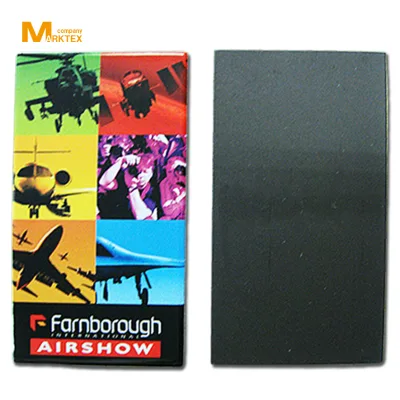


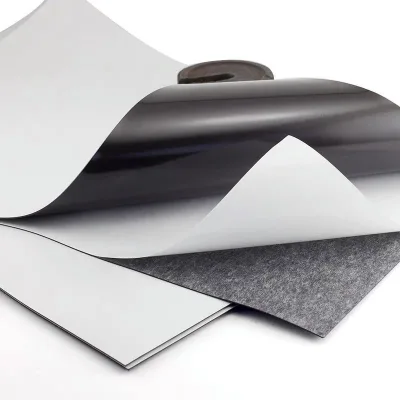
Soft Flexible Rubber Magnet Sheets, Rubber Magnet PVC Magnet Paper Printing
$0.10 - $30.00
MOQ: 1 Pieces


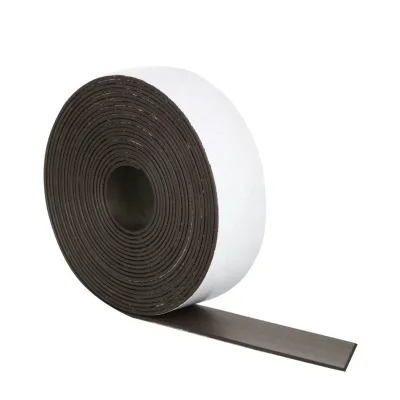
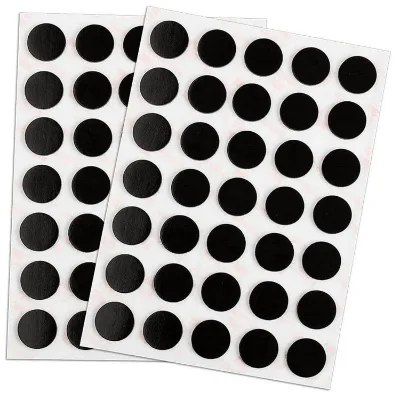
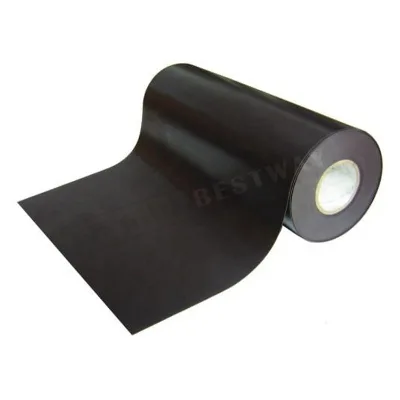



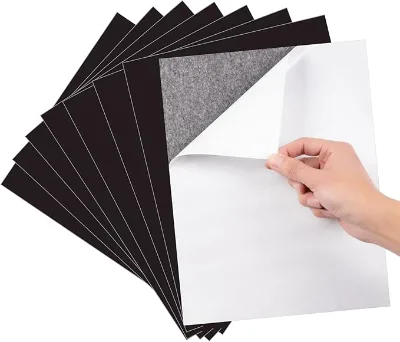

Comprehensive Sourcing Guide
Digital Printing Rubber Magnet Sourcing Guide
Sourcing digital printing rubber magnets requires a clear understanding of the material’s unique properties and the specific manufacturing capabilities of suppliers. These magnets combine the flexibility of rubber with the magnetic strength of ferrite, allowing for versatile applications in home decoration, industrial settings, and motor assemblies. Buyers must recognize that the product is not a single standardized item but a customizable solution where size, shape, and printing quality are critical decision points. The ability to apply silkscreen or offset printing directly onto the rubber surface enables high-quality branding and detailed graphics, making these magnets ideal for promotional items and retail displays.
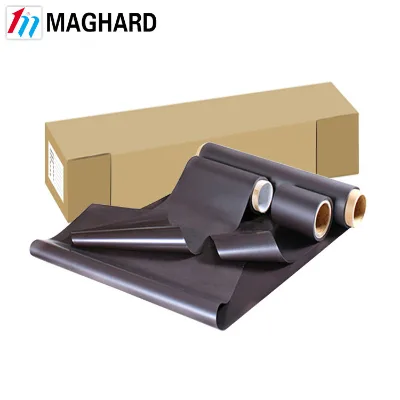
Procurement teams should focus on verifying the supplier’s capacity for both magnetic performance and print fidelity. The core material is often described as a composite of rubber and magnetic powder, which can be processed through decoiling, cutting, and punching services to achieve precise dimensions. Since the product is available in various forms, including sheets and strips, buyers need to align their technical requirements with the supplier’s standard offerings or custom capabilities. Understanding the distinction between isotropic and anisotropic magnetic types is also essential, as this affects the directionality and strength of the magnetic field, which in turn influences the suitability for specific industrial or decorative applications.
Product Scope and Observed Listing Signals
The market for digital printing rubber magnets presents a wide range of product variations, with observed listing prices ranging from $0.01 to $32 USD. This broad spectrum reflects differences in material thickness, magnetic strength, and the complexity of the digital printing process. Minimum order quantities (MOQs) typically range from 1 to 2000 units, offering flexibility for both small-scale prototyping and large-volume production runs. Buyers should note that while some listings offer single-item samples, others may require higher volumes to achieve cost-effective pricing, necessitating a careful balance between sample testing and bulk procurement strategies.
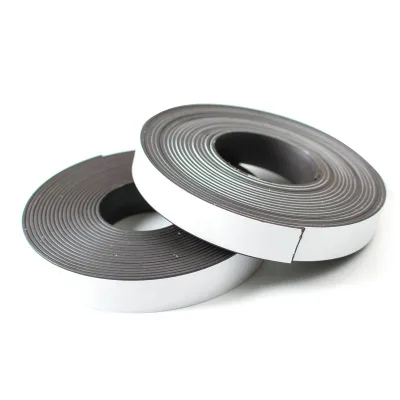
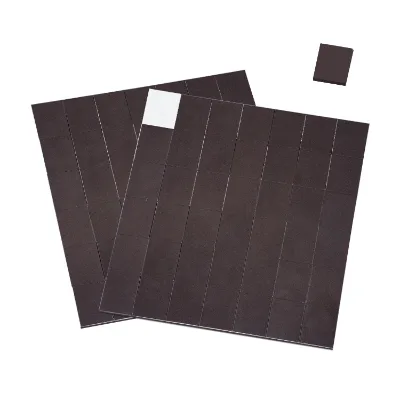
Product attributes indicate that these magnets are available in various shapes, such as sheets and strips, with customizable sizes to meet specific design needs. The material composition is primarily rubber, often combined with self-adhesive backing for easy application on diverse surfaces. Some listings highlight features like two-sided magnetic properties or single magnetic sides, which should be verified based on the intended use case. Additionally, the presence of certifications such as ISO, CE, and RoHS suggests that many suppliers adhere to international quality and safety standards, providing buyers with a baseline level of assurance regarding product consistency and environmental compliance.
Technical Specifications to Verify
When evaluating technical specifications, buyers must prioritize the verification of magnetic type and coating processes. The supply data indicates the availability of both isotropic and anisotropic magnets, each offering distinct magnetic characteristics that impact performance in applications like speaker magnets or industrial fixtures. The magnet coating, which may include UV protection or customized finishes, plays a crucial role in durability and print quality. Buyers should request detailed specifications on the coating thickness and adhesion properties to ensure the printed graphics remain vibrant and intact under varying environmental conditions, such as humidity or temperature fluctuations.
Dimensional accuracy is another critical technical aspect, with options for custom sizes and standard widths like 25.4mm or 12.5mm. Thickness can be customized, with some listings noting standard options like 1.5mm, but buyers must confirm the tolerance levels for these dimensions. The processing services offered, including decoiling, cutting, and punching, should be assessed for their precision and efficiency. Additionally, the length of the material, which can extend up to 30,000mm or be customized, requires careful planning for storage and handling. Buyers should ensure that the supplier’s manufacturing capabilities align with their specific dimensional requirements to avoid costly rework or material waste.
Compliance and Safety Documentation
Compliance with international standards is a key factor in sourcing digital printing rubber magnets, particularly for applications in regulated industries. The supply context highlights certifications such as ISO, CE, and RoHS, which indicate adherence to quality management, electromagnetic compatibility, and restriction of hazardous substances. Buyers should verify the validity and scope of these certifications, ensuring they cover the specific product lines and manufacturing processes involved. While some background information mentions ISO9001, ISO14001, and ISO45001, these should be treated as potential standards rather than confirmed attributes, requiring direct confirmation from the supplier.
Safety documentation is equally important, especially when the magnets are used in consumer products or home decoration items. Buyers should request material safety data sheets (MSDS) and test reports that confirm the absence of harmful substances like lead or phthalates. The presence of RoHS certification is a strong indicator of compliance with environmental regulations, but buyers must also consider the specific requirements of their target markets, such as REACH in Europe or CPSIA in the United States. Ensuring that the supplier can provide up-to-date compliance documentation helps mitigate regulatory risks and facilitates smoother customs clearance and market entry.
Cost Drivers and Commercial Terms
Several factors influence the cost of digital printing rubber magnets, including material composition, printing complexity, and order volume. The use of high-quality rubber and magnetic powder, along with advanced digital printing techniques, can increase production costs but also enhance product value. Buyers should analyze the price range of $0.01 to $32 USD to understand the cost implications of different specifications, such as thickness, size, and magnetic strength. Customization options, including unique shapes or specialized coatings, may incur additional charges, so it is essential to clarify all potential cost drivers before finalizing orders.
Commercial terms, such as MOQs and lead times, also play a significant role in procurement planning. With MOQs ranging from 1 to 2000 units, buyers can choose options that align with their inventory management strategies and cash flow constraints. Sample availability is often highlighted, with some suppliers offering samples within seven days, which is beneficial for quality assessment and design validation. Buyers should negotiate clear terms regarding payment methods, shipping options, and return policies to ensure a smooth transaction process. Understanding these commercial dynamics helps in building a sustainable supply chain that balances cost efficiency with product quality.
Supplier Qualification and Quality Control
Supplier qualification is a critical step in ensuring the reliability and consistency of digital printing rubber magnets. Buyers should assess the supplier’s manufacturing capabilities, including their equipment for decoiling, cutting, and punching, as well as their expertise in digital printing. The presence of certifications like ISO and CE suggests a commitment to quality management, but buyers must verify these credentials through independent audits or third-party inspections. Additionally, the supplier’s ability to handle custom orders, such as specific sizes or shapes, should be evaluated to ensure they can meet unique procurement requirements.
Quality control measures are essential to maintain product consistency and performance. Buyers should inquire about the supplier’s internal quality control processes, including raw material inspection, in-process checks, and final product testing. The availability of samples, which can be provided within seven days, allows buyers to assess print quality, magnetic strength, and dimensional accuracy before committing to large orders. Establishing clear quality standards and acceptance criteria in the purchase agreement helps mitigate risks and ensures that the delivered products meet the buyer’s expectations. Regular communication and feedback loops with the supplier can further enhance quality outcomes and foster a collaborative partnership.
Long-Term Procurement Checks
Long-term procurement success with digital printing rubber magnets depends on continuous monitoring and relationship management. Buyers should establish regular review cycles to assess supplier performance, including on-time delivery, product quality, and responsiveness to issues. Tracking key performance indicators (KPIs) such as defect rates and customer satisfaction can provide valuable insights into the supplier’s reliability and help identify areas for improvement. Maintaining open lines of communication and providing constructive feedback encourages the supplier to maintain high standards and adapt to changing market demands.
Additionally, buyers should stay informed about industry trends and technological advancements in rubber magnet manufacturing. This includes updates on new printing techniques, material innovations, and regulatory changes that may impact product specifications or compliance requirements. Periodic re-evaluation of the supplier base and exploration of alternative sources can help mitigate supply chain risks and ensure competitive pricing. By proactively managing these long-term aspects, buyers can build a resilient supply chain that supports their business goals and delivers consistent value over time.
FAQs
What customization options are available for digital printing rubber magnets?
Customization is available for digital printing rubber magnets, allowing buyers to specify unique designs and sizes. The product supports silkscreen or offset printing techniques to achieve desired visual effects. Buyers can request customized magnet sizes to fit specific application requirements. This flexibility ensures the final product meets precise aesthetic and functional needs for various industrial or decorative uses.
Which certifications do these rubber magnets typically hold?
These rubber magnets typically hold ISO, CE, and RoHS certifications, ensuring compliance with international safety and environmental standards. Some listings also mention ISO and RoHS compliance specifically. These certifications indicate that the materials and manufacturing processes meet recognized quality and regulatory requirements, providing assurance for buyers in regulated industries or markets requiring strict material standards.
Can I order samples of digital printing rubber magnets?
Samples are available for digital printing rubber magnets, with a typical lead time of seven days. This allows buyers to verify quality, print accuracy, and magnetic performance before committing to larger orders. The availability of samples supports informed decision-making and helps ensure that the final bulk production meets the buyer's specific expectations for material quality and printing results.
What are the standard packaging methods for these magnets?
Standard packaging for these magnets includes cartons, ensuring safe transport and protection during shipping. Some suppliers offer flexible shipping methods such as by sea, express, or air, depending on order urgency and size. The packaging is designed to maintain the integrity of the rubber material and printed surface, preventing damage during transit and ensuring the product arrives in optimal condition for immediate use.
What is the typical MOQ for digital printing rubber magnets?
The observed MOQ range for digital printing rubber magnets is between 1 and 2000 units. This wide range accommodates both small trial orders and larger bulk purchases. Buyers can start with a low minimum quantity to test the product, then scale up as needed. This flexibility supports various business models, from small-scale projects to large industrial applications requiring consistent supply.
Where are these rubber magnets typically manufactured?
These rubber magnets are typically manufactured in Guangdong and Zhejiang, China. These regions are known for their robust manufacturing infrastructure and expertise in producing magnetic materials. The origin in China provides access to established supply chains and production capabilities, ensuring consistent quality and competitive pricing for international buyers seeking reliable sources for rubber magnet products.