Source Dilkar7d11h Spark Plug for Automotive Engines
Find 30 listings for the dilkar7d11h spark plug to compare specifications and pricing. Options include iridium and nickel materials with various thread sizes and OEM compatibility for automotive spare parts sourcing; compare the available evidence and request quotations based on your requirements.
Key considerations
Products List


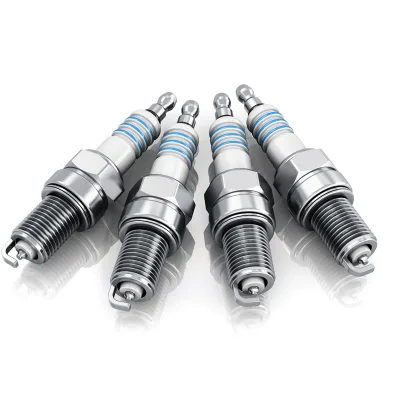


Comprehensive Sourcing Guide
Dilkar7d11h Spark Plug Sourcing Guide
Sourcing the correct ignition components requires precise alignment between vehicle specifications and supplier inventory. The dilkar7d11h spark plug represents a specific part number often associated with high-performance automotive applications. Buyers must verify that the listed model matches their engine requirements exactly, as variations in thread size, reach, and heat range can cause significant mechanical damage. This guide provides a structured approach to evaluating suppliers who offer this component, ensuring that procurement decisions are based on verified data rather than assumptions.
Procurement teams should focus on distinguishing between genuine OEM replacements and aftermarket alternatives. The market contains numerous listings with similar model numbers, such as DILKAR7D11H or variations like DILZKAR7C11S, which may share physical dimensions but differ in internal electrode composition. Understanding these nuances is critical for maintaining engine efficiency and preventing premature wear. By adhering to strict verification protocols, buyers can mitigate the risk of receiving incompatible parts that fail to meet performance standards or fitment requirements.
Product Scope and Observed Listing Signals
Current market listings for spark plugs in this category reveal a wide variance in packaging and origin details. Suppliers frequently list products originating from Zhejiang or Hebei provinces in China, indicating a concentrated manufacturing hub for these automotive components. The observed product attributes suggest that many vendors offer customization options, including tailored packaging solutions such as small color boxes, plastic bags, or neutral packing. This flexibility allows buyers to align packaging with their retail or industrial distribution needs, though it requires careful communication to ensure consistency across large orders.
The observed minimum order quantities (MOQ) range significantly, from as low as ten pieces to several thousand units. This disparity highlights the importance of clarifying commercial terms early in the negotiation process. Some suppliers list an MOQ of 2000 pieces, while others accommodate smaller trial orders of just ten units. Buyers must determine whether their volume requirements align with the supplier’s production capabilities. Additionally, the presence of OEM/ODM acceptance suggests that many manufacturers are willing to produce branded or custom-specified parts, provided the order volume justifies the setup costs.
Technical Specifications to Verify
Thread size is a critical dimension that must be confirmed before placing any order. Listings indicate thread sizes of 14mm or 16mm, with some descriptions referencing OEM standard sizes. Buyers must measure their existing spark plugs or consult vehicle service manuals to ensure the correct thread diameter is selected. Mismatched thread sizes can lead to cross-threading or improper sealing, resulting in compression loss or engine damage. Verification of the thread pitch and reach is equally important to ensure the spark plug seats correctly within the cylinder head.
Material composition and electrode design also play a vital role in performance and longevity. Some listings specify materials such as iridium, platinum, or nickel, each offering different benefits regarding conductivity and wear resistance. Iridium and platinum variants typically provide longer service life and better ignition stability, making them suitable for high-performance or modern direct-injection engines. Buyers should request detailed technical datasheets that confirm the electrode material, gap size, and heat range. These specifications must match the engine’s thermal requirements to prevent fouling or pre-ignition issues.
Compliance and Safety Documentation
Certification status is a key indicator of manufacturing quality and regulatory compliance. Many suppliers list CE certification for their automotive components, which suggests adherence to certain European safety and environmental standards. However, buyers should verify the scope of this certification to ensure it covers the specific product type and manufacturing facility. Documentation should include test reports or quality assurance certificates that validate the product’s performance under standard operating conditions. Relying solely on listed certifications without independent verification can expose buyers to compliance risks in regulated markets.
Additional documentation may include material safety data sheets (MSDS) or environmental compliance statements, particularly if the product contains specific alloys or coatings. Buyers operating in regions with strict environmental regulations should ensure that the manufacturing process complies with relevant directives. Requesting copies of these documents during the supplier qualification phase helps establish a baseline for quality management. Clear communication regarding compliance requirements ensures that all parties understand the legal and safety obligations associated with the imported components.
Cost Drivers and Commercial Terms
Pricing for spark plugs varies based on material quality, order volume, and packaging requirements. The observed price range in the market spans from low-cost basic units to higher-priced premium variants, reflecting differences in electrode technology and manufacturing precision. Buyers should analyze the total landed cost, including shipping, tariffs, and handling fees, rather than focusing solely on the unit price. Bulk orders often benefit from economies of scale, but the minimum order quantity may limit flexibility for smaller purchasers. Negotiating tiered pricing structures can help optimize costs for varying order sizes.
Lead times and payment terms are essential components of the commercial agreement. Typical lead times for production and delivery are around thirty days, though this can vary based on supplier capacity and inventory levels. Buyers should confirm whether the lead time includes manufacturing, quality control, and logistics. Payment terms should be structured to protect both parties, often involving a deposit and balance upon shipment or against documents. Clear agreement on these terms prevents delays and ensures smooth transaction processing, especially when dealing with international suppliers.
Supplier Qualification and Quality Control
Evaluating supplier reliability requires a thorough review of their production capabilities and quality control processes. Buyers should request information about the manufacturer’s facility, including production lines, testing equipment, and workforce expertise. Suppliers who accept OEM/ODM orders often have robust engineering teams capable of customizing products to specific requirements. Verifying the supplier’s track record through customer references or third-party audits can provide additional confidence in their ability to deliver consistent quality. Due diligence in this area reduces the risk of supply chain disruptions.
Quality control measures should be explicitly defined in the purchase agreement. This includes specifications for incoming material inspection, in-process monitoring, and final product testing. Buyers may require pre-shipment inspections to verify that the delivered goods match the approved samples in terms of dimensions, material, and packaging. Establishing clear acceptance criteria and rejection protocols ensures that non-conforming products are identified and addressed before they reach the end customer. A proactive approach to quality management helps maintain brand reputation and customer satisfaction.
Long-Term Procurement Checks
Building a sustainable supply chain for spark plugs involves regular performance reviews and relationship management. Buyers should monitor key performance indicators such as delivery accuracy, defect rates, and responsiveness to issues. Consistent quality over time is more valuable than occasional low prices, as it reduces the total cost of ownership. Establishing a long-term partnership with a reliable supplier can lead to better pricing, priority production scheduling, and collaborative improvements in product design. Regular communication helps align expectations and address any emerging challenges promptly.
Continuous market monitoring is also essential to stay informed about technological advancements and regulatory changes. New spark plug technologies may offer improved efficiency or durability, prompting buyers to evaluate whether upgrades are warranted. Additionally, staying aware of shifts in raw material costs or trade policies can help anticipate price fluctuations and supply risks. By maintaining a strategic approach to procurement, buyers can ensure that their sourcing decisions support long-term business goals and operational efficiency. This proactive stance fosters resilience and adaptability in a dynamic market environment.
FAQs
What certifications does the dilkar7d11h spark plug have?
The product carries CE certification as a verified attribute. This ensures compliance with specific safety standards required for automotive ignition systems. Buyers should verify this certification against their local regulatory requirements before placing bulk orders for these specific spark plugs.
Which customization options are available for this spark plug?
Customization is available for this product line to meet specific buyer needs. The manufacturer accepts OEM and ODM requests, allowing for tailored specifications. Buyers can discuss custom packaging or specific model variations directly with the supplier to ensure the final product matches their exact requirements.
How long is the lead time for ordering these spark plugs?
The standard lead time for this product is thirty days. This duration applies to the production and preparation of the order before shipment. Buyers should account for this timeframe when planning their inventory replenishment schedules to avoid any potential delays in their supply chain operations.
What is the minimum order quantity for the dilkar7d11h spark plug?
The minimum order quantity varies, with some listings requiring two thousand pieces while others accept as few as ten. Buyers must check the specific supplier listing to confirm the applicable MOQ. This flexibility allows different purchasing strategies depending on the volume requirements of the specific transaction.
Where are these spark plugs manufactured and shipped from?
These spark plugs originate from manufacturing locations in Zhejiang and Hebei, China. The specific origin depends on the individual supplier and product batch. Buyers should confirm the exact production location to understand shipping logistics and potential import duties associated with goods from these specific Chinese provinces.
Can I find spark plugs with iridium platinum material?
Yes, some variants of this spark plug are made from Iridium Platinum material. This material choice is noted in the product specifications for certain models. Buyers seeking high-performance ignition components should specifically request this material grade to ensure optimal durability and engine efficiency.
What packaging options are provided for these auto spare parts?
Packaging options include standard cartons, customized boxes, or neutral packing based on buyer requirements. Some listings specify ten pieces per box or single items in small color boxes. Buyers can request specific packaging configurations to suit their retail or wholesale distribution needs.