Source FDA ISOCE Digital Imaging Ureteroscope for Hospitals
Explore 30 options for the FDA ISOCE Digital Imaging Ureteroscope, featuring high-definition imaging and flexible designs. Compare models like V2E and ESS-259, noting features such as disposable or reusable options, CE/ISO certifications, and working lengths up to 65cm for urology diagnostics.
Key considerations
Products List


Flexible Video Ureteroscope Disposable Digital Urological Ureteroscope
$500.00 - $2000.00
MOQ: 1 Pieces

Flexible Ureteroscope Disposable Ureteroscope Digital Urological Ureteroscope
$500.00 - $2000.00
MOQ: 1 Pieces


Single Use Digital Flexible Ureteroscope Urology Flexible Ureteroscope
$500.00 - $2000.00
MOQ: 1 Pieces

Hot Sale Digital Video Flexible Ureteroscope Price Disposable Portable Urology Ureteroscope
$500.00 - $2000.00
MOQ: 1 Pieces

Hospital Medical Flexible Ureteroscope for Urology Single Use Digital Ureteroscope Camera
$500.00 - $2000.00
MOQ: 1 Pieces


Medical Ureterorenoscope Rigid Endoscope Camera Disposable Ureteroscope with CE
$189.00 - $210.00
MOQ: 10 Pieces


Medical High Quality Endoscope for Urology Disposable Ureterorenoscope
$189.00 - $210.00
MOQ: 1 Pieces
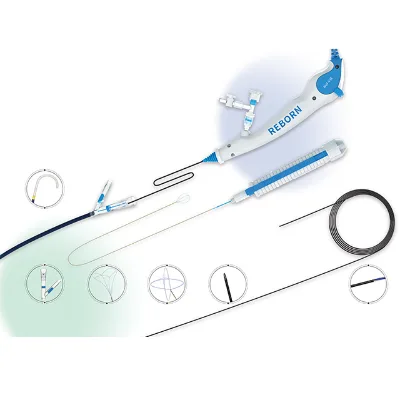


Factory Price Integrate Disposable Ureteroscope for Urology with 2.9mm Diameter
$1000.00 - $3000.00
MOQ: 1 Pieces


Rigid Digital video Cystoscope Electronic Cystoscopy Bladder Pyeloscope Customized
$1600.00 - $1990.00
MOQ: 1 Pieces


Advanced White Disposable Digital Flexible Ureteroscope for Medical Use
$180.00 - $200.00
MOQ: 1 Pieces

Disposable Digital Flexible Ureteroscope for Single-Use for Ureteroscope
$180.00 - $200.00
MOQ: 1 Pieces
Comprehensive Sourcing Guide
FDA ISOCE Digital Imaging Ureteroscope Sourcing Guide
Procuring a digital imaging ureteroscope requires careful evaluation of both the optical system and the sterilization protocols, as these devices are critical for minimally invasive urological procedures. Buyers must distinguish between reusable and disposable models, as the choice significantly impacts infection control strategies and long-term operational costs. The core keyword highlights specific regulatory expectations, where FDA clearance and ISO certification serve as primary indicators of manufacturing quality and safety compliance. Understanding these distinctions is the first step in building a reliable supply chain for hospital urology departments.
The market offers a variety of ureteroscopes, ranging from flexible digital systems to specialized gastrosopes, each with unique technical attributes. Observed listings indicate a wide price range and minimum order quantities that vary by supplier, reflecting differences in production scale and customization options. Buyers should focus on verifying the specific model numbers, such as the V2E or RY8703.534, to ensure compatibility with existing hospital infrastructure. This guide provides a structured approach to evaluating these products based on observed listing signals and technical requirements.
Product Scope and Observed Listing Signals
The product scope for digital imaging ureteroscopes includes flexible instruments designed for diagnostic and therapeutic urology applications. Observed listings reveal a diverse range of models, including the ESS-259, HD-133, and ESS-165, each potentially offering different insertion diameters and working lengths. Some products are explicitly labeled as disposable, while others are marketed as reusable, indicating a split in the market regarding single-use versus multi-use strategies. Buyers must carefully review product names and features to align their procurement with their hospital’s sterilization capabilities and waste management policies.
Listing signals also highlight specific physical attributes, such as the color scheme of white and blue, and packaging methods like Tyvek pouches or blister boxes. These details are crucial for inventory management and sterile field preparation. The effective depth of field, often cited as 3-50mm, and the insertion tube dimensions, such as an outer diameter of 2.8mm, are key specifications that influence clinical usability. Buyers should verify these physical parameters against their surgeons’ preferences to ensure optimal maneuverability and visualization during procedures.
Technical Specifications to Verify
Technical verification begins with the optical and mechanical performance of the ureteroscope. Buyers must confirm the working length, which is often around 65cm, and the insertion length to ensure adequate reach for complex anatomical structures. The deflection capability is a critical performance metric, with some models offering four-directional flexion, such as up and down angles of 275 degrees and left and right angles of 90 degrees. These specifications directly impact the surgeon’s ability to navigate the ureter and renal pelvis without causing trauma.
The imaging system’s resolution and light transmission are equally important for diagnostic accuracy. Digital imaging systems should provide high-definition visualization, and buyers should inquire about the sensor type and cable integrity. The instrument classification, often listed as Class II, indicates the regulatory risk level and associated manufacturing standards. Additionally, the power source, typically electric for digital models, must be compatible with existing hospital equipment. Verifying these technical details ensures that the purchased device meets the clinical demands of modern urological practice.
Compliance and Safety Documentation
Compliance with international standards is non-negotiable for medical device procurement. The core keyword emphasizes FDA and ISOCE certifications, which are essential for market access and patient safety. Buyers must request valid certificates and verify their authenticity through official regulatory databases. The presence of CE marking indicates conformity with European health, safety, and environmental protection standards, while FDA clearance is required for sales in the United States. These certifications assure that the manufacturing process adheres to rigorous quality management systems.
Sterilization methods are another critical compliance aspect. Ethylene Oxide sterilization is a common method for these devices, and buyers should confirm that the packaging maintains sterility until use. The product origin, often listed as China, including specific locations like Dongguan or Henan, should be transparently disclosed. Buyers must ensure that the supplier provides complete documentation, including sterilization indicators and expiration dates, to maintain chain of custody and regulatory compliance throughout the device’s lifecycle.
Cost Drivers and Commercial Terms
Cost drivers for digital imaging ureteroscopes include the complexity of the optical system, the material quality of the insertion tube, and the level of customization available. Disposable models may have a lower upfront cost per unit but higher recurring expenses, while reusable models involve higher initial investment but lower per-procedure costs after sterilization. Buyers should analyze the total cost of ownership, considering sterilization costs, potential repair fees, and the lifespan of the device. The observed price range of 0-3000 USD reflects these varying economic models.
Commercial terms such as minimum order quantity (MOQ) and lead times significantly impact procurement planning. Observed MOQs range from 1 to 100 units, allowing for flexibility in initial orders. Buyers should negotiate clear terms regarding after-sale service, including online technical support and warranty coverage. The availability of customization options can also affect pricing, as tailored specifications may require additional manufacturing steps. Understanding these commercial dynamics helps buyers optimize their budget and supply chain efficiency.
Supplier Qualification and Quality Control
Supplier qualification involves assessing the manufacturer’s production capabilities and quality control processes. Buyers should verify the supplier’s history in medical device manufacturing and their adherence to ISO standards. The brand name, such as HUIYI, may indicate a specific manufacturer with established reputations, but buyers must conduct independent due diligence. Quality control measures, including pre-shipment inspections and batch testing, are essential to ensure consistent product performance. Buyers should request quality assurance documentation to validate the supplier’s commitment to excellence.
The export market reach, described as global, suggests that the supplier has experience in international trade and regulatory compliance. Buyers should evaluate the supplier’s ability to provide consistent supply and handle logistics efficiently. The place of origin, whether Dongguan or Henan, may influence shipping times and costs. Establishing a strong relationship with a qualified supplier ensures reliable access to high-quality ureteroscopes and timely support for any technical issues that may arise during procurement or usage.
Long-Term Procurement Checks
Long-term procurement checks focus on the sustainability and reliability of the supply chain. Buyers should monitor the supplier’s ability to maintain consistent quality over time, especially for reusable devices that undergo multiple sterilization cycles. The time of use, often cited as 8 hours for certain components, should be verified to ensure durability. Regular audits of the supplier’s quality management system can help identify potential issues before they impact patient care. Continuous evaluation of supplier performance is key to maintaining a robust procurement strategy.
Feedback from clinical users is invaluable for assessing the real-world performance of the ureteroscope. Buyers should establish channels for surgeons and technicians to report any issues with imaging quality, deflection, or durability. This feedback loop allows for proactive adjustments in procurement decisions and supplier selection. Additionally, staying informed about regulatory changes and technological advancements ensures that the procurement strategy remains aligned with industry best practices. Long-term checks help mitigate risks and optimize the value of medical device investments.
FAQs
What certifications do the digital imaging ureteroscopes hold?
The products hold CE and ISO certifications, with some models also meeting FDA standards. These certifications ensure compliance with international medical device regulations for safety and quality in hospital settings.
Can I find disposable options for flexible ureteroscopes?
Yes, disposable ureteroscope models are available alongside reusable options. These disposable units often come in Tyvek pouches and are designed for single-use applications to prevent cross-contamination in urology procedures.
Which specifications define the working length of these devices?
Working lengths vary by model, with specific units measuring 65cm or 430mm. The insertion tube dimensions also differ, featuring outer diameters like 8.5Fr or 2.8mm depending on the specific ureteroscope type selected.
How is the imaging quality described for these systems?
These systems provide high definition imaging capabilities for medical diagnosis. The effective depth of field ranges from 3 to 50mm, ensuring clear visualization of internal structures during flexible ureteroscope procedures in urology.
What customization options are available for these medical devices?
Customization is available for various product attributes including standard specifications and packaging. Buyers can request specific configurations to meet unique hospital requirements while maintaining compliance with global export market standards.
Where are these digital imaging ureteroscopes manufactured?
Manufacturing takes place in China, with specific origins noted in Dongguan and Henan. These locations support the global export market, ensuring supply chain stability for international buyers seeking reliable medical imaging equipment.
What is the typical minimum order quantity for these products?
Minimum order quantities range from 1 to 100 units depending on the specific model and supplier. This flexibility allows buyers to start with small trials or place larger orders for hospital-wide deployment needs.