Source Door Trim for Vehicles, Machinery, and Buildings
Explore 30 verified listings for Door Trim including stainless steel corner guards and EPDM sealing strips. Buyers can compare customization options, materials, and packing details from suppliers in China to find the right fit for vehicles, machinery, and construction projects.
Key considerations
Products List


Comprehensive Sourcing Guide
Door Trim Sourcing Guide
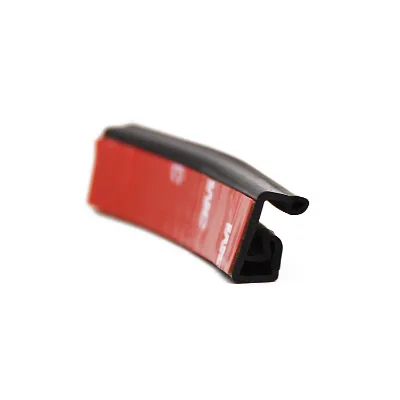
Procuring Door Trim requires a nuanced understanding of material diversity, as the category spans rigid metal profiles for architectural aesthetics to flexible elastomers for automotive sealing. Buyers must first distinguish between structural corner guards, which often utilize stainless steel for durability, and sealing strips designed to block dust, water, and noise. The supplied data indicates a wide spectrum of options, including silver-finished metal guards and EPDM rubber strips with varying hardness levels. This distinction is critical because the installation method, tooling requirements, and long-term maintenance needs differ significantly between a rigid tile accessory and a co-extruded vehicle seal.
The sourcing landscape is heavily influenced by regional manufacturing hubs, with Zhejiang, Ningbo, and Hebei Qinghe emerging as key origins for these components. Each region may specialize in different aspects of production, from precision metal stamping to complex rubber extrusion processes. Buyers should align their procurement strategy with the specific technical demands of their project, whether it involves high-volume automotive assembly lines requiring customized sizes or construction projects needing standard-sized corner guards. Understanding these geographic and material distinctions helps in selecting suppliers who possess the relevant machinery and expertise for the specific trim type required.
Product Scope and Observed Listing Signals
The observed market signals reveal a broad product scope, ranging from rigid stainless steel corner guards to flexible EPDM sealing strips. Listings indicate the availability of customization services, allowing buyers to specify dimensions, colors, and packaging formats to match their specific operational needs. For instance, metal guards are often available in various shapes and sizes with bright silver finishes, while rubber seals offer features like soundproofing and weather resistance with hardness ratings between 45-75 Shore A. This diversity suggests that buyers can source comprehensive Door Trim solutions from a single supplier ecosystem, provided they clearly define their material and functional requirements.
Packaging and logistics details further illustrate the variability in product offerings, with options including cartons, pallets, and OPP bags. Some products are packed in quantities of 60 pieces per carton, while others may require custom packaging solutions. The presence of protective films on metal products highlights the need for careful handling during transit to prevent surface damage. Buyers should pay close attention to these packaging specifications to ensure that the products arrive in pristine condition, especially for high-visibility architectural trims where aesthetic integrity is paramount.
Technical Specifications to Verify
Verifying technical specifications is paramount when sourcing Door Trim, particularly regarding material composition and dimensional accuracy. For metal guards, buyers should confirm the thickness, which can range from 0.8mm to 1.0mm, and ensure that the stainless steel grade meets corrosion resistance standards. For rubber seals, the inner material, such as steel sheet wire cores, and the outer EPDM compound must be verified for durability and flexibility. The technology used, whether co-extrusion or standard extrusion, also impacts the product's performance, particularly in terms of sealing efficiency and resistance to aging, UV exposure, and weathering.
Dimensional standards and customization options are another critical area for verification. While some products adhere to standard sizes like 2.44m lengths or regular dimensions, others offer fully customizable sizes to fit unique door frames or vehicle models. Buyers should request detailed technical drawings or samples to confirm that the trim fits their specific application, whether it is for vehicle edge protection, machinery sealing, or architectural decoration. Additionally, features such as punched holes for installation or specific color options like red, blue, or black should be confirmed to ensure compatibility with the overall design and functional requirements of the end product.
Compliance and Safety Documentation
Compliance and safety documentation are essential for ensuring that Door Trim products meet industry standards and regulatory requirements. Buyers should request certification documents, such as ISO standards, to verify that the supplier adheres to quality management systems. For automotive applications, additional certifications may be required to ensure that the materials used in sealing strips are safe and durable under extreme conditions. It is crucial to verify that the products have undergone appropriate testing for features like aging resistance, UV proofing, and waterproofing, especially for outdoor or high-exposure applications.
Safety considerations also extend to the installation process and the long-term performance of the trim. Buyers should ensure that the products are easy to install, minimizing the risk of injury or improper fitting. For metal guards, the edges should be smooth to prevent cuts, while rubber seals should not emit harmful substances. Documentation should also include information on the protective films and packaging materials used, ensuring that they do not introduce contaminants or hazards during handling. By prioritizing compliance and safety, buyers can mitigate risks and ensure that the Door Trim products they procure are reliable and suitable for their intended use.
Cost Drivers and Commercial Terms
Cost drivers for Door Trim are influenced by material costs, customization levels, and order quantities. Stainless steel and EPDM rubber prices fluctuate based on global market conditions, directly impacting the final cost of the trim. Customization, such as specific sizes, colors, or packaging, can also increase costs due to the additional labor and setup required. Buyers should negotiate clear commercial terms, including minimum order quantities (MOQs), which can range from 50 to 4500 units, to align with their production schedules and inventory needs. Understanding these cost drivers helps in budgeting accurately and avoiding unexpected expenses.
Payment terms and lead times are also significant factors in the commercial equation. Buyers should clarify the supplier's production capacity and lead times to ensure timely delivery, especially for large orders or customized products. Flexible payment terms, such as partial payments or letters of credit, can help manage cash flow and reduce financial risk. Additionally, buyers should consider the total cost of ownership, including shipping, handling, and potential returns, when evaluating supplier quotes. By negotiating favorable commercial terms, buyers can optimize their procurement costs and ensure a smooth supply chain operation.
Supplier Qualification and Quality Control
Supplier qualification is a critical step in ensuring the reliability and consistency of Door Trim products. Buyers should assess suppliers based on their manufacturing capabilities, quality control processes, and track record in the industry. Suppliers with experience in producing both metal guards and rubber seals may offer greater flexibility and expertise. It is important to verify that the supplier has robust quality control measures in place, including inspections for material defects, dimensional accuracy, and finish quality. Requesting samples and conducting pilot orders can help buyers evaluate the supplier's ability to meet their specific requirements.
Quality control should also extend to the packaging and shipping processes to prevent damage during transit. Buyers should ensure that the supplier uses appropriate packaging materials, such as cartons and protective films, to safeguard the products. Regular audits and performance reviews can help maintain high standards and identify areas for improvement. By selecting qualified suppliers with strong quality control practices, buyers can minimize the risk of defects and ensure that the Door Trim products they procure are of consistent quality and performance.
Long-Term Procurement Checks
Long-term procurement checks involve monitoring supplier performance and adapting to market changes to ensure continued value. Buyers should establish key performance indicators (KPIs) to track metrics such as delivery times, product quality, and responsiveness to issues. Regular communication with suppliers can help address any concerns promptly and foster a collaborative relationship. Additionally, buyers should stay informed about market trends and technological advancements in Door Trim materials and manufacturing processes to identify opportunities for improvement or cost savings.
Sustainability and ethical sourcing are also becoming increasingly important in long-term procurement strategies. Buyers should consider the environmental impact of the materials used, such as the recyclability of stainless steel or the durability of EPDM rubber. Ensuring that suppliers adhere to ethical labor practices and environmental standards can enhance the brand's reputation and reduce regulatory risks. By implementing comprehensive long-term procurement checks, buyers can build a resilient supply chain that supports their business goals and adapts to evolving market conditions.
FAQs
What materials are used for Door Trim products?
Door Trim products are primarily manufactured using metal sheets, stainless steel, and EPDM rubber. Some items feature a metal sheet inner material with a protective film, while others utilize co-extruded EPDM for sealing. These materials ensure durability, weather resistance, and flexible edge protection for various applications.
Can Door Trim be customized for specific sizes?
Yes, customization is available for Door Trim products. Buyers can request various sizes, shapes, and punched hole patterns to meet specific project requirements. The products support OEM services and can be tailored to fit regular or custom dimensions, ensuring a precise fit for different installation scenarios and design preferences.
What is the typical MOQ for Door Trim orders?
The minimum order quantity for Door Trim ranges from 50 to 4500 units, depending on the specific product model and supplier. This flexibility allows buyers to place smaller trial orders or larger bulk purchases. It is advisable to check the specific MOQ for the selected model to ensure it aligns with your procurement volume.
How is Door Trim packaged for shipping?
Door Trim is typically packaged in cartons, pallets, or OPP bags combined with cartons. Specific models may have a packing quantity of 60 pieces per carton. This packaging ensures safe transport and protection against damage during logistics. The protective film on some items further safeguards the surface finish during handling and delivery.
Where are Door Trim products manufactured?
Door Trim products are manufactured in China, with specific origins including Zhejiang, Ningbo, and Hebei Qinghe. These regions are known for producing high-quality metal and rubber trim accessories. Buyers can source from these locations to access a wide variety of styles, including stainless steel corner guards and EPDM sealing strips.
What certifications are available for Door Trim?
Some Door Trim products carry ISO certification, indicating adherence to quality management standards. While not all items may display this, certified options are available for buyers requiring verified quality assurance. It is recommended to verify the certification status for specific models during the sourcing process to ensure compliance with your project's quality requirements.