Source Downhill Longboard Deck for Racing, Cruising, and Custom Builds
Find 30 Downhill Longboard Deck options from Zhejiang suppliers. Compare Canadian maple and Russian maple materials, 8-9 ply constructions, and OEM branding services for adult cruising and racing applications; compare the available evidence and request quotations based on your requirements.
Updated
Key considerations
Products List
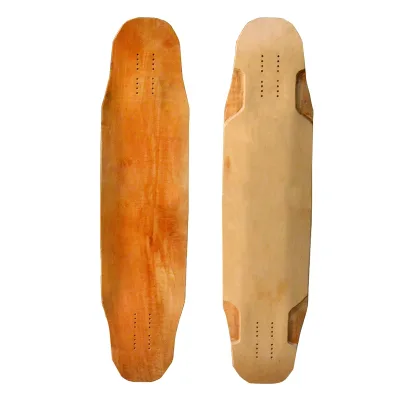
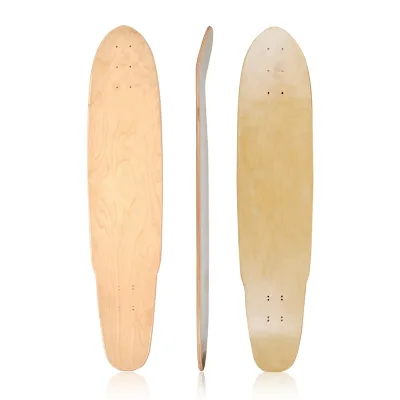
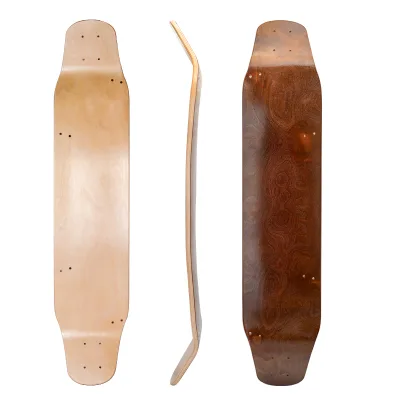
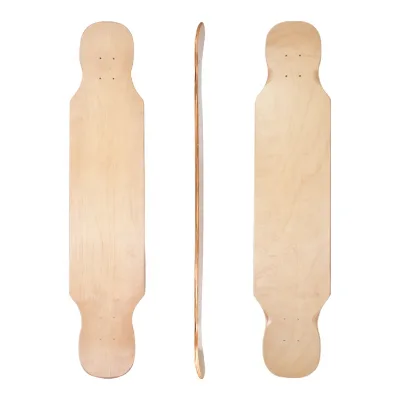
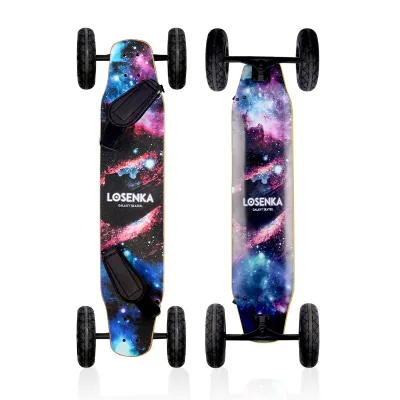
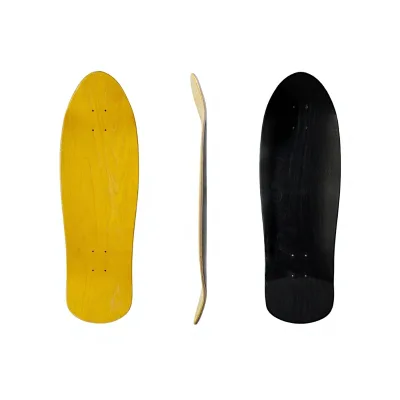
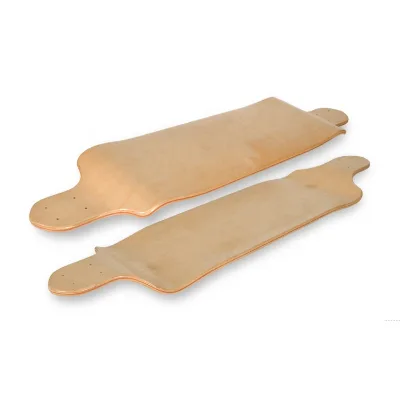
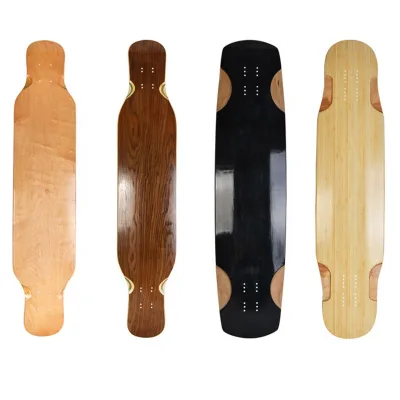
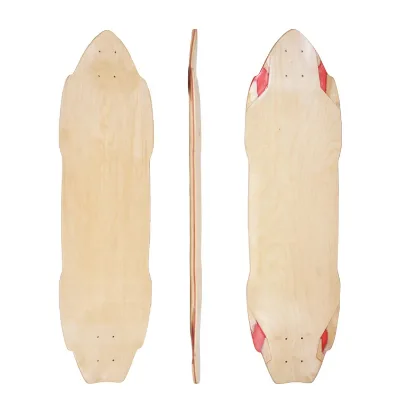
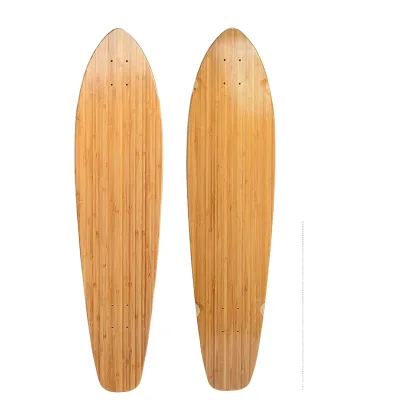
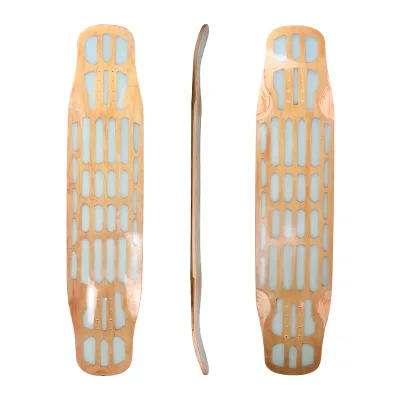

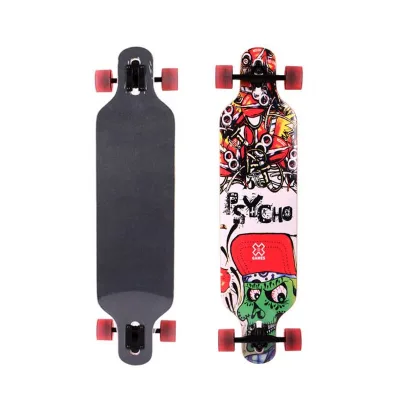
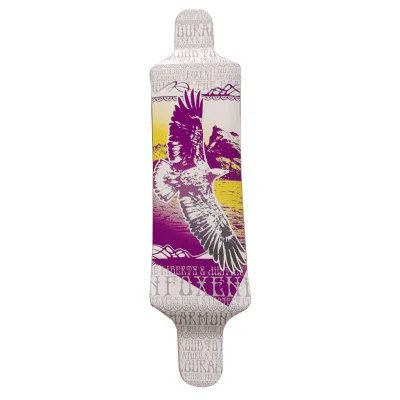
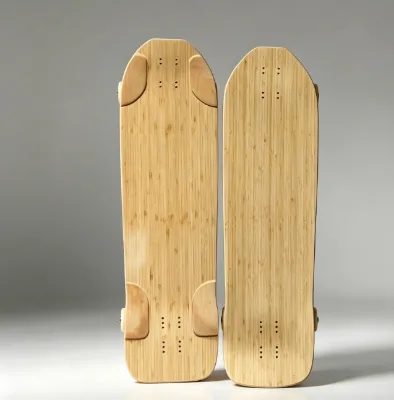
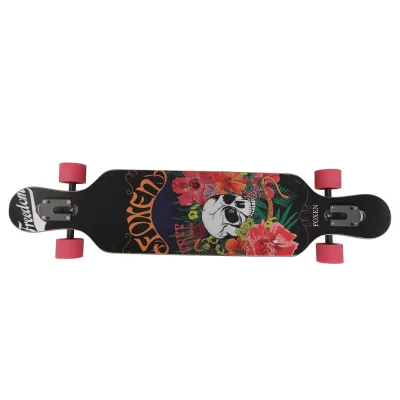
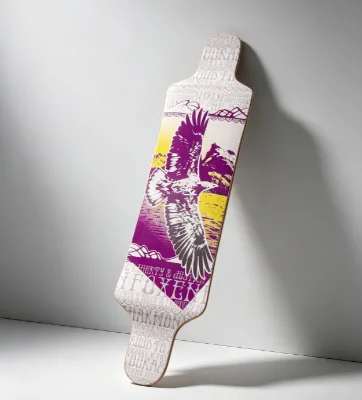
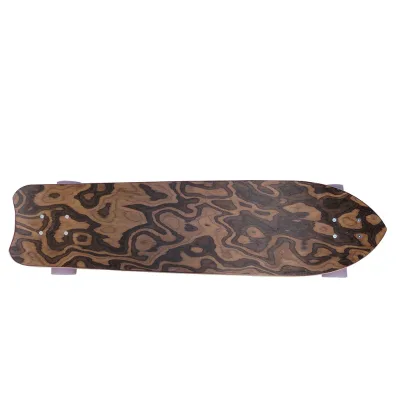
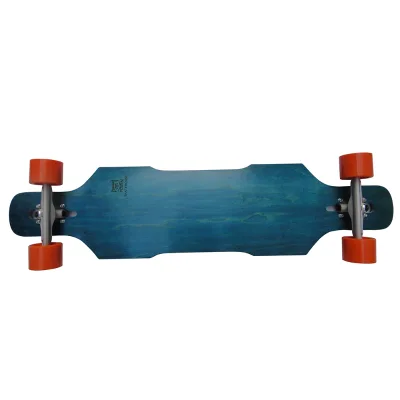
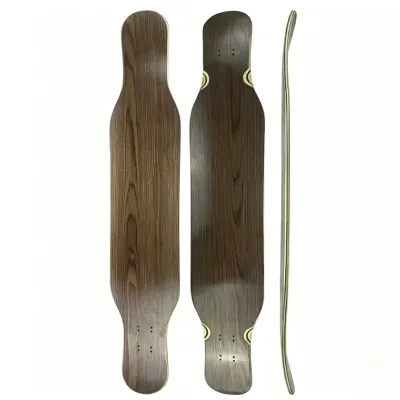
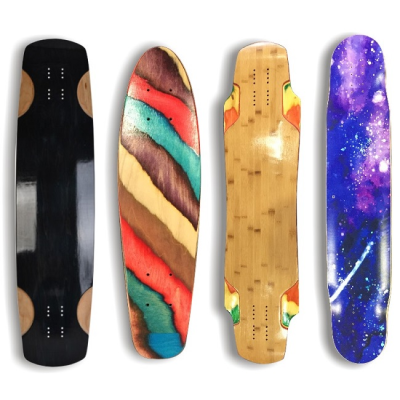
Skateboard Complete Surfboard Surf Dancing Longboard Deck Long Board Decks
$20.50 - $21.50
MOQ: 40 Pieces


Factory Surf Board Long Skateboard High Quality Customized Deck Skateboard
$28.00 - $35.00
MOQ: 200 Pieces
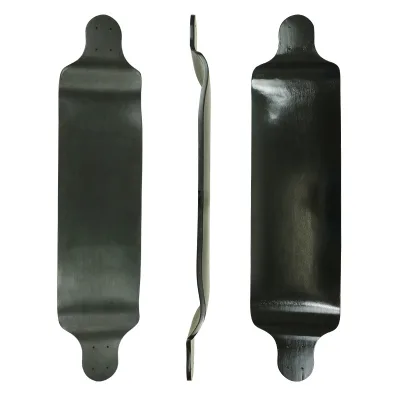


Comprehensive Sourcing Guide
Downhill Longboard Deck Sourcing Guide
Sourcing high-performance components for specialized sports equipment requires a disciplined approach to technical verification and supplier alignment. The Downhill Longboard Deck represents a critical structural element where material integrity directly influences rider safety and board responsiveness. Buyers must navigate a market characterized by diverse manufacturing capabilities, ranging from standardized blank decks to fully customized OEM solutions. Understanding the specific demands of downhill riding, such as high-speed stability and impact resistance, is essential when evaluating potential suppliers. This guide provides a structured framework for procurement professionals to assess product listings, verify technical specifications, and ensure compliance with relevant safety standards. By focusing on observable data points and established industry practices, buyers can mitigate risks associated with quality inconsistencies and supply chain disruptions. The following sections detail the key considerations for sourcing these specialized components effectively.
Product Scope and Observed Listing Signals
The current market landscape for downhill longboard decks features a variety of product configurations, primarily centered around maple wood construction. Observed listings indicate a strong preference for Canadian maple and Russian maple materials, which are selected for their durability and flex characteristics. Product names often highlight terms like "high end board" or "pro blank deck," signaling a focus on performance-oriented designs. Buyers should note that while some listings specify exact dimensions, others offer customizable width and length options to suit individual rider preferences. The presence of OEM service capabilities suggests that many manufacturers are equipped to handle branded orders, allowing for logo customization and design adjustments. This flexibility is crucial for brands looking to differentiate their products in a competitive market.
Price signals in the observed data suggest a wide range, with some listings indicating that higher volume orders yield better pricing structures. This implies that economies of scale play a significant role in the final cost of the deck. Minimum order quantities vary, with some suppliers requiring as few as ten pieces, while others set thresholds at fifty or more. This variability allows buyers to test the market with smaller initial orders before committing to larger production runs. Additionally, the observation of "conventional design available and customized design accepted" indicates that suppliers are not limited to off-the-shelf products but can accommodate unique aesthetic or functional requirements. Buyers should carefully review these signals to align their procurement strategy with their brand’s positioning and volume needs.
Technical Specifications to Verify
Technical verification begins with the deck’s physical dimensions and ply construction, which are fundamental to its performance characteristics. Observed specifications include sizes such as 39 by 9.5 inches and 37.5 by 8 inches, with ply counts ranging from eight to nine layers. These variations directly impact the board’s stiffness, weight, and overall feel underfoot. Buyers must confirm the exact thickness and width for each order, as even minor deviations can affect the riding experience. The single package size and gross weight data, such as 86 by 24 by 17 cm and 2.0 kg, are critical for logistics planning and shipping cost estimation. Accurate dimensional data ensures that packaging and freight calculations are precise, preventing unexpected costs during transit.
Material composition is another vital area for verification, with listings specifying both Canadian and Russian maple woods. The choice of wood affects the deck’s durability and resistance to cracking under high-stress conditions typical of downhill riding. Buyers should request detailed material certificates or samples to verify the wood grade and source. Additionally, the layer construction, whether eight or nine plies, must be confirmed to ensure it meets the required strength standards. The observation of "customize" as a feature for deck material and width highlights the importance of clear communication with suppliers regarding specific technical requirements. Ensuring that the supplier can consistently produce decks to these exact specifications is key to maintaining product quality and brand reputation.
Compliance and Safety Documentation
Compliance with international safety standards is non-negotiable for sports equipment destined for global markets. Observed certifications include SGS, CE, EN71, and EN13613, which indicate adherence to specific quality and safety protocols. Buyers must verify that these certifications are current and applicable to the specific product type and destination market. EN71, for instance, is relevant for toy safety, while EN13613 pertains to recreational skateboards, making it crucial to confirm the correct standard for downhill decks. The presence of CE marking suggests conformity with European health, safety, and environmental protection standards, which is essential for selling within the EU. Buyers should request copies of these certificates and validate them with the issuing bodies to ensure authenticity.
Beyond certifications, buyers should inquire about the testing procedures used to validate deck performance and safety. While specific test results are not provided in the observed data, understanding the supplier’s quality control processes is vital. This includes checks for material defects, ply bonding integrity, and finish durability. The observation of "Durable" as a feature suggests that suppliers prioritize longevity, but buyers should seek evidence of this through third-party testing or internal quality reports. Additionally, compliance with environmental regulations regarding wood sourcing and finishing materials may be required, depending on the target market. Ensuring that all documentation is complete and accurate helps mitigate legal risks and enhances consumer trust in the product’s safety and reliability.
Cost Drivers and Commercial Terms
Understanding the factors that influence pricing is essential for effective budget management and negotiation. The observed data indicates that price is often tied to order volume, with statements like "If your price is big, the price will be better" suggesting tiered pricing structures. Buyers should leverage this by negotiating volume discounts based on projected annual requirements. Minimum order quantities, ranging from ten to three hundred pieces, also impact unit costs, with larger orders typically benefiting from lower per-unit prices. Additionally, customization options, such as OEM logos or unique designs, may incur additional setup fees or higher unit costs. Buyers should clarify all potential extra charges upfront to avoid surprises during the procurement process.
Commercial terms, including packaging and shipping details, also play a significant role in the total cost of ownership. The observation of "Carton package" and specific package quantities, such as ten pieces per carton, helps in calculating shipping efficiency and costs. The port of dispatch, listed as NingBo or ShangHai, is a common hub for exports, but buyers should confirm lead times and shipping schedules to ensure timely delivery. Supply ability, noted as two thousand pieces per day, indicates strong production capacity, which can be advantageous for large orders. However, buyers should verify if this capacity is consistent and reliable, especially during peak seasons. Clear communication regarding payment terms, delivery schedules, and return policies is crucial for establishing a smooth and transparent business relationship.
Supplier Qualification and Quality Control
Supplier qualification involves a thorough assessment of manufacturing capabilities and quality management systems. The observation of "Factory: YES" indicates that some suppliers are direct manufacturers, which can offer advantages in terms of cost control and communication. Buyers should verify the factory’s production lines, equipment, and workforce expertise to ensure they can meet specific technical requirements. Additionally, the ability to offer OEM services and customized designs suggests a level of flexibility and technical proficiency. Buyers should request facility tours or virtual audits to assess the supplier’s operational standards and commitment to quality. This due diligence helps identify potential risks and ensures that the supplier can consistently deliver high-quality products.
Quality control processes are critical for maintaining product consistency and minimizing defects. Buyers should inquire about the supplier’s inspection protocols, including in-process checks and final product inspections. The observation of "Customized OEM" and "Pattern: MAYA, OEM" suggests that suppliers have established processes for handling different design specifications. Buyers should request sample decks to evaluate build quality, finish, and dimensional accuracy before placing bulk orders. Additionally, establishing clear quality benchmarks and acceptance criteria in the purchase agreement is essential. Regular communication and feedback loops with the supplier can help address any issues promptly and improve overall product quality. A robust quality control framework ensures that the final product meets the buyer’s expectations and satisfies end-user requirements.
Long-Term Procurement Checks
Long-term procurement success depends on continuous monitoring and relationship management with suppliers. Buyers should establish regular performance reviews to assess supplier reliability, quality consistency, and responsiveness to issues. Tracking key performance indicators, such as on-time delivery rates and defect percentages, provides objective data for evaluation. The observation of "Supply Ability: 2000 pieces per Day" suggests high capacity, but buyers should monitor if this capacity is maintained consistently over time. Additionally, staying informed about changes in supplier capabilities, such as new technologies or material innovations, can provide competitive advantages. Building a strong partnership with suppliers fosters collaboration and mutual growth, leading to better terms and support.
Market dynamics and regulatory changes also require ongoing attention. Buyers should stay updated on evolving safety standards and certification requirements in their target markets. The observation of various certifications, such as CE and EN standards, highlights the importance of compliance. Regularly reviewing product listings and market trends can help identify new suppliers or alternative materials that may offer better value or performance. Additionally, diversifying the supplier base can mitigate risks associated with single-source dependencies. By maintaining a proactive approach to procurement, buyers can ensure a steady supply of high-quality downhill longboard decks while adapting to changing market conditions and customer demands.
FAQs
What certifications do the downhill longboard decks have?
The decks hold SGS, CE, and EN71 certifications. These standards ensure safety and quality compliance for adult users. Some listings also reference EN13613. Buyers should verify specific certification documents with the supplier before placing orders to ensure they meet local regulatory requirements for their target market.
Can I customize the design of the skateboard deck?
Yes, customized OEM designs are accepted for these decks. The supplier offers conventional designs as well as custom options. Buyers can request specific patterns like MAYA or other unique graphics. This flexibility allows brands to create unique products while maintaining the structural integrity of the Canadian maple or Russian maple materials used.
What is the minimum order quantity for these decks?
The minimum order quantity varies by product model. Some items require a minimum of 50 pieces, while others accept orders as low as 10 pieces. The observed range spans from 1 to 300 units. Buyers should check the specific MOQ for their chosen model to plan inventory and budgeting effectively.
Where are these longboard decks manufactured?
These decks originate from Zhejiang, China. The port of dispatch is typically NingBo or ShangHai. This location supports efficient logistics for international shipping. Buyers should consider the lead times and shipping costs associated with dispatching from these Chinese ports when calculating the total landed cost for their orders.
What materials are used for the deck construction?
The decks are constructed from Canadian maple or Russian maple wood. Some listings specify customizable deck materials. The plies range from 8 to 9 layers for durability. This wood selection provides a balance of strength and flexibility suitable for cruising and downhill riding, ensuring a reliable performance for adult skateboarders.
What is the supply capacity for these decks?
The supplier offers a supply ability of 2000 pieces per day. This capacity supports bulk orders and consistent restocking needs. Buyers with large volume requirements can rely on this production rate. It is advisable to confirm current stock levels and production schedules with the factory to ensure timely delivery for large projects.