Source Professional Speed Inline Skates for Racing, Training, and Fitness
Find 30 Professional Speed Inline Skates from verified suppliers. Compare ABEC-9 bearings, carbon fiber shells, and 90-110mm wheels. Source durable options for racing, training, and fitness applications. These skates feature high-strength aluminum alloy brackets and PU wheels suitable for outdoor sports. Buyers can evaluate various sizes and colors to meet specific performance needs.
Updated
Key considerations
Products List
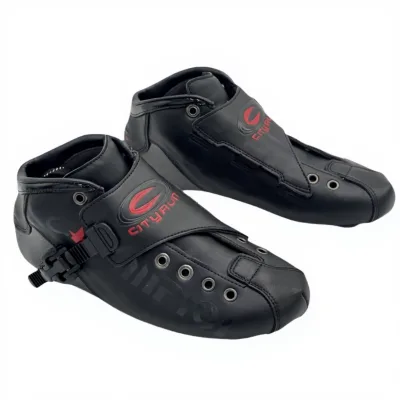
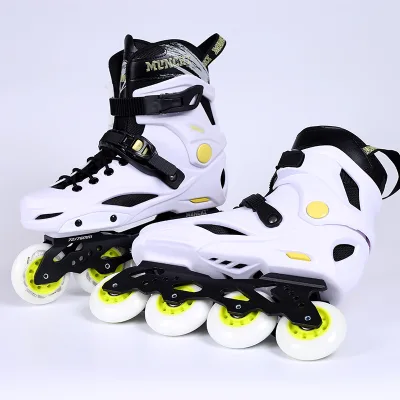
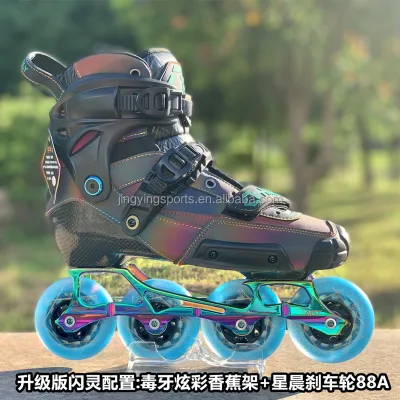
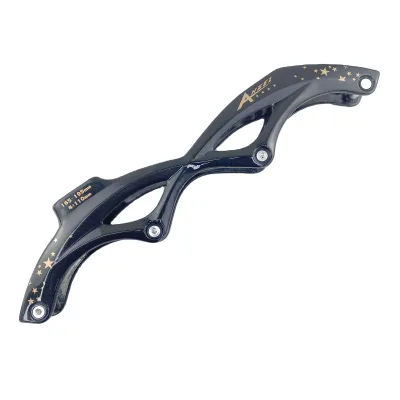
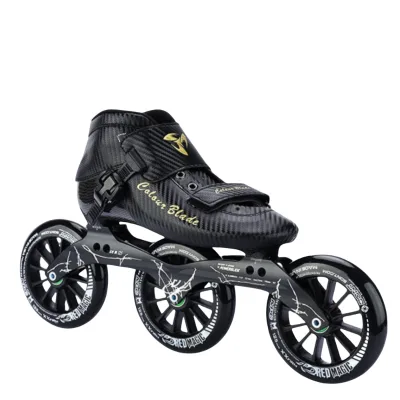
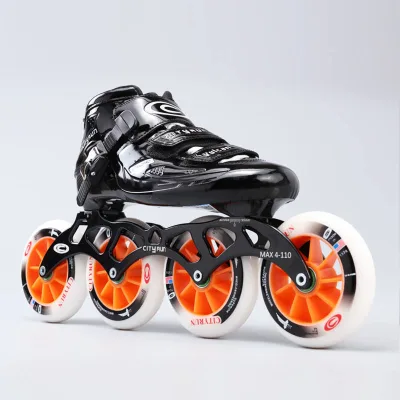


Inline Speed Professional Skates with PU Wheel Speed Inline Skate for Adult
$209.50 - $223.90
MOQ: 1 Pairs


Adjustable Inline Skates for Outdoor Men and Women Fashionable Inline Skates
$13.80 - $15.00
MOQ: 100 Pairs
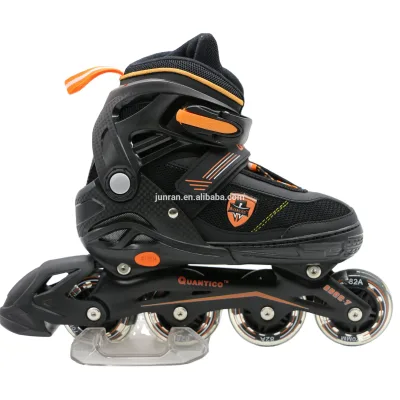
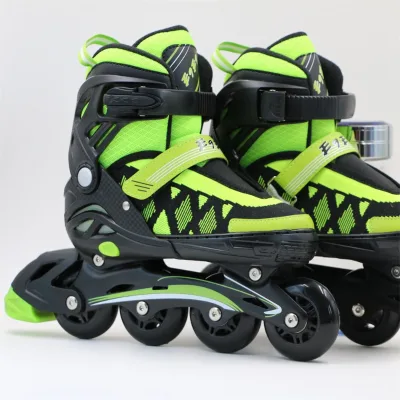
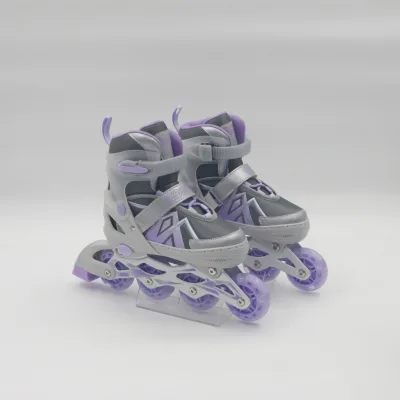


Professional Speed Inline Skates Carbon Fiber Roller Skate 4 Wheel Shoes
$315.00 - $323.00
MOQ: 100 Pairs

2022 New Customized Classic Professional Inline Skates for Skating Sports
$237.00 - $245.00
MOQ: 100 Pairs


Color Customizable Team Training Special Purpose Professional Inline Skates
$28.80 - $99.00
MOQ: 10 Pieces

Adult Professional Shock-Absorbing Anti-Slip Outdoor Mountain Inline Skates
$28.80 - $99.00
MOQ: 10 Pieces


Aluminum Alloy Frame Adult Professional Racing Competition Inline Skates
$28.80 - $99.00
MOQ: 10 Pieces

Adjustable Kids Safe Anti-Slip Breathable Casual Training Inline Skates
$28.80 - $99.00
MOQ: 10 Pieces
Comprehensive Sourcing Guide
Professional Speed Inline Skates Sourcing Guide
Sourcing Professional Speed Inline Skates requires a nuanced understanding of component-level engineering, as performance hinges on the synergy between chassis rigidity, wheel hardness, and bearing precision. Buyers must distinguish between general recreational models and high-performance equipment designed for competitive racing or intense training sessions. The market offers a variety of configurations, from adjustable youth models to fixed-size adult skates, each serving distinct demographic and functional needs. Understanding these variations is critical for aligning procurement with specific end-user requirements, whether for mass-market retail or specialized athletic supply chains.
This guide focuses on the technical and commercial realities of sourcing high-end inline skates, drawing on observed listing signals and material specifications. It addresses the verification of critical attributes such as bearing ratings, shell materials, and wheel compositions, which directly impact speed, durability, and user comfort. By adhering to evidence-based procurement practices, buyers can mitigate risks associated with quality inconsistencies and ensure that the final products meet the rigorous demands of professional athletes and serious enthusiasts.
Product Scope and Observed Listing Signals
The current market landscape for Professional Speed Inline Skates reveals a diverse range of product types, including adjustable models for children and fixed-size options for adults and teens. Listings frequently highlight specific wheel types, such as speed skating wheels, and emphasize materials like carbon fiber shells and glass fiber reinforcement to ensure structural integrity. Buyers should note that product names often vary, with terms like "Inline Speed Skates" or "Professional Slalom Roll" appearing alongside generic descriptors, requiring careful scrutiny of the actual specifications rather than relying solely on marketing titles.
Observed attributes indicate a strong focus on performance-oriented features, with bearing ratings ranging from standard ABEC-7 to high-precision ABEC-9, alongside common 608z bearings. Wheel sizes are typically standardized at 90mm, 100mm, or 110mm, catering to different speed and stability preferences. The shell materials often combine soft surfaces with carbon fiber or PVC, while wheels are constructed from PU or PP+PU composites. These material choices directly influence the skate's weight, flexibility, and resistance to wear, making them key decision points for procurement teams evaluating product suitability for their target markets.
Technical Specifications to Verify
Verifying technical specifications is paramount when sourcing Professional Speed Inline Skates, particularly regarding bearing quality and chassis construction. Buyers must confirm the exact bearing rating, as ABEC-9 bearings offer superior rotational speed and precision compared to ABEC-7 or standard 608z options. Additionally, the chassis bracket material, often cited as high-strength aluminum alloy, plays a crucial role in power transfer and stability. Ensuring that the frame is robust and correctly aligned with the wheel size is essential for maintaining performance standards, especially in high-speed applications where structural failure can lead to safety hazards.
Wheel composition and size are equally critical technical factors that require strict verification. The wheel material, typically polyurethane (PU) or a PP+PU blend, affects grip, shock absorption, and longevity. Buyers should confirm the specific wheel diameter, such as 90mm, 100mm, or 110mm, as this determines the trade-off between acceleration and top speed. Furthermore, the shoe size range, which often spans from EU 30 to EU 46, must be accurately mapped to inventory planning. Misalignment in size specifications can lead to high return rates and customer dissatisfaction, so precise data validation is necessary before placing orders.
Compliance and Safety Documentation
While specific certification standards are not explicitly detailed in the provided listing data, buyers must proactively request relevant safety and quality documentation from suppliers. Professional Speed Inline Skates are subject to rigorous safety requirements, particularly concerning material toxicity and structural durability. Buyers should verify that all components, including the shell, wheels, and bearings, comply with international safety standards for sports equipment. This includes ensuring that materials like carbon fiber, glass fiber, and PU are free from harmful substances and meet environmental regulations applicable to the destination market.
Documentation should also cover manufacturing quality control processes and any third-party testing results. Buyers need to confirm that the supplier has established protocols for inspecting bearing precision, frame integrity, and wheel hardness. Requesting certificates of conformity or test reports from accredited laboratories can provide assurance that the products meet safety benchmarks. Additionally, buyers should inquire about the supplier's adherence to quality management systems, such as ISO standards, to ensure consistent production quality and reduce the risk of defects in bulk orders.
Cost Drivers and Commercial Terms
Several factors influence the cost structure of Professional Speed Inline Skates, with bearing quality, shell material, and wheel composition being primary drivers. Skates featuring ABEC-9 bearings and carbon fiber shells typically command higher prices due to the advanced materials and precision engineering involved. Conversely, models with standard bearings and PVC shells may offer a more budget-friendly option but may lack the performance characteristics required for professional use. Buyers should analyze the cost-to-performance ratio to determine the most suitable products for their specific market segments and price points.
Commercial terms, including minimum order quantities (MOQ) and shipping logistics, also play a significant role in procurement planning. Observed MOQs range from 1 pair to 100 pairs, offering flexibility for both small-scale retailers and large distributors. Shipping methods, such as courier or sea freight, impact lead times and overall costs, with sea freight being more economical for bulk orders but requiring longer planning horizons. Buyers should negotiate clear terms regarding packaging, single gross weight, and package dimensions to optimize logistics efficiency and minimize storage and handling expenses.
Supplier Qualification and Quality Control
Evaluating supplier qualification is essential to ensure the reliability and consistency of Professional Speed Inline Skates. Buyers should assess the supplier's manufacturing capabilities, including their experience with carbon fiber and aluminum alloy components, which are critical for high-performance skates. Verifying the supplier's production capacity and quality control processes can help mitigate risks associated with defects and inconsistencies. Additionally, buyers should review the supplier's track record and customer feedback to gauge their reputation and reliability in the market.
Quality control measures should be implemented throughout the procurement process, from initial sampling to final inspection. Buyers should request pre-production samples to verify specifications, such as bearing ratings, wheel hardness, and shell material, before committing to bulk orders. During production, regular inspections can help identify and address potential issues early, ensuring that the final products meet the required standards. Post-production quality checks, including random sampling and functional testing, can further ensure that the delivered goods are free from defects and perform as expected.
Long-Term Procurement Checks
Establishing long-term procurement checks is vital for maintaining product quality and supplier performance over time. Buyers should conduct periodic audits of the supplier's manufacturing processes and quality control systems to ensure ongoing compliance with agreed-upon standards. Regular feedback loops with end-users can provide valuable insights into product performance and durability, allowing buyers to make informed decisions about future procurement strategies. Additionally, monitoring market trends and technological advancements can help buyers stay ahead of competitors and offer innovative products to their customers.
Building a strong relationship with suppliers based on transparency and mutual benefit can lead to better pricing, priority production, and improved service levels. Buyers should engage in open communication with suppliers to address any issues promptly and collaboratively. Furthermore, diversifying the supplier base can reduce dependency on a single source and mitigate risks associated with supply chain disruptions. By implementing robust long-term procurement checks, buyers can ensure a stable and reliable supply of Professional Speed Inline Skates, supporting their business growth and customer satisfaction.
FAQs
What bearing types are available for these inline speed skates?
The available bearing types include ABEC-9, ABEC-7, and 608z. These options allow buyers to select the precision level that best fits their specific skating performance needs and budget constraints for professional speed applications.
Which wheel sizes can be selected for professional speed skating?
Buyers can choose from 90mm, 100mm, or 110mm wheel sizes. These dimensions are designed to optimize speed and stability, ensuring the skates meet the rigorous demands of professional speed skating events and training sessions.
Can I order a single pair of these professional inline skates?
Yes, the minimum order quantity is one pair. This low threshold allows buyers to test product quality and fit before committing to larger bulk orders for their retail or distribution channels.
What materials are used for the shell and chassis of these skates?
The shell is constructed from carbon fiber or soft surface materials, while the chassis bracket uses high-strength aluminum alloy. These durable materials ensure structural integrity and lightweight performance for serious athletes.
Which shoe sizes are available for adult and teen buyers?
Sizes range from EU 30 to EU 46, covering both children and adults. This extensive size range ensures a proper fit for various age groups, including teens and adults seeking professional grade equipment.
What is the typical single package weight for these inline skates?
The single gross weight varies between 2.5 kg and 4.5 kg depending on the specific model configuration. This weight range reflects the robust construction required for high-performance speed skating applications.
Where are these Professional Speed Inline Skates manufactured?
The place of origin is listed as China, specifically Guangdong. This location is a major hub for manufacturing sports equipment, ensuring access to established supply chains and production capabilities.