Source eco-friendly floral baju kurung for weddings, festivals, and daily wear
Find 30 verified options for eco-friendly floral baju kurung from Guangdong suppliers. Compare prices, materials like polyester and cotton, and customization features to select the right modest Muslimah styling for your needs; compare the available evidence and request quotations based on your requirements.
Updated
Key considerations
Products List
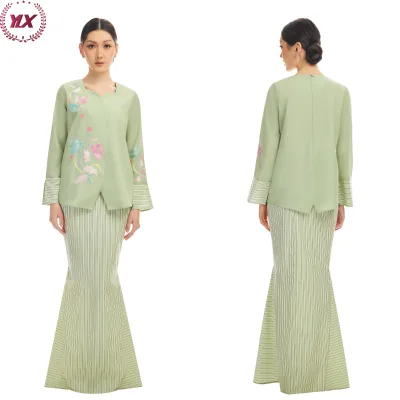
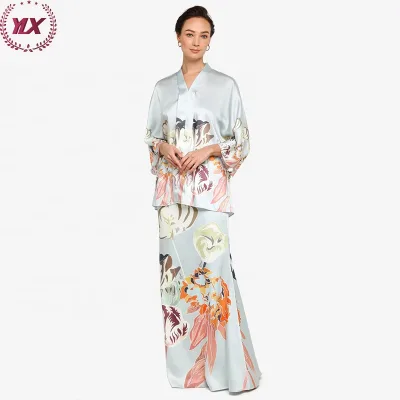
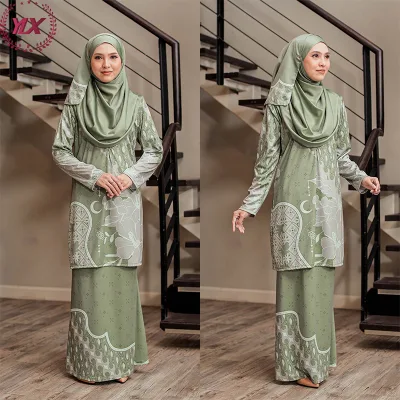
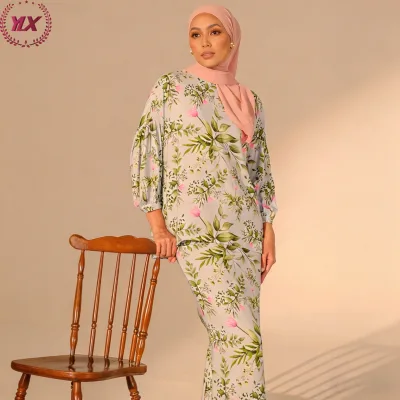
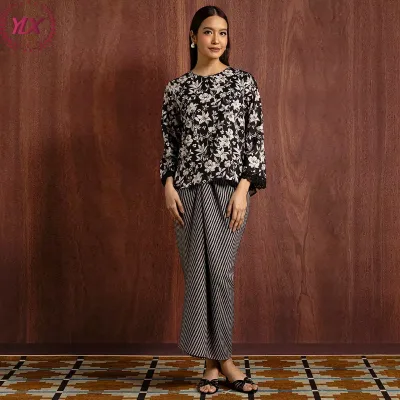
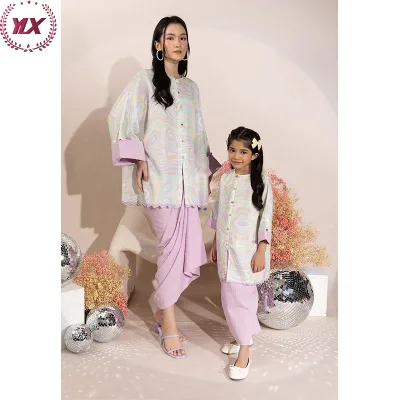


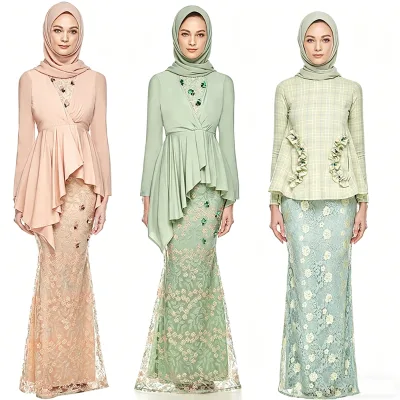
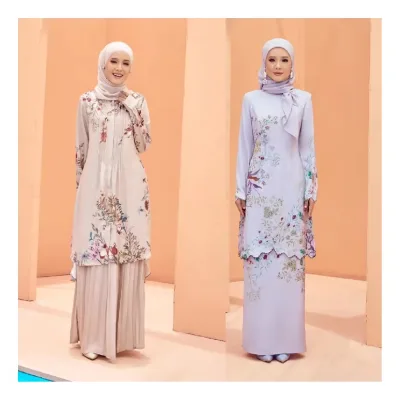


African Dresses Baju Love Sahara Kt1867-655f Nigeria Caftan Ethnic Dress
$4.92 - $5.69
MOQ: 300 Pieces


African Dresses Baju From China Love Sahara Kt6932-562f Congo Kaftan Caftan
$4.38 - $5.15
MOQ: 300 Pieces

Comprehensive Sourcing Guide
Eco-Friendly Floral Baju Kurung Sourcing Guide
Sourcing eco-friendly floral baju kurung requires balancing aesthetic appeal with sustainable material claims and reliable manufacturing capabilities. Buyers must navigate a market where "eco-friendly" is often used loosely, necessitating strict verification of fabric composition and dyeing processes. The observed product landscape includes items labeled as polyester or polyester-cotton blends, which presents a challenge for buyers seeking truly sustainable options. It is critical to distinguish between marketing terms and actual material certifications, ensuring that the floral prints do not compromise the garment’s environmental integrity.
Procurement teams should focus on suppliers who provide transparent documentation regarding their supply chain, particularly for the fabric and printing stages. The presence of OEM services and custom logo acceptance indicates a mature manufacturing ecosystem, but it also demands rigorous quality control to maintain brand consistency. Buyers need to establish clear communication channels early to define what constitutes "eco-friendly" in their specific context, whether that involves recycled fibers, low-impact dyes, or ethical labor practices. This foundational clarity prevents costly misunderstandings during the sampling and bulk production phases.
Product Scope and Observed Listing Signals
The current market listings reveal a diverse range of styles, from modest Muslimah styling to formal and casual dress variations. Observed attributes include solid and floral pattern types, with specific mentions of digital print methods for the floral designs. Sizes range from S to 3XL, catering to a broad adult demographic, while fit types vary between regular and loose cuts. These signals suggest that buyers can find versatile options suitable for various occasions, but they must carefully cross-reference the listed features with their specific design requirements to avoid mismatches in style or fit.
Color options observed include green, light blue, turquoise, and sky blue, indicating a preference for soft, nature-inspired palettes that align with eco-friendly branding. The materials listed are predominantly polyester or polyester-cotton blends, with fabric types such as crepe and memory fabric noted. While some listings claim eco-friendly features, the material composition suggests that buyers should verify the source of these claims. The presence of OEM service and custom logo acceptance highlights the potential for private labeling, allowing brands to create unique, sustainable product lines that resonate with conscious consumers.
Technical Specifications to Verify
Verifying technical specifications is paramount to ensuring the final product meets quality and performance expectations. Buyers should confirm the exact fabric composition, as listings may vary between 100% polyester and polyester-cotton blends. The weaving method, whether woven or crocheted, significantly impacts the garment’s drape and durability. Additionally, the technic used, such as plain dyed or garment dyed, affects the colorfastness and overall aesthetic. These details must be explicitly stated in the purchase agreement to prevent discrepancies between the sample and the bulk order.
Size specifications and package dimensions are also critical for logistics and inventory planning. Observed single package sizes range from 35x30x3 cm to 40x35x3 cm, with corresponding gross weights between 0.500 kg and 0.650 kg. Buyers should verify these metrics to calculate accurate shipping costs and storage requirements. Furthermore, the model numbers, such as YI-0081 or A-50, serve as unique identifiers for specific designs. Ensuring that these technical details are accurately documented helps streamline the production process and reduces the risk of errors in the final delivery.
Compliance and Safety Documentation
Compliance with safety and environmental standards is essential for selling eco-friendly apparel in international markets. Buyers must request documentation that verifies the eco-friendly claims, such as OEKO-TEX certification or equivalent standards for low-impact dyes and sustainable fibers. While some listings mention eco-friendly features, the absence of specific certification details in the observed data necessitates proactive verification. Buyers should ask suppliers to provide test reports or certificates from accredited laboratories to confirm that the garments meet relevant safety and environmental regulations.
Additionally, compliance with labor standards and ethical manufacturing practices is increasingly important for brand reputation. Buyers should inquire about the supplier’s adherence to social compliance audits, such as SMETA or BSCI, to ensure that the production process respects workers’ rights. The payment terms, often requiring a 50% deposit, should be structured to protect the buyer’s interests while ensuring the supplier’s commitment to quality. Establishing a clear compliance framework early in the sourcing process helps mitigate risks and builds trust with end consumers who prioritize ethical and sustainable products.
Cost Drivers and Commercial Terms
Understanding the cost drivers behind eco-friendly floral baju kurung is crucial for effective budgeting and pricing strategies. The use of specialized fabrics, such as crepe or memory fabric, and advanced printing methods like digital print, can influence the unit cost. Suppliers with OEM capabilities and custom logo services may charge additional fees for setup and design work. Buyers should request detailed cost breakdowns to identify where expenses are incurred and explore opportunities for optimization without compromising quality or sustainability standards.
Commercial terms, including MOQs and lead times, also play a significant role in the overall procurement cost. Observed MOQs range from 1 to 500 pieces, with some suppliers requiring a minimum of 30 pieces. Lead times for samples are noted as not supported in some cases, which can delay the product development process. Buyers should negotiate favorable terms that align with their inventory needs and cash flow constraints. Clear communication regarding payment terms, such as the 50% deposit requirement, helps avoid disputes and ensures a smooth transaction from order placement to final delivery.
Supplier Qualification and Quality Control
Qualifying suppliers involves assessing their manufacturing capabilities, quality control systems, and commitment to sustainability. Buyers should conduct thorough due diligence, including factory audits and reference checks, to verify the supplier’s claims about eco-friendly practices and production capacity. The observed supply ability of 1200 pieces per day indicates a robust production infrastructure, but buyers must ensure that this capacity is maintained without sacrificing quality. Establishing a strong relationship with the supplier through regular communication and feedback loops is essential for long-term success.
Quality control measures should be implemented at every stage of the production process, from raw material inspection to final product testing. Buyers should define clear quality standards and inspection criteria in the purchase agreement, including acceptable tolerances for size, color, and stitching. Third-party inspection services can provide an objective assessment of the goods before shipment, reducing the risk of receiving substandard products. By prioritizing supplier qualification and rigorous quality control, buyers can ensure that their eco-friendly floral baju kurung meets the highest standards of quality and sustainability.
Long-Term Procurement Checks
Long-term procurement success depends on continuous monitoring and evaluation of supplier performance and product quality. Buyers should establish key performance indicators (KPIs) to track metrics such as on-time delivery, defect rates, and compliance with sustainability standards. Regular reviews of these metrics help identify areas for improvement and foster a culture of continuous improvement within the supply chain. Building a diversified supplier base can also mitigate risks associated with single-source dependencies, ensuring business continuity in the face of market fluctuations or supply chain disruptions.
Furthermore, staying informed about industry trends and regulatory changes is essential for maintaining a competitive edge. Buyers should engage with industry associations and attend trade shows to network with suppliers and learn about new sustainable materials and technologies. By proactively adapting to market dynamics and prioritizing ethical sourcing practices, buyers can build a resilient and responsible supply chain that delivers value to their customers and contributes to a more sustainable future. This strategic approach ensures that the procurement of eco-friendly floral baju kurung remains aligned with the brand’s core values and long-term goals.
FAQs
What material is used for the eco-friendly floral baju kurung?
The product is made from 100% polyester or a polyester cotton blend. These materials are selected for their durability and comfort during wear. The fabric type is specified as crepe or memory fabric, ensuring a smooth drape. This composition supports the eco-friendly claim while maintaining the structural integrity required for modest Muslimah styling in various climates.
Can I customize the logo on the floral baju kurung?
Yes, the supplier accepts custom logo requests for this item. This OEM service allows buyers to brand the garments according to their specific requirements. The customization is available alongside other standard features like plain dyed or garment dyed techniques. Buyers should confirm the specific logo placement and design details with the manufacturer before placing the order.
What is the minimum order quantity for this product?
The minimum order quantity is listed as 30 pieces for this specific model. However, observed listings show a broader range from 1 to 500 pieces depending on the variant. Buyers should verify the exact MOQ for their chosen size and color combination. This flexibility allows for smaller initial trials while supporting larger bulk orders for established retail operations.
How long does the sample order take to produce?
Sample order lead time is not supported for this specific product listing. Buyers typically need to place a full production order rather than requesting individual samples. The supply ability is 1200 pieces per day, indicating strong manufacturing capacity for bulk orders. Please contact the supplier directly to inquire about any potential sample arrangements or alternative testing methods.
Where is the eco-friendly floral baju kurung manufactured?
The product originates from Guangdong, China, with dispatch from Shenzhen port. This location is a major hub for textile manufacturing and export logistics. The goods are woven and feature a regular or loose fit type. Buyers sourcing from this region benefit from established supply chains and efficient shipping routes for international delivery to various global destinations.
What sizes are available for the floral printed kebaya?
Available sizes include S, M, L, XL, XXL, and 3XL options. The sizing chart accommodates a wide range of body types for adult women. The fit type is described as regular or loose, suitable for modest styling. Buyers should check the single package dimensions, which vary slightly by model, to ensure proper storage and shipping calculations for their inventory.