Source modest conservative 3-piece children swimwear for beach, pool, and sports
Compare 30 listings for modest conservative 3-piece children swimwear featuring breathable, quick-dry, and UV-protective fabrics. Buyers can review OEM options, custom sizes, and supply types from verified manufacturers in Fujian, China; compare the available evidence and request quotations based on your requirements.
Updated
Key considerations
Products List
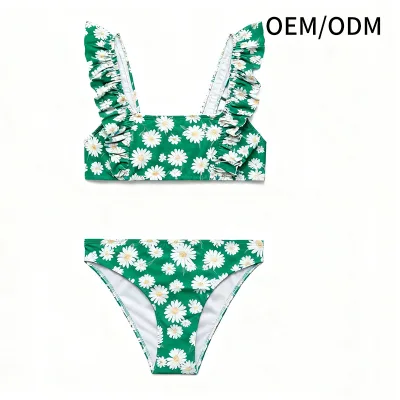
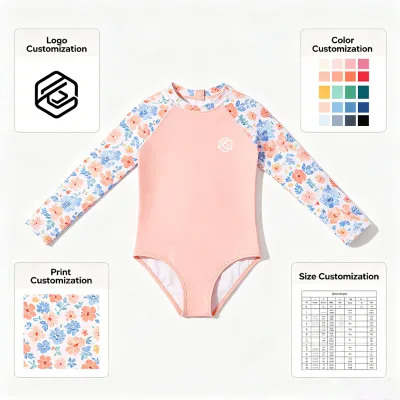
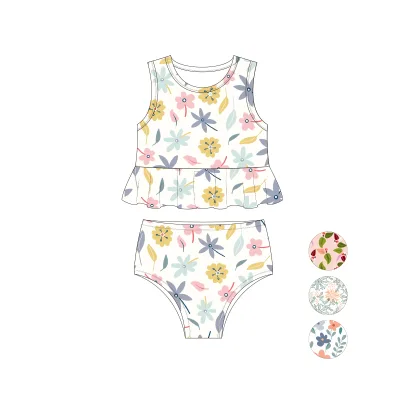
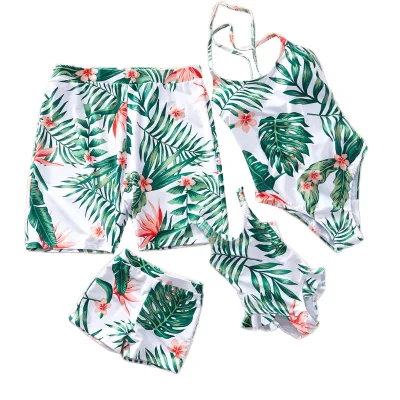
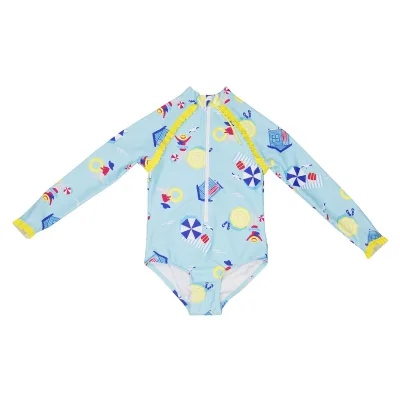
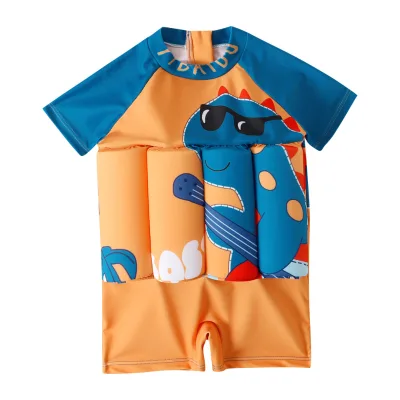


Fashion Kids Swimsuit Two-Piece Children Boys Swimwear Short Sleeve Swimwear
$1.20 - $3.00
MOQ: 500 Pieces



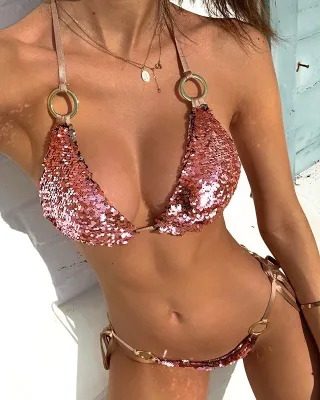
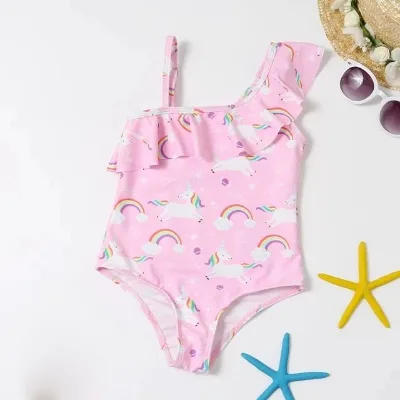
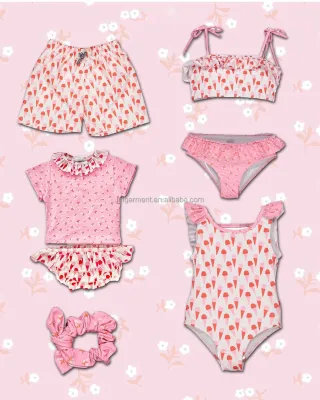
JM Fashion Custom Beachwear Swimsuit Printed Custom Kids Children Swimwear
$4.4491 - $12.33
MOQ: 50 pieces
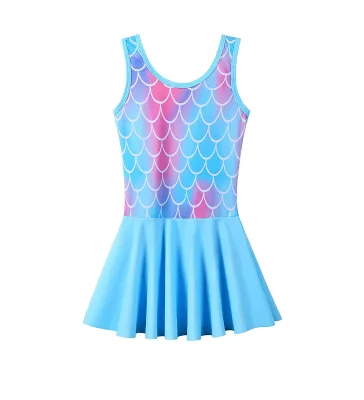


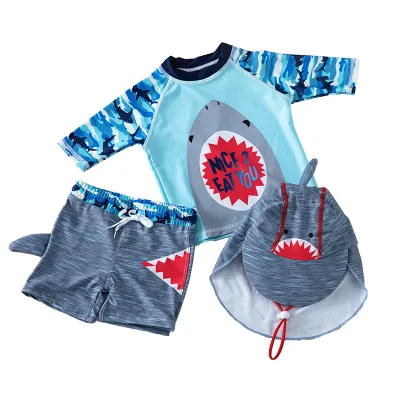
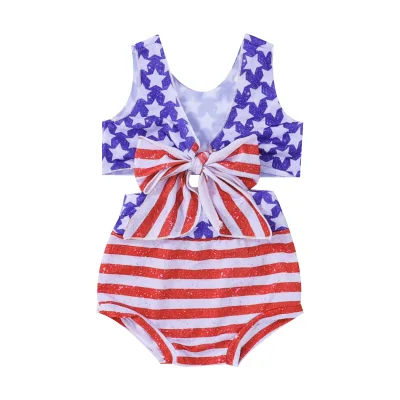
Comprehensive Sourcing Guide
Modest Conservative 3-Piece Children Swimwear Sourcing Guide
Sourcing modest and conservative swimwear for children requires a careful balance of cultural sensitivity, functional performance, and strict adherence to safety standards. Buyers must navigate a market where "modest" often implies higher coverage, such as long sleeves, high necklines, or full-body designs, while still ensuring the garments remain comfortable for active play. The term "3-piece" suggests a coordinated set, which may include a top, bottom, and an additional layer like a rash guard or skirt, offering versatility and modesty. Procurement teams need to verify that the supplier understands the specific design nuances required for conservative markets, ensuring that the cut and fabric choice align with both aesthetic expectations and practical swimming needs.
The procurement process also demands a rigorous evaluation of material properties, as children’s swimwear must withstand chlorine, saltwater, and frequent washing without losing shape or color. Buyers should prioritize suppliers who demonstrate expertise in blending synthetic fibers like polyester, nylon, and spandex to achieve the necessary stretch, durability, and quick-drying capabilities. It is crucial to confirm that the supplier can provide consistent quality across batches, especially when dealing with custom designs or specific color requirements. Understanding the supply chain dynamics, including lead times and minimum order quantities, helps buyers plan inventory effectively while maintaining the flexibility to respond to seasonal demand fluctuations in the children’s swimwear sector.
Product Scope and Observed Listing Signals
The observed product listings reveal a diverse range of attributes that buyers must carefully interpret when sourcing modest children’s swimwear. Data indicates a presence of two-piece sets, one-piece styles, and swim dresses, with materials primarily consisting of polyester, nylon, and spandex blends. These materials are chosen for their durability, elasticity, and resistance to fading, which are critical for children’s active use. The listings also highlight features such as UPF 50+ protection, breathability, and quick-drying properties, which are essential for sun safety and comfort. Buyers should note that while some items are labeled as "bikinis," others are described as "swim dresses" or "one-piece," indicating a spectrum of coverage options that cater to different modesty preferences.
Further analysis of the listings shows that suppliers offer OEM and ODM services, allowing for custom designs and branding opportunities. The presence of "custom size" options and various size ranges from XS to XL suggests that suppliers are equipped to handle specific sizing requirements, which is vital for ensuring a proper fit for children of different ages and body types. Additionally, the mention of "heat-transfer printing" and "floral" or "simple" patterns indicates the aesthetic versatility available to buyers. However, it is important to verify that the printing methods used do not compromise the fabric’s breathability or safety, especially for children’s sensitive skin. Buyers should also pay attention to the "needle detection" feature, which is a critical quality control step for ensuring the absence of metal fragments in the final product.
Technical Specifications to Verify
When evaluating technical specifications, buyers must prioritize the fabric composition and weight to ensure optimal performance and comfort. The observed data points to materials like polyester/nylon and spandex/nylon blends, with fabric weights around 160 grams, which is suitable for swimwear that needs to be lightweight yet durable. Buyers should verify the weaving method, with knitted fabrics being common for their stretch and recovery properties. It is also essential to confirm the fit type, such as "regular" fit, and the neckline design, which can range from backless to high-neck styles depending on modesty requirements. The presence of features like "triangle bra" types or "ruffles" adds to the design complexity, requiring careful inspection to ensure these elements do not hinder movement or cause discomfort.
Another critical aspect is the printing and decoration techniques used. Heat-transfer printing is noted in the listings, which allows for vibrant and durable designs. Buyers should verify that the inks used are non-toxic and eco-friendly, aligning with safety standards for children’s products. The "needle detection" feature is a mandatory quality control step that must be confirmed to ensure the absence of metal contaminants. Additionally, the single package size and gross weight, such as 20x20x5 cm and 0.3-0.5 kg, are important for logistics and shipping cost calculations. Buyers should also check the availability of custom sizes and colors, as these options can significantly impact the final product’s suitability for specific markets and customer preferences.
Compliance and Safety Documentation
Compliance with safety standards is non-negotiable when sourcing children’s swimwear, given the vulnerability of the target demographic. Buyers must ensure that suppliers provide documentation confirming adherence to relevant international and local safety regulations, such as those governing flammability, chemical content, and physical safety. The "needle detection" feature mentioned in the listings is a basic but critical step in ensuring that no metal fragments are present in the garments, which could pose a serious injury risk. Buyers should request test reports from accredited laboratories to verify that the materials are free from harmful substances like azo dyes, formaldehyde, and heavy metals, which are often regulated in children’s products.
Furthermore, the "UPF 50+" rating observed in some listings indicates a level of sun protection, but buyers should verify the testing methodology and certification behind this claim. It is important to ensure that the fabric’s UV protection remains effective after multiple washes, as this is a key selling point for conservative swimwear. Buyers should also check for certifications related to eco-friendly and non-toxic materials, especially if the target market places a high value on sustainability. Documentation should also cover the manufacturing process, including any chemical treatments applied to the fabric, to ensure that the final product is safe for prolonged skin contact. Clear and accessible safety documentation is essential for building trust with retailers and end consumers.
Cost Drivers and Commercial Terms
Understanding the cost drivers is essential for effective budgeting and negotiation in the procurement of children’s swimwear. The observed price range of $1.2 to $12.33 USD reflects variations in material quality, design complexity, and order volume. Buyers should note that the minimum order quantity (MOQ) ranges from 1 to 500 pieces, offering flexibility for both small-scale and large-scale orders. The availability of OEM and ODM services can impact costs, as custom designs and branding may incur additional fees. Buyers should also consider the lead time for sample orders, which is noted as 7 days, and the production lead time, which can vary based on order size and complexity.
Commercial terms such as payment methods, shipping costs, and return policies are also critical factors in the total cost of ownership. Buyers should negotiate favorable terms that align with their cash flow and risk management strategies. The "available quantity" of 1000 pieces for some items indicates stock availability, which can reduce lead times and costs for immediate needs. However, buyers should be cautious of relying solely on in-stock items, as they may not meet specific design or quality requirements. It is advisable to establish clear communication channels with suppliers to discuss any potential changes in pricing or availability, ensuring that the procurement process remains transparent and predictable.
Supplier Qualification and Quality Control
Supplier qualification is a pivotal step in ensuring the reliability and consistency of the sourced swimwear. Buyers should conduct thorough due diligence to assess the supplier’s manufacturing capabilities, quality control processes, and ethical standards. The presence of "OEM Service" and "ODM" options suggests that the supplier has the flexibility to accommodate custom orders, but buyers must verify their ability to maintain quality across different production runs. It is important to check for certifications related to quality management systems, such as ISO standards, which indicate a structured approach to production and quality assurance. Buyers should also evaluate the supplier’s track record in delivering products on time and meeting specified quality criteria.
Quality control measures, such as "needle detection" and fabric testing, are critical for ensuring the safety and durability of the swimwear. Buyers should request samples for rigorous testing before placing bulk orders, paying attention to aspects like stitching quality, color fastness, and fabric elasticity. The "automated cutting" technique mentioned in the listings suggests a level of precision in production, but buyers should still conduct random inspections to verify consistency. Establishing a clear quality agreement with the supplier, including acceptable defect rates and remediation procedures, is essential for maintaining product standards. Regular audits and feedback loops can help identify and address any quality issues early in the production process.
Long-Term Procurement Checks
Long-term procurement success depends on continuous monitoring and relationship management with suppliers. Buyers should establish key performance indicators (KPIs) to track supplier performance in areas such as delivery times, product quality, and responsiveness to issues. Regular communication and feedback sessions can help strengthen the partnership and address any emerging challenges proactively. Buyers should also stay informed about market trends and regulatory changes that may impact the sourcing strategy, such as new safety standards or sustainability requirements. By maintaining a flexible and adaptive approach, buyers can ensure that their procurement processes remain aligned with business goals and customer expectations.
Additionally, buyers should consider diversifying their supplier base to mitigate risks associated with single-source dependencies. Building relationships with multiple suppliers can provide greater flexibility in managing order volumes and responding to market fluctuations. It is also important to invest in supplier development initiatives, such as training and support, to help suppliers improve their capabilities and meet evolving quality standards. By focusing on long-term collaboration and mutual growth, buyers can create a resilient supply chain that supports sustainable business operations. Continuous evaluation and improvement of procurement practices are essential for maintaining a competitive edge in the dynamic children’s swimwear market.
FAQs
What materials are used in this swimwear?
The swimwear is crafted from a blend of Spandex, Nylon, and Polyester to ensure durability and comfort. This fabric combination provides excellent elasticity and a soft feel against the skin. It is designed to withstand chlorine and saltwater exposure while maintaining its shape and color integrity over time.
Can I request a custom logo on the product?
Yes, OEM services are supported for custom branding needs. You can place your logo on the front of the garment. The supplier offers ODM capabilities as well, allowing for tailored designs. This flexibility ensures your brand identity is prominently displayed on the final product for retail or promotional use.
What is the lead time for sample orders?
Sample orders are supported with a lead time of seven days. This quick turnaround allows buyers to evaluate quality and fit before committing to larger quantities. The efficient production process ensures that prototypes are delivered promptly for review, facilitating faster decision-making and smoother transition to bulk manufacturing stages.
Is the fabric suitable for sensitive skin?
The material is described as breathable, quick-drying, and eco-friendly. It also features anti-bacterial and non-toxic properties, making it safe for children. These characteristics help maintain hygiene and comfort during wear. The fabric is designed to be gentle on skin while providing necessary protection and moisture management.
What sizes are available for this swimwear?
Sizes include XS, S, M, L, and XL, with custom sizing options available. This range accommodates various body types for children and girls. The ability to order custom sizes ensures a perfect fit for specific requirements. Buyers can select standard sizes or request tailored measurements to meet exact specifications.
Does the swimwear offer UV protection?
Yes, the product provides UPF 50+ ultraviolet protection. This high rating shields the skin from harmful sun rays during outdoor activities. The fabric is engineered to block UV radiation effectively, ensuring safety for children. This feature is essential for summer wear, offering reliable protection while maintaining breathability and comfort.