Source Lightweight Soft Modest Kaftan for Beach, Travel, and Home
Source the Lightweight Soft Modest Kaftan from 30 verified suppliers in Guangdong, China. Compare options featuring cotton and rayon materials, O-neck designs, and various sleeve lengths. Evaluate MOQs, lead times, and customization services to find the right fit for your business needs.
Updated
Key considerations
Products List
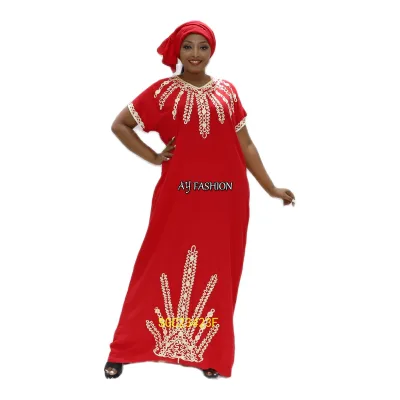
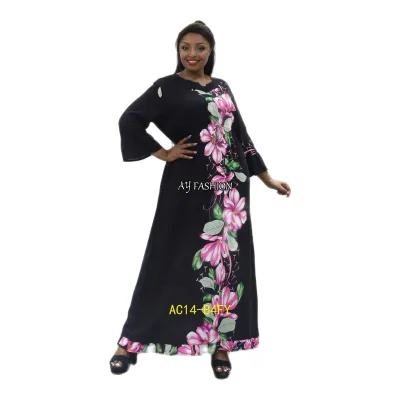
Muslimah Dress Kaftan Dress Breathable Casual Dresses Caftan Marocain Mariag Kaftan
$6.9519 - $10.0636
MOQ: 300 Minimum
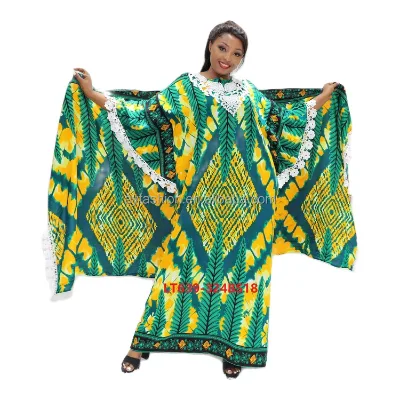
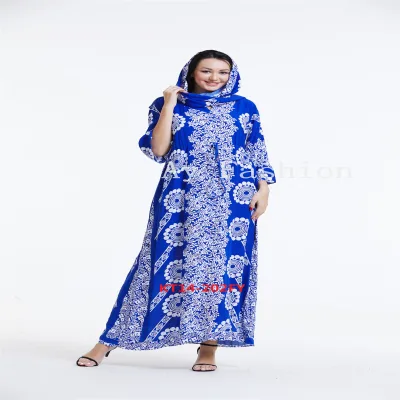
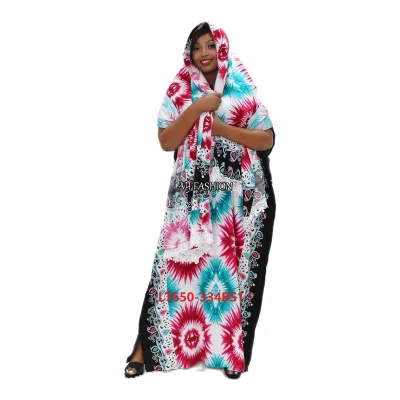
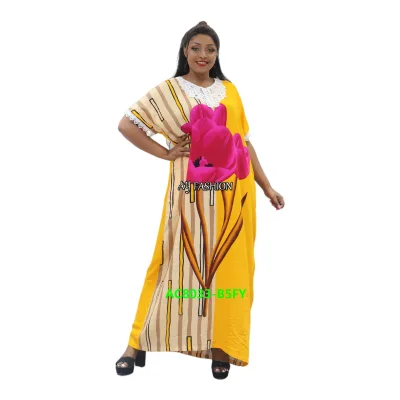
Ethnic Clothing Muslim Dress Love Sahara Maxi Standard Caftan Ethnic Dress
$6.50 - $9.50
MOQ: 300 Minimum


Muslim Women Dress Muslim Products Ay Fashion AC8895-A58fy Togo Kaftan Kaftan
$5.35 - $6.12
MOQ: 300 Pieces

African Clothing Prayer Dress Muslim Ay Fashion Sg40866 Tanzania Caftan Kaftan
$6.24 - $8.06
MOQ: 300 Pieces

Elegant Abaya Arabic Abaya Fast Delivery Ay Fashion Q859f Togo Caftan Kaftan
$7.19 - $9.02
MOQ: 300 Pieces

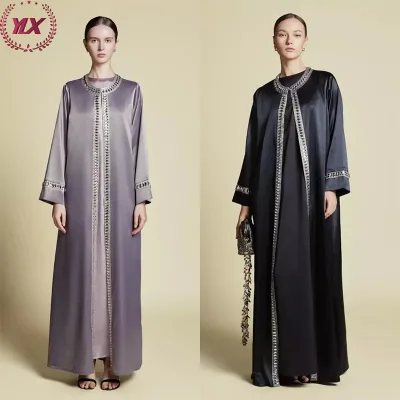
Elegant Cotton Modest Kaftan for Wedding Guests or Islamic Ceremonies Premium Modest Dress
$16.4171 - $19.5138
MOQ: 50 bags
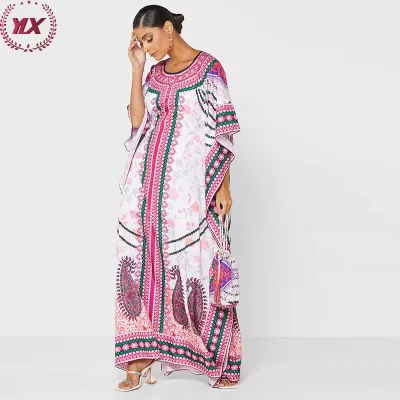


Comprehensive Sourcing Guide
Lightweight Soft Modest Kaftan Sourcing Guide
Sourcing lightweight, soft, and modest kaftans requires a careful balance of material selection, design aesthetics, and supply chain reliability. Buyers must navigate a market where terms like "kaftan" and "maxi dress" are often used interchangeably, yet distinct differences in cut, fabric weight, and cultural appropriateness exist. The following guide synthesizes observed listing signals and technical specifications to help procurement teams make informed decisions. By focusing on verified attributes such as fabric type, sleeve length, and origin, buyers can mitigate risks associated with vague product descriptions and ensure that the final goods meet both functional and aesthetic requirements.
This guide is structured to address the full procurement lifecycle, from initial product scope definition to long-term supplier qualification. It emphasizes the importance of verifying technical specifications against actual samples, understanding the cost drivers inherent in ODM and OEM models, and establishing robust quality control protocols. The insights provided are derived from observed market data, including price ranges, minimum order quantities, and delivery timelines, offering a practical framework for sourcing these garments effectively.
Product Scope and Observed Listing Signals
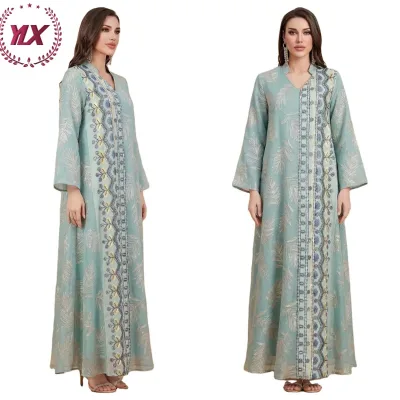
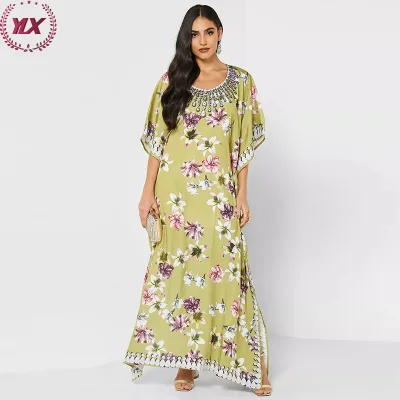
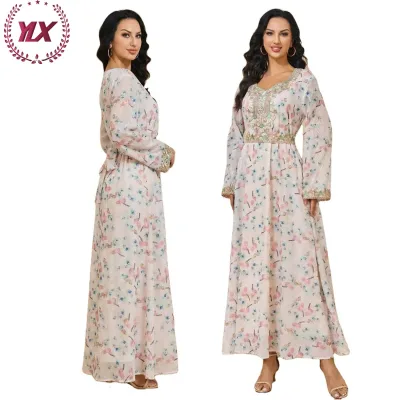
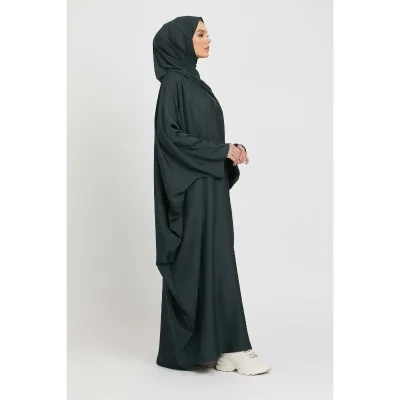
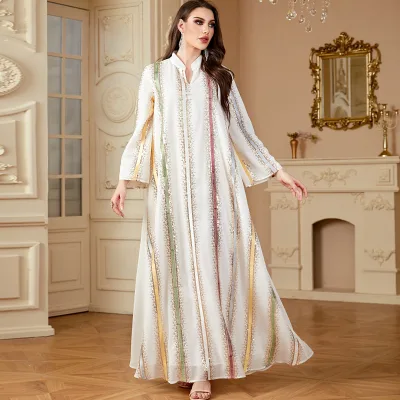
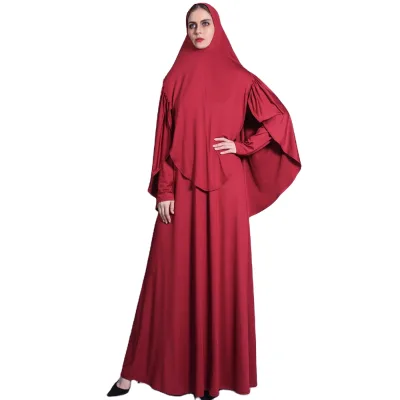
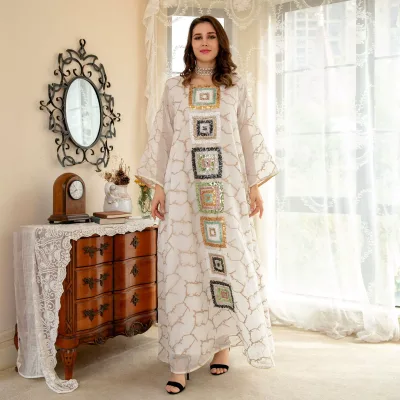
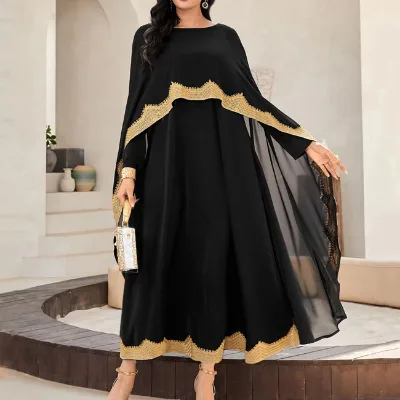
The observed market for modest kaftans reveals a diverse range of styles, primarily categorized as casual dresses, African maxi caftans, or general kaftan styles. Key visual attributes include floral prints, printed patterns, and specific fashion elements like beading, sequins, lace, and embroidery. These decorative features significantly influence the perceived value and target demographic, with many listings highlighting high-grade designs suitable for various occasions. The silhouette is predominantly loose, catering to modesty requirements, while necklines vary from O-neck to other styles, ensuring comfort and ease of movement for the wearer.
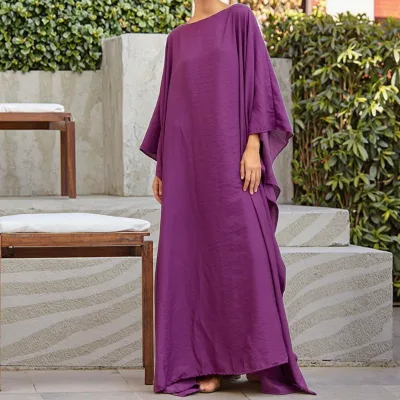
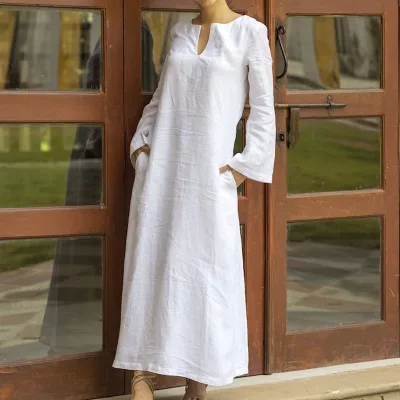
Material composition is a critical differentiator, with cotton and rayon being the most commonly observed fabrics. These materials are chosen for their breathability and softness, aligning with the "lightweight" descriptor in the core keyword. Some listings also mention embroidered organza, suggesting a premium segment within the category. The color options are typically as shown in product images, indicating a reliance on visual confirmation for color accuracy. Buyers should note that while "lightweight" is a common claim, the actual fabric weight and drape must be verified through physical samples to ensure consistency across batches.
Technical Specifications to Verify
Technical specifications vary significantly across suppliers, necessitating rigorous verification before placing orders. Observed model numbers such as SGC23423F, AC14-B4FY, and LT639-324BS18 indicate distinct product lines, each with unique sizing and construction details. Sleeve lengths range from short to full, impacting the garment's modesty level and seasonal suitability. For instance, short-sleeve options are often paired with summer or spring collections, while full-sleeve designs may be preferred for autumn or winter wear. Buyers must confirm the exact sleeve style and length to ensure alignment with their target market's preferences.
Dress length is another crucial specification, with ankle-length and maxi standard lengths being common. Sizing options typically include L, XL, and 2XL, with some listings providing US size equivalents like Xl(8) and 2 XL(10). The waistline is generally natural, contributing to the loose and comfortable fit characteristic of kaftans. Additionally, packaging details vary, with some suppliers using PP bags or OPP bags for individual items, while others pack dozens per carton. Buyers should specify their packaging requirements clearly to avoid discrepancies in shipping and retail presentation.
Compliance and Safety Documentation
Compliance and safety documentation are essential for importing apparel, particularly when dealing with international suppliers. Buyers must ensure that all garments meet the safety standards of their destination markets, including restrictions on harmful substances and flammability requirements. While specific certification statuses are not universally listed, suppliers should be able to provide test reports or compliance certificates upon request. This is particularly important for children's clothing, although the observed products are primarily targeted at adults, ensuring that any age-related regulations are appropriately addressed.
Documentation should also cover material composition accuracy, as mislabeling can lead to customs delays or legal penalties. Buyers should verify that the declared materials, such as cotton or rayon, match the actual fabric content. Additionally, care labels must be clear and accurate, providing washing and maintenance instructions to consumers. Suppliers offering ODM or OEM services should be willing to customize labels and tags to meet specific regulatory requirements, ensuring that the final product is fully compliant with local laws and consumer protection standards.
Cost Drivers and Commercial Terms
Cost drivers for lightweight kaftans include material costs, labor expenses, and the complexity of decorative elements like embroidery and beading. Observed price ranges vary, with some listings indicating prices between $3.5 and $21.36 USD, reflecting differences in quality, design, and order volume. Minimum order quantities (MOQs) also vary, ranging from 1 piece for samples to 300 pieces for bulk orders. Buyers should consider the trade-off between lower MOQs and higher unit prices, as well as the potential for volume discounts as order quantities increase.
Commercial terms such as payment methods and delivery times are also significant factors. Common payment options include T/T, Western Union, and MoneyGram, while delivery times typically range from 7 to 15 days, depending on order quantity. Sample order lead times are often supported, allowing buyers to evaluate product quality before committing to larger orders. Buyers should negotiate clear terms regarding shipping costs, insurance, and liability to avoid unexpected expenses. Understanding these commercial dynamics is crucial for accurate cost forecasting and budget management.
Supplier Qualification and Quality Control
Supplier qualification is a critical step in ensuring consistent product quality and reliable delivery. Buyers should assess suppliers based on their supply ability, with some listing capacities of up to 500,000 pieces per month. This indicates the supplier's capacity to handle large orders, which is essential for scaling operations. Additionally, suppliers offering ODM or OEM services demonstrate flexibility in design and customization, allowing buyers to tailor products to their brand identity. Buyers should verify the supplier's track record, including past performance and customer feedback, to gauge reliability.
Quality control measures should be established to monitor production processes and final product inspection. Buyers should request pre-production samples and conduct thorough inspections upon receipt of goods. Key quality indicators include stitching integrity, fabric consistency, and accuracy of decorative elements. Suppliers should be willing to accommodate third-party inspections or provide detailed quality reports. Establishing a clear quality assurance protocol helps minimize defects and ensures that the final products meet the buyer's standards, reducing the risk of returns or customer dissatisfaction.
Long-Term Procurement Checks
Long-term procurement checks involve continuous monitoring of supplier performance and market trends. Buyers should regularly review supplier metrics, including on-time delivery rates, defect rates, and responsiveness to issues. This data helps identify potential risks and opportunities for improvement, allowing buyers to make informed decisions about future orders. Additionally, staying updated on fashion trends and consumer preferences is essential for maintaining product relevance. Buyers should analyze sales data and customer feedback to adjust product offerings accordingly.
Building a strong relationship with suppliers is also crucial for long-term success. Open communication and collaboration can lead to better pricing, improved quality, and faster response times. Buyers should consider diversifying their supplier base to mitigate risks associated with single-source dependencies. Regular audits and site visits can provide valuable insights into production capabilities and working conditions. By maintaining a proactive approach to supplier management, buyers can ensure a stable and efficient supply chain, supporting sustainable growth and competitiveness in the market.
FAQs
What materials are used for these lightweight soft modest kaftans?
The available kaftans are crafted from cotton and rayon fabrics. These materials ensure the garments remain breathable and comfortable for wear. The cotton options provide a natural feel, while the rayon variants offer a smooth drape. Both material types support the lightweight and soft characteristics required for modest casual wear in various seasons.
Can I order samples before placing a bulk purchase?
Yes, sample orders are supported with a lead time of about 7 days. This allows buyers to verify quality and fit before committing to larger quantities. The supplier accommodates sample requests to ensure the product meets specific requirements. This service helps mitigate risk for new buyers exploring the Lightweight Soft Modest Kaftan range for their inventory.
What is the minimum order quantity for these dresses?
The minimum order quantities vary by model, ranging from 120 pieces to 300 pieces. Specific models like the AC14-B4FY require a minimum of 120 pieces, while others like SGC23423F require 300 pieces. Buyers should check the specific model requirements to determine the exact MOQ applicable to their desired style and size configuration.
How long does delivery take for bulk orders?
Delivery typically takes about 7 to 15 days, depending on the order quantity. This timeframe allows for production and preparation of the shipment. Buyers should consider the specific quantity ordered when planning their inventory needs. The lead time ensures that the lightweight soft modest kaftans are prepared and dispatched efficiently from the origin.
What styles and features are available for these kaftans?
The collection includes casual dresses with floral prints, O-necks, and loose silhouettes. Features include beading, sequins, lace, and embroidery decorations. Styles range from ankle-length to maxi standard lengths. These designs cater to adult buyers seeking modest, breathable, and washable garments suitable for spring, summer, and autumn seasons.
Where are these kaftans manufactured and shipped from?
These kaftans are manufactured in Guangdong, China, and dispatched from Guangzhou port. The production location ensures access to established textile supply chains. Buyers can expect shipments to originate from this region. The specific origin helps in calculating logistics costs and understanding the supply chain dynamics for these modest casual dresses.