Source Handmade Embroidered Chiffon Abaya for Middle East, Casual, All Seasons
Compare 30 Handmade Embroidered Chiffon Abaya options from Guangdong suppliers. Buyers can review sizes, colors, and features like lightweight and breathable designs for women in various styles including floral patterns and digital print methods available for all seasons; compare the available evidence and request quotations based on your requirements.
Updated
Key considerations
Products List
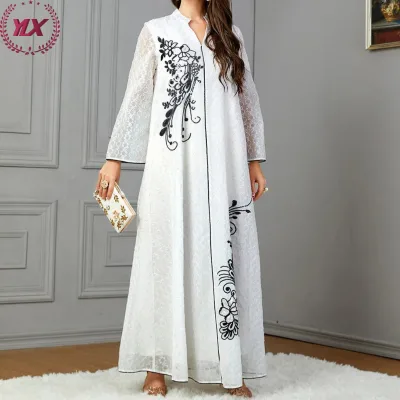
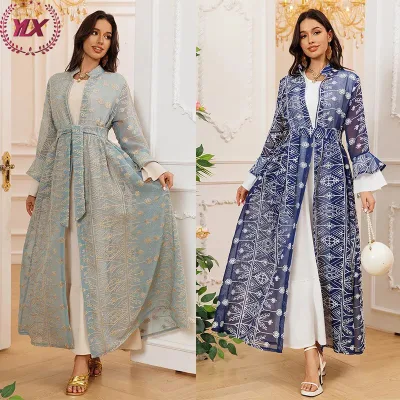
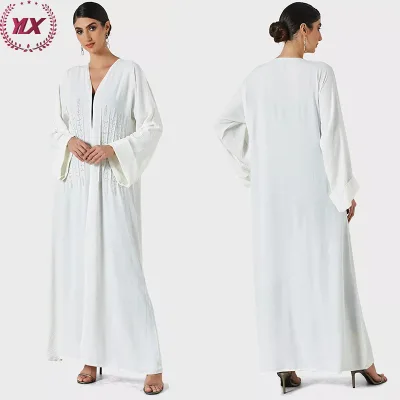
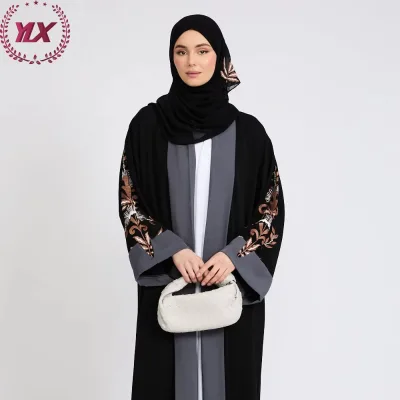
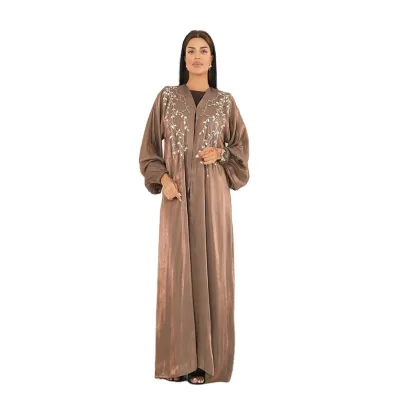
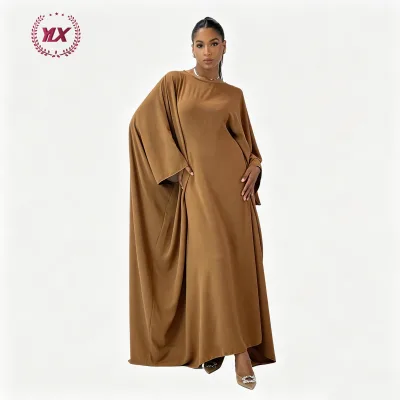
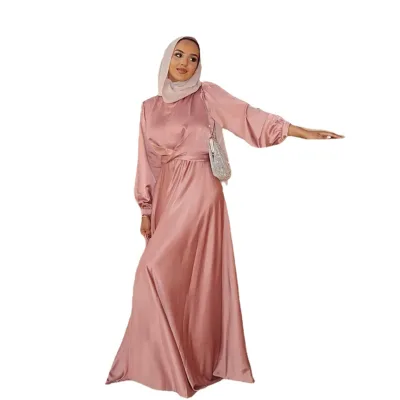
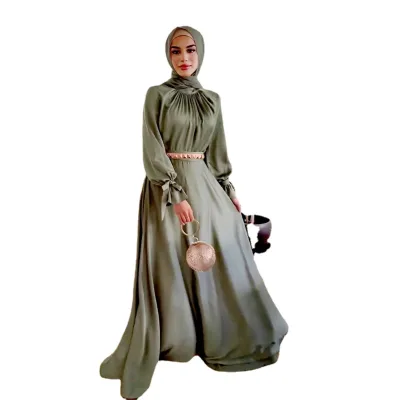
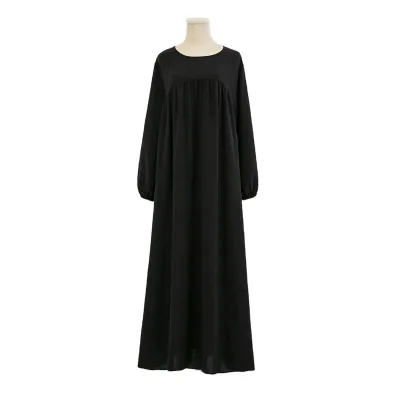
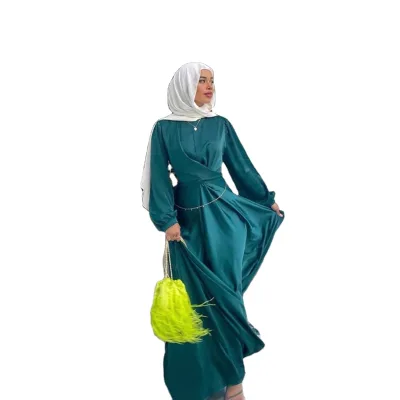


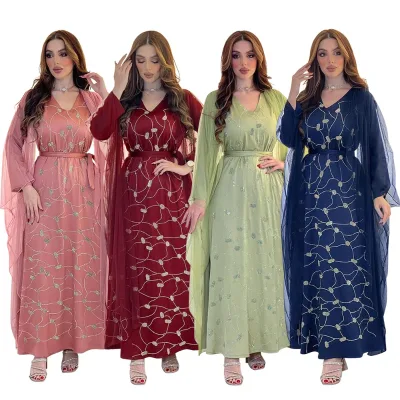
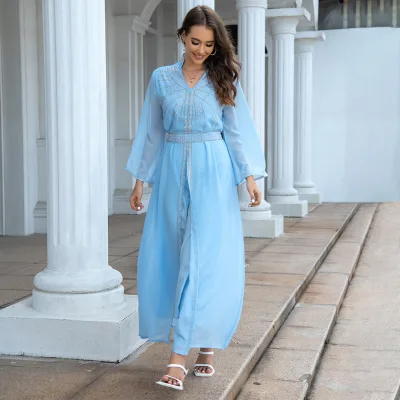
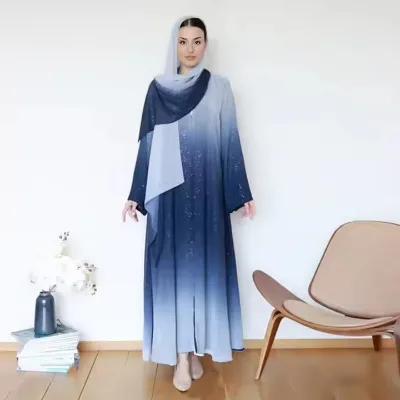
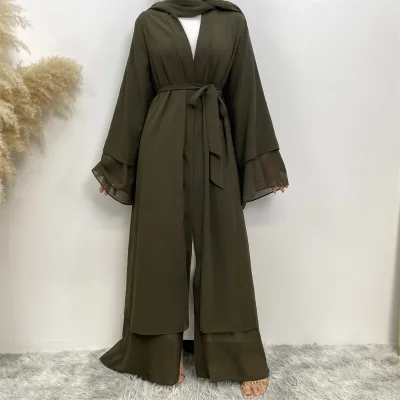
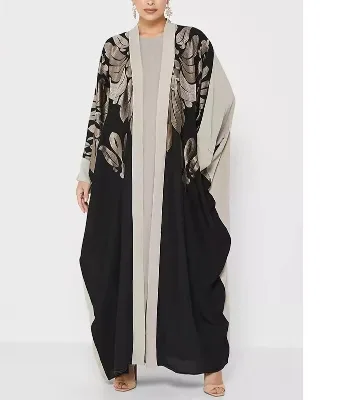
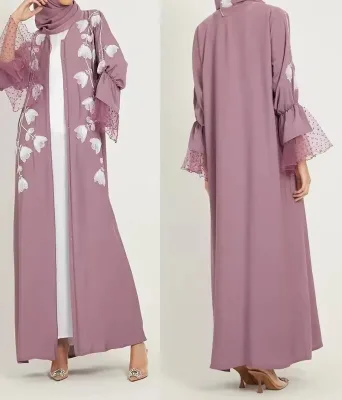


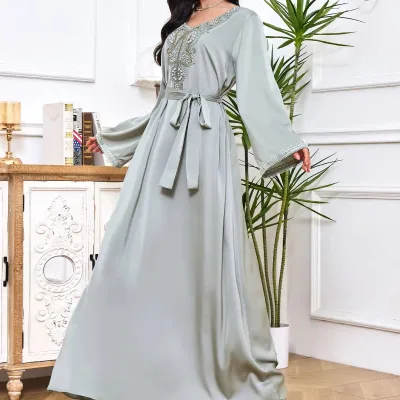
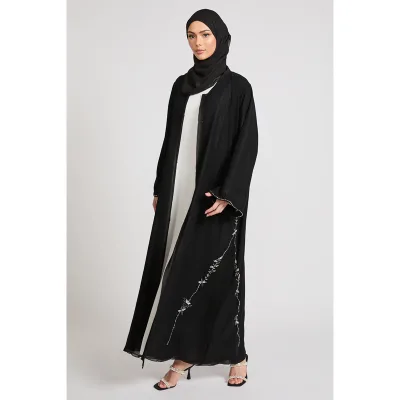
White Satin Abaya Set Handmade Rhinestone Beaded Open Abaya with Halter Dress
$24.79 - $26.79
MOQ: 50 Pieces

Comprehensive Sourcing Guide
Handmade Embroidered Chiffon Abaya Sourcing Guide
Sourcing handmade embroidered chiffon abayas requires a nuanced understanding of both traditional craftsmanship and modern textile manufacturing capabilities. Buyers must navigate the intersection of cultural attire specifications and industrial production standards to ensure product authenticity and quality. The core keyword highlights specific material and decorative attributes that define the product category, necessitating precise verification during the supplier selection process. This guide provides evidence-based procurement strategies for sourcing these garments effectively.
The following sections detail the technical, commercial, and compliance aspects of sourcing handmade embroidered chiffon abayas. By focusing on verified product attributes and observable market signals, buyers can mitigate risks associated with quality inconsistencies and supply chain disruptions. This structured approach ensures that procurement decisions are grounded in factual data rather than speculative claims, leading to more reliable sourcing outcomes.
Product Scope and Observed Listing Signals
Market listings for abayas reveal a diverse range of color options, including white, black, brown, beige, dark gray, light blue, golden, pink, roseate, and green. These variations cater to different cultural preferences and seasonal demands, with some suppliers offering multi-color assortments. The observed product scope indicates that buyers should verify colorfastness and consistency, especially when ordering large quantities. The presence of floral patterns and gauze fashion elements suggests a focus on aesthetic detail, which is critical for handmade embroidery applications.
Size specifications vary significantly across listings, ranging from XS to XXL, with some suppliers offering extended sizes like 3XL. This variability requires buyers to establish clear size charts and tolerance levels with suppliers. The material composition is predominantly polyester and chiffon, with some listings specifying chiffon as the primary fabric. Buyers must confirm the exact material blend, as this affects the drape, breathability, and durability of the final garment. The observed single gross weight ranges from 0.500 kg to 0.66 kg, providing a baseline for shipping cost calculations.
Technical Specifications to Verify
Technical verification begins with confirming the garment’s construction details, particularly the sleeve length and style. Most observed listings specify long sleeves, which is a standard feature for abayas. Buyers should verify the dress length, with ankle-length being a common specification. The model numbers, such as A-23, LAY10, MQ136, MQ163, LAY53, and LAY05, indicate that suppliers may have distinct product lines. Buyers must ensure that the selected model number aligns with their specific design requirements and quality expectations.
The production technique is a critical factor, with embroidery and digital print methods being commonly observed. Some listings mention collage or splicing techniques, which may affect the overall aesthetic and structural integrity of the garment. Buyers should request samples to verify the quality of the embroidery and the precision of the digital prints. The seasonality of the product is listed as all seasons or specific seasons like summer, spring, autumn, and winter, which influences fabric weight and layering. Buyers must align their procurement strategy with the intended seasonal use of the abayas.
Compliance and Safety Documentation
Compliance documentation is essential for importing apparel, particularly when dealing with international suppliers. Buyers should verify that suppliers adhere to relevant safety standards for textiles, including restrictions on harmful substances. Although specific certification names are not provided in the observed data, buyers must request proof of compliance with international standards such as OEKO-TEX or equivalent regional regulations. This ensures that the chiffon and polyester materials used in the abayas are free from hazardous chemicals.
Labeling requirements are another critical aspect of compliance. Buyers must ensure that product labels include accurate information regarding material composition, care instructions, and country of origin. The observed place of origin is primarily Guangdong, China, which may have specific export regulations. Buyers should verify that all documentation, including invoices and packing lists, accurately reflect the product details. This includes the single package size, which varies between 35x25x15 cm and 40x35x3 cm, affecting shipping logistics and customs clearance.
Cost Drivers and Commercial Terms
Cost drivers for handmade embroidered chiffon abayas include material costs, labor intensity, and design complexity. The use of chiffon and polyester, along with embroidery and digital printing, contributes to the overall production cost. Buyers should analyze the price range, which is observed between 6.7 and 29.99 USD, to understand the value proposition of different suppliers. Higher prices may correlate with more intricate embroidery designs or higher-quality materials, but buyers must verify this correlation through sample evaluation.
Minimum order quantities (MOQs) vary, with observed ranges from 2 to 500 units. This flexibility allows buyers to test the market with smaller orders before committing to larger volumes. Lead times for sample orders are inconsistent, with some suppliers supporting 7-day sample orders and others not supporting them at all. Buyers must clarify lead times and production schedules to ensure timely delivery. Payment terms and shipping costs should also be negotiated, considering the single gross weight and package dimensions for accurate freight estimation.
Supplier Qualification and Quality Control
Supplier qualification involves assessing the manufacturer’s capability to produce handmade embroidered abayas consistently. Buyers should verify the supplier’s experience in OEM services, as indicated by some listings. This suggests that the supplier can accommodate custom designs and branding requirements. Quality control processes should be established to monitor the embroidery quality, stitching precision, and fabric integrity. Buyers must request detailed quality control plans from suppliers to ensure that defects are minimized.
Inspection protocols should include both pre-production and pre-shipment inspections. Pre-production inspections verify that materials and designs meet specifications, while pre-shipment inspections ensure that the final products conform to quality standards. Buyers should consider hiring third-party inspection agencies for unbiased evaluation. The observed feature set, including lightweight, breathable, anti-wrinkle, anti-pilling, anti-shrink, and anti-static properties, must be verified through testing or supplier declarations. Consistent quality is crucial for maintaining brand reputation and customer satisfaction.
Long-Term Procurement Checks
Long-term procurement checks focus on building a sustainable supply chain for handmade embroidered chiffon abayas. Buyers should establish regular communication channels with suppliers to monitor production progress and address any issues promptly. Continuous evaluation of supplier performance is necessary to ensure that quality and delivery times remain consistent. Buyers should also stay updated on market trends and consumer preferences to adjust their product offerings accordingly.
Risk management strategies should include diversifying suppliers to mitigate the impact of supply chain disruptions. Buyers should maintain a buffer stock of critical components, such as embroidery threads and chiffon fabric, to ensure production continuity. Regular audits of supplier facilities can help identify potential risks and ensure compliance with ethical and environmental standards. By implementing these long-term checks, buyers can secure a reliable supply of high-quality abayas and maintain a competitive edge in the market.
FAQs
What materials are used for the abaya?
The abayas are crafted from polyester and chiffon fabrics. These materials provide a lightweight and breathable feel suitable for all seasons. The chiffon variant offers a delicate drape, while the polyester option ensures durability and ease of care for daily wear in various climates.
Can I get custom embroidery on the abaya?
Yes, OEM service is available for custom embroidery. The product features digital print and embroidery techniques to create unique floral patterns. Buyers can request specific designs to match their brand identity, ensuring a personalized touch for the final garment while maintaining high-quality craftsmanship standards.
What sizes are available for the abaya?
Sizes range from XXS to XXXL to accommodate various body types. The ankle-length design ensures a modest and elegant fit for adult women. Specific model numbers like A-23 and LAY10 correspond to different size charts, allowing buyers to select the precise dimensions needed for their target demographic.
Where are these abayas manufactured?
These abayas are manufactured in Guangdong, China. The production takes place in the Middle East ethnic region context, catering to specific cultural preferences. This location supports efficient supply chain logistics and allows for flexible customization options for international buyers seeking authentic regional styles.
What is the minimum order quantity for samples?
Sample order lead times vary by supplier. Some suppliers support sample orders with a seven-day lead time, while others do not support them. Buyers should verify specific supplier capabilities regarding sample availability and lead times before placing bulk orders to ensure timely delivery and product evaluation.
What features do the abayas offer?
The abayas feature anti-wrinkle, breathable, and lightweight properties. Additional features include anti-pilling, anti-shrink, and anti-static capabilities. These functional attributes ensure comfort and longevity, making the garments suitable for casual wear and daily use in diverse weather conditions without compromising on style or fabric integrity.