Source Eco Friendly Fusible Interlining for Garments, Bags, and Home Textiles
Find 28 Eco Friendly Fusible Interlining options for garments, bags, and home textiles. Compare woven and nonwoven types with PA or PES coatings, available in white or black, with widths from 44" to 60" and customizable GSM ranges for your sourcing needs.
Key considerations
Products List
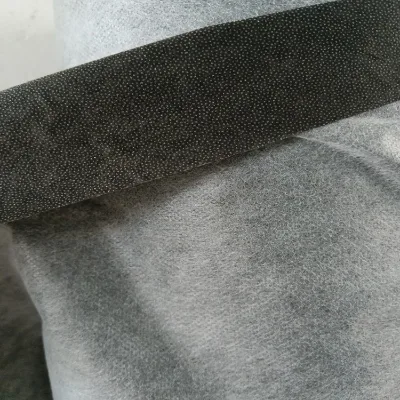
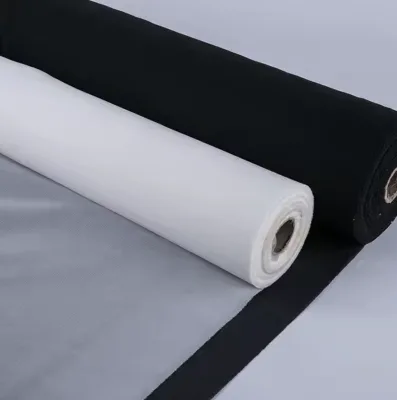
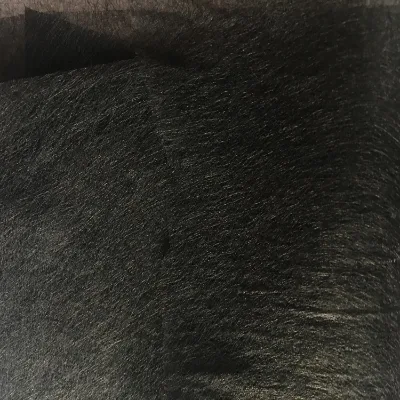


$0.60 - $1.00
MOQ: 1000 Yards


Nonwoven Fusible Interlining for Uniform
$0.05 - $0.10
MOQ: 5000 Meters
Zhejiang Changxing Changrui Interlining Manufacture Co., Ltd.


100d Interlinings Linings Interlining Fabric Interfacing Fabric Fusible Interlining
$0.30 - $0.35
MOQ: 10000 Meters
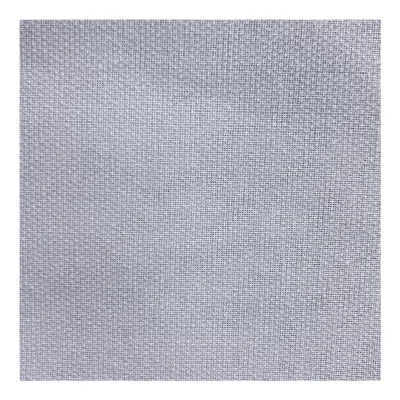


Comprehensive Sourcing Guide
Eco Friendly Fusible Interlining Sourcing Guide
Eco Friendly Fusible Interlining sits at the intersection of two procurement pressures: garment makers need reliable adhesion and hand feel, while brands increasingly demand materials with reduced environmental impact. This guide is written for buyers, merchandisers, and sourcing managers evaluating fusible interlinings for apparel, bags, and home textile applications. It consolidates what can be observed from current product listings and explains which technical, compliance, and commercial questions must be resolved directly with suppliers before committing to volume orders.
The listings observed in this category are concentrated in China, with origins reported in Guangdong and Jiangsu Province, and include both woven and nonwoven constructions. Because "eco friendly" is a marketing descriptor rather than a standardized specification in these listings, buyers must treat it as a starting point for discussion, not proof of compliance. The sections below map the product scope, the specifications to verify, the documentation to request, and the commercial and quality-control practices that separate dependable suppliers from risky ones.
Product Scope and Observed Listing Signals
The observed listings cover two main construction types. Woven interlinings, sold under model numbers such as 3040 and 3080 and T3020, are typically made from 100% polyester or 100% PA, use PA coating, and are described as fusible and adhesive with soft hand feeling. Nonwoven interlinings, such as model 1060HF, are chemical bonded, offered in a weight range of 20–150 GSM, and advertised with features including waterproof, eco-friendly, breathable, and anti-pull properties. Widths across the category range from 44" and 60" options to 44"–60" ranges and 150 cm, and colors span fixed white and black options as well as customized colors.
Beyond construction, the listing signals reveal important commercial characteristics. Several products are make-to-order with customization available and OEM acceptable, and one listing explicitly states stock is not held, meaning production lead times rather than warehouse dispatch govern delivery. Sample orders are supported with a 7-day sample lead time on some listings, and free samples are offered. Packing is reported as poly bag or rolls, and usage spans clothes, bags, and home textiles. Buyers should read these signals together: a make-to-order, non-stock product with free samples suggests a supplier oriented toward customized production runs rather than rapid replenishment.
Technical Specifications to Verify
Fusing behavior is the single most critical specification. One listing reports fusing temperature as "customized," which means the buyer, not the supplier, defines the bonding conditions — so confirm the recommended fusing temperature, pressure, and dwell time for your shell fabric before bulk production. Also verify the adhesive powder type: listings report PA or PES powders, which behave differently in washing and dry cleaning. Ask whether the interlining supports launderability, as one listing does, and request wash and dry-clean performance data appropriate to your end garment's care label. Bond strength after repeated laundering is the test that most often exposes mismatched adhesive systems.
Beyond adhesion, lock down the physical specification sheet. Confirm base fabric composition (100% polyester versus 100% PA appear in listings), weight in GSM within the 20–150 GSM nonwoven range or the equivalent woven weight, width confirmation against your cutting layout (44", 60", or 150 cm), and colorfastness of dyed or yarn-dyed variants. For elastic or stretch applications, verify stretch and recovery behavior, since one listing features elasticity. Finally, request hand-feel samples processed at your actual fusing conditions — soft hand feel in raw form does not always survive heat pressing.
Compliance and Safety Documentation
Because "eco friendly" is not itself a certification, buyers must ask what substantiates the claim. Request the specific documentation behind any environmental positioning: restricted substance declarations covering the base fabric, adhesive coating, and any dyes or finishes. Note that some listings describe the product as eco-friendly while others add waterproof and breathable finishes — each added finish introduces additional chemistry that should be covered by the declaration. Where suppliers reference recognized standards, ask for current, scope-appropriate certificates rather than self-declarations, and verify certificate numbers and validity directly where possible.
Also confirm the regulatory requirements of your destination market before finalizing the specification. Children's wear, intimate apparel, and next-to-skin applications typically carry stricter chemical requirements than outerwear or bag construction, and your interlining choice should reflect the strictest applicable end use. Ask whether the fusing adhesive and any flame-retardant, water-repellent, or anti-pull treatments are disclosed in the bill of materials. A supplier who can itemize every chemical input in the coating process is generally better positioned to support audits and customer compliance reviews than one who describes the product only in marketing terms.
Cost Drivers and Commercial Terms
Observed pricing in this category spans from roughly $0.05 to $91.66 per unit and MOQs range from 50 to 50,000 units, an extremely wide band that reflects the difference between small-quantity sampling and full production runs. Your quoted price will be driven primarily by construction type (woven commands a premium over nonwoven), weight in GSM, width, adhesive powder selection, color customization, and order volume. Make-to-order products with non-stock status may price lower per unit at volume but carry longer lead times, so weigh unit cost against inventory carrying cost for your replenishment model.
Commercial terms to clarify before ordering include the standard quoted on the listing — one supplier states terms "depend on quantity," which pushes all minimums and pricing into negotiation — along with packing format (poly bag versus rolls, which affects your cutting-room handling), sample cost and lead time (7-day sample order lead time is supported on some listings, and free samples are offered), and payment structure for first orders versus repeat orders. For customized colors or widths, confirm whether tooling, dye-lot minimums, or setup charges apply separately from the unit price. Always obtain the price validity period in writing, since adhesive and polyester input costs can shift between quotation and production.
Supplier Qualification and Quality Control
Qualify suppliers on their ability to control the fusing system, not just the fabric. A useful first step is a sample-to-bulk comparison: order free samples, fuse them on your own equipment at candidate temperature and pressure settings, then require a bulk production sample fused under identical conditions before shipment. Verify that model numbers map to consistent specifications — the observed range of model numbers (3040, 3080, T3020, 1060HF) suggests distinct constructions, so confirm in writing which model your PO references, including weight, width, and powder type. For make-to-order items, ask about in-process controls during coating, since coating weight variation is a common source of inconsistent bond strength.
Establish a pre-shipment inspection protocol proportionate to order size. Typical checks include bond strength testing after fusing and after laundering, weight verification against the agreed GSM, width measurement, visual inspection for coating streaks, adhesive strike-through, or shading in dyed lots, and dimensional stability after fusing. Agree in advance on the sampling method, the acceptance criteria, and what happens on failure — rework, replacement, or credit. Suppliers reporting production origins in established textile regions such as Guangdong and Jiangsu should also be asked about their own upstream material traceability, particularly for polyester base fabric and adhesive powder sourcing.
Long-Term Procurement Checks
For repeat purchasing, track consistency across lots rather than judging each shipment in isolation. Maintain an internal reference file with retained samples from each approved lot, the fusing parameters used, and test results, so that any drift in bond strength, shade, or hand feel can be detected against a benchmark. Review whether a supplier's customization capability — customized colors, widths, and fusing temperatures are all advertised — remains responsive as volumes grow, and whether lead times for make-to-order items stay predictable across seasons. Suppliers who support fast sample turnaround are valuable partners for seasonal development, not just bulk supply.
Finally, revisit the environmental positioning of your interlining supply annually. Regulatory expectations around chemical restricted substances and recyclability continue to tighten in major apparel markets, and an interlining described as eco-friendly today should be re-verified against current requirements rather than assumed compliant indefinitely. Ask key suppliers to notify you of any formulation, coating, or powder changes in advance, since even minor adhesive changes can alter fusing windows and require re-qualification on your production lines. Documented change-notification practices, retained reference samples, and periodic re-testing form the backbone of a durable interlining supply relationship.
FAQs
What materials are used for Eco Friendly Fusible Interlining?
These interlinings are typically made from 100% polyester or 100% PA. The coating is often PA, providing adhesive properties. Some options feature chemical bonding for durability. These materials ensure the fabric remains soft while offering necessary structure for garments and home textiles.
Can I get custom colors for fusible interlining?
Yes, custom colors are available for many interlining products. Suppliers often accept OEM requests to match specific brand requirements. While white and black are standard solid color options, you can request custom shades. This customization supports unique design needs for various garment applications.
What is the typical width range for these interlinings?
The width typically ranges from 44 inches to 60 inches. Some specific models offer a width of 150cm. This variety allows buyers to select the appropriate width for their cutting layouts. Standard widths accommodate most garment manufacturing processes efficiently.
How long does sample order lead time take?
Sample orders generally support a lead time of 7 days. This quick turnaround helps buyers evaluate quality before bulk production. The supply type is often make-to-order, ensuring fresh production for samples. This efficiency supports rapid decision-making in the sourcing process.
What features do these interlinings offer?
Key features include fusible adhesive properties and soft hand feeling. Some variants are waterproof, breathable, and eco-friendly. Others offer anti-pull strength and elasticity. These characteristics ensure the interlining enhances garment durability while maintaining comfort and aesthetic appeal for end users.
Where are these interlinings manufactured?
Manufacturing locations include Guangdong and Taizhou in Jiangsu Province, China. These regions are known for textile production capabilities. The products are graded as domestic quality. Buyers can source directly from these established manufacturing hubs for reliable supply chains.