Source Eco-Friendly French Terry Sweatpants for Gym, Yoga, and Cycling
Compare 30 listings of Eco-Friendly French Terry Sweatpants from verified manufacturers. Buyers can evaluate customization options, fabric materials, and pricing for bulk orders in styles suitable for gym, yoga, and cycling activities.
Key considerations
Products List


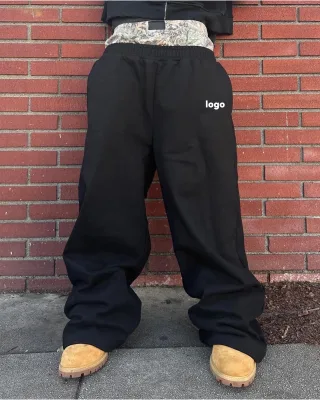
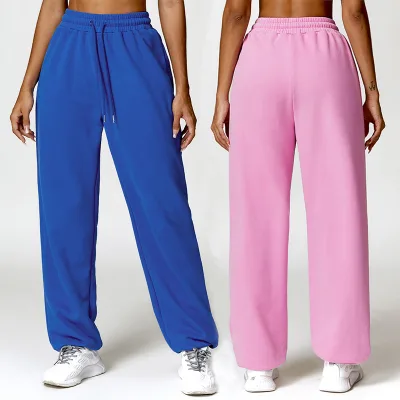
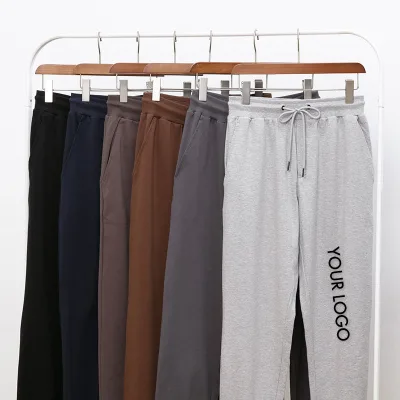
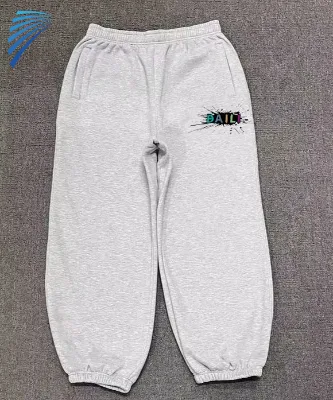
Private Label Custom Stacked Cotton Jogger Sweatpants with Pockets Wholesale
$7.00 - $13.00
MOQ: 100 Pieces

Custom Unisex Sweatpants Joggers in Bulk Wholesale Cotton Best Sweatpants
$7.00 - $13.00
MOQ: 100 Pieces









Comprehensive Sourcing Guide
Eco-Friendly French Terry Sweatpants Sourcing Guide
Sourcing eco-friendly French terry sweatpants requires a nuanced understanding of material composition, manufacturing processes, and supply chain transparency. The term "eco-friendly" is often used broadly in the apparel industry, but for procurement professionals, it demands specific verification of fiber origins, dyeing methods, and labor standards. French terry fabric, characterized by its looped interior and smooth exterior, offers a balance of breathability and warmth, making it a preferred choice for casual wear, gym wear, and streetwear. Buyers must distinguish between marketing claims and verifiable attributes, such as the use of organic cotton, recycled polyester, or low-impact dyes, to ensure alignment with corporate sustainability goals.
This guide provides a structured approach to evaluating suppliers and products in this category. It focuses on technical specifications, compliance documentation, cost structures, and quality control measures that are critical for successful procurement. By adhering to evidence-based verification steps, buyers can mitigate risks associated with greenwashing and ensure that the final product meets both functional requirements and ethical sourcing standards. The following sections detail the key areas of focus, from product scope and technical details to long-term supplier relationship management.
Product Scope and Observed Listing Signals
The market for French terry sweatpants encompasses a wide range of styles, including joggers, casual pants, and gym wear, often marketed as unisex or gender-specific items. Observed listing signals indicate that suppliers frequently offer customization options, such as private labeling, custom logos, and specific color matching using Pantone standards. These services are particularly relevant for brands looking to create unique product lines that reflect their identity. The fabric composition often includes cotton blends, with some listings specifying French terry, fleece, or nylon materials, each offering different performance characteristics in terms of warmth, durability, and breathability.
Buyers should note that while many suppliers claim eco-friendly attributes, the specific certifications supporting these claims vary. Some listings mention support for OEKO-TEX or GOTS standards, but these are often listed as background information rather than guaranteed certifications for every product. It is crucial to verify whether the eco-friendly claim applies to the raw material, the dyeing process, or the entire supply chain. Additionally, the observed price range and minimum order quantities (MOQ) can vary significantly, with some suppliers offering low MOQs for sampling and higher volumes for bulk production. Understanding these signals helps buyers align their procurement strategy with their budget and volume requirements.
Technical Specifications to Verify
Verifying the technical specifications of French terry sweatpants is essential to ensure product quality and performance. Key attributes to confirm include the fabric weight, weave type, and specific material composition. French terry is typically a knitted fabric, and buyers should request detailed specifications regarding the yarn count and fabric density, which influence the garment's durability and comfort. The waist type, often elastic, should be evaluated for its stretch recovery and comfort, especially for active wear applications. Additionally, pocket styles and other design elements, such as cuffs and hems, should be inspected for construction quality and functionality.
Colorfastness and shrinkage resistance are critical technical factors that impact the longevity of the garment. Buyers should inquire about the washing methods and care instructions provided by the supplier, as these can indicate the fabric's stability after repeated laundering. Features such as anti-pilling, anti-wrinkle, and anti-static properties may be claimed, but these should be validated through test reports or sample evaluations. The printing methods used for logos and designs, such as sublimation or screen printing, also affect the aesthetic and durability of the final product. Ensuring that these technical details are clearly defined in the purchase agreement helps prevent discrepancies between the ordered and delivered goods.
Compliance and Safety Documentation
Compliance with international safety and environmental standards is a cornerstone of responsible sourcing. Buyers must request documentation that verifies the product's adherence to relevant regulations, such as OEKO-TEX for harmful substance testing or GOTS for organic textile processing. While some suppliers may list these certifications as available, it is imperative to confirm that the specific batch of sweatpants being ordered is covered by a valid certificate. This verification process helps mitigate the risk of non-compliance and potential legal issues in the destination market.
In addition to environmental certifications, labor standards and ethical manufacturing practices should be reviewed. Buyers should ask for evidence of compliance with local labor laws and international labor standards, such as those set by the International Labour Organization (ILO). This may include audits of working conditions, fair wages, and child labor policies. Documentation related to the supply chain, including the origin of raw materials and the manufacturing locations, provides transparency and helps build trust with end consumers. Ensuring that all compliance documents are up-to-date and verifiable is a critical step in maintaining brand integrity and consumer confidence.
Cost Drivers and Commercial Terms
The cost of eco-friendly French terry sweatpants is influenced by several factors, including material quality, customization complexity, and order volume. Premium materials, such as organic cotton or recycled fibers, typically command higher prices due to their sourcing and processing costs. Customization options, such as private labeling, custom packaging, and unique design elements, also add to the overall cost. Buyers should request detailed quotations that break down these costs to understand the value proposition and identify areas for potential savings.
Commercial terms, including minimum order quantities (MOQ), payment terms, and lead times, play a significant role in the procurement process. Suppliers may offer flexible MOQs for sampling and initial orders, but bulk production often requires higher volumes to achieve economies of scale. Lead times can vary based on the complexity of the order and the supplier's production capacity, with sample production typically taking a few days and bulk production taking several weeks. Buyers should negotiate clear terms regarding shipping methods, insurance, and liability to ensure a smooth transaction. Understanding these cost drivers and commercial terms helps buyers make informed decisions and manage their budget effectively.
Supplier Qualification and Quality Control
Qualifying suppliers is a critical step in ensuring the reliability and quality of the sourced products. Buyers should conduct thorough due diligence, including reviewing the supplier's business license, production capacity, and past performance. Requesting references from previous clients and visiting the manufacturing facility, if possible, can provide valuable insights into the supplier's operations and quality control processes. Suppliers that offer mock-up logo design services and sample orders demonstrate a commitment to customer satisfaction and flexibility.
Quality control measures should be established before production begins and maintained throughout the manufacturing process. This includes defining clear quality standards, conducting pre-production samples, and performing in-line inspections during manufacturing. Buyers should also consider hiring third-party inspection services to verify the quality of the final products before shipment. Establishing a robust quality control system helps identify and address issues early, reducing the risk of defects and returns. Clear communication channels and regular updates from the supplier are essential for maintaining quality and meeting delivery deadlines.
Long-Term Procurement Checks
Building a long-term relationship with suppliers requires ongoing monitoring and evaluation of performance. Buyers should establish key performance indicators (KPIs) to track supplier reliability, product quality, and compliance with agreed-upon standards. Regular audits and reviews of the supplier's operations can help identify areas for improvement and ensure continued adherence to ethical and environmental standards. Maintaining open communication and providing constructive feedback fosters a collaborative partnership that benefits both parties.
As market trends and consumer preferences evolve, buyers should stay informed about new materials, technologies, and sustainability practices in the apparel industry. This includes exploring innovative eco-friendly fabrics and production methods that can enhance product value and reduce environmental impact. Periodically reassessing the supplier base and exploring alternative sources can help mitigate risks and ensure competitive pricing. By prioritizing long-term procurement checks, buyers can build a resilient and sustainable supply chain that supports their business goals and brand values.
FAQs
What customization options are available for logos and labels?
Customization is available for logos and labels through printing, embroidery, heat transfer, and sublimation methods. You can also customize the label, hangtag, and packaging with your own brand details to meet specific requirements.
How long does it take to receive samples and bulk orders?
Samples can be delivered within 7 days, while bulk production typically requires 25 days. This timeline applies to standard orders, though specific lead times may vary based on order volume and customization complexity.
What is the minimum order quantity for these sweatpants?
The minimum order quantity is 100 pieces per style and color for most items. Some listings indicate a lower threshold of 50 pieces, but the standard requirement for bulk production is generally 100 units.
Which fabrics are used to make these eco-friendly sweatpants?
The primary fabrics include cotton, French Terry, fleece, and nylon. These materials are selected to ensure the pants are breathable, warm, and suitable for various sports and casual occasions.
Can I order custom sizes and plus sizes for these pants?
Yes, any size and plus size options are available with full customization support. You can specify exact measurements to ensure a perfect fit for your target demographic or specific market needs.
What shipping methods are available for international delivery?
Shipping is available via DHL, FedEx, UPS, TNT, EMS, as well as air and sea freight. These options allow you to choose the most suitable method based on your urgency and budget requirements.