Source Eco Friendly Handmade Soap for Body, Face, and Hand Care
Find 30 listings for Eco Friendly Handmade Soap suitable for all skin types. Buyers can compare solid bars with herbal ingredients, customizable colors, and OEM options from suppliers in China.
Key considerations
Products List


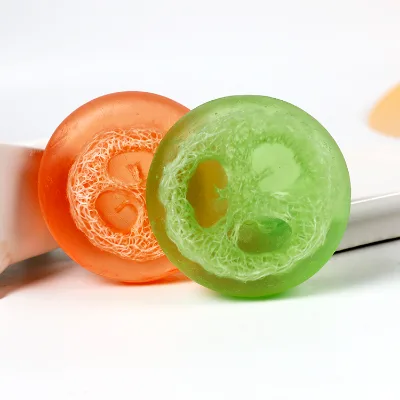

Wholesale Organic Skin Care Soap, Moisturizing and Whitening Handmade Soap
$0.01 - $0.15
MOQ: 10000 Pieces







Comprehensive Sourcing Guide
Eco Friendly Handmade Soap Sourcing Guide
Sourcing eco-friendly handmade soap requires a nuanced understanding of the intersection between artisanal production methods and modern commercial supply chain demands. Buyers must distinguish between true small-batch craftsmanship and mass-produced items that merely use "handmade" as a marketing label. The core appeal of this category lies in the perceived purity of ingredients, the absence of harsh synthetic detergents, and the environmental benefits associated with biodegradable formulations. However, the term "eco-friendly" is not strictly regulated in all jurisdictions, meaning buyers must rely on specific ingredient lists and production transparency rather than vague branding. This guide provides a structured approach to evaluating suppliers, verifying product attributes, and mitigating risks associated with importing personal care products from international markets, particularly China, where a significant portion of global soap manufacturing is concentrated.
The procurement process for these goods involves balancing aesthetic and functional qualities with rigorous compliance standards. Unlike industrial laundry detergents, handmade soaps are often positioned as premium beauty or toilet products, targeting specific skin types and offering customized branding opportunities. Buyers need to assess whether the supplier’s capabilities align with their brand positioning, whether that be luxury retail, private label distribution, or bulk wholesale. Understanding the distinction between general laundry soap and specialized toilet or beauty soap is critical, as the regulatory requirements, ingredient sourcing, and quality control measures differ significantly between these categories. This guide focuses on the procurement of solid, unscented or lightly scented bar soaps that emphasize natural care, moisturizing properties, and customizable features for adult consumers.
Product Scope and Observed Listing Signals
The current market landscape for handmade soaps reveals a diverse range of product types, from general laundry bars to specialized beauty and toilet soaps. Observed listings indicate a strong emphasis on customization, with suppliers offering OEM services that allow buyers to dictate shape, color, weight, and logo placement. Common attributes include square or regular shapes, solid forms, and a variety of color options such as white, pink, green, yellow, and purple. The net weight is frequently customizable, with standard options ranging from 60g to 200g, allowing buyers to tailor the product to specific retail price points or usage expectations. This flexibility is a key selling point for brands looking to create unique shelf presence, but it also introduces complexity in quality control, as each custom variation requires separate validation.
Ingredient profiles and functional claims are central to the "eco-friendly" positioning of these products. Many suppliers highlight the use of herbal ingredients, plant essences, and natural care components, often claiming features such as moisturizing, nourishing, and weak-acid or alkalescent properties suitable for all skin types. The products are generally non-medicated and unscented, or lightly scented, catering to consumers with sensitive skin or those who prefer minimal fragrance. Applications extend beyond simple hand washing to include body, face, and general hygiene, broadening the potential market reach. However, buyers should verify these claims through ingredient lists and safety data sheets, as the term "herbal" can encompass a wide range of botanical extracts with varying stability and efficacy profiles.
Technical Specifications to Verify
Technical verification begins with the physical specifications of the soap bars, including dimensions, weight, and packaging. Suppliers often provide model numbers such as HBMEC684, Cc-15-1, or ZMS-005, which correspond to specific formulations or production batches. Buyers must confirm the exact dimensions and weight tolerances, as deviations can affect packaging efficiency and retail presentation. The standard packing methods observed include PP bags with paper cards or standard cartons, with carton quantities varying based on bar size and weight. For instance, some specifications indicate 72, 96, or 144 pieces per carton, which directly impacts shipping volume and logistics costs. Understanding these packing details is essential for accurate freight calculation and warehouse planning.
Formulation and material properties are equally critical to verify. The soap is typically described as non-transparent and solid, with a shelf life of approximately three years. Buyers should request detailed ingredient lists to confirm the presence of claimed herbal or plant-based components and to identify any potential allergens. The pH level is a key technical parameter, with some products advertised as having weak-acid or alkalescent properties. While "weak-acid" is often marketed as skin-friendly, buyers must ensure that the final product meets the specific pH requirements for its intended application, whether for facial use or general body hygiene. Additionally, the handmade nature of the product implies a batch-to-batch variability that must be managed through strict quality control protocols, including checks for consistency in texture, hardness, and lather quality.
Compliance and Safety Documentation
Compliance with local and international regulations is non-negotiable for personal care products. Buyers must ensure that suppliers can provide necessary documentation, including Certificate of Analysis (COA), Material Safety Data Sheets (MSDS), and ingredient declarations that comply with the regulations of the destination market. In many regions, cosmetic products must be registered or notified with relevant health authorities before they can be sold. The "eco-friendly" label may also be subject to specific advertising standards, requiring substantiation for claims related to biodegradability, natural origin, or environmental impact. Buyers should verify that the supplier’s claims are supported by scientific data or recognized certifications, rather than relying solely on marketing materials.
Safety testing is another critical component of compliance. Products intended for use on the face and body must undergo rigorous safety assessments, including dermatological testing to ensure they are non-irritating and suitable for all skin types. Buyers should request test results for microbial limits, heavy metal content, and pesticide residues, especially if herbal ingredients are used. The absence of medicated ingredients simplifies some regulatory aspects, but it does not eliminate the need for general cosmetic safety compliance. Additionally, packaging materials must meet safety standards for food or cosmetic contact, ensuring that they do not leach harmful substances into the soap. Buyers should work with suppliers who have established quality management systems and can provide transparent documentation for all regulatory requirements.
Cost Drivers and Commercial Terms
The cost of handmade soap is influenced by several factors, including ingredient quality, production method, customization level, and order volume. Observed price ranges vary significantly, reflecting differences in formulation complexity and branding requirements. Customization, such as unique shapes, colors, or logo printing, typically incurs additional costs due to setup fees and lower production efficiencies. Buyers should negotiate clear pricing structures that account for these variables, ensuring that there are no hidden charges for mold creation or design adjustments. The minimum order quantity (MOQ) is another key commercial term, with observed ranges starting from as low as 2 pieces for sampling up to 10,000 pieces for bulk orders. Understanding MOQ flexibility is crucial for managing inventory risk, especially for new product launches.
Payment terms and lead times are also significant cost drivers. Suppliers may require deposits for custom orders, with the balance due before shipment. Lead times can vary based on the complexity of the order and the supplier’s production capacity. Buyers should establish clear timelines for sampling, production, and delivery, and include penalties for delays in the contract. Shipping costs, particularly for heavy items like soap, can impact the total landed cost. Buyers should consider Incoterms carefully, deciding whether to handle logistics themselves or rely on the supplier’s arrangements. Transparent communication about all cost components, from raw materials to freight, is essential for accurate budgeting and profit margin calculation.
Supplier Qualification and Quality Control
Supplier qualification involves a thorough assessment of the manufacturer’s capabilities, reputation, and quality management systems. Buyers should verify the supplier’s business license, production facilities, and past performance with similar clients. Visiting the factory or conducting third-party audits can provide valuable insights into the production environment, hygiene standards, and quality control processes. For handmade soaps, the emphasis on artisanal methods should not compromise industrial hygiene standards. Buyers should look for suppliers who have implemented Good Manufacturing Practices (GMP) and can demonstrate consistent quality across batches. The location of the supplier, whether in Jiangsu, Guangzhou, or other regions in China, may also influence logistics and communication efficiency.
Quality control measures must be defined and enforced throughout the production process. This includes incoming material inspection, in-process checks, and final product testing. Buyers should specify acceptance criteria for key attributes such as weight, dimensions, color, and scent. Sampling protocols should be established to ensure that the final product matches the approved sample. For custom orders, pre-production samples are essential to verify design and quality before mass production begins. Buyers should also consider hiring third-party inspection services to conduct random checks during production and before shipment. This proactive approach helps identify and rectify issues early, reducing the risk of receiving non-conforming goods.
Long-Term Procurement Checks
Long-term procurement success depends on continuous monitoring and relationship management. Buyers should establish regular communication channels with suppliers to discuss performance, feedback, and potential improvements. Tracking key performance indicators (KPIs) such as on-time delivery, defect rates, and responsiveness to issues can help identify areas for improvement. Regular audits and reviews of supplier documentation ensure ongoing compliance with regulatory and quality standards. As market trends and consumer preferences evolve, buyers should work with suppliers to innovate and adapt their product offerings. This may involve exploring new ingredients, packaging solutions, or customization options that align with emerging eco-friendly trends.
Sustainability and ethical sourcing are increasingly important considerations for long-term procurement. Buyers should assess the supplier’s commitment to sustainable practices, such as responsible ingredient sourcing, waste reduction, and energy efficiency. Building a transparent and collaborative supply chain can enhance brand reputation and customer loyalty. Buyers should also plan for scalability, ensuring that the supplier can handle increased order volumes without compromising quality or delivery times. By maintaining a strategic focus on quality, compliance, and sustainability, buyers can build a resilient and competitive supply base for eco-friendly handmade soaps.
FAQs
What customization options are available for the soap?
Customization is available for this product line. Buyers can request specific colors like white, pink, green, or yellow, along with customer logo printing and customized net weights to meet their branding needs.
Which skin types can use this handmade soap?
This soap is suitable for all skin types. It is formulated as a non-medicated, weak-acid or alkalescent bar that provides natural care, moisturizing, and nourishment for the body, face, and hands.
How is the product packed for shipment?
The product is typically packed in a PP bag with a paper card or standard packaging. Customized packaging options are also supported to align with specific buyer requirements and shipping standards.
Can I order small quantities of this soap?
Yes, small quantities are possible as the minimum order quantity ranges from 2 to 10,000 units. This flexibility allows buyers to test the market or fulfill small batch needs without excessive inventory.
What is the shelf life of the soap?
The shelf life of this soap is three years. This duration ensures the product remains effective and stable during storage and distribution before reaching the end consumer for personal care use.
Are there specific ingredient requirements for this soap?
The soap contains herbal ingredients and plant essences. It is designed to be unscented or customized, offering natural care properties without being medicated, suitable for general laundry or personal hygiene applications.