Source Eco Friendly Handmade Wooden Notebook for Gifts, Journals, and Promotions
Source Eco Friendly Handmade Wooden Notebook options from 30 verified listings. Compare features like PU leather covers, loose leaf binding, and custom sizes to find the right fit for school, gift, or promotional use; compare the available evidence and request quotations based on your requirements.
Key considerations
Products List


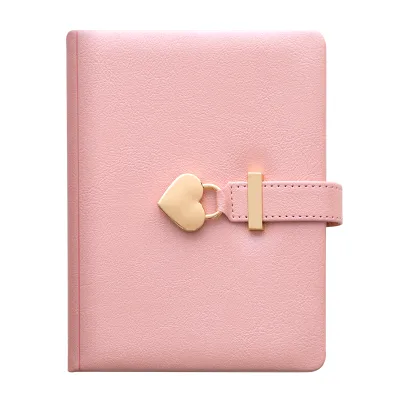


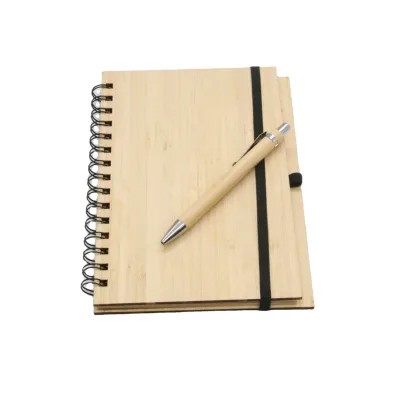
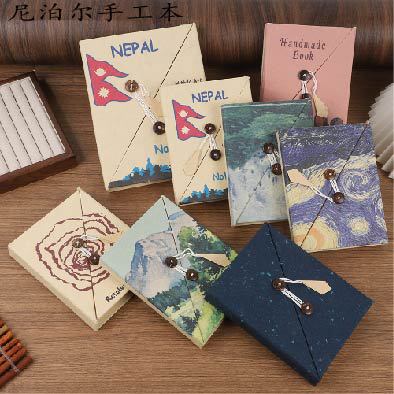


Souvenir Handmade Fine Wooden Bookmark Office Supply for Promotion Gifts
$0.34 - $0.54
MOQ: 100 Pieces


High Quality Customized Logo Printing Eco Friendly Inner Pages Diary Notebook
$1.90 - $2.10
MOQ: 1000 Pieces


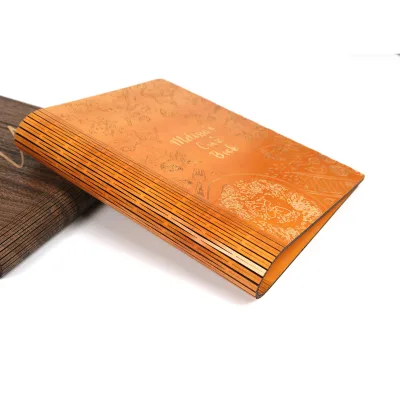

Mini Notebook Leather Diary Journal Vintage Handmade Notebook Planner Journal
$0.90 - $1.17
MOQ: 500 Pieces


Comprehensive Sourcing Guide
Eco Friendly Handmade Wooden Notebook Sourcing Guide
Buyers seeking eco-friendly handmade wooden notebooks must first distinguish between solid wood construction and paperboard products with wood-free inner pages. The observed market data indicates a mix of items where some feature wood-free paper interiors while others utilize paper and paperboard materials, often paired with PU leather covers rather than solid wood exteriors. This distinction is critical because true wooden notebooks require specific manufacturing processes that differ significantly from standard paper-based journals, affecting both durability and environmental impact claims.
Procurement teams should verify whether the "handmade" designation refers to the assembly of paper components or the crafting of actual wooden elements. Current listings show products with PU leather covers and various binding styles, including loose leaf and casebound options, which may not align with a strict definition of a wooden notebook. Buyers must scrutinize product descriptions to ensure the core material matches their sustainability goals, as many items labeled as "handmade" are actually paper-based organizers with decorative finishes rather than genuine wood products.
Product Scope and Observed Listing Signals
The observed product range includes notebooks with varying page counts, from 80 to 120 sheets up to 300 pages, catering to different usage scenarios like school, gifts, and promotions. While some listings specify A6 standards and custom sizes, others offer fixed dimensions that may not suit all organizational needs. Buyers should note that customization is widely available for size and logo embossing, allowing for tailored solutions that meet specific branding or functional requirements without compromising the core product identity.
Market signals reveal a diverse array of finishes, including brown PU leather and creative styles, though solid wood options are less explicitly defined in the provided data. The presence of features like dirt resistance and anti-slip properties suggests a focus on practical utility alongside aesthetic appeal. Procurement teams must carefully cross-reference these observed attributes with their specific material requirements, as the term "wooden" in a broad search context often encompasses paperboard or composite materials rather than solid timber.
Technical Specifications to Verify
Verification of binding methods is essential, as the market offers loose leaf, glue-bound, and casebound options that impact the longevity and usability of the notebook. Buyers should confirm whether the binding supports the intended frequency of use, particularly for school or heavy-duty promotional applications where durability is paramount. The observed data highlights specific models with distinct binding types, necessitating a clear specification to ensure the selected product aligns with the expected mechanical stress of daily handling.
Material composition requires rigorous validation to ensure the "eco-friendly" claim holds true for the specific components used. While some products utilize wood-free paper, others rely on paperboard and PU leather, which may have different environmental footprints. Buyers must request detailed material breakdowns to confirm the absence of harmful chemicals and the sustainability of the cover materials, ensuring that the final product meets both performance standards and corporate sustainability mandates.
Compliance and Safety Documentation
Safety documentation for notebooks intended for school or general use must address potential chemical hazards in inks, adhesives, and cover materials. Although FSC certification is mentioned in background notes, buyers should not assume this status without explicit verification from the supplier for each specific product batch. It is crucial to request test reports confirming that the paper and binding agents comply with relevant safety standards for children's products and general consumer goods.
Environmental compliance extends beyond material sourcing to include manufacturing processes and waste management practices. Buyers should inquire about the supplier's adherence to international environmental standards, particularly regarding the treatment of wood-free paper and the sourcing of any leather or synthetic alternatives. Ensuring that the supply chain is transparent and compliant with local and international regulations helps mitigate risks associated with environmental claims and potential regulatory penalties.
Cost Drivers and Commercial Terms
Cost structures for these notebooks are influenced by the complexity of customization, including logo embossing and unique size requirements. The observed MOQ ranges from 300 to 500 pieces, which can significantly impact the unit price for smaller orders. Buyers should negotiate based on volume tiers, understanding that higher quantities often yield better per-unit costs, while custom features may incur additional setup fees that affect the overall budget.
Lead times and sample availability are critical commercial factors that influence procurement planning. With delivery times observed at 25 working days and sample fees often applicable, buyers must factor these into their project timelines. Early engagement with suppliers to secure samples and confirm production schedules can prevent delays, ensuring that the final delivery aligns with marketing campaigns or academic calendars.
Supplier Qualification and Quality Control
Supplier qualification should focus on their ability to deliver consistent quality across customized orders, particularly regarding the precision of embossing and the durability of binding. Buyers must assess the supplier's track record for meeting sample specifications, as the transition from sample to mass production can sometimes reveal discrepancies in material quality or finish. A robust quality control process is essential to ensure that every unit meets the agreed-upon standards for appearance and functionality.
Quality control protocols should include random sampling and inspection of critical features like page count, binding strength, and cover material integrity. Buyers should establish clear acceptance criteria and request pre-shipment inspections to verify that the products match the approved samples. This proactive approach helps identify and rectify any issues before the goods leave the factory, reducing the risk of returns and maintaining brand reputation.
Long-Term Procurement Checks
Long-term procurement success depends on establishing a reliable supply chain that can adapt to changing market demands and sustainability requirements. Buyers should maintain regular communication with suppliers to monitor any changes in material sourcing or production capabilities that could affect product quality or environmental compliance. Building a partnership based on transparency and mutual goals ensures a steady supply of high-quality notebooks that meet evolving corporate standards.
Continuous evaluation of supplier performance is necessary to maintain the integrity of the eco-friendly claim over time. Buyers should periodically review supplier certifications, material test results, and production audits to ensure ongoing compliance with sustainability goals. This ongoing diligence helps mitigate risks associated with supply chain disruptions and ensures that the procurement strategy remains aligned with the organization's long-term environmental and operational objectives.
FAQs
What materials are used for the cover and inner pages?
The notebook features a PU leather cover with a vintage handmade aesthetic. Inner pages consist of 80-120 sheets of wood-free paper, totaling up to 300 pages. This combination ensures durability and a nice touch feeling, making it suitable for daily writing and travel journaling without compromising on quality or comfort.
Can I customize the size and logo on the notebook?
Yes, customization is available for both size and logo. You can request custom sizes to fit specific needs. The logo can be applied using an embossing process for a professional look. OEM and ODM services are welcome, allowing you to tailor the product to your brand identity while maintaining high-quality standards.
What is the minimum order quantity for bulk purchases?
The minimum order quantity varies by product model. For some items, the MOQ is 300 pieces, while others require 500 pieces. This flexibility allows businesses to start with smaller batches if needed. Please check the specific product model details to confirm the exact MOQ required for your order before proceeding with procurement.
How long does it take to produce and deliver the order?
Sample production typically takes 7 days, while bulk delivery requires 25 working days. This timeline ensures quality control and proper manufacturing processes. Buyers should plan their procurement schedules accordingly to account for these lead times. Early communication with suppliers can help manage expectations and ensure timely receipt of goods for your business needs.
Is the notebook suitable for use as a corporate gift?
Yes, the notebook is suitable for use as a corporate gift. It comes in a gift box or OPP bag, enhancing its presentation value. The creative style and high-quality customization options make it an ideal promotional item. Its dirt-resistant and anti-slip functions add practical value, making it a thoughtful and useful gift for clients and employees.
What binding types are available for these notebooks?
Various binding types are available, including loose leaf, glue bound, and casebound binding. Each type offers different flexibility and durability for specific use cases. Loose leaf allows for page removal, while casebound provides a sturdy structure. Buyers can choose the binding style that best suits their functional requirements and aesthetic preferences for the final product.