Source Eco-Friendly Memory Latex Neck Pillow for Travel
Find 30 eco-friendly memory latex neck pillow options from China. Compare features like bamboo fiber covers, memory foam filling, and CE certification. Ideal for hotel, travel, and home bedding needs with customizable sizes and OEM branding; compare the available evidence and request quotations based on your requirements.
Updated
Key considerations
Products List


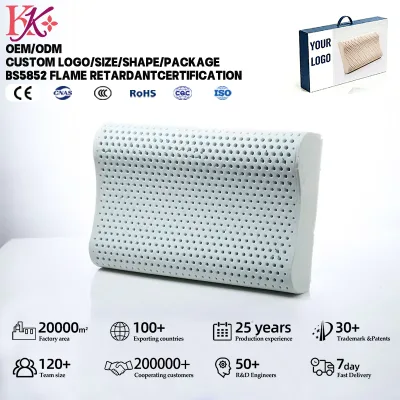
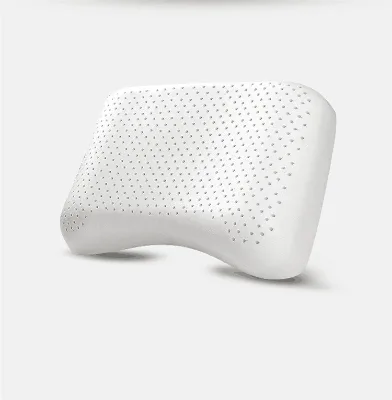
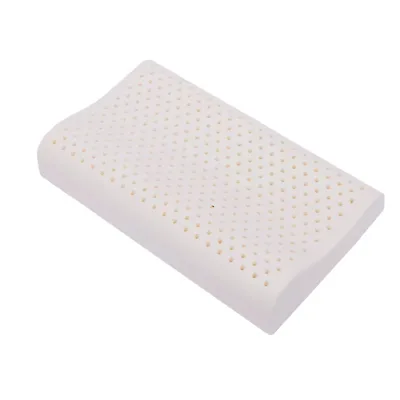
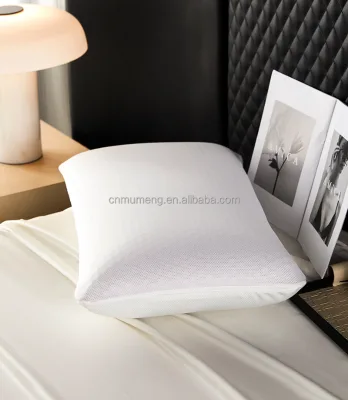
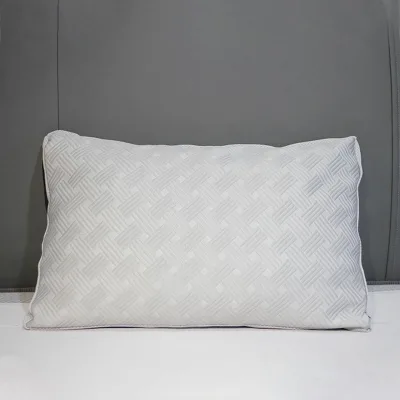
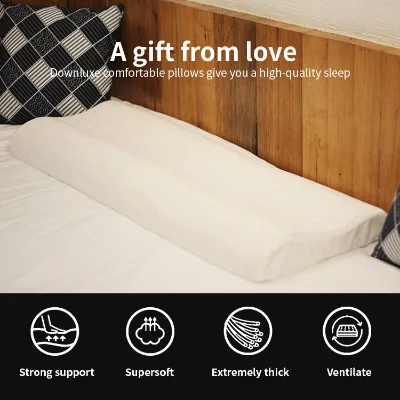


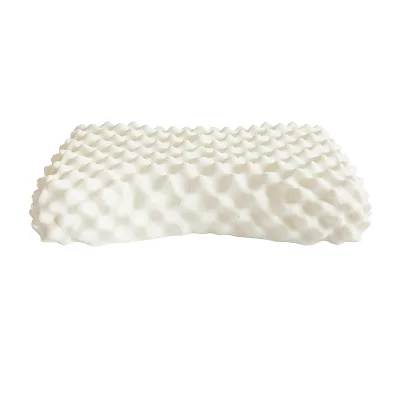
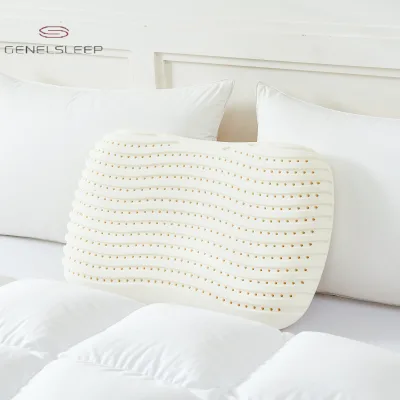


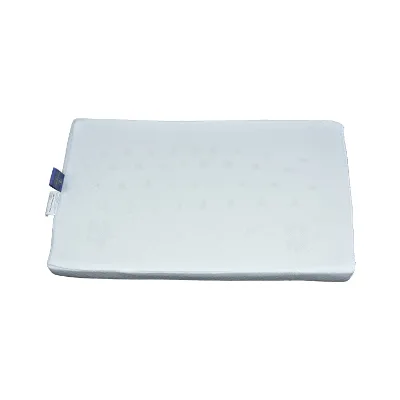
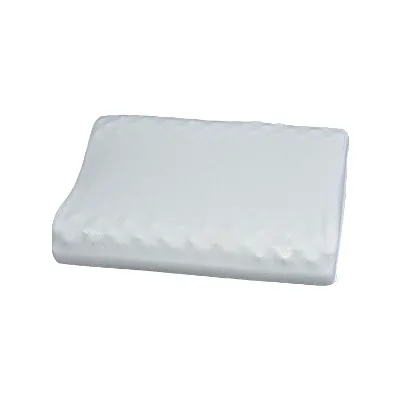
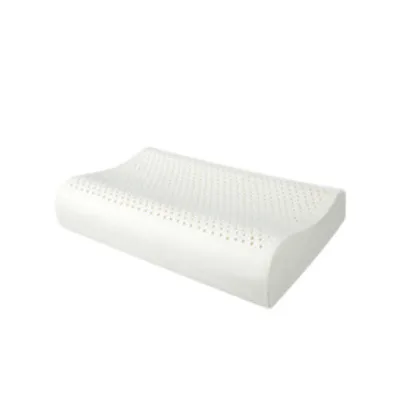
Comprehensive Sourcing Guide
Eco-Friendly Memory Latex Neck Pillow Sourcing Guide
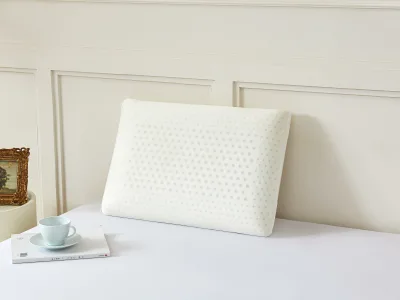
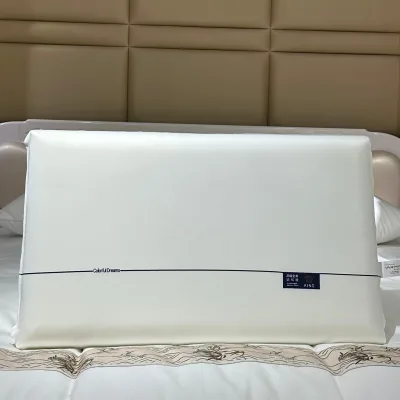
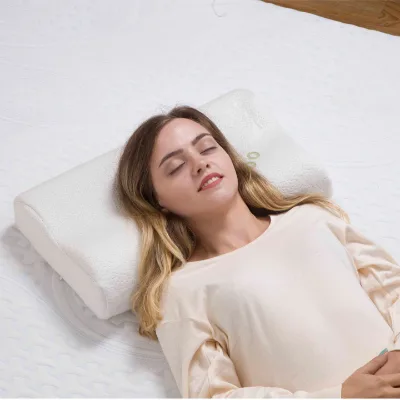
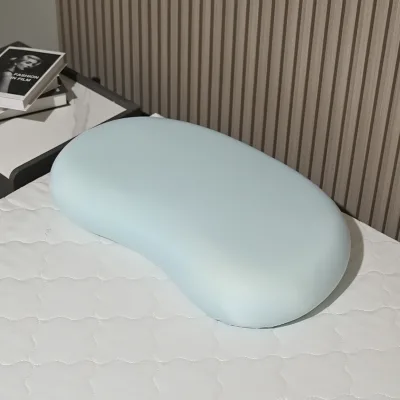
Sourcing eco-friendly memory latex neck pillows requires balancing material integrity with functional design, as the market offers diverse configurations ranging from traditional rectangular shapes to specialized U-shape travel models. Buyers must carefully distinguish between products that utilize 100% bamboo fiber covers for breathability and those that rely on standard velvet or PVC packaging for protection during transit. The observed product landscape includes items explicitly labeled as therapy-focused, which often combine memory foam filling with latex components to provide targeted neck support. This distinction is critical because the term "eco-friendly" may refer to the cover material, such as bamboo, rather than the core filling, which might be synthetic memory foam or natural latex. Procurement teams should verify whether the "eco" claim applies to the entire product lifecycle or just specific components like the knitted bamboo fiber cover.
Commercial listings reveal a wide variance in specifications, with sizes ranging from compact 50x30x9cm models to larger 60x40x14cm bedding pillows, indicating that a single supplier may offer multiple product lines under similar branding. The presence of OEM/ODM capabilities suggests that customization is a standard expectation, allowing buyers to tailor logo placement, graphic design, and even packing methods to their brand identity. However, the diversity in model numbers, such as KFT-Latex P, KFT-P12, and WZMM-Lp0006, highlights the need for rigorous specification mapping to ensure that the ordered item matches the intended use case, whether for hotel amenities, home bedding, or travel convenience. Buyers must confirm that the "memory" feature is consistent across the selected SKU, as some listings associate memory foam with travel use while others link it to home therapy applications.
Product Scope and Observed Listing Signals
The observed product range demonstrates a strong emphasis on customization, with attributes such as "Available" customization and "Yes" for is-Customized indicating that suppliers are prepared to adapt products to specific buyer requirements. This flexibility extends to color options, which are often listed as "White or Customized," allowing for brand alignment without significant production changes. The usage categories span multiple sectors, including bedding, hotel amenities, massage therapy, and travel, suggesting that the same core product architecture can be modified for different end-users. For instance, the U-shape pillow is explicitly marketed for travel and neck support, while rectangular models are positioned for home bedding and therapy. This broad scope requires buyers to clearly define their primary use case to avoid receiving a product that lacks the necessary structural support or portability features for their specific market.
Material composition varies significantly across the listings, with some products highlighting 100% bamboo fiber covers for enhanced breathability and others focusing on latex or memory foam fillings for support. The presence of features like "Anti-Static" and "Air-permeable" suggests that performance characteristics are key selling points, particularly for products intended for extended use or sensitive skin. The weight range of 1-1.5 Kg provides a benchmark for quality perception, as heavier pillows often imply denser, more durable fillings. However, buyers should note that not all products share the same material profile; some are explicitly non-inflatable, while others may offer different packing options like PVC bags or color boxes. This variation necessitates a detailed review of the technical specifications to ensure that the selected product meets the desired balance of comfort, durability, and eco-friendly attributes.
Technical Specifications to Verify
Verifying technical specifications is paramount when sourcing memory latex neck pillows, as the observed data reveals significant variability in dimensions and model numbers. Buyers must confirm the exact size requirements, noting that standard bedding pillows may measure 60x40x14cm, while travel or specialized models might be 50x30x9cm or 63x37x11/13cm. The distinction between "Single" size and "Customized" size is crucial, as it impacts inventory management and end-user comfort. Additionally, the shape attribute, which includes both "Rectangle" and "U-shape," directly influences the product's functionality, with U-shapes offering superior neck support for travel and rectangular shapes providing broader coverage for sleeping. Procurement teams should request detailed dimension drawings to ensure that the product fits within any packaging constraints or retail display requirements.
The filling material is another critical specification that requires careful verification, as listings mention both "Latex" and "Memory Foam" as primary components. While some products are described as "Traditional latex pillow," others highlight "Memory" features associated with memory foam filling, indicating a potential hybrid construction. Buyers must clarify whether the core is 100% natural latex, synthetic memory foam, or a combination of both, as this affects durability, allergen resistance, and thermal regulation. The cover material, often cited as "Bamboo Fiber / Velvet Cover," should also be confirmed for its composition and care instructions. Ensuring that the technical specifications align with the marketing claims of "eco-friendly" and "therapy" features is essential to avoid discrepancies between product description and actual performance.
Compliance and Safety Documentation
Compliance and safety documentation form the backbone of responsible sourcing, particularly for products intended for close skin contact and prolonged use. The observed listings mention CE standards, which indicates that the products meet certain European health, safety, and environmental protection requirements. Buyers should verify the specific CE certification documents to ensure they cover the relevant product categories, such as textile safety or general product safety directives. Additionally, the mention of GOTS certification in the background context suggests that some suppliers may offer globally recognized organic textile standards, although this should be treated as a low-confidence fact requiring direct confirmation from the supplier. Procurement teams must request valid certificates for both the filling materials and the cover fabrics to ensure that the "eco-friendly" claims are substantiated by recognized industry standards.
Safety documentation also extends to chemical safety and flammability standards, which are critical for bedding and travel products. Buyers should inquire about test reports for formaldehyde content, pH levels, and heavy metal restrictions, particularly for products claiming to be suitable for sensitive skin or children, although the observed age group is primarily "Adults." The "Anti-Static" feature mentioned in some listings may require specific testing to verify its effectiveness and durability over multiple wash cycles. Furthermore, buyers should ensure that the packaging materials, such as PVC bags or color boxes, comply with local recycling and waste management regulations. Requesting a comprehensive compliance dossier from the supplier, including material safety data sheets (MSDS) and third-party test reports, is essential to mitigate regulatory risks in the target market.
Cost Drivers and Commercial Terms
Cost drivers for memory latex neck pillows are influenced by material quality, customization complexity, and order volume. The observed price range of 3.5-33.77 USD reflects significant variation based on factors such as the type of filling, cover material, and packaging options. Products with 100% bamboo fiber covers and natural latex fillings typically command higher prices due to the premium cost of raw materials. Conversely, basic memory foam models with standard PVC packaging may fall at the lower end of the spectrum. Buyers should analyze the cost breakdown to understand how much of the price is attributed to material versus labor and logistics. The MOQ range of 1-1000 units offers flexibility for small businesses and large enterprises alike, but buyers should negotiate volume discounts to optimize unit costs for larger orders.
Commercial terms also include lead times and payment conditions, which can impact cash flow and inventory planning. While specific lead times are not provided in the observed data, buyers should establish clear timelines for production and shipping, especially for customized orders involving OEM/ODM services. The availability of logo and graphic design customization may extend lead times due to the additional steps required for printing or embroidery. Payment terms should be negotiated to balance risk, with options such as partial upfront payment and balance upon shipment being common in the industry. Buyers should also consider the total landed cost, including shipping, duties, and insurance, to accurately assess the profitability of the product. Clear communication of these terms in the purchase agreement is essential to avoid disputes and ensure smooth transaction execution.
Supplier Qualification and Quality Control
Supplier qualification is a critical step in ensuring the reliability and consistency of memory latex neck pillow supplies. Buyers should assess the supplier's manufacturing capabilities, including their experience with latex and memory foam processing, as well as their ability to handle customization requests. The observed origin locations, such as Ningbo and Zhejiang in China, indicate established manufacturing hubs with access to raw materials and skilled labor. However, buyers must verify the supplier's quality control processes, including in-line inspections and final random inspections, to ensure that the products meet the specified standards. Requesting samples before placing a bulk order is essential to evaluate the product's quality, comfort, and durability firsthand.
Quality control should also encompass packaging and labeling accuracy, as these elements impact the end-user experience and brand perception. Buyers should ensure that the supplier follows strict guidelines for packing, whether using PVC bags or color boxes, to prevent damage during transit. The "As show" shape attribute suggests that visual consistency is important, and buyers should verify that the final product matches the approved sample in terms of shape, color, and texture. Additionally, suppliers should provide clear labeling that includes care instructions, material composition, and compliance information. Establishing a robust quality assurance protocol, including regular audits and performance reviews, is essential to maintain high standards and build long-term trust with the supplier.
Long-Term Procurement Checks
Long-term procurement checks involve continuous monitoring of supplier performance and market trends to ensure sustained value and compliance. Buyers should establish key performance indicators (KPIs) such as on-time delivery rate, defect rate, and responsiveness to issues, and review these metrics regularly. The dynamic nature of the bedding and travel accessory market means that consumer preferences and regulatory requirements may evolve, requiring buyers to stay informed about new materials, technologies, and standards. Regular communication with the supplier is essential to address any emerging issues and to explore opportunities for product improvement or innovation. Buyers should also consider diversifying their supplier base to mitigate risks associated with single-source dependency.
Sustainability and ethical sourcing practices are increasingly important in long-term procurement strategies. Buyers should verify that the supplier adheres to ethical labor practices and environmental management systems, aligning with the "eco-friendly" claims made in the product listings. This may involve conducting social audits or requesting certifications related to responsible sourcing. Additionally, buyers should monitor the lifecycle of the product, including end-of-life disposal options, to ensure that the product aligns with their corporate sustainability goals. By maintaining a proactive approach to supplier management and market analysis, buyers can secure a reliable supply of high-quality memory latex neck pillows that meet both current and future business needs.
FAQs
What materials are used in these pillows?
The pillows utilize a combination of natural latex and bamboo fiber. The filling consists of latex or memory foam, while the cover is often made from 100% bamboo fiber or velvet. This blend ensures breathability and comfort for adult users seeking therapeutic support.
Can I customize the logo and design?
Yes, customization is available for both logo and graphic design. Buyers can request OEM or ODM services to tailor the product branding. This allows businesses to create unique products that align with their specific market identity and customer expectations effectively.
What are the standard size options?
Standard sizes include 60*40*14cm and 60*40*10/12cm. Other models offer dimensions like 50*30*9cm or 63*37*11/13cm. Customized sizes are also available to meet specific requirements, ensuring the pillow fits various bed types and user preferences accurately.
Where are these products manufactured?
These pillows are manufactured in China, with origins in Zhejiang and Ningbo. This location supports efficient production and sourcing for global buyers. The manufacturing base ensures quality control and adherence to standards like CE for reliable product delivery and performance.
What is the typical packaging method?
Products are typically packed in PVC bags or color boxes. This packaging protects the pillow during transit and enhances retail presentation. The choice between PVC bags and color boxes allows flexibility based on shipping needs and customer display preferences for better market appeal.
Are these pillows suitable for travel?
Yes, certain models are designed for travel, hotel, and home use. Features like portability and air permeability make them ideal for on-the-go comfort. The U-shape and memory foam variants provide neck support, making them practical for travelers seeking rest during journeys.