Source Machine Made Chinese Style Runner for Home, Hotel, Outdoor
Find 30 Machine Made Chinese Style Runner options for home, hotel, and outdoor activities. Compare woven polyester designs with custom logos and sizes like 33*210cm. Source high-quality table runners with modern luxury aesthetics and anti-pilling features from suppliers in Anhui, China.
Updated
Key considerations
Products List
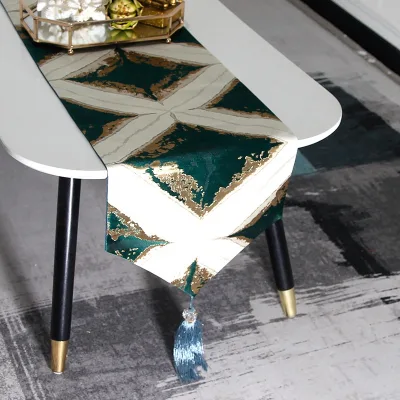
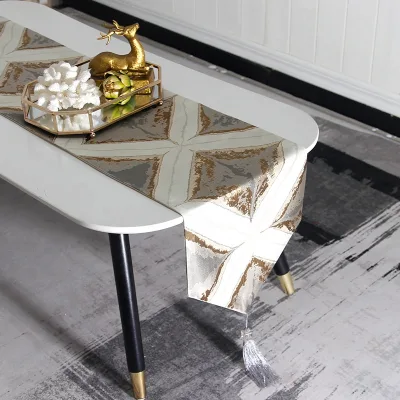
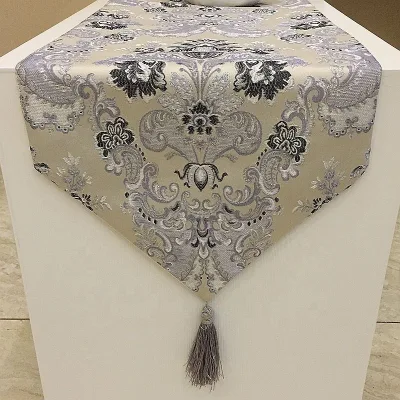
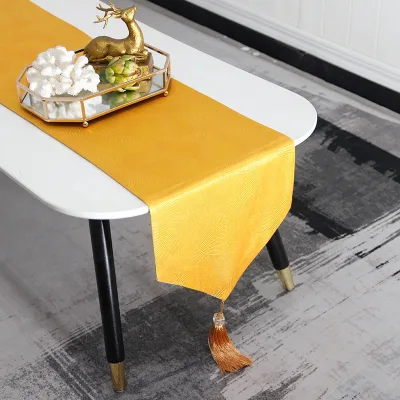
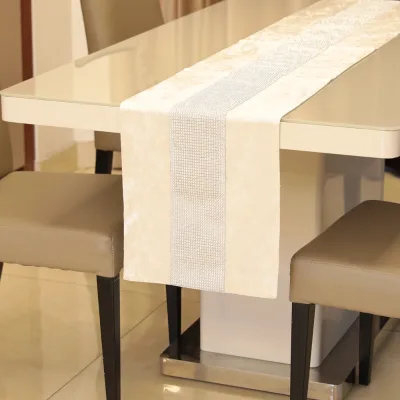


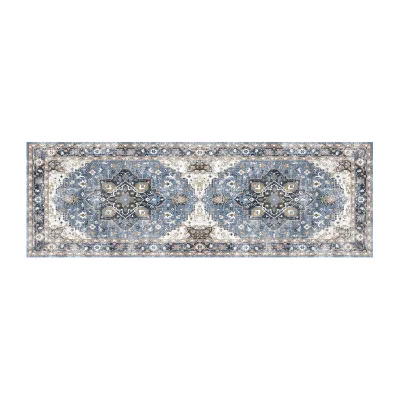

Machine Made Wool Blend Stylish Premium Digital Printed Runner for SPA
$3.45 - $4.37
MOQ: 1 Square Meters
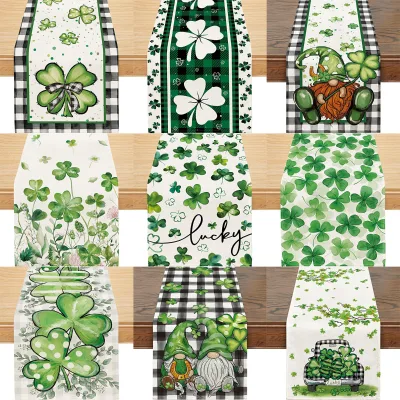
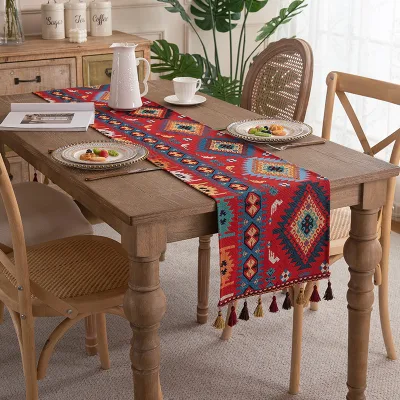
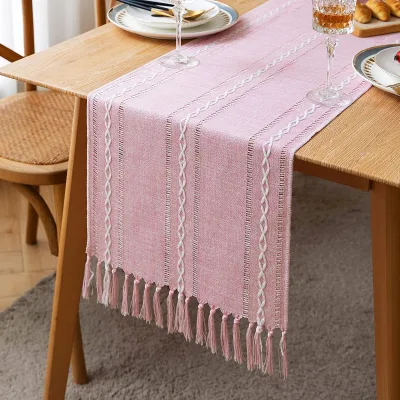
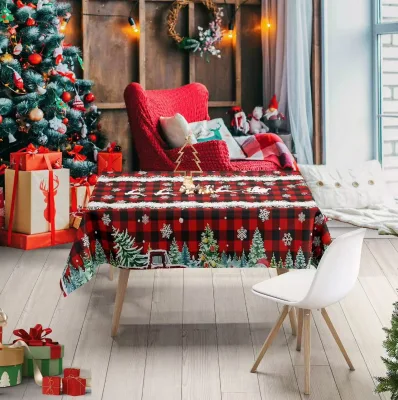




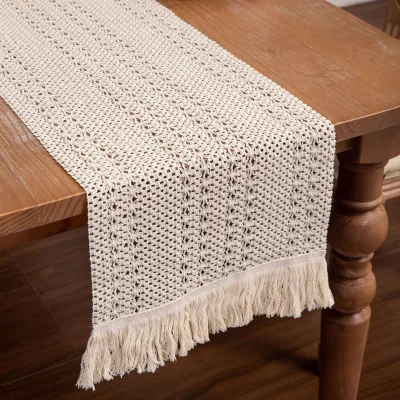


Comprehensive Sourcing Guide
Machine Made Chinese Style Runner Sourcing Guide
Procuring machine-made Chinese style runners requires a disciplined approach to balancing aesthetic authenticity with industrial manufacturing efficiency. Buyers must recognize that these products often blend traditional motifs with modern production techniques, resulting in items that are visually rich yet cost-effective for large-scale deployment. The core appeal lies in the ability to replicate intricate designs through automated weaving or printing processes, ensuring consistency across bulk orders. This guide outlines the critical verification steps necessary to secure high-quality inventory that meets both functional and decorative requirements for diverse commercial environments.
Understanding the specific attributes of these runners is essential for effective sourcing. The available data indicates a strong presence of polyester-based materials, which offer durability and ease of maintenance for high-traffic areas. Buyers should focus on verifying the specific weaving techniques, such as jacquard or machine-weaved methods, as these directly impact the texture and longevity of the final product. Additionally, the prevalence of custom logo and label options suggests that branding opportunities are significant, allowing businesses to tailor these decorative elements to their specific identity while leveraging the established supply chains in regions like Anhui, China.
Product Scope and Observed Listing Signals
The current market landscape for machine-made Chinese style runners reveals a diverse range of product configurations tailored to various interior design needs. Listings frequently highlight applications in home, hotel, and outdoor activity settings, indicating versatility in usage scenarios. The observed product names often emphasize descriptors such as "exquisite," "luxury," and "customized," which signal a market segment focused on premium aesthetics. Buyers should note that while the style is traditionally Chinese, the design execution often incorporates modern luxury elements, creating a hybrid aesthetic that appeals to contemporary decor trends. This blend allows for broader market acceptance beyond niche traditionalist preferences.
Material composition and pattern types are key differentiators in this category. The predominant material observed is 100% polyester, sometimes blended with acrylic for specific texture requirements, providing a balance of softness and resilience. Pattern types range from intricate printed designs to plain colors, with jacquard weaving being a notable technique for adding depth and texture. The color palettes are extensive, including traditional reds and golds alongside modern blacks, blues, and multicolor options. This variety enables buyers to select runners that align precisely with their existing color schemes or thematic requirements, ensuring cohesive interior styling across different spaces.
Technical Specifications to Verify
Verifying technical specifications is crucial to ensuring that the purchased runners meet dimensional and structural expectations. Standard sizes such as 33210cm and 32180cm are commonly available, but buyers must confirm exact dimensions as variations like 32*230cm also exist in the market. The single package size and gross weight, often around 40X30X20 cm and 1.0-2.0 kg respectively, are important for logistics planning and storage optimization. Buyers should request detailed specification sheets for each model number, such as BTHTR-QL-01-003 or CO-002, to ensure that the physical attributes match the intended use case, particularly for long dining tables or specific event setups.
The manufacturing technique significantly influences the final product quality and appearance. While many listings specify "woven" or "machine weaved" methods, the distinction between plain weave, jacquard, and printed finishes must be clearly understood. Jacquard styles offer a textured, raised pattern that adds a tactile luxury element, whereas printed runners provide vibrant, detailed imagery at a potentially lower cost. Buyers should verify the knitting method and fabric composition, noting that some products may be classified as chemical fiber blankets, which implies a different texture and durability profile. Confirming these details prevents mismatches between expected and received goods, ensuring satisfaction with the aesthetic and functional performance.
Compliance and Safety Documentation
Although specific certification data is limited in the provided context, buyers must proactively request compliance documentation to mitigate risk. Background signals mention CE and RoHS certifications, which are relevant for electronic components but less directly applicable to textile runners. However, these signals indicate a supplier base that may adhere to broader international standards. Buyers should verify that the polyester or acrylic materials used are free from harmful substances, particularly if the runners are intended for hospitality or residential use where human contact is frequent. Requesting material safety data sheets (MSDS) or relevant textile safety reports is a prudent step to ensure the products meet local regulatory requirements.
Quality assurance processes should also be scrutinized to guarantee consistent product standards. The listings mention "high quality" as an attribute, but this is a subjective claim that requires objective verification. Buyers should inquire about the supplier’s quality control protocols, including inspection rates and defect tolerance levels. Additionally, since customization is available, buyers must ensure that the customization process does not compromise the structural integrity of the fabric. Verifying that the custom labels and logos are applied securely and do not cause irritation or damage to the fabric is essential. Establishing clear quality benchmarks in the purchase agreement helps protect against substandard deliveries and ensures that the final product meets the expected durability and aesthetic standards.
Cost Drivers and Commercial Terms
Understanding the cost drivers for machine-made Chinese style runners involves analyzing material, labor, and customization factors. The use of 100% polyester and acrylic blends generally keeps material costs moderate, but intricate jacquard weaving or complex printed designs can increase production expenses. Customization options, such as custom logos and labels, add to the overall cost due to setup fees and additional processing steps. Buyers should also consider the impact of order volume on pricing, as the observed MOQ range of 1-3000 pieces suggests flexibility. Larger orders typically benefit from economies of scale, reducing the per-unit cost, while smaller orders may incur higher premiums for setup and handling.
Commercial terms and packaging details are equally important for total cost of ownership. The standard packaging is often OPP bags or cartons, which affects shipping efficiency and protection during transit. Buyers should negotiate clear terms regarding packaging specifications to minimize damage and optimize container space. Additionally, the place of origin, primarily Anhui, China, influences logistics costs and lead times. Understanding the supplier’s production capacity and lead time estimates is crucial for inventory planning. Buyers should also clarify payment terms and any potential tariffs or duties associated with importing these textiles, ensuring a transparent and predictable cost structure for the procurement project.
Supplier Qualification and Quality Control
Supplier qualification is a critical step in securing reliable sources for machine-made Chinese style runners. Buyers should verify the supplier’s manufacturing capabilities, including their experience with jacquard weaving and printing technologies. The presence of multiple model numbers and customization options suggests a versatile production line, but buyers must confirm that the supplier has the necessary equipment and skilled labor to maintain consistent quality. Requesting samples before placing bulk orders is essential to evaluate the actual product quality, including fabric feel, color accuracy, and pattern alignment. This hands-on verification helps identify potential issues early in the sourcing process.
Quality control measures should be integrated into the procurement strategy to ensure ongoing product consistency. Buyers should establish clear quality acceptance criteria, including tolerances for color variation, dimensional accuracy, and defect rates. Regular audits or third-party inspections can provide additional assurance of supplier performance. Additionally, buyers should assess the supplier’s responsiveness to feedback and their ability to implement corrective actions when issues arise. Building a strong relationship with a qualified supplier fosters trust and collaboration, leading to better service and more reliable deliveries. By prioritizing supplier qualification and robust quality control, buyers can minimize risks and ensure a steady supply of high-quality runners.
Long-Term Procurement Checks
Long-term procurement success depends on continuous monitoring and evaluation of supplier performance and market trends. Buyers should regularly review supplier metrics, such as on-time delivery rates, defect rates, and responsiveness to inquiries. Establishing a scorecard system can help track these metrics objectively and identify areas for improvement. Additionally, staying informed about changes in material costs, labor regulations, and shipping rates is crucial for anticipating price fluctuations and adjusting procurement strategies accordingly. Regular communication with suppliers ensures that both parties remain aligned on expectations and can address any emerging challenges proactively.
Adapting to evolving consumer preferences and design trends is also vital for maintaining product relevance. The market for Chinese style runners is dynamic, with shifting tastes in colors, patterns, and materials. Buyers should monitor industry trends and gather feedback from end-users to inform future purchasing decisions. This proactive approach allows buyers to stay ahead of the curve and offer products that meet current demand. Furthermore, exploring new customization options and sustainable material alternatives can enhance the value proposition. By maintaining a flexible and informed procurement strategy, buyers can ensure long-term success and competitiveness in the market.
FAQs
What materials are used for machine made chinese style runners?
The primary material is 100% polyester, with some options featuring a blend of polyester and acrylic. These synthetic fabrics ensure durability and a smooth woven texture suitable for home or hotel dining tables. The material choice supports high-quality finishes and allows for various color options including red, black, gold, and blue.
Can I customize the logo on these table runners?
Yes, customization is available for logos and labels. Buyers can request custom labels and personalized logo printing to match their brand identity. This service is ideal for wedding events or corporate hospitality needs. The product supports tailored branding while maintaining the exquisite design and woven quality expected from modern luxury table accessories.
What are the standard sizes for these table runners?
Standard sizes include 33*210cm and 32*180cm, with some models offering 32*230cm. These dimensions are designed to fit most dining tables elegantly. The runners are available in full sizes or specific lengths to suit different table configurations. Buyers can also request customized sizes to ensure a perfect fit for their specific interior design requirements.
What is the minimum order quantity for these products?
The minimum order quantity is typically 100 pieces, though some listings indicate a range from 1 to 3000 units depending on the supplier. This flexibility allows both small businesses and large hotels to place orders that fit their inventory needs. The MOQ ensures efficient production while accommodating various customization requests for logos and specific design styles.
Where are these table runners manufactured?
These products are manufactured in Anhui, China. The region is known for its textile production capabilities, ensuring consistent quality and competitive pricing. Buyers sourcing from this location benefit from established supply chains and experienced manufacturers who specialize in woven polyester items. The origin supports reliable delivery and adherence to international quality standards for home and hotel use.
What design styles are available for these runners?
Available styles include modern luxury, jacquard, and printed patterns. Options range from solid colors like silver, black, and white to multicolor designs. The woven technique creates intricate textures suitable for winter seasons or formal dining. Buyers can choose from plain color or elaborate printed motifs to complement their table setting aesthetics and interior design themes effectively.