Source Non-Slip Washable Indoor Rug for Home Hotel Decoration
Explore 30 listings for the non-slip washable indoor rug suitable for home, hotel, and commercial spaces. Buyers can compare customization options, sizes, and backing materials to find the right fit for their needs; compare the available evidence and request quotations based on your requirements.
Updated
Key considerations
Products List


$3.40 - $3.58
MOQ: 100 Square Meters


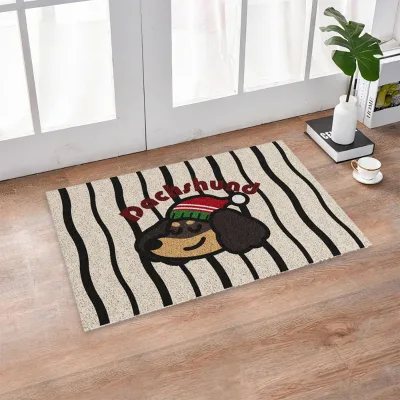
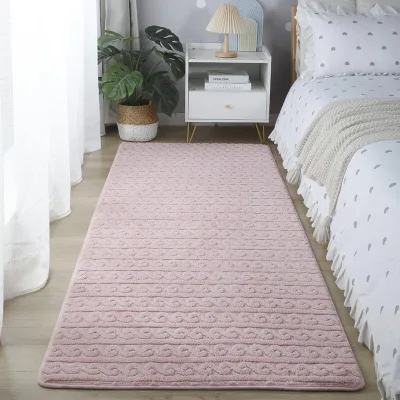
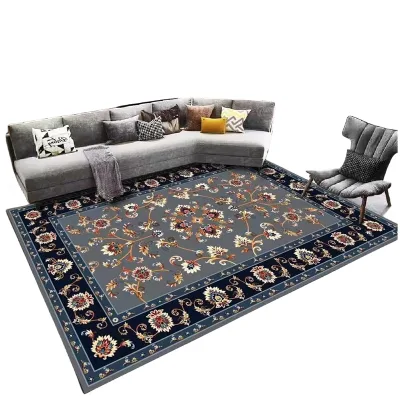
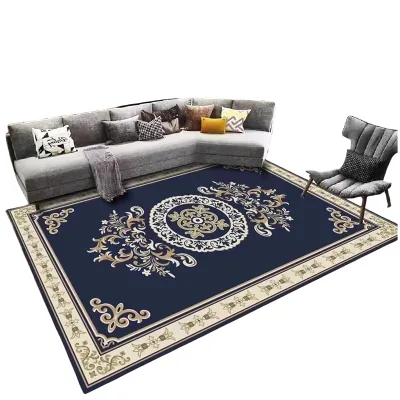
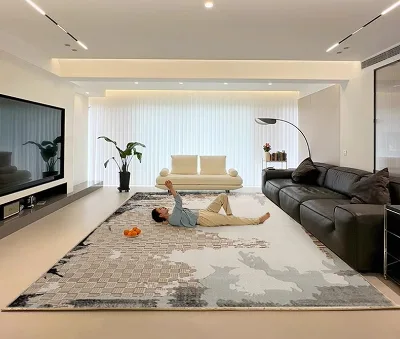
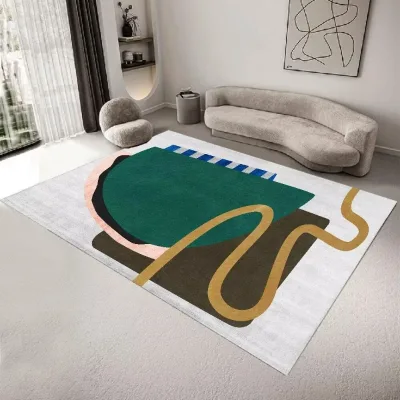
Living Room Area Rug Large Soft Water Wash Carpet Bedroom-Interior Floor Washable Rug
$19.644 - $25.8479
MOQ: 10 square
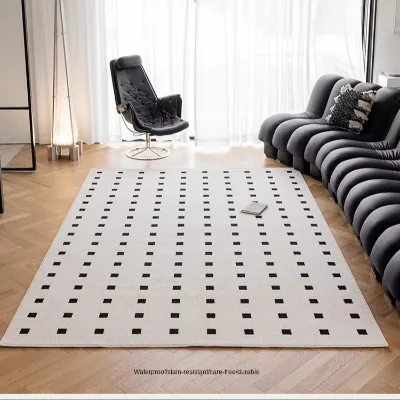
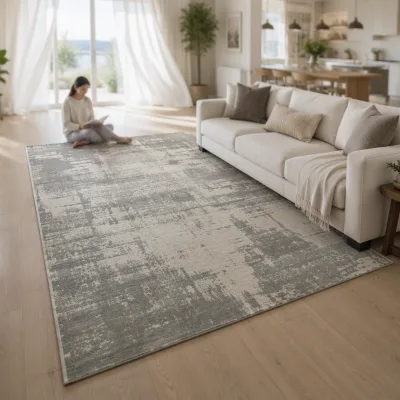
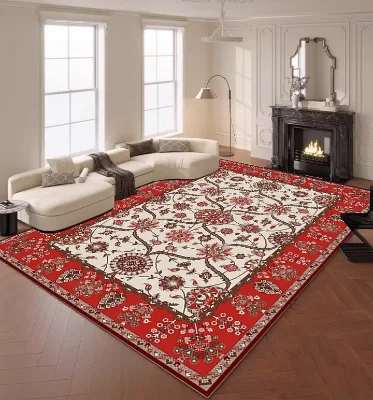





Comprehensive Sourcing Guide
Non-Slip Washable Indoor Rug Sourcing Guide
Sourcing non-slip washable indoor rugs requires a careful balance of functional performance, aesthetic flexibility, and supply chain reliability. Buyers must navigate a market where product attributes vary significantly between manufacturers, particularly regarding backing materials and pile construction. The core keyword highlights two critical performance indicators: slip resistance and ease of maintenance. These features are essential for high-traffic indoor environments such as hotels, commercial spaces, and residential homes. Understanding the specific technical definitions of "washable" and "non-slip" is the first step in defining accurate procurement specifications.
This guide provides evidence-based procurement strategies for sourcing these products, focusing on verified attributes and commercial realities. The analysis draws from observed listing signals and technical specifications to help buyers make informed decisions. By examining product scope, technical details, compliance requirements, cost structures, supplier qualifications, and long-term checks, this document offers a comprehensive framework for evaluating potential suppliers. The goal is to minimize risk and ensure that the final product meets the intended application standards without relying on unverified marketing claims.
Product Scope and Observed Listing Signals
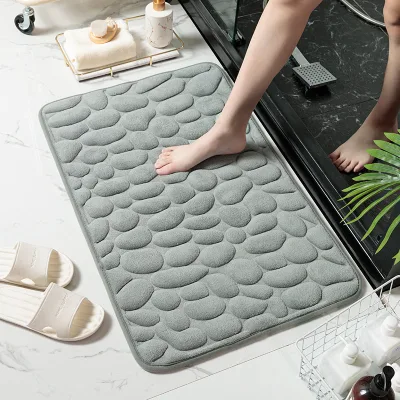
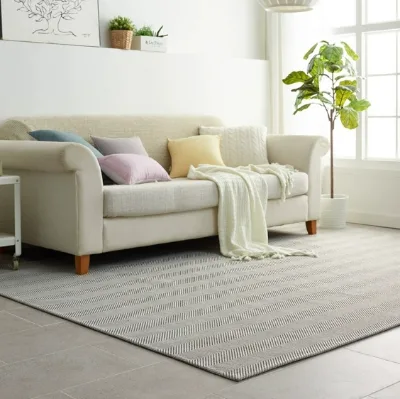
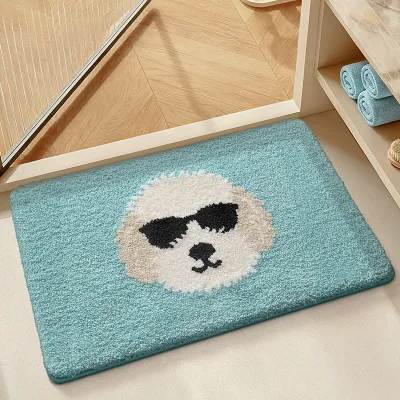
The observed product scope for non-slip washable indoor rugs includes a variety of applications, ranging from outdoor and bathroom use to hotel lobbies and home decoration. Listings indicate that these rugs are often categorized as door mats, printed rugs, or loop pile entryway rugs, suggesting a broad interpretation of the category. The customization options are extensive, with many suppliers offering custom designs, colors, and shapes, including square formats. This flexibility allows buyers to tailor products to specific brand identities or interior design schemes, but it also requires clear communication of design files and approval processes to avoid production errors.
Observed listing signals reveal that cleaning and maintenance are key selling points, with many products advertised as machine washable or hand washable. This feature is particularly valuable for commercial clients who require low-maintenance solutions for high-traffic areas. The presence of anti-slip or non-slip features is consistently highlighted, often linked to specific backing materials like TPR, felt, or canvas. Buyers should note that while "washable" is a common claim, the specific washing instructions and durability after multiple wash cycles are not always detailed in initial listings, necessitating further verification with suppliers.
Technical Specifications to Verify
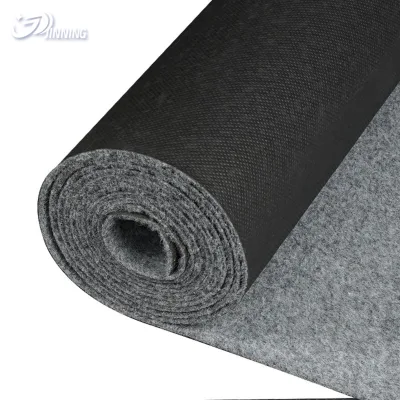
Technical verification must begin with the backing material, which is critical for both slip resistance and washability. Observed specifications list various backing options, including Felt+Canvas, Felt+DOT Molding, TPR+Canvas, and PVC. Each material offers different performance characteristics; for instance, TPR and DOT molding are often associated with superior non-slip properties, while woven backings may offer better durability. Buyers should request detailed material breakdowns and test reports to confirm that the chosen backing maintains its grip and integrity after repeated washing. The pile height is typically described as low, which is suitable for entryways and high-traffic areas, but the exact GSM range, observed between 230-240GSM and up to 1400g/Sqm, varies widely.
Size and weight specifications are equally important for logistics and performance. Standard sizes observed include 60x40cm, 60x80cm, 80x120cm, and customizable dimensions. The weight per square meter can range from 800g to 1400g, impacting both the rug's feel and its shipping cost. Buyers should verify the thickness, which is often described as medium (0.4-0.6 inches), and ensure that the product dimensions align with their spatial requirements. Additionally, the packing method, whether rolled in OPP bags or packed in cartons, affects protection during transit and should be specified in the purchase order to prevent damage.
Compliance and Safety Documentation
Compliance documentation is essential for ensuring that the rugs meet safety and ethical standards, particularly for international markets. Observed certifications include Smeta, BSCI, ISO, and Grs, which indicate adherence to social responsibility, quality management, and recycled content standards. Buyers should request valid certificates and verify their expiration dates to ensure ongoing compliance. These certifications are particularly important for large retailers and hotel chains that have strict supplier codes of conduct. The presence of these certifications suggests that the supplier has undergone third-party audits, providing an additional layer of assurance regarding labor practices and environmental impact.
Safety standards related to flammability and chemical content are not explicitly detailed in the observed listings but are critical for indoor rugs. Buyers should inquire about compliance with relevant regional standards, such as California Proposition 65 or EU REACH regulations, to ensure the rugs are free from harmful substances. Additionally, the "eco-friendly" advantage mentioned in some listings should be substantiated with material safety data sheets (MSDS) or third-party test reports. Verifying these documents helps mitigate legal risks and ensures that the products are safe for use in residential and commercial environments, protecting both the buyer and the end consumer.
Cost Drivers and Commercial Terms
Cost drivers for non-slip washable indoor rugs include material quality, customization complexity, and order volume. The observed MOQ ranges from 10 to 300 pieces, with some suppliers requiring a minimum of 300pcs for standard items. Higher customization, such as unique designs or specific backing materials, may increase the MOQ and unit price. Buyers should negotiate based on volume tiers and consider the total landed cost, including shipping and duties, rather than just the unit price. The weight of the product, which can vary significantly, also impacts shipping costs, so optimizing packaging and size is crucial for cost efficiency.
Commercial terms such as sample availability and lead times are key factors in the procurement process. Many suppliers support sample services, with sample times reported as short as three days, allowing buyers to evaluate quality before committing to large orders. However, lead times for bulk production can vary, and buyers should confirm these timelines during negotiations. Payment terms, such as deposits and balance payments, should be clearly defined to manage cash flow and risk. Understanding these commercial terms helps buyers plan their inventory and budget effectively, ensuring a smooth procurement process from sample approval to final delivery.
Supplier Qualification and Quality Control
Supplier qualification involves assessing the manufacturer's capabilities, production capacity, and quality control systems. Buyers should verify the supplier's location, with Tianjin, China, being a common origin for these products, indicating a concentration of manufacturing expertise in the region. Requesting factory audits or virtual tours can provide insights into the production environment and quality control processes. Suppliers with established certifications like ISO and BSCI are likely to have more robust quality management systems, reducing the risk of defects and inconsistencies. Buyers should also evaluate the supplier's responsiveness and communication skills, as these are critical for managing custom orders and resolving issues.
Quality control measures should be integrated into the procurement process, starting with sample approval and extending to pre-shipment inspections. Buyers should define clear quality criteria, including color accuracy, stitching quality, and backing adhesion, and ensure these are communicated to the supplier. Conducting third-party inspections before shipment can help identify and rectify defects before the goods leave the factory. Additionally, establishing a clear process for handling defective goods, including returns or replacements, is essential for maintaining supply chain reliability. By prioritizing supplier qualification and rigorous quality control, buyers can ensure consistent product quality and minimize operational disruptions.
Long-Term Procurement Checks
Long-term procurement checks focus on building a sustainable and resilient supply chain for non-slip washable indoor rugs. Buyers should regularly review supplier performance metrics, including on-time delivery rates, product quality consistency, and responsiveness to issues. Establishing a supplier scorecard can help track these metrics and identify areas for improvement. Regular communication and relationship building with key suppliers can foster collaboration and innovation, leading to better product offerings and competitive pricing. Buyers should also stay informed about market trends and technological advancements in rug manufacturing to ensure their products remain relevant and competitive.
Risk management is another critical aspect of long-term procurement. Buyers should diversify their supplier base to mitigate the risk of supply disruptions, such as those caused by geopolitical events or natural disasters. Developing contingency plans for alternative sourcing options can help maintain business continuity. Additionally, monitoring regulatory changes and compliance requirements in target markets is essential to avoid legal issues and ensure ongoing market access. By implementing these long-term checks, buyers can build a robust supply chain that supports their business goals and adapts to changing market conditions.
FAQs
Can I customize the design and color of the rug?
Yes, customization is available for both design and color. Buyers can request custom designs and specific color patterns to match their interior requirements. The product supports custom design styles, allowing for tailored aesthetics. This flexibility ensures the rug fits specific branding or decor needs effectively.
What are the cleaning and maintenance requirements for this rug?
The rug is machine washable and can also be hand washed for gentle care. This feature simplifies maintenance for both home and commercial use. Buyers can easily clean the product to maintain hygiene and appearance. The washable nature supports long-term usability in high-traffic areas like hotels and bathrooms.
What certifications do the rugs hold for quality assurance?
The rugs hold Smeta, BSCI, ISO, and Grs certifications. These credentials verify compliance with social, environmental, and quality standards. Buyers seeking ethical sourcing can rely on these documented certifications. The standards ensure the manufacturing process meets international requirements for responsible production and material safety.
What is the minimum order quantity for bulk purchases?
The minimum order quantity is 300 pieces for standard orders. This MOQ applies to bulk procurement for commercial or retail distribution. Buyers should plan inventory accordingly to meet this threshold. The quantity ensures efficient production runs while allowing flexibility for larger commercial contracts.
Where are these rugs manufactured and shipped from?
The rugs are manufactured in Tianjin, China. This location serves as the primary origin for production and shipping. Buyers can expect consistent quality from this established manufacturing hub. The Tianjin origin supports reliable supply chain logistics for international orders.
What backing materials are used for the non-slip feature?
The rugs use Felt+Canvas, Felt+DOT Molding, or TPR+Canvas backing. These materials provide the necessary anti-slip and non-slip properties. The backing ensures stability on various floor surfaces. Buyers can choose specific backing types based on their safety and durability requirements for indoor use.