Source Quilted Anti-Bacteria Weighted Blanket for Travel, Hotel, Home
Source quilted anti-bacteria weighted blanket from 30 verified suppliers. Compare options in cotton, bamboo, and microfiber with custom weights and sizes for travel, hotel, and home use. Find plain color styles with glass bead filling. Check lead times and MOQs for bulk orders.
Updated
Key considerations
Products List


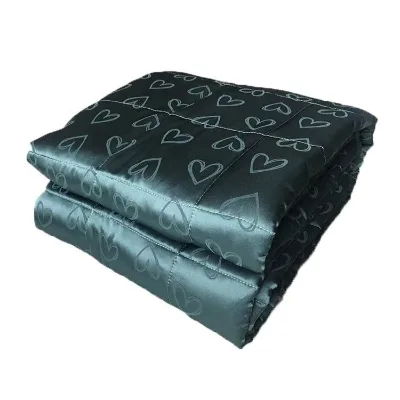
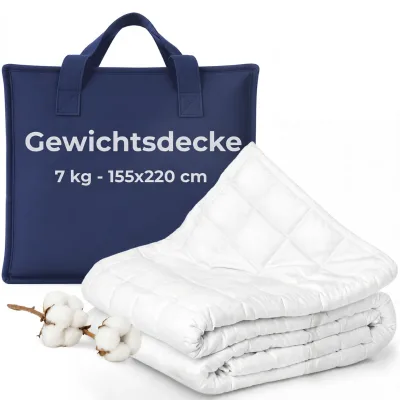
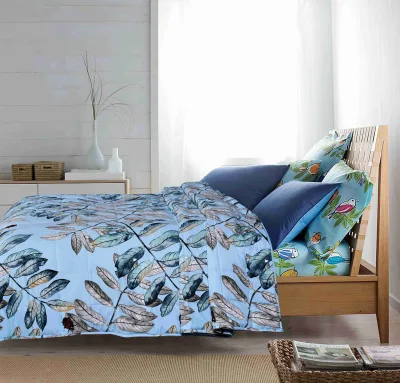
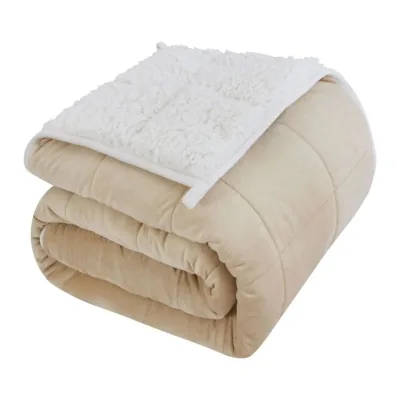
Four Seasons Customized Color Comfortable Hand Feeling Minky Weighted Blanket
$7.00 - $15.00
MOQ: 10 pieces
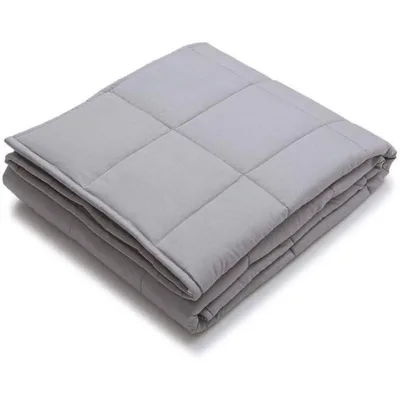
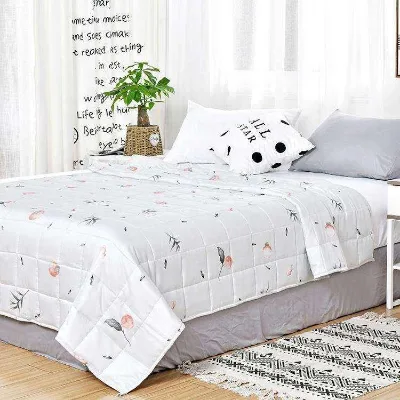
Multi-purpose Printed Eco-friendly Washable Heavy Aggravated Price Wholesale Weighted Blanket
$7.2466 - $15.3071
MOQ: 10 pieces


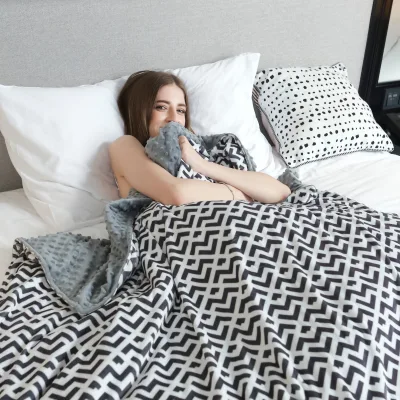
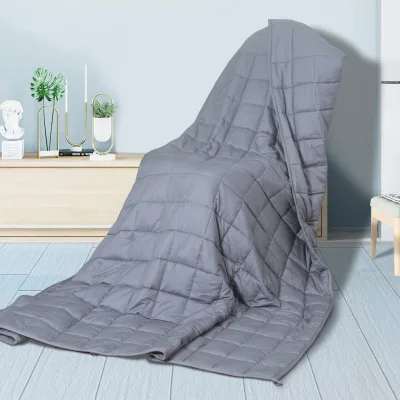
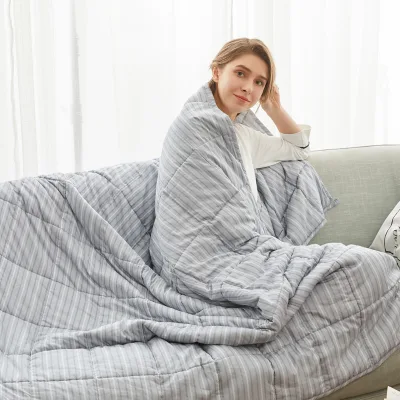
Customized Multicolor Comforter 200x200 Reversible Weighted Blanket Cool Cotton
$11.90 - $13.20
MOQ: 10 pieces




Comprehensive Sourcing Guide
Quilted Anti-Bacteria Weighted Blanket Sourcing Guide
Sourcing weighted blankets requires careful attention to material composition and filling distribution, as these factors directly influence therapeutic efficacy and user comfort. Buyers must distinguish between standard cotton blends and specialized fabrics like bamboo or microfiber, which offer distinct breathability and texture profiles. The presence of anti-bacterial properties often relies on specific finishing treatments or inherent fiber characteristics, necessitating clear verification of the manufacturing process. Understanding the interplay between the outer shell material and the internal filling is crucial for ensuring the product meets both durability standards and sensory expectations.
The quilted construction serves a dual purpose, preventing filling migration while adding aesthetic structure to the blanket. This technique ensures that glass beads or polyester pellets remain evenly distributed, maintaining consistent weight across the surface. Procurement teams should evaluate how the quilting pattern affects the overall drape and flexibility of the blanket, as tight stitching can sometimes restrict movement or create uncomfortable pressure points. Verifying the integrity of the stitching is essential to prevent filling leakage, which is a common failure mode in lower-quality weighted products.
Product Scope and Observed Listing Signals
Market listings for weighted blankets reveal a diverse range of sizes, from twin to king, with specific dimensions such as 60x80 inches for queen sizes being common. Observed models indicate a strong emphasis on customization, allowing buyers to select specific weights and colors to match brand identities or customer preferences. The availability of plain colors and solid patterns suggests a preference for minimalist designs that can be easily integrated into various home decor styles. Buyers should note that while some listings specify exact dimensions, others offer flexible sizing options to accommodate different bed types and user needs.
Material variations are significant, with options including cotton, bamboo fiber, minky, velvet, and coral fleece, each offering different tactile experiences. The filling materials also vary, with glass beads and polyester pellets being the most frequently cited options for providing the necessary weight. Some products highlight features like anti-pilling and flame retardancy, which are critical for safety and longevity. Understanding these material distinctions helps buyers align product specifications with target market expectations, ensuring that the final product delivers the desired comfort and performance characteristics.
Technical Specifications to Verify
Verifying the exact weight distribution and filling content is paramount, as inconsistencies can lead to uneven pressure and reduced therapeutic benefits. Buyers should confirm whether the filling consists of glass beads, polyester pellets, or a combination, as each material has different density and durability profiles. The size specifications must be cross-referenced with the weight options to ensure that the blanket provides the appropriate pressure for the intended user. For instance, a queen-sized blanket might offer multiple weight options, ranging from 15 to 20 pounds, to cater to different body types and preferences.
The construction technique, such as woven or quilted methods, impacts the blanket's durability and appearance. Buyers should inspect the stitching quality to ensure that the filling remains securely in place during use and washing. Additionally, the care instructions, such as hand wash requirements, should be clearly communicated to end-users to maintain product integrity. The single package dimensions and gross weight are also important for logistics planning, as they affect shipping costs and storage requirements. Ensuring that these technical details are accurately documented in the product specifications is essential for avoiding disputes and ensuring customer satisfaction.
Compliance and Safety Documentation
Safety compliance is a critical aspect of sourcing weighted blankets, particularly regarding flammability and chemical safety. Buyers must verify that the materials used, including the outer fabric and filling, meet relevant flammability standards to prevent fire hazards. Documentation such as test reports from accredited laboratories should be requested to confirm that the products have undergone rigorous safety testing. This is especially important for products marketed with specific claims, such as anti-bacterial properties, which may require additional certification to substantiate the claims.
Chemical safety is another key consideration, with buyers needing to ensure that the fabrics and dyes used do not contain harmful substances. Certifications related to organic materials, such as GOTS for cotton, can provide assurance regarding the environmental and health impacts of the production process. Buyers should also check for compliance with regional regulations, such as CPSIA in the United States or REACH in Europe, to ensure that the products can be legally sold in their target markets. Requesting comprehensive compliance documentation from suppliers is essential for mitigating legal risks and protecting brand reputation.
Cost Drivers and Commercial Terms
The cost of weighted blankets is influenced by several factors, including the type of filling material, the complexity of the quilting pattern, and the volume of the order. Glass beads, for example, are denser and more expensive than polyester pellets, leading to higher material costs. Customization options, such as specific colors or sizes, can also add to the production expenses, as they require additional setup and processing time. Buyers should negotiate clear pricing structures that account for these variables to avoid unexpected cost overruns.
Minimum order quantities (MOQs) vary significantly among suppliers, ranging from small batches for testing to large volumes for mass production. Lead times are also a critical commercial term, with typical production periods ranging from two to four weeks, depending on the order size and complexity. Buyers should establish clear agreements on sample times, which can range from one to three days, to facilitate quick decision-making. Understanding these commercial terms helps in planning inventory levels and managing cash flow effectively, ensuring a smooth procurement process.
Supplier Qualification and Quality Control
Supplier qualification involves assessing the manufacturer's production capabilities, quality management systems, and track record in the weighted blanket industry. Buyers should request detailed information about the factory's equipment, workforce, and quality control procedures to ensure that they can meet the required standards. Visiting the facility or conducting third-party audits can provide valuable insights into the supplier's operational efficiency and commitment to quality. This due diligence helps in identifying potential risks and ensuring that the supplier is capable of delivering consistent product quality.
Quality control measures should be implemented throughout the production process, from raw material inspection to final product testing. Buyers should define clear acceptance criteria for defects, such as stitching errors, filling leakage, or color inconsistencies, and communicate these standards to the supplier. Regular inspections during production and pre-shipment checks can help identify and rectify issues before the products are shipped. Establishing a robust quality control framework is essential for maintaining product integrity and minimizing the risk of returns or complaints from end-users.
Long-Term Procurement Checks
Long-term procurement success depends on continuous monitoring of supplier performance and product quality over time. Buyers should establish key performance indicators (KPIs) to track metrics such as on-time delivery, defect rates, and customer satisfaction. Regular feedback loops with suppliers can help identify areas for improvement and foster a collaborative relationship. By maintaining open communication and addressing issues promptly, buyers can ensure that the supplier remains aligned with their quality and service expectations.
Market trends and consumer preferences in the weighted blanket sector are evolving, with increasing demand for sustainable materials and innovative features. Buyers should stay informed about these trends and adapt their sourcing strategies accordingly to remain competitive. This may involve exploring new suppliers, negotiating better terms, or introducing new product variations. Continuous evaluation and adaptation are essential for sustaining long-term procurement success and meeting the changing needs of the market.
FAQs
What materials are used for the weighted blanket filling?
The weighted blankets utilize glass beads or polyester with pellets as the primary filling material to ensure consistent weight distribution. Some models also incorporate cotton, bamboo fiber, or microfiber fabrics for the outer cover. These materials are selected for durability and comfort, meeting qualified grade standards for safe and effective use in various settings.
Can I customize the weight and size of the blanket?
Yes, customization is available for both weight and size specifications. Buyers can select from various dimensions including Twin, Full, Queen, and King sizes, with weights ranging from 5lbs to 20lbs. The product accepts custom weight requirements and colors, allowing for tailored solutions that meet specific user needs and preferences for home or travel use.
What is the minimum order quantity for these blankets?
The minimum order quantity varies by product model, typically ranging from 100 to 500 pieces. Specific models may require 100, 200, or 500 PCS as the MOQ. Buyers should verify the exact MOQ for their chosen model, as these thresholds ensure efficient production and shipping processes while accommodating different business scales and inventory requirements.
How long does production take for custom orders?
Production lead time is generally 2-4 weeks after order confirmation. Sample preparation takes 1-3 days, allowing for quick quality checks. This timeline ensures that custom specifications, such as specific weights, sizes, or packaging requirements, are accurately implemented. Buyers should plan their procurement schedules accordingly to align with these standard manufacturing and delivery windows.
Where are these weighted blankets manufactured and shipped from?
These weighted blankets are manufactured in Zhejiang, China, and the primary loading port is Shanghai. The origin ensures access to established textile supply chains and manufacturing capabilities. Shipping from Shanghai facilitates efficient global logistics, allowing buyers to coordinate freight forwarding and import procedures smoothly while maintaining consistent quality standards across all produced units.
What care instructions should be followed for the blanket?
Care instructions recommend hand washing to maintain the integrity of the filling and fabric. This method helps preserve the anti-pilling features and ensures the longevity of the material. Buyers should avoid harsh chemicals or machine drying to prevent damage to the glass beads or polyester pellets. Proper care extends the product's lifespan and maintains its therapeutic benefits.