Source Eco Friendly Modern Acrylic Bag for Retail, Display, and Gifts
Find 30 Eco Friendly Modern Acrylic Bag options for retail displays, specialty stores, and home organization. Compare materials like acrylic and aluminum foil, check customization availability, and review specifications for exhibition and pharmacy applications.
Key considerations
Products List


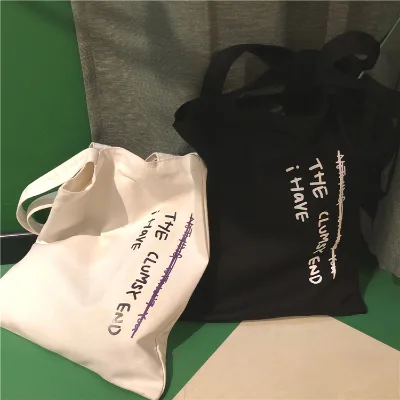

Environmentally Friendly Biodegradable Plastic Handbags Eco Friendly Bag
$0.01 - $0.06
MOQ: 50000 Pieces


Comprehensive Sourcing Guide
Eco Friendly Modern Acrylic Bag Sourcing Guide
Sourcing eco-friendly modern acrylic bags requires a nuanced understanding of material science, manufacturing processes, and supply chain transparency. While "acrylic" typically refers to polymethyl methacrylate (PMMA), a rigid plastic often used in signage and displays, the term in retail packaging contexts can sometimes be conflated with other synthetic materials or used to describe acrylic-coated fabrics. Buyers must first clarify whether the product is a rigid display case, a flexible coated tote, or a hybrid structure. The modern aesthetic often demands high clarity, durability, and a sleek finish, which necessitates rigorous vetting of the raw material source. This guide provides a structured approach to evaluating suppliers, verifying technical claims, and ensuring that the "eco-friendly" designation is substantiated by verifiable data rather than marketing language alone.
The procurement process for these items involves balancing aesthetic requirements with functional performance and environmental impact. Modern acrylic bags are frequently utilized in high-end retail, exhibitions, and promotional events where brand visibility and product protection are paramount. Buyers should focus on suppliers who demonstrate transparency in their material composition and end-of-life management. This involves understanding the lifecycle of the acrylic polymer, potential for recycling, and the energy intensity of the manufacturing process. By establishing clear criteria early in the sourcing journey, buyers can avoid common pitfalls such as receiving products that fail to meet durability standards or lack the necessary certifications to support sustainability claims in their home markets.
Product Scope and Observed Listing Signals
The observed market signals indicate a diverse range of products that may fall under the broad umbrella of acrylic or acrylic-like packaging. Listings show variations in material composition, with some items explicitly identified as acrylic, while others mention aluminum foil, glassfiber, or non-woven materials. This diversity suggests that buyers must carefully distinguish between pure acrylic products and composite or coated alternatives. For instance, some observed items are described as having an acrylic appearance but are constructed from different substrates, such as non-woven eco-friendly bags with specific printing techniques. Understanding these distinctions is critical for accurate specification and cost estimation, as the performance characteristics and environmental profiles of these materials differ significantly.
Observed listing attributes also highlight specific customization options and packaging methods that are common in this category. Suppliers frequently offer OEM services, allowing for custom logos, colors, and sizes, which is a key requirement for branded retail applications. The observed data includes details such as single package dimensions, carton box packing, and bubble bag protection, indicating that logistics and damage prevention are significant considerations. Additionally, the presence of items with specific models like "A0003" or "1-1" suggests a standardized product line that can be scaled. Buyers should use these observed signals as a baseline for comparison, verifying that the specific attributes they require, such as transparency, rigidity, or print quality, are explicitly confirmed by the supplier before placing an order.
Technical Specifications to Verify
Verifying the technical specifications of acrylic bags is essential to ensure they meet the intended use case. Key parameters include the thickness of the acrylic sheet, the clarity index, and the resistance to yellowing or cracking over time. Buyers should request detailed material data sheets that specify the grade of acrylic used, whether it is cast or extruded, as this affects its mechanical properties and optical clarity. Additionally, the manufacturing process, such as edge polishing, welding techniques, and the use of adhesives, should be scrutinized to ensure structural integrity. For bags that incorporate other materials, such as handles or linings, the compatibility and durability of these components under stress must also be verified.
Another critical aspect is the customization capability and the resulting impact on product quality. Suppliers often offer options for logo printing, color matching, and size adjustments, but these processes can introduce variables that affect the final product. Buyers should verify the printing method, such as silk screen or digital printing, and ensure that the inks used are compatible with the acrylic surface and meet safety standards. Furthermore, the dimensional accuracy of the finished product should be confirmed, especially for items that need to fit specific displays or products. Requesting pre-production samples is a vital step to validate that the technical specifications, including weight, load-bearing capacity, and aesthetic finish, align with the buyer's requirements.
Compliance and Safety Documentation
Compliance with safety and environmental regulations is a non-negotiable aspect of sourcing acrylic products, particularly when marketed as eco-friendly. Buyers must ensure that the acrylic material does not contain harmful additives such as bisphenol A (BPA) or other phthalates, depending on the target market's regulations. Documentation such as Material Safety Data Sheets (MSDS) and declarations of conformity should be requested to verify the chemical composition of the product. Additionally, if the product is intended for food contact or cosmetic storage, specific migration limits and safety standards must be met. Buyers should also inquire about the source of the raw materials to ensure they are sourced from reputable suppliers who adhere to ethical and environmental practices.
Environmental certifications play a crucial role in validating the "eco-friendly" claim. While general certifications like ISO may be present, buyers should look for specific environmental labels that attest to the recyclability or sustainable sourcing of the acrylic. For instance, certifications related to recycled content or biodegradability, if applicable, should be verified through independent audit reports. Buyers should also consider the end-of-life options for the product, such as whether the acrylic can be recycled in local facilities or if it requires specialized disposal. Understanding the regulatory landscape of the destination market is essential to avoid compliance issues, so buyers should consult with legal or compliance experts to ensure that all necessary documentation is in place before shipping.
Cost Drivers and Commercial Terms
The cost of acrylic bags is influenced by several factors, including the type and grade of acrylic used, the complexity of the design, and the volume of the order. High-clarity, cast acrylic is generally more expensive than extruded acrylic, and custom shapes or intricate designs can increase manufacturing costs due to additional labor and tooling requirements. Buyers should also consider the cost of customization, such as logo printing or special packaging, which can add to the unit price. Understanding these cost drivers allows buyers to negotiate more effectively and make informed decisions about where to allocate their budget for maximum value.
Commercial terms, including minimum order quantities (MOQs), lead times, and payment terms, are also significant factors in the procurement process. Observed data indicates a wide range of MOQs, from small orders to large bulk purchases, which can impact the unit price and flexibility of the order. Buyers should clarify the lead times for production and shipping, especially if they have tight deadlines for retail launches or events. Payment terms, such as deposits and balance payments, should be negotiated to mitigate financial risk. Additionally, buyers should inquire about the supplier's policies on defects and returns, ensuring that there is a clear process for addressing any quality issues that may arise after delivery.
Supplier Qualification and Quality Control
Qualifying suppliers for acrylic bag production requires a thorough assessment of their manufacturing capabilities, quality control processes, and overall reliability. Buyers should verify the supplier's production capacity, equipment, and expertise in handling acrylic materials. This includes assessing their ability to maintain consistent quality across large batches and their responsiveness to custom requests. Site visits or virtual audits can provide valuable insights into the supplier's operations, including their cleanliness, organization, and adherence to safety standards. Additionally, buyers should review the supplier's track record, including client testimonials and case studies, to gauge their reputation in the industry.
Quality control is paramount to ensuring that the final product meets the buyer's expectations. Buyers should establish clear quality standards and inspection criteria, including visual checks for scratches, bubbles, or discoloration, and functional tests for durability and load-bearing capacity. Requesting third-party inspection reports or conducting pre-shipment inspections can help identify and address any issues before the goods are shipped. Buyers should also work with suppliers to implement a robust quality management system, including regular audits and continuous improvement initiatives. By prioritizing supplier qualification and quality control, buyers can minimize the risk of receiving substandard products and build a reliable supply chain for their acrylic bag needs.
Long-Term Procurement Checks
Long-term procurement success depends on establishing a strategic partnership with suppliers that prioritizes continuous improvement and adaptability. Buyers should regularly review supplier performance metrics, such as on-time delivery rates, defect rates, and responsiveness to issues, to identify areas for improvement. Building a relationship based on transparency and mutual benefit can lead to better pricing, priority production, and collaborative innovation. Buyers should also stay informed about industry trends and technological advancements in acrylic manufacturing, such as new eco-friendly materials or production techniques, to ensure they remain competitive.
Sustainability should be a core component of long-term procurement strategies. Buyers should work with suppliers to develop and implement sustainability initiatives, such as reducing waste, increasing the use of recycled materials, and improving energy efficiency in production. Regularly reviewing and updating sustainability goals can help drive progress and demonstrate commitment to environmental responsibility. Additionally, buyers should consider the broader supply chain impact, including the sourcing of raw materials and the logistics of distribution, to identify opportunities for further sustainability improvements. By focusing on long-term relationships and sustainability, buyers can create a resilient and responsible supply chain for their acrylic bag products.
FAQs
What materials are used for eco friendly modern acrylic bags?
The product is constructed from acrylic material, which provides durability and clarity. Some listings also mention aluminum foil or non-woven materials for specific variations. Buyers should verify the exact material composition for each item before ordering.
Can I request customization for these acrylic bags?
Customization is available for these products, allowing buyers to tailor designs to their needs. OEM services are accepted, enabling logo printing and specific pattern requirements. This flexibility supports branding efforts for cosmetics or retail applications.
What is the typical delivery time for small orders?
Small orders can be delivered within 15 days according to the provided specifications. This lead time applies to standard requests without complex customizations. Buyers should confirm exact timelines with the supplier based on order volume.
Which certifications do these products hold?
Some listed items carry ISO certification, indicating adherence to quality management standards. This certification applies to specific product models like the dust collector variants mentioned. Buyers should verify if the specific acrylic bag model requires additional compliance.
How are these bags packaged for shipping?
Packaging options include carton boxes, bubble bags, and carton packaging depending on the specific item. The single package size is noted as 10x5x5 cm for certain units. Proper packaging ensures protection during transit to the destination.
Where are these products manufactured?
Products originate from various locations in China, including Zhejiang, Ningbo, and Shanghai. The specific origin depends on the manufacturer and product model selected. Buyers can filter suppliers by these regions to find preferred sources.
What is the minimum order quantity for these bags?
The minimum order quantity ranges from 1 to 50,000 units depending on the supplier and product type. This wide range accommodates both small trial orders and large bulk purchases. Buyers should check specific MOQ requirements for their desired model.
Are these bags suitable for indoor display use?
Yes, the products are designed for indoor display places such as exhibition shows and specialty stores. They are suitable for applications in pharmacies, cosmetics shops, and supermarkets. The design supports visibility and organization in retail environments.