Source eco-friendly pet paw cleaner for Dog, Cat, and Puppy Cleaning
Source eco-friendly pet paw cleaner options from 30 verified listings. Buyers can compare manual and electric models, materials like ABS and silicone, and waterproof features for dog and cat grooming needs.
Key considerations
Products List


High Efficiency Electric Air Cleaner for Pet Hair Removal Pet Product
$49.20 - $52.00
MOQ: 1000 Pieces


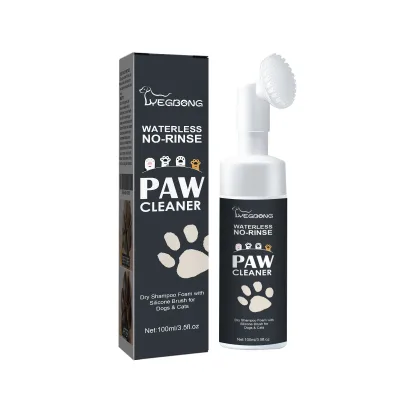
Paw Shampoo Massage Cleaning Paw Pet Paw Foam Cleaner for Cats and Dogs
$0.65 - $1.20
MOQ: 2000 bottle

Non-Toxic Portable Paw Feet Cleaner Brush Waterless Pet Paw Cleaner Grooming Foam
$0.65 - $1.20
MOQ: 2000 bottle


Paw Cleaner for Dogs & Cats No-Rinse Foaming Pet Foot Washer for Dirty Muddy Paws
$0.64 - $1.23
MOQ: 1000 Pieces


Comprehensive Sourcing Guide
Strategic Sourcing Guide for Eco-Friendly Pet Paw Cleaners
The global demand for specialized pet care solutions has driven a significant shift toward products that balance hygiene efficacy with environmental responsibility. For procurement professionals seeking an eco-friendly pet paw cleaner, the market presents a diverse array of options ranging from manual devices to automated electric units. This guide synthesizes available product attributes, technical specifications, and supply chain realities to provide a disciplined framework for sourcing decisions. The objective is to navigate the complexities of material selection, operational mechanics, and compliance standards without relying on unverified marketing claims.
Understanding Product Categories and Operational Mechanics
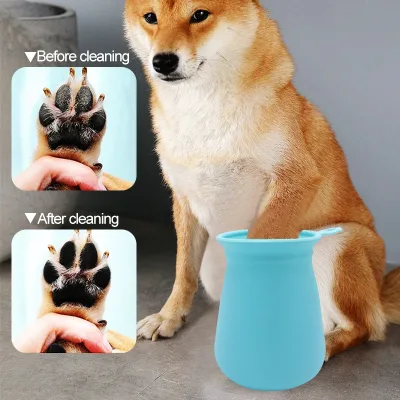
The first step in sourcing is distinguishing between the primary operational types available in the current supply landscape. The market data indicates a clear bifurcation between manual and electric operation types. Manual units, often categorized as pet paw washing cups or simple cleaning brushes, rely on user force to agitate water and remove debris. These devices typically feature a cylinder or columnar shape and are constructed from materials such as silicone, wool, cotton, or cloth. The manual operation type suggests a lower energy footprint, aligning well with eco-friendly objectives by eliminating the need for continuous electricity during use.
In contrast, electric pet paw cleaner machines offer a hands-free experience, utilizing a charge or battery power source. These units often incorporate ABS plastic and TPR (Thermoplastic Rubber) or silicone components to ensure durability and safety for the animal. The electric category includes models with specific battery capacities, such as 500mAh units, which require a charging time of approximately two hours. When evaluating eco-friendliness in this segment, the focus must shift to the lifecycle of the battery and the efficiency of the motor. Buyers should verify the input specifications, noting that some units support a broad voltage range of 100-240V~ 50/60Hz with power consumption around 42W, which allows for global usability and potentially lower energy waste compared to proprietary, high-wattage alternatives.
Material Composition and Environmental Impact
Material selection is the cornerstone of defining an "eco-friendly" product. The supply chain offers a variety of base materials, each with distinct environmental implications. Silicone appears frequently in the construction of both manual cups and electric devices, valued for its durability and resistance to degradation. However, the presence of ABS (Acrylonitrile Butadiene Styrene) in electric models introduces a petroleum-based plastic component. While ABS is recyclable, its environmental profile is less favorable than natural fibers.
For buyers prioritizing sustainability, the manual options utilizing wool, cotton, and cloth present a compelling alternative. These natural materials are biodegradable and often sourced from renewable resources. The combination of these fabrics with silicone bristles or handles can create a hybrid product that minimizes plastic dependency. It is critical to note that material attributes vary by specific product model; some listings specify "ABS + Silicone," while others highlight "Wool, Cotton, Cloth." Procurement teams must request detailed material breakdowns to ensure that the "eco-friendly" claim is substantiated by a high percentage of natural or recycled content rather than standard virgin plastics.
Technical Specifications and Performance Verification
When evaluating technical specifications, buyers must look beyond generic marketing terms and examine the physical constraints of the product. Size is a critical variable, with observed ranges spanning from small to large dimensions. Specific models are noted to have dimensions such as 15x10x8cm or 1813.818.2cm, while packaging dimensions can be significantly larger, reaching up to 56.54554.5cm for color boxes. These discrepancies between product size and packaging size have direct implications for shipping efficiency and carbon footprint.
Waterproofing is another technical specification that varies across the product range. Some units are explicitly rated as waterproof, which is essential for devices intended to be submerged or used in wet environments. Conversely, other models are listed as "Not Waterproof," limiting their application to dry cleaning or surface wiping. For an electric paw cleaner, waterproofing is a safety necessity to prevent electrical hazards. Buyers should verify the IP rating or specific waterproof claims against the product's intended use case. Additionally, the shape of the device, whether cylinder, columnar, or otherwise, affects the ergonomics of the cleaning process and the ability to reach all areas of a pet's paw.
Compliance, Certification, and Safety Standards
Ensuring compliance with international safety and environmental standards is non-negotiable for B2B procurement. The supply data references specific certification standards, including CE, FCC, and RoHS. These certifications are particularly relevant for electric pet paw cleaner machines. CE marking indicates conformity with health, safety, and environmental protection standards for products sold within the European Economic Area. FCC compliance is essential for electronic devices to ensure they do not emit harmful levels of radio frequency interference, while RoHS (Restriction of Hazardous Substances) restricts the use of specific hazardous materials in electrical and electronic equipment.
However, the presence of these certifications in the data does not guarantee that every listed product possesses them. Buyers must treat these as potential attributes that require verification. For products marketed as eco-friendly, additional verification regarding the absence of toxic chemicals in the silicone or plastic components is necessary. The standard color options, such as white, blue, pink, or customized colors, should also be checked to ensure that the dyes used are non-toxic and environmentally safe. Procurement teams should request valid certification documents from suppliers before finalizing orders, rather than relying on the product listing alone.
Cost Drivers and Supply Chain Logistics
Understanding the cost structure of pet paw cleaners requires an analysis of material inputs, manufacturing complexity, and logistics. The observed Minimum Order Quantity (MOQ) ranges from 50 to 2000 units, with specific models citing an MOQ of 100 pieces. This variance suggests that smaller suppliers may offer lower entry barriers, while larger manufacturers might require higher volumes to achieve economies of scale. The material composition significantly influences unit cost; products utilizing natural fibers like wool and cotton may have different cost dynamics compared to those dominated by ABS and silicone.
Packaging is another major cost driver. The data indicates a mix of packaging types, including OPP bags, color boxes, and cartons. The dimensions of the packaging, such as the 56.54554.5cm color box, directly impact shipping volume and freight costs. Efficient packaging design can reduce the number of containers required for a shipment, thereby lowering the overall carbon footprint and shipping expenses. Lead times are also a critical factor, with production times typically ranging from 15 to 20 days and sample times as short as 1-2 days. Buyers must account for these timelines in their inventory planning to avoid stockouts. Payment terms such as TT, L/C, Western Union, Money Gram, and PayPal offer flexibility but may carry different risk profiles and transaction costs.
Supplier Evaluation and Quality Control Protocols
Evaluating suppliers requires a rigorous approach to quality control and operational transparency. The origin of the products is primarily listed as China, with specific mentions of Ningbo as a production hub. While this provides a geographic context, it does not guarantee quality. Buyers should assess the supplier's ability to maintain consistent quality across batches, particularly regarding the customization of labels and colors. The availability of customized labels, whether printed or woven, indicates a supplier's flexibility but also introduces a risk of variation if quality control processes are not robust.
Quality control should extend to the physical inspection of the product's waterproofing, material integrity, and electrical safety. For electric models, testing the battery capacity and charging time is essential to ensure the product performs as advertised. The item weight, observed in the range of 169-200g for certain models, serves as a benchmark for consistency; significant deviations may indicate manufacturing defects or material substitution. Suppliers should be required to provide pre-shipment inspection reports and adhere to strict quality assurance protocols. The application of the product, whether for dogs, cats, or both, must be verified to ensure the device is suitable for the intended animal size and coat type.
Long-Term Procurement and Sustainability Strategy
Adopting a long-term procurement strategy for eco-friendly pet paw cleaners involves more than just selecting a single product. It requires building a relationship with suppliers who are committed to continuous improvement in sustainability. This includes evaluating the supplier's own manufacturing processes, waste management practices, and commitment to reducing their carbon footprint. The ability to customize products, such as offering specific colors or patterns, allows buyers to differentiate their brand and potentially reduce waste by producing only what is needed.
Furthermore, the lifecycle of the product must be considered. Electric models with rechargeable batteries offer a long-term solution that reduces the need for disposable batteries, but the end-of-life disposal of these batteries must be managed responsibly. Manual models made from natural materials offer a different sustainability profile, potentially allowing for easier recycling or composting at the end of their useful life. Buyers should prioritize suppliers who offer clear guidance on product disposal and recycling. By focusing on these long-term considerations, procurement teams can ensure that their sourcing decisions align with broader corporate sustainability goals and meet the evolving expectations of environmentally conscious consumers.
Comparative Analysis of Product Attributes
To facilitate decision-making, the following table summarizes the key attributes observed in the current market, highlighting the distinctions between manual and electric options.
| Attribute | Manual Pet Paw Washer/Cup | Electric Pet Paw Cleaner Machine |
|---|---|---|
| Operation Type | Manual | Electric |
| Primary Materials | Silicone, Wool, Cotton, Cloth | ABS + Silicone, ABS + TPR |
| Power Source | None (User Powered) | Charge, Battery (e.g., 500mAh) |
| Waterproof Rating | Variable (Some Waterproof, Some Not) | Typically Waterproof |
| Shape | Cylinder, Columnar | Columnar Shaped |
| Certifications | Variable (Check for CE/RoHS) | CE, FCC, RoHS (Common) |
| MOQ Range | 50 - 2000 PCS | 100 PCS (Typical) |
| Production Time | 15-20 Days | 15-20 Days |
| Sample Time | 1-2 Days | 1-2 Days |
This comparison underscores the trade-offs between energy efficiency and operational convenience. Manual devices offer a lower energy footprint but require more user effort, while electric devices provide convenience but introduce electronic waste and energy consumption considerations. The final selection should be based on the specific needs of the target market and the buyer's sustainability priorities.
Conclusion
Sourcing an eco-friendly pet paw cleaner requires a meticulous approach that balances technical performance with environmental responsibility. By carefully analyzing material compositions, verifying certifications, and understanding the logistics of the supply chain, procurement professionals can make informed decisions that align with their organizational values. The market offers a range of options from simple manual cups to sophisticated electric machines, each with unique advantages and challenges. Success in this category depends on rigorous supplier evaluation, clear communication of specifications, and a commitment to long-term sustainability goals.
FAQs
Can I find eco-friendly pet paw cleaners with natural materials?
Yes, manual options often use wool, cotton, and cloth alongside silicone. These natural fibers are biodegradable and reduce plastic dependency compared to standard ABS plastic models found in electric units.
What certifications do electric pet paw cleaner machines typically have?
Electric models frequently carry CE, FCC, and RoHS certifications to ensure safety and environmental compliance. Buyers must verify these documents individually as not every listed product automatically includes them.
Which operation type offers the lowest energy footprint for cleaning?
Manual pet paw washing cups offer the lowest energy footprint as they rely on user force rather than electricity. These devices eliminate the need for charging batteries or plugging into power sources during use.
How does packaging size affect shipping costs for these products?
Packaging dimensions vary significantly, with some color boxes reaching 56.5 by 45 by 54.5 cm. Larger packaging increases shipping volume and freight costs, so efficient design is crucial for reducing the carbon footprint.
What is the typical production time for custom pet paw cleaners?
Production time typically ranges from 15 to 20 days for custom orders. Sample preparation is faster, often taking only 1 to 2 days, allowing for quick prototyping before full-scale manufacturing begins.
Can I customize the label and color for these cleaning products?
Yes, suppliers offer customized labels in printed or woven formats and various color options like pink, blue, or white. This flexibility allows buyers to differentiate their brand while ensuring non-toxic dye usage.
What is the minimum order quantity for sourcing these devices?
Minimum order quantities range from 50 to 2000 units depending on the supplier and specific model. Some models explicitly state an MOQ of 100 pieces, while others may require higher volumes for economies of scale.
Are all electric pet paw cleaners waterproof for safe use?
No, waterproofing varies across the product range, with some units rated as waterproof and others not. Buyers must verify the waterproof rating to ensure safety, especially for electric models intended for wet environments.