Source eco-friendly pet salad clamshells for fruit trays, food storage, tableware
Compare 30 listings of eco-friendly pet salad clamshells designed for food fruit trays and tableware. These clear, disposable containers feature FDA certification and customizable sizes to meet freshness preservation needs; compare the available evidence and request quotations based on your requirements.
Updated
Key considerations
Products List


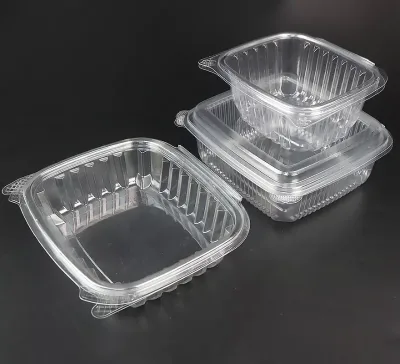
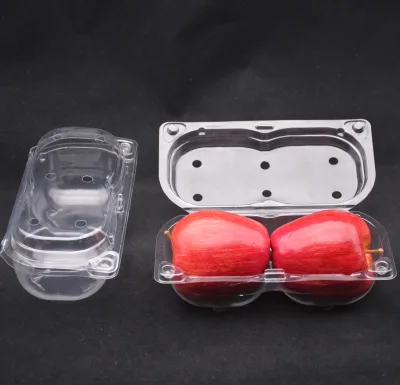
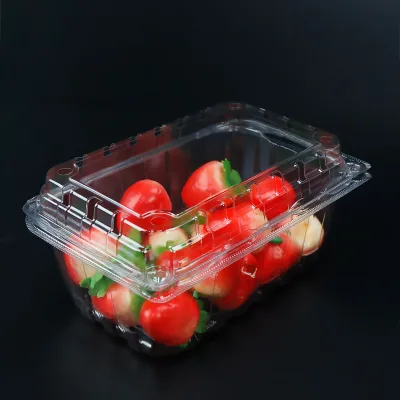
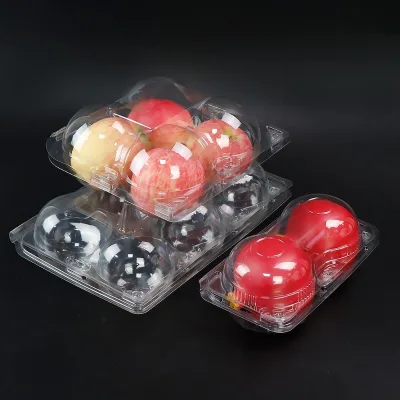
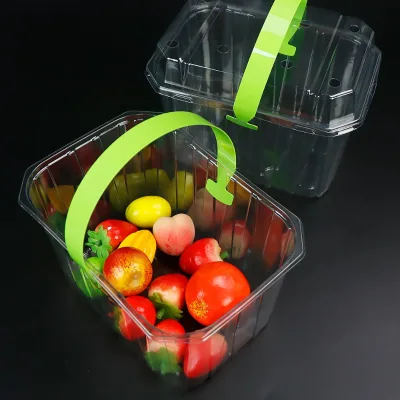
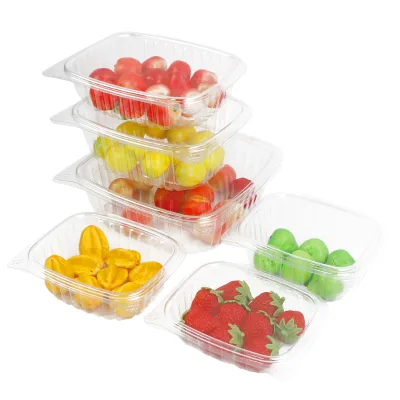


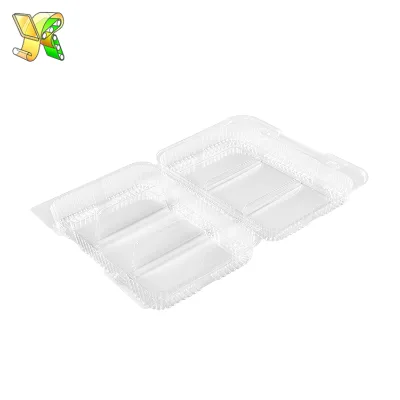
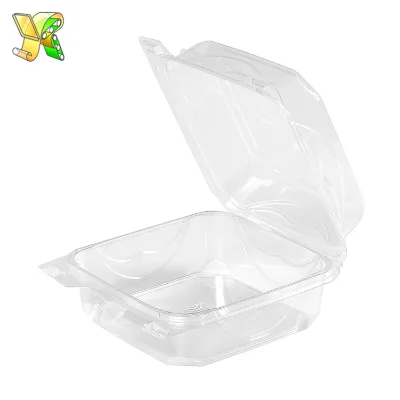
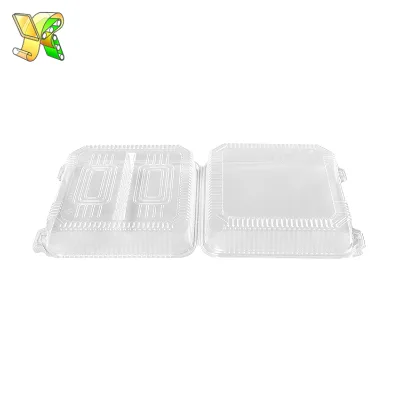
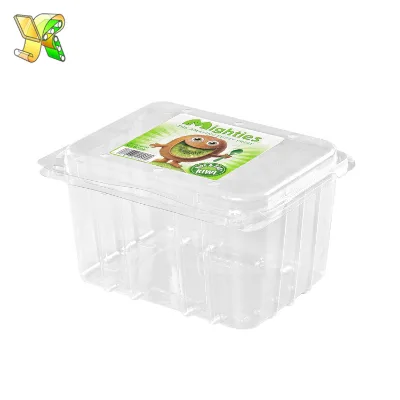


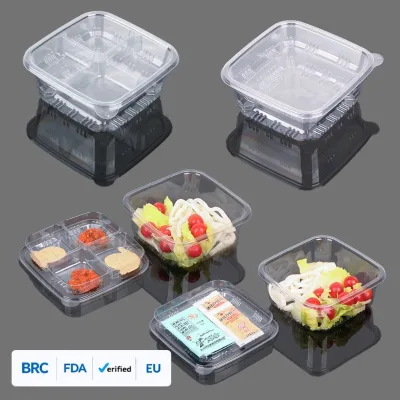
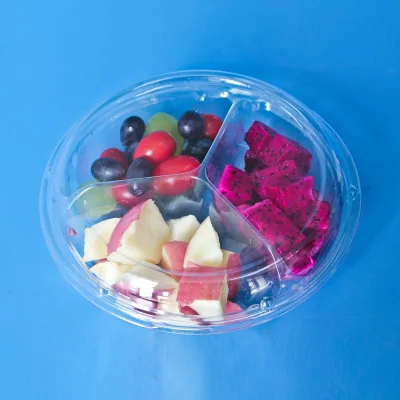
Comprehensive Sourcing Guide
Eco-Friendly Pet Salad Clamshells Sourcing Guide
Procurement teams evaluating eco-friendly pet salad clamshells must first distinguish between general plastic claims and verified material composition. The available market data indicates a prevalence of PET and PLA plastic types, with specific listings highlighting "Eco-Friendly" features alongside standard food-grade applications. Buyers should verify that the "Plastic Type" explicitly matches their sustainability goals, as some suppliers list generic "Plastic" while others specify PET or PLA blends. This distinction is critical for ensuring the packaging aligns with both environmental mandates and the mechanical requirements for holding fresh produce.
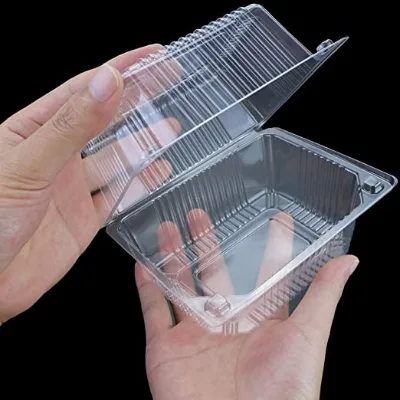
The observed product range includes hinged clamshell designs specifically engineered for salad and fruit trays, often featuring freshness preservation attributes. Listings confirm that these containers are typically disposable and designed for single-use scenarios in food service environments. When sourcing, buyers must scrutinize the "Product Name" and "Keyword" fields to ensure the item is a true clamshell rather than a generic bowl, as the hinged mechanism is essential for the intended application. Confirming the specific shape and closure type prevents mismatches between the ordered specification and the operational needs of the kitchen or retail display.
Product Scope and Observed Listing Signals
Buyers analyzing product listings should note that the observed price range spans from $0.03 to $1.00 USD, reflecting significant variance based on thickness and customization levels. The minimum order quantities (MOQ) are equally variable, ranging from 200 units to 100,000 units, which dictates the feasibility for small-scale startups versus large-scale distributors. Procurement strategies must account for these thresholds, as ordering below the MOQ may result in rejected requests or significantly higher per-unit costs that erode profit margins.
The physical attributes of the clamshells vary, with thickness specifications observed at 0.35mm, 0.45mm, and 0.5mm, directly influencing durability and material cost. While some listings offer customizable sizes ranging from 8oz to 48oz, others provide fixed dimensions like 1808060mm or 10*20CM. Buyers must align their size requirements with the supplier's standard offerings or confirm the feasibility of custom molding, as the "Size" field often lists "cutsomize" or specific volume capacities that must be matched to the product's intended use case.
Technical Specifications to Verify
Verification of the physical dimensions and structural integrity is paramount when selecting a supplier for salad containers. The observed data lists specific thicknesses such as 0.35mm and 0.45mm, which determine the rigidity required to hold heavy ingredients without collapsing. Buyers should request physical samples to validate that the actual thickness matches the specification, as even minor deviations can impact the stacking stability and the overall presentation of the food product on the shelf.
Packaging and logistical specifications also require rigorous checking to ensure efficient transport and storage. Listings indicate single package sizes ranging from 22x20x10 cm to 25x25x15 cm, with a single gross weight of approximately 1.000 kg. Procurement teams must calculate the total volume and weight per pallet to optimize shipping costs, ensuring that the "Packing Details" such as corrugated boxes or pallet packing meet the carrier's requirements and protect the product from damage during transit.
Compliance and Safety Documentation
Food safety compliance is the primary concern for any procurement of food-grade packaging, and the available data highlights FDA certification as a standard requirement. Some listings further include CE / EU certification, indicating compliance with European safety standards for food contact materials. Buyers must insist on seeing valid, current certificates for these specific regions, as the presence of a certification claim does not guarantee that the specific batch of goods has been tested or approved for the intended market.
Beyond basic food safety, additional certifications such as ISO, BRC, BSCI, and SEDEX may be relevant depending on the buyer's corporate social responsibility policies. The observed context mentions these standards, suggesting that reputable suppliers in the region often maintain these credentials. Procurement teams should verify that the supplier's quality management system is certified and that the facility undergoes regular audits, ensuring that the production process adheres to international standards for hygiene and ethical labor practices.
Cost Drivers and Commercial Terms
The final unit cost is heavily influenced by the choice of material, specifically whether the supplier uses standard PET or more expensive PLA blends. The "Plastic Type" field explicitly lists PET/PLA, and switching to biodegradable PLA often increases the base price while potentially altering the supply chain lead times. Buyers must evaluate the total cost of ownership, balancing the premium for eco-friendly materials against the budget constraints and the specific sustainability targets of their brand.
Commercial terms regarding lead times and sample availability also play a crucial role in the procurement timeline. The observed data suggests a sample time of 1-3 days, which is favorable for rapid prototyping and quality checks. However, the supply ability of 500,000 sets per month indicates that large orders may require significant lead time planning. Buyers should negotiate clear delivery schedules and penalty clauses for delays, ensuring that the production capacity aligns with their inventory turnover rates and seasonal demand spikes.
Supplier Qualification and Quality Control
Supplier qualification should begin with verifying the place of origin, as the data consistently points to Guangdong, China, as the primary manufacturing hub. This region offers a mature supply chain for plastic packaging, but buyers must conduct on-site audits or third-party inspections to ensure that the factory maintains consistent quality control processes. The "Brand Name" field often shows "NO" or generic identifiers, suggesting that many suppliers operate as OEM manufacturers, which requires stricter oversight to ensure the final product meets the buyer's specific branding and quality standards.
Quality control protocols must be established before mass production begins, focusing on the "Process Type" of blister molding and the final product finish. Buyers should define clear acceptance criteria for defects such as warping, poor hinge function, or inconsistent printing on the two-sided pages. Implementing a pre-shipment inspection is essential to catch any deviations from the agreed specifications, particularly regarding the "Feature" of being eco-friendly and the "Color" being clear, which are critical for consumer perception and product visibility.
Long-Term Procurement Checks
Sustaining a successful partnership requires regular re-evaluation of the supplier's ability to maintain consistent quality and compliance over time. Buyers should schedule periodic audits to verify that the "Certification" status remains active and that the production processes have not drifted from the initial agreed-upon standards. This proactive approach helps mitigate risks associated with regulatory changes or shifts in material sourcing that could impact the safety and sustainability claims of the packaging.
Long-term procurement also involves monitoring the supplier's adaptability to changing market demands and customization requests. The observed "Customization" availability and "Custom Order" acceptance indicate flexibility, but buyers must ensure that the supplier can scale these customizations without compromising the "Eco-Friendly" attributes or increasing costs disproportionately. Establishing a clear communication channel for feedback and continuous improvement ensures that the packaging solution evolves alongside the buyer's brand and operational needs.
FAQs
What material are these eco-friendly pet salad clamshells made from?
These containers are manufactured from PET plastic, which is a clear and durable material suitable for food packaging. The product specifications also list PLA as an available plastic type option. This material choice supports the eco-friendly feature claim while ensuring the container remains transparent and sturdy for holding fresh salads and fruits.
Can I customize the logo on these plastic salad containers?
Yes, customization is available for these eco-friendly pet salad clamshells. The product attributes explicitly state that logo printing is supported. Buyers can request custom orders to brand their packaging. This service allows businesses to enhance their product presentation while utilizing the clear, rectangular design of the clamshell containers for their specific market needs.
What certifications do these food containers hold for safety?
These containers hold FDA certification, ensuring they meet safety standards for food contact. Additional certifications listed include CE/EU standards, as well as ISO, BRC, BSCI, and SEDEX. These credentials verify that the manufacturing process and the final product comply with international quality and safety regulations for food packaging applications.
What is the minimum order quantity for these clamshells?
The minimum order quantity is 10,000 pieces for these eco-friendly pet salad clamshells. This MOQ applies to the standard product configuration. Buyers should note that the observed MOQ range across similar listings varies from 200 to 100,000 units. Confirming the exact MOQ with the supplier is recommended for specific order sizes.
How thick are the walls of these plastic salad containers?
The wall thickness for these containers is specified as 0.35mm, 0.45mm, and 0.5mm depending on the specific model. These thickness variations provide different levels of durability and rigidity. The clear PET material ensures the contents remain visible while the specified thickness protects the food during transport and storage.
Where are these eco-friendly containers manufactured and shipped from?
These containers are manufactured in Guangdong, China. The port of dispatch for shipping is Shenzhen. This location indicates the supply chain origin for the products. Buyers sourcing from this region should consider logistics and lead times associated with shipping from the Shenzhen port to their final destination markets.