Source Eco Friendly Plastic Sushi Mold for Sushi Bars, Catering, Home Kitchens
Find 30 verified Eco Friendly Plastic Sushi Mold options for sushi bars, catering services, and home kitchens. Compare specifications, MOQs, and customization features to select the right tool for your sushi decoration needs.
Key considerations
Products List


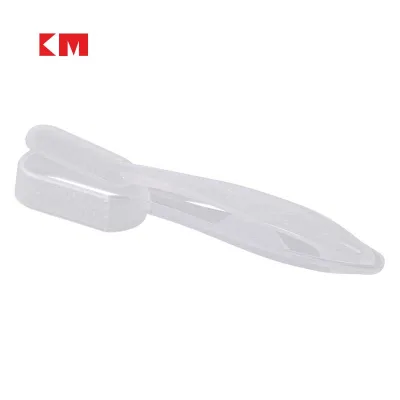


Eco-Friendly Packaging Customized Sushi Container Plastic Plate Plastic Tray
$0.08 - $0.11
MOQ: 5000 Sets

Manufacturer Customized Size Eco-Friendly Sushi Plastic Tray Take-out Box
$0.06 - $0.11
MOQ: 10000 Sets

Eco-Friendly High Quality Rectangle Shape Colorful Sushi Container with Lid
$0.07 - $0.12
MOQ: 10000 Sets


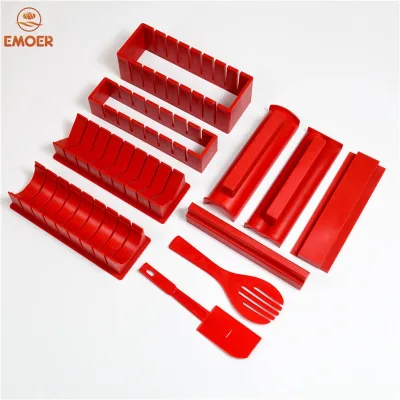
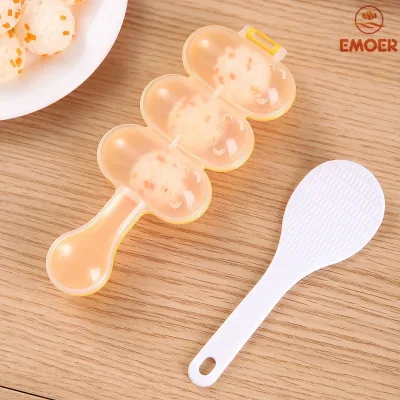
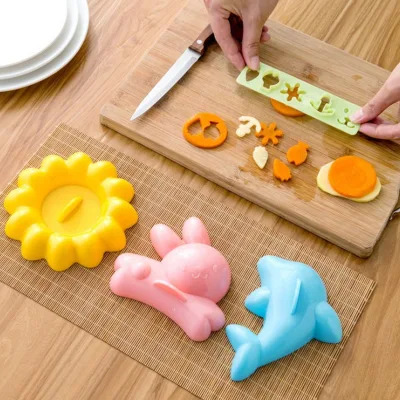


Custom Printing High Quality Disposable Plastic Food Sushi Packaging Box
$0.05 - $0.06
MOQ: 100000 Pieces
Comprehensive Sourcing Guide
Strategic Sourcing Guide for Eco-Friendly Plastic Sushi Molds
The global demand for specialized kitchen tools has driven significant innovation in the sushi preparation sector, with a particular focus on eco-friendly plastic sushi molds. For B2B procurement professionals, sourcing these items requires a nuanced understanding of material science, regulatory compliance, and supply chain logistics. The core keyword "eco-friendly plastic sushi mold" implies a product that balances environmental responsibility with the functional precision required for consistent rice shaping and decoration. This guide provides a comprehensive framework for evaluating suppliers, verifying product attributes, and managing the procurement lifecycle for these specific kitchen tools.
Material Composition and Functional Design
The foundation of any eco-friendly plastic sushi mold lies in the selection of raw materials. Procurement teams must distinguish between general-purpose plastics and those certified for food contact. The observed market data indicates that Food-Grade ABS and PP (Polypropylene) are the primary materials utilized in this category. ABS offers rigidity and durability, essential for maintaining the structural integrity of the mold during repeated pressing and releasing of rice. Conversely, PP provides excellent chemical resistance and is often favored for its flexibility and lower melting point, which can be advantageous in specific manufacturing processes.
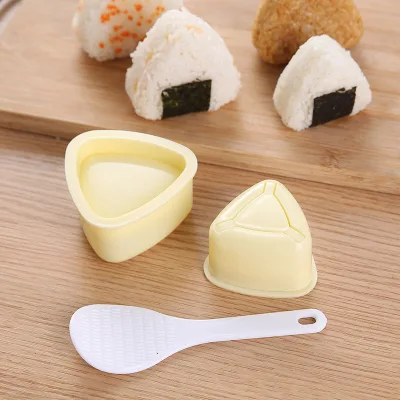
A critical observation in the current market is the emphasis on "Eco-Friendly" attributes. While this term is frequently used in marketing, it must be substantiated by the material composition. Buyers should verify if the plastic is made from recycled content, is fully recyclable, or is free from harmful additives like BPA. The product specifications often list the material simply as "Plastic" or "ABS," but the functional requirement for food safety necessitates a deeper inquiry into the polymer grade. The design of the mold, often described as a "hand-held sushi mold" or "sushi decoration" tool, must accommodate the specific dimensions of the rice and nori. Standardized sizes such as 9.56.55.8cm or 83.83.7cm are common, but the trend toward "Customized Size" suggests that buyers should be prepared to negotiate specific dimensions to match their brand's unique product offerings.
Compliance, Certification, and Safety Standards
In the realm of food-contact kitchenware, compliance is not merely a regulatory hurdle but a fundamental trust signal for end consumers. The most prominent certification observed in the supply chain for these products is LFGB (Lebensmittel-, Bedarfsgegenstände- und Futtermittelgesetzbuch). This German standard is widely recognized as one of the strictest in the world for food safety, ensuring that the plastic does not leach harmful substances into food under various conditions. When sourcing eco-friendly molds, buyers must explicitly request LFGB certification documents. Relying on a supplier's verbal assurance is insufficient; written proof of compliance with this standard is mandatory.
Beyond specific certifications, buyers must verify adherence to general food safety standards relevant to their target markets, such as FDA regulations in the United States or EU Framework Regulation (EC) No 1935/2004. The "Food-Grade" designation on the product listing is a strong indicator, but it should always be cross-referenced with the specific test reports provided by the manufacturer. The material properties, such as the use of ABS or PP, must align with these safety protocols. For instance, the transparency of the product, often noted as "transparent" in product descriptions, can be a quality indicator, allowing for visual inspection of the mold's cleanliness and structural integrity before use.
Cost Drivers and Economic Parameters
Understanding the cost structure of eco-friendly plastic sushi molds is essential for accurate budgeting and margin analysis. The observed price range in the market spans from $0.02 to $3.61 per unit, a significant variance that reflects differences in material quality, customization levels, and order volume. The primary cost driver is the level of customization. Products with "Customized Logo Acceptable" and "Customized Color" options typically command a higher price point due to the additional tooling and setup costs involved.
The Minimum Order Quantity (MOQ) is another critical economic factor. Data indicates an MOQ range of 20 to 100,000 units, with a high-confidence observation of 5,000 pieces being a common threshold for standard orders. For buyers seeking to minimize inventory risk, finding suppliers with lower MOQs is advantageous, though this may come at a higher unit cost. Conversely, larger orders can leverage economies of scale to reduce the per-unit price significantly. The packaging method also influences cost; options like "OPP Bag+Carton" or "Sleeve packing" add to the overall expense but are necessary for product protection during transit. Buyers should calculate the total landed cost, including packaging, shipping, and potential tariffs, rather than focusing solely on the unit price.
Supplier Evaluation and Geographic Origins
When evaluating potential suppliers, geographic origin plays a pivotal role in logistics and lead times. The primary manufacturing hubs for these products are located in China, specifically in regions such as Ningbo, Zhejiang, and Guangdong (Guangzhou). Ningbo is frequently cited as the FOB (Free on Board) port, indicating a well-established infrastructure for exporting goods. The presence of multiple suppliers in these regions suggests a competitive market, but it also requires rigorous vetting to ensure quality consistency.
Supplier evaluation should extend beyond the physical location to include their production capabilities. Key indicators of a reliable supplier include their ability to offer "Customized Size" and "Customized Color" options without compromising on the "Eco-Friendly" claim. The presence of a specific model number, such as CL1203 or 6111, suggests a standardized production line, which can be beneficial for consistency. However, buyers should also assess the supplier's flexibility for bespoke orders. The "Product style" often described as "Modern simple style" implies a design aesthetic that is currently favored in the market, but the supplier must demonstrate the capacity to adapt this style to specific branding needs.
Quality Control and Inspection Protocols
Implementing a robust quality control (QC) protocol is essential to mitigate the risks associated with sourcing plastic kitchenware. Given the direct contact with food, any defect in the mold can lead to product recalls or brand damage. QC checks should focus on several key areas: dimensional accuracy, surface finish, and material integrity. The specified dimensions, such as 13.319.54cm or 6038.52.2cm for packaging, must be verified to ensure the molds fit within the designated packaging and shipping constraints.
Surface inspection is critical to detect any flash, burrs, or rough edges that could damage the rice or nori during the molding process. The "Easy to operate" advantage listed in product features should be validated through functional testing. Additionally, the weight of the product, observed in the range of 20g to 36.25g, serves as a quick metric for consistency; significant deviations from the average weight can indicate issues with material density or manufacturing defects. For bulk orders, a third-party inspection service should be engaged to verify that the "Gross weight per batch" and "Package size per batch" align with the supplier's declarations. This ensures that the shipping costs are accurate and that the inventory management system is reliable.
Long-Term Procurement and Supply Chain Resilience
Sourcing eco-friendly plastic sushi molds is not a one-time transaction but a long-term partnership that requires strategic planning. The "Delivery time" can vary significantly, with some suppliers offering "3-day spot" availability for stocked items, while others may have longer lead times for customized orders. Buyers must factor in these lead times when planning their inventory cycles to avoid stockouts during peak demand periods. The "Stocked" status of certain items can be a valuable asset for buyers needing immediate fulfillment.
Sustainability is a long-term consideration that extends beyond the initial purchase. Buyers should inquire about the supplier's commitment to reducing waste during the manufacturing process and their policies on end-of-life product disposal. The "Eco-Friendly" label should be supported by a clear understanding of the product's lifecycle. Furthermore, the "Customized Logo" feature offers an opportunity for brand differentiation, but it requires careful management of the design files and approval processes to ensure timely production. Establishing a clear communication channel with the supplier regarding updates in material standards or regulatory changes is vital for maintaining compliance over time.
Application Scenarios and Market Fit
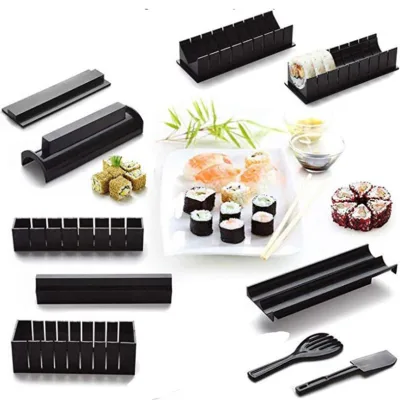
The versatility of eco-friendly plastic sushi molds makes them suitable for a wide range of applications. While the primary "Usage scenario" is the kitchen, the market extends to professional sushi restaurants, catering services, and even educational settings where sushi making is taught. The "Applicable object" is listed as "public," indicating a broad consumer base. The "Sushi Decoration" function highlights the product's role not just in shaping rice but in creating visually appealing presentations, which is crucial in the competitive food service industry.
The "Hand-held" nature of the mold suggests ease of use for both professional chefs and home cooks. This portability is a key selling point, as it allows for preparation in various environments, from commercial kitchens to home dining tables. The "Modern simple style" aligns with current design trends that favor minimalism and functionality. Buyers should consider how the product's design and material properties align with their target demographic's preferences. For instance, a brand targeting health-conscious consumers might prioritize the "Eco-Friendly" aspect and the use of Food-Grade ABS, while a luxury brand might focus on the "Customized Color" and "Customized Logo" options to enhance brand identity.
In conclusion, sourcing eco-friendly plastic sushi molds requires a balanced approach that integrates technical specifications, regulatory compliance, and strategic supply chain management. By carefully evaluating material quality, verifying certifications like LFGB, and understanding the cost drivers associated with customization and volume, buyers can secure a reliable supply of high-quality products. The geographic concentration of suppliers in China offers competitive pricing and diverse options, but it necessitates rigorous quality control and clear communication to ensure long-term success. As the market continues to evolve, staying informed about material innovations and sustainability trends will be essential for maintaining a competitive edge in the procurement of these essential kitchen tools.
FAQs
What certifications are available for these molds?
LFGB certification is available for these eco-friendly plastic sushi molds. This German standard ensures the food-grade ABS or PP materials do not leach harmful substances, providing a critical safety assurance for food contact applications in professional and home kitchens.
Can I customize the size and logo of the mold?
Yes, customized size and logo options are available for these products. Buyers can specify dimensions like 9.5*6.5*5.8cm or request unique branding, though customization may influence the minimum order quantity and unit pricing compared to standard stock items.
What is the typical minimum order quantity for these molds?
The standard minimum order quantity is 5000 pieces for most suppliers. While some listings show lower thresholds, the high-confidence data indicates 5000 is the common baseline for securing customized or standard eco-friendly plastic sushi molds from Chinese manufacturers.
Which materials are used to make these eco-friendly molds?
These molds are primarily made from Food-Grade ABS or PP plastic. These materials offer the necessary rigidity and chemical resistance for repeated use, ensuring the hand-held tools maintain structural integrity while shaping sushi rice and decorations safely.
Where are these sushi molds manufactured and shipped from?
Manufacturing originates from Ningbo, Zhejiang, and Guangdong regions in China. The FOB port is typically Ningbo, and products are packed in OPP bags or cartons before being shipped to international buyers, ensuring secure transit for the plastic kitchen tools.
What is the price range for these plastic sushi molds?
The observed price range spans from 0.02 to 3.61 USD per unit. This variance depends on factors like material grade, customization level, and order volume, with lower prices generally associated with standard stock items and higher prices for bespoke designs.
How quickly can stocked items be delivered?
Stocked items can be delivered within 3 days for immediate fulfillment. This rapid turnaround applies to ready-to-ship inventory, whereas customized orders with specific logos or sizes will require longer production lead times from the manufacturer.