Source Eco Friendly Woven Clothing Label for Garments, Shoes, Bags
Find 30 options for Eco Friendly Woven Clothing Label designed for garments, shoes, and bags. Compare customization, materials like polyester and paper, and features such as washable and anti-counterfeit properties from suppliers in Dongguan and Zhejiang.
Key considerations
Products List


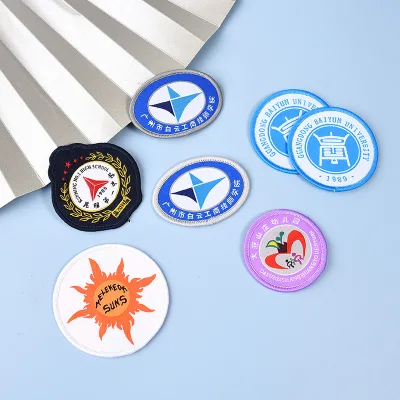


Factory Custom Garment Clothes Woven Label Tag/Woven Label/ Clothing Labels
$0.05 - $0.30
MOQ: 100 piece


Comprehensive Sourcing Guide
Eco Friendly Woven Clothing Label Sourcing Guide
Sourcing eco-friendly woven clothing labels requires a nuanced understanding of material science, manufacturing processes, and supply chain transparency. Unlike standard polyester labels, eco-friendly variants often utilize recycled fibers or alternative natural blends that demand specific handling during the weaving process to maintain durability and print clarity. Buyers must navigate a landscape where "eco-friendly" is a broad term, encompassing everything from recycled polyester (rPET) to organic cotton blends, each with distinct performance characteristics and cost structures. The primary challenge lies in verifying that the environmental claims are substantiated by credible data rather than marketing language, ensuring that the final product meets both aesthetic requirements and sustainability goals.
The procurement process for these specialized labels involves balancing technical specifications with commercial realities. Observed market signals indicate a wide range in minimum order quantities (MOQs), typically spanning from 30 to 3,000 units, which significantly impacts inventory management and cash flow for small to medium-sized enterprises. Furthermore, the customization options available, such as custom colors, sizes, and specific fold types like center folds, add complexity to the ordering process. Buyers need to establish clear communication channels with suppliers to ensure that the desired eco-friendly attributes are integrated into the production workflow without compromising the label’s structural integrity or washability.
Product Scope and Observed Listing Signals
The current market for woven clothing labels exhibits a diverse range of product configurations, with triangle, strip, and folded shapes being common observations. Materials predominantly cited include woven fabric and polyester, with some listings specifying recycled content as a key feature. These labels are primarily designed for use in garments, shoes, and bags, indicating their versatility across various apparel categories. The presence of self-adhesive and in-mould label types suggests that buyers have options beyond traditional sewn-in labels, allowing for different attachment methods depending on the garment’s construction and design requirements.
Price points observed in the market are notably low, ranging from $0.01 to $1 per unit, which reflects the high-volume nature of label production. However, this low entry price should be viewed in conjunction with MOQs, which can start as low as 30 units for certain custom configurations but often rise to 100 or 1,000 units for standard eco-friendly options. Features such as washability, eco-friendliness, and anti-counterfeit properties are frequently highlighted, suggesting that buyers are increasingly prioritizing durability and brand protection alongside sustainability. The availability of custom colors and patterns, including embossed designs, further expands the scope for brand differentiation, allowing companies to align their labeling strategy with their overall brand identity.
Technical Specifications to Verify
When evaluating woven clothing labels, the first technical aspect to verify is the material composition and its impact on durability. While polyester is a common base, eco-friendly claims often hinge on the use of recycled polyester or other sustainable fibers. Buyers should request detailed material breakdowns to confirm the percentage of recycled content and ensure that the weaving technique, such as damask or satin weave, provides sufficient strength for the intended application. The label’s shape, whether triangle, strip, or folded, must also be matched to the garment’s seam allowance and aesthetic preferences, with center folds being a popular choice for neck labels due to their comfort and professional finish.
Print quality and attachment methods are critical technical considerations that affect both the label’s longevity and the garment’s overall quality. Features like wash care instructions must be clearly legible after multiple wash cycles, requiring high-resolution printing techniques that resist fading or peeling. Additionally, the choice between sewn-in, self-adhesive, or in-mould labels will influence the production process and final product feel. Buyers should verify that the supplier can accommodate specific printing requirements, such as offset printing for detailed graphics, and ensure that the label’s size and standard can be customized to meet specific brand guidelines without compromising the eco-friendly attributes.
Compliance and Safety Documentation
Sustainability claims in the textile industry are heavily scrutinized, making compliance documentation a cornerstone of the procurement process. Buyers must insist on verifiable certifications that support eco-friendly assertions, such as FSC (Forest Stewardship Council) for paper-based components or OEKO-TEX for textile safety, although specific certification status should be confirmed on a case-by-case basis. These certifications provide assurance that the materials used are sourced responsibly and that the manufacturing process adheres to strict environmental and social standards. Without such documentation, eco-friendly claims may lack credibility, potentially exposing brands to greenwashing accusations.
In addition to environmental certifications, safety and quality standards are essential for ensuring that labels do not pose risks to consumers or the environment. Buyers should verify that the labels comply with relevant regional regulations, such as REACH in Europe or CPSIA in the United States, which restrict the use of harmful substances. The supplier’s ability to provide test reports for colorfastness, tensile strength, and chemical composition is crucial for maintaining product integrity. Furthermore, understanding the supplier’s adherence to ISO 14001 or similar environmental management systems can offer insights into their overall commitment to sustainable practices, although these should be treated as background indicators rather than guaranteed attributes.
Cost Drivers and Commercial Terms
The cost of eco-friendly woven clothing labels is influenced by several factors, including material sourcing, customization complexity, and order volume. Recycled materials often carry a premium due to the additional processing required to transform waste into usable fibers, which can impact the unit price. Customization options, such as unique shapes, colors, and embossed patterns, also add to the cost, as they require specialized tooling and setup time. Buyers should carefully evaluate the trade-off between customization and cost, ensuring that the added expense aligns with the brand’s value proposition and marketing strategy.
Commercial terms, particularly MOQs and lead times, play a significant role in the overall procurement cost. Low MOQs, such as 30 units, offer flexibility for testing new designs or small batch production but may come with higher per-unit costs. Conversely, larger orders can benefit from economies of scale, reducing the unit price but increasing inventory holding costs. Lead times, which can vary based on the complexity of the order and the supplier’s production capacity, should be factored into the supply chain planning. Buyers should negotiate clear terms regarding sample orders, which often have shorter lead times, and establish expectations for production schedules to avoid delays that could impact product launches.
Supplier Qualification and Quality Control
Selecting the right supplier for eco-friendly woven labels requires a thorough evaluation of their capabilities and quality control processes. Buyers should prioritize suppliers with a proven track record in producing sustainable textiles and those who demonstrate transparency in their supply chain. The location of the supplier, such as Dongguan or Hangzhou in China, can influence logistics costs and lead times, but it should not be the sole determinant of supplier selection. Instead, focus on the supplier’s ability to meet specific technical requirements, such as custom sizes, colors, and fold types, while maintaining consistent quality across batches.
Quality control measures are essential to ensure that the labels meet the specified standards and perform as expected in real-world conditions. Buyers should request samples to assess the label’s durability, print clarity, and overall finish before committing to large orders. Establishing a clear quality assurance protocol, including regular inspections and feedback loops, can help identify and address issues early in the production process. Additionally, verifying the supplier’s ability to handle custom requests, such as specific printing techniques or packaging requirements, ensures that the final product aligns with the brand’s expectations and sustainability goals.
Long-Term Procurement Checks
Sustainability is an evolving field, and long-term procurement strategies must account for changes in regulations, consumer preferences, and technological advancements. Buyers should regularly review their suppliers’ certifications and compliance status to ensure that they remain aligned with current standards and best practices. This includes staying informed about new eco-friendly materials and production techniques that could offer better performance or lower environmental impact. By maintaining a proactive approach to supplier management, brands can mitigate risks associated with regulatory changes and ensure that their labeling strategy remains competitive and credible.
Building a resilient supply chain also involves diversifying suppliers and establishing strong relationships with key partners. This can help mitigate risks associated with supply disruptions, such as raw material shortages or production delays. Buyers should consider developing a multi-tier supplier strategy, where primary suppliers are supported by backup options for critical components. Regular communication and collaboration with suppliers can foster innovation and continuous improvement, leading to better products and more sustainable practices over time. By focusing on long-term partnerships rather than transactional relationships, brands can create a more stable and sustainable supply chain for their eco-friendly woven clothing labels.
FAQs
What materials are used for eco friendly woven clothing labels?
The labels are made from woven fabric and polyester materials. Some options also include paper-based labels with embossed patterns. These materials support eco-friendly requirements and can be customized for specific garment applications.
Can I get custom sizes and colors for these labels?
Yes, custom sizes and colors are available for these products. The specifications allow for tailored dimensions and color choices to match your brand identity. This customization ensures the labels fit various garment, shoe, and bag applications perfectly.
What is the minimum order quantity for these labels?
The minimum order quantity ranges from 30 to 3000 pieces depending on the specific product model. Some items require a minimum of 100 pieces, while others start at 500 or 1000 pieces. Buyers should check the specific model requirements before ordering.
How long does it take to receive sample orders?
Sample orders can be supported with a lead time of 7 days. This quick turnaround allows buyers to verify quality and customization options before placing larger orders. The production process is designed to meet urgent sampling needs efficiently.
Are these labels washable and durable for garments?
Yes, the labels are designed to be washable and durable for use on garments. They feature eco-friendly properties and can withstand washing cycles without fading or peeling. This ensures long-lasting identification and care instructions on clothing and shoes.
Where are these eco friendly woven clothing labels manufactured?
These labels are manufactured in Dongguan and Hangzhou, China. The production facilities are located in Zhejiang as well, ensuring diverse sourcing options. Buyers can select suppliers based on their preferred location and logistical requirements for shipping.
What types of labels are available for clothing applications?
Available types include self-adhesive labels, in-mould labels, and hang tags. They come in various shapes such as triangles, strips, and folded designs. These options cater to different garment labeling needs including care instructions and brand identification.