Source Electric Adjustable Microneedling Device for Salon, Home, Spa
Compare 30 electric adjustable microneedling devices from verified suppliers. These multi-functional tools support skin rejuvenation, wrinkle removal, and pigment treatment for salon and home use with customizable needle cartridges and wireless power options; compare the available evidence and request quotations based on your requirements.
Updated
Key considerations
Products List


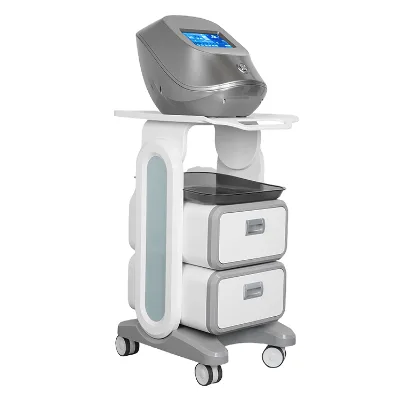
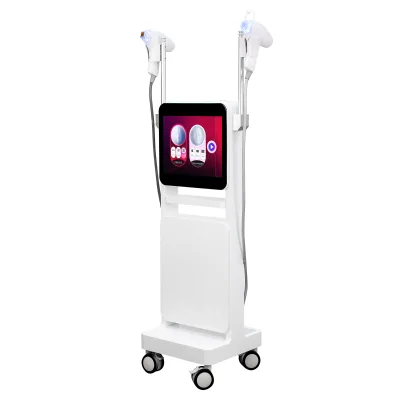
45W Skin Resurfacing Microneedling RF Needles Secret Microneedle Device
$2664.00 - $3072.00
MOQ: 1 Pieces


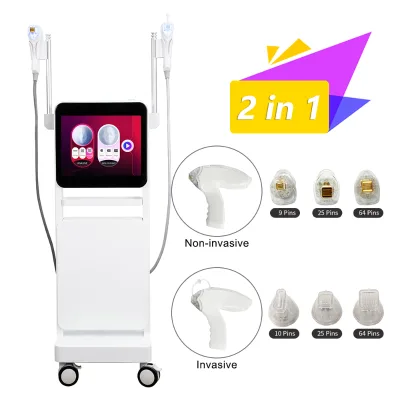
Advanced Microneedling Device for Wrinkle Reduction and Skin Revival
$1580.00 - $1780.00
MOQ: 1 Pieces


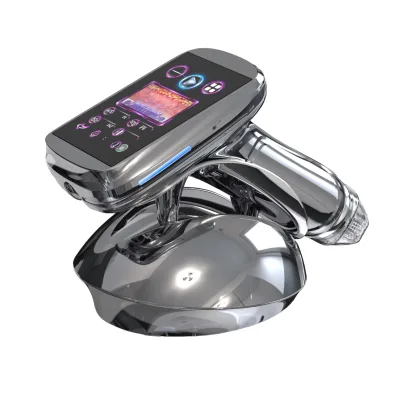
Advanced RF Microneedling Device for Wrinkle Reduction and Skin Firming
$1580.00 - $1780.00
MOQ: 1 Pieces


Advanced Microneedling Device with Radio Frequency for Skin Tightening
$1580.00 - $1780.00
MOQ: 1 Pieces

Comprehensive Sourcing Guide
Electric Adjustable Microneedling Device Sourcing Guide
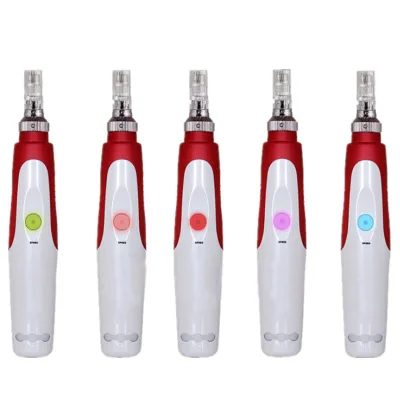
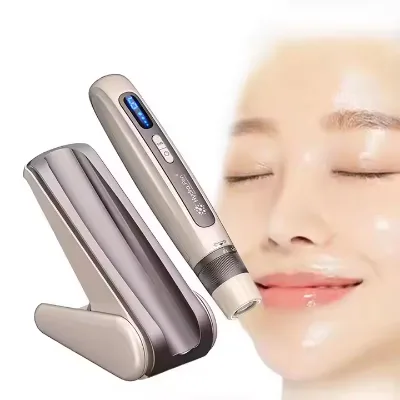
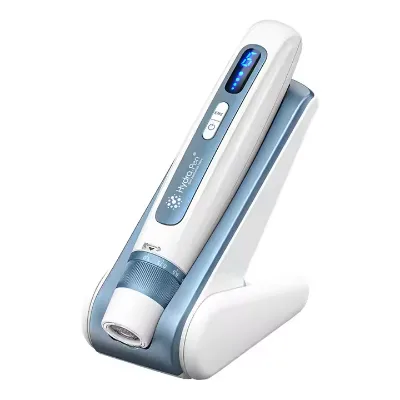
Procuring electric adjustable microneedling devices requires a clear understanding of the diverse product landscape available from manufacturers, primarily based in China. The market features distinct models such as the Dr Pen A9, A6, and Hydra Pen H5, each serving specific professional and home-use needs. Buyers must distinguish between multi-functional beauty equipment designed for skin rejuvenation and specialized pigment treatment instruments. The A9 model, for instance, supports both face and whole-body treatments with adjustable needle lengths ranging from 0 to 2.5mm, offering versatility for clinics. In contrast, the H5 is tailored for pigment, acne, and spot removal with a more limited penetration depth of 0 to 1.0mm. Understanding these functional differences is critical for aligning procurement with your specific service offerings or retail inventory requirements.
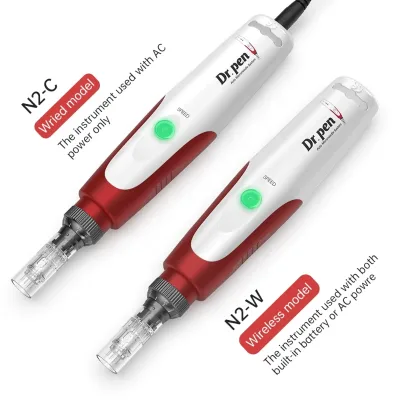
The physical construction and power systems of these devices vary significantly, impacting both user experience and operational logistics. Devices like the A6 are constructed from aluminum, providing durability, while the H5 utilizes ABS material, which may offer different handling characteristics. Power options include wireless and wired capabilities, with battery capacities ranging from 380mAh in the H5 to dual 500mAh batteries in the A6. The A9 features a 700mAh battery, ensuring extended usage time for high-volume environments. Buyers should verify the available needle cartridge options, such as 12, 18, 24, 36, or 42 pins, as well as nano variants, to ensure compatibility with your desired treatment protocols. These technical distinctions directly influence the suitability of each device for your target market segment.
Product Scope and Observed Listing Signals
The observed product listings reveal a wide price range from $0.40 to $3,072 USD, indicating significant variation in quality, brand positioning, and included accessories. This broad spectrum suggests that buyers must carefully evaluate what is included in the base price, such as the number of needle cartridges, adapters, and packaging materials. The minimum order quantity (MOQ) ranges from 1 to 500 units, offering flexibility for both small boutique retailers and large-scale distributors. High-confidence data confirms that customization is available, allowing buyers to tailor products to their brand identity through OEM and ODM services. This flexibility is particularly valuable for businesses looking to establish a unique market presence with private-label solutions.
Listing signals also highlight the importance of packaging and branding in the final product delivery. Products like the A9 come in an "Ultra Box," while the H5 is packed in standard boxes or cartons, which can affect shipping costs and retail presentation. The availability of multiple adapter types, including US, EU, UK, AU, and KR plugs, is a critical factor for international buyers, ensuring that devices are ready for use in their respective regions without additional modification. Buyers should verify the specific packing details and included accessories for each model to avoid unexpected costs or logistical hurdles. The presence of build-in lithium batteries in most models also necessitates careful consideration of shipping regulations regarding lithium-ion content.
Technical Specifications to Verify
When evaluating technical specifications, the adjustable needle length is a primary differentiator between device classes. The A9 and M8 models support a range of 0 to 2.5mm, suitable for deeper tissue stimulation and comprehensive skin rejuvenation protocols. Conversely, the H5 model is limited to 0 to 1.0mm, making it more appropriate for superficial pigment treatment and precise spot correction. Buyers must verify the speed levels available, with the A9 offering 6 levels and the A6 providing 5 levels, to ensure the device meets the precision requirements of your practitioners. The needle material, typically stainless steel, and the inclusion of ceramic components in some models, should be confirmed to assess durability and skin compatibility.
Power model and battery capacity are essential for ensuring consistent performance during treatments. Wireless operation is a standard feature across the A9, A6, and H5 models, providing mobility and ease of use in salon environments. However, the battery capacity varies, with the A9 offering 700mAh, the A6 having dual 500mAh batteries, and the H5 featuring a 380mAh unit. Buyers should verify the charging time and operational duration for each model to align with their clinic's workflow. Additionally, the display type, such as the LED display on the H5, should be checked for clarity and ease of use. Ensuring that the device supports both wired and wireless power modes can provide redundancy in case of battery depletion.
Compliance and Safety Documentation
Compliance with international safety standards is non-negotiable for medical and beauty devices. Buyers must verify that suppliers provide valid certifications such as CE, FCC, RoHS, and ISO 13485, which indicate adherence to quality management systems and electromagnetic compatibility requirements. The ISO 13485 certification is particularly important for manufacturers of medical devices, ensuring that production processes meet rigorous quality control standards. While ISO 10993 and IEC 60601-1/1-2 are relevant standards for biocompatibility and electrical safety, buyers should request specific test reports to confirm that the devices meet these criteria for their target markets. Without proper documentation, products may face regulatory hurdles or rejection at customs.
The warranty terms provided by suppliers also play a crucial role in risk management. Most listed products, including the A9, A6, and H5, come with a one-year warranty, which covers manufacturing defects and component failures. Buyers should clarify the scope of this warranty, including whether it covers needle cartridges or only the main device body. Understanding the warranty process, including return shipping costs and replacement timelines, is essential for maintaining customer satisfaction. Additionally, buyers should verify if the supplier offers extended warranty options or technical support services. Proper documentation and clear warranty terms protect the buyer from unexpected repair costs and ensure long-term operational reliability.
Cost Drivers and Commercial Terms
Several factors influence the final cost of electric adjustable microneedling devices, including the complexity of the mechanism, battery capacity, and included accessories. Models with higher battery capacities, such as the A9 with 700mAh, or dual-battery systems like the A6, may command higher prices due to increased component costs. The type of needle cartridges included, whether standard pins or nano variants, also affects the overall value proposition. Buyers should request detailed quotations that break down the cost of the device, accessories, and packaging to identify potential savings. Customization services, such as OEM branding, may incur additional fees, which should be factored into the total procurement budget.
Commercial terms, including payment methods and shipping arrangements, significantly impact the total cost of ownership. Buyers should negotiate favorable payment terms, such as partial upfront payments and balance upon shipment, to mitigate financial risk. Shipping costs can vary widely depending on the weight and dimensions of the packaging, as well as the destination country. The availability of multiple adapter types may also influence shipping logistics, as different regions require specific plug configurations. Buyers should verify the lead times for production and delivery to ensure timely inventory replenishment. Clear communication regarding Incoterms and customs duties is essential to avoid unexpected expenses and ensure smooth transaction completion.
Supplier Qualification and Quality Control
Supplier qualification is a critical step in ensuring the reliability and consistency of the procured devices. Buyers should verify the supplier's manufacturing capabilities, including their production capacity and quality control processes. The presence of ISO 13485 certification is a strong indicator of a supplier's commitment to quality management. Additionally, buyers should request samples to evaluate the build quality, functionality, and user interface of the devices. The material composition, such as aluminum for the A6 or ABS for the H5, should be inspected for durability and finish. Engaging with suppliers who offer OEM and ODM services can also indicate their flexibility and experience in custom manufacturing.
Quality control measures should be established to monitor production consistency and product performance. Buyers should implement incoming quality inspections to verify that the delivered devices meet the specified technical parameters, such as needle length adjustment and battery capacity. Regular audits of the supplier's production line can help identify potential issues before they impact the supply chain. Establishing clear communication channels with the supplier for feedback and issue resolution is essential for maintaining product quality. Buyers should also verify the supplier's ability to provide replacement parts and technical support, ensuring long-term operational support for the devices.
Long-Term Procurement Checks
Long-term procurement success depends on continuous monitoring of supplier performance and product reliability. Buyers should track key performance indicators, such as defect rates, warranty claims, and customer feedback, to assess the ongoing quality of the devices. Regular reviews of the supplier's compliance status, including the validity of certifications like CE and FCC, are necessary to ensure ongoing regulatory adherence. Maintaining a diversified supplier base can mitigate risks associated with single-source dependencies and supply chain disruptions. Buyers should also stay informed about industry trends and technological advancements to ensure their product offerings remain competitive.
Building a strong relationship with suppliers can lead to better pricing, priority production, and access to new product developments. Regular communication and feedback loops help align supplier capabilities with buyer requirements. Buyers should consider establishing long-term contracts with clear performance metrics and penalty clauses for non-compliance. Investing in training for end-users on proper device maintenance and operation can reduce warranty claims and enhance customer satisfaction. By proactively managing these long-term procurement checks, buyers can ensure a sustainable and profitable sourcing strategy for electric adjustable microneedling devices.
FAQs
What customization options are available for electric adjustable microneedling devices?
Customization is available for these devices, including OEM and ODM services. Buyers can request specific branding, packaging, or functional adjustments to meet their market needs. This flexibility allows businesses to tailor the product to their brand identity while maintaining the core technical specifications required for professional use in salons and home settings.
Which certifications do these microneedling devices typically hold?
These devices typically hold CE, FCC, RoHS, and ISO13485 certifications. These standards ensure compliance with international safety and quality regulations for medical and beauty equipment. Buyers should verify specific documentation with suppliers to confirm that the units meet the regulatory requirements of their target export markets before placing bulk orders.
How does the battery capacity vary across different models?
Battery capacity varies by model, with options ranging from 380mAh to 700mAh or dual 500mAh units. The Dr Pen A9 features a 700mAh battery, while the H5 model has 380mAh. These built-in lithium batteries support both wired and wireless operation, ensuring consistent performance during treatments without immediate power dependency.
What needle cartridge options are supported by these devices?
Devices support various needle cartridges including 12, 18, 24, 36, and 42 pins, as well as Nano variants. The Dr Pen A9 accepts 12/18/24/36/42/Nano cartridges, while the H5 uses H12/H36/H42/Nano types. These stainless steel or ceramic needles allow for adjustable penetration depths to address different skin concerns effectively.
Can these devices be used for both face and body treatments?
Yes, these multi-functional beauty equipment units are designed for both face and whole body treatments. Functions include wrinkle removal, skin rejuvenation, and pigment removal. The adjustable needle length, ranging from 0 to 2.5mm depending on the model, allows practitioners to customize the treatment depth for various anatomical areas safely.
What is the typical warranty period for these microneedling pens?
The typical warranty period for these devices is one year. This coverage generally applies to manufacturing defects and core component failures. Buyers should confirm the specific warranty terms and return policies with the supplier, as conditions may vary based on the manufacturer and the region of purchase or distribution.