Source Electric Circular Shearing Machine for Steel, Iron, and Pipes
Find 30 electric circular shearing machines from verified suppliers in China. Compare specifications like cutting thickness, motor power, and automation levels to select the right equipment for steel, iron, and pipe processing applications; compare the available evidence and request quotations based on your requirements.
Updated
Key considerations
Products List


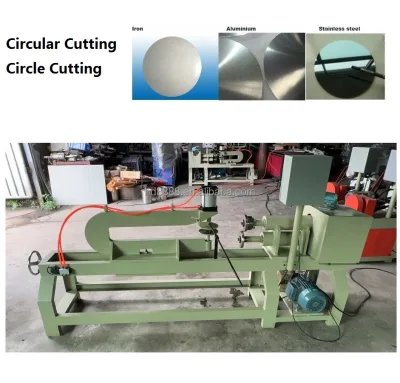
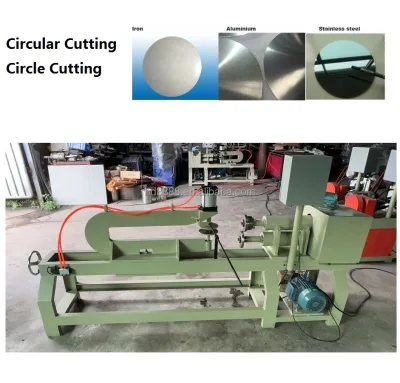
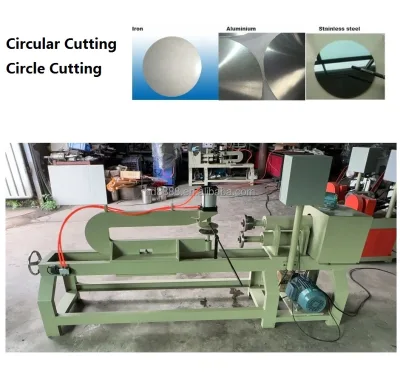


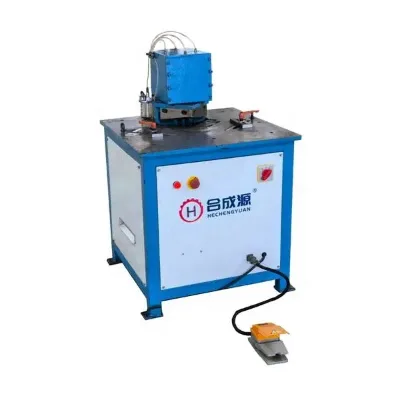


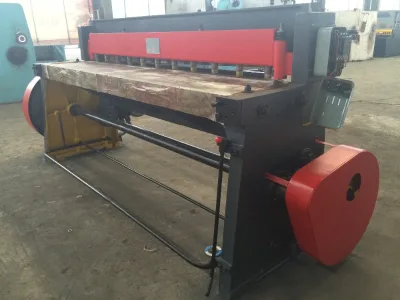
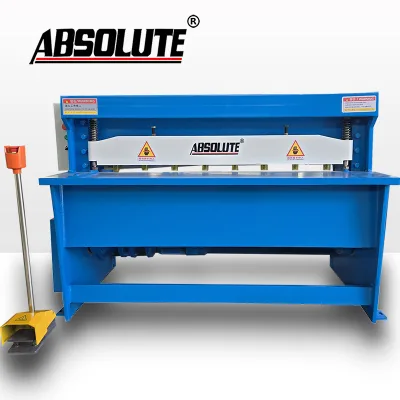
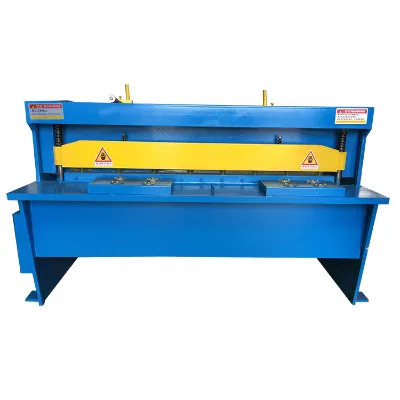
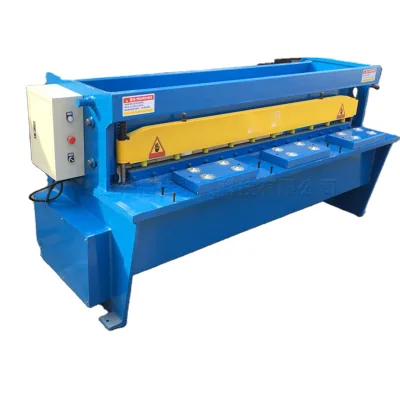
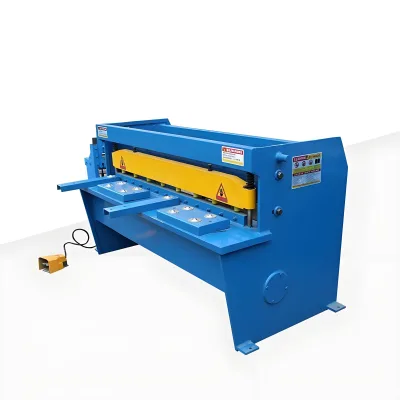
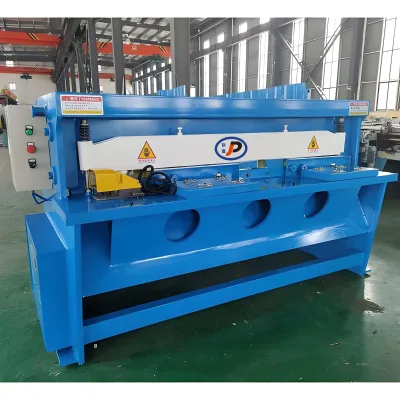
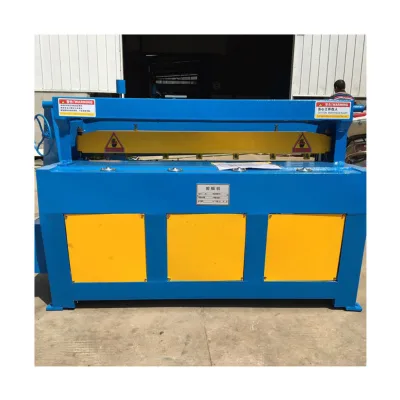
Perfect Electric Shearing Machine Copper Shearing Machine Chinese Manufacturers
$11900.00 - $99000.00
MOQ: 1 Pieces





Comprehensive Sourcing Guide
Electric Circular Shearing Machine Sourcing Guide
Sourcing electric circular shearing machines requires a clear understanding of the specific cutting geometry and material thickness capabilities that define industrial efficiency. Buyers must distinguish between standard straight-guillotine shears and specialized circular variants designed for inner or outer round cutting tasks. The observed market signals indicate a strong presence of CNC hydraulic systems, which offer precision control for complex geometries. These machines are often engineered for stainless steel and iron materials, with maximum cutting thicknesses ranging from 12 mm to 20 mm depending on the model configuration. Understanding these baseline capabilities is essential for aligning machine selection with production volume and material constraints.
Procurement decisions should also account for the automation level and control systems integrated into the equipment. Listings show a mix of semi-automatic and fully automatic options, with CNC systems providing enhanced productivity and repeatability. The throat depth and maximum shearing width are critical dimensions that dictate the size of the workpiece that can be processed. For instance, some models support a maximum shearing width of 4000 mm, while others are optimized for smaller, high-precision circular cuts with diameters ranging from 100 mm to 800 mm. Evaluating these physical constraints ensures that the selected machine fits within the existing factory floor layout and meets the specific dimensional requirements of the intended manufacturing processes.
Product Scope and Observed Listing Signals
The current market landscape for electric circular shearing machines reveals a diverse range of specifications tailored to different industrial needs. Observed listings highlight models such as the QC11Y series, which vary significantly in power output and physical dimensions. Some units are equipped with 15 kW main motors, while heavier-duty variants feature 30 kW motors to handle thicker materials or higher throughput demands. The weight of these machines also varies considerably, with some compact units weighing around 120 kg and larger industrial models tipping the scale at 23,000 kg. This disparity underscores the importance of verifying the machine's footprint and power requirements against the buyer's facility infrastructure before finalizing a purchase.
Condition and warranty terms are consistent indicators of supplier confidence and product longevity in this sector. Most observed listings offer new machines with warranty periods ranging from one to three years, reflecting the varying quality tiers available. Customization is frequently available, allowing buyers to tailor backgauge travel and other operational parameters to their specific workflow. The presence of export wooden box packing suggests that suppliers are prepared for international shipping, which is a critical consideration for global procurement. Buyers should carefully review these commercial signals to ensure that the machine's physical attributes and support terms align with their operational timeline and budgetary constraints.
Technical Specifications to Verify
Verifying the technical specifications of an Electric Circular Shearing Machine is paramount to ensuring it meets production demands. Key parameters to validate include the maximum shearing thickness, which can range from 12 mm to 20 mm, and the maximum shearing width, which may extend up to 4000 mm. The voltage requirements are another critical factor, with options including 380V 50Hz 3-phase, 220V, or multi-voltage configurations like 220/380/400/415V. Buyers must ensure that their facility's power supply matches the machine's electrical specifications to avoid operational disruptions or damage to the core components, such as the motor and control system.
The control system and automation level significantly impact the machine's usability and precision. Models equipped with CNC systems, such as the E21 Simple System, offer enhanced control over cutting parameters, which is essential for consistent quality in circular cutting applications. The backgauge travel, which can range from 20 mm to 800 mm, allows for precise positioning of the material before cutting. Additionally, the throat depth, typically between 100 mm and 150 mm, determines the accessibility of the cutting area. Buyers should request detailed technical drawings and performance data to confirm that these specifications align with their specific material handling and cutting accuracy requirements.
Compliance and Safety Documentation
Compliance with international safety and quality standards is a non-negotiable aspect of sourcing industrial machinery. Certifications such as ISO 9001 and CE are commonly cited in product listings, indicating that the manufacturer adheres to recognized quality management and European safety directives. Buyers should request copies of these certificates to verify their validity and ensure they cover the specific model being purchased. The presence of a machinery test report is another positive indicator, providing evidence that the machine has undergone rigorous performance testing before shipment. This documentation is crucial for mitigating risks associated with equipment failure or safety hazards in the workplace.
Safety features and operational safeguards should be explicitly detailed in the product documentation. Buyers must ensure that the machine includes appropriate guards, emergency stop mechanisms, and interlocks to protect operators during the shearing process. The core components, particularly the motor, should be sourced from reputable manufacturers to ensure reliability and compliance with electrical safety standards. Additionally, the warranty terms, which may range from one to three years, should clearly outline the coverage for both parts and labor. Understanding the scope of the warranty and the supplier's support infrastructure is essential for maintaining long-term operational continuity and minimizing downtime due to mechanical issues.
Cost Drivers and Commercial Terms
The cost of an Electric Circular Shearing Machine is influenced by several key factors, including motor power, automation level, and material construction. Higher power motors, such as 30 kW units, and CNC-controlled systems typically command higher prices due to their enhanced capabilities and precision. The weight and size of the machine also contribute to the overall cost, as larger and heavier units require more robust materials and complex manufacturing processes. Buyers should analyze the total cost of ownership, including energy consumption and maintenance requirements, rather than focusing solely on the initial purchase price. This holistic approach ensures that the selected machine offers the best value over its operational lifespan.
Commercial terms, including payment structures and lead times, play a significant role in the procurement process. Standard payment terms often involve a 30% deposit and a 70% balance upon completion or before shipment, which helps mitigate financial risk for both parties. Lead times can vary, with some suppliers offering delivery within 35 days, while others may require longer periods depending on customization needs. Buyers should negotiate clear delivery schedules and penalty clauses for delays to ensure timely project completion. Additionally, the packaging method, such as export wooden boxes, should be confirmed to prevent damage during transit, which could lead to additional costs and delays.
Supplier Qualification and Quality Control
Qualifying suppliers of electric circular shearing machines requires a thorough assessment of their manufacturing capabilities and quality control processes. Buyers should verify the supplier's production capacity, technical expertise, and after-sales support infrastructure. The place of origin, such as Shanghai or Guangdong in China, can provide insights into the supplier's industrial ecosystem and supply chain efficiency. Requesting references from previous clients and conducting site visits, if possible, can help validate the supplier's claims regarding production quality and delivery reliability. This due diligence is essential for establishing a trustworthy partnership that supports long-term procurement goals.
Quality control measures should be integrated into the procurement process to ensure that the delivered machine meets the specified standards. Buyers should request detailed inspection reports and machinery test results before shipment to verify performance and safety compliance. The warranty terms, which may range from one to three years, should be clearly defined and include provisions for spare parts and technical support. Additionally, buyers should confirm the supplier's ability to provide training and maintenance services to ensure optimal machine operation. Establishing clear communication channels and service level agreements with the supplier is crucial for addressing any issues that may arise during the machine's operational life.
Long-Term Procurement Checks
Long-term procurement success depends on establishing robust maintenance and support protocols for electric circular shearing machines. Buyers should develop a comprehensive maintenance schedule that includes regular inspections, lubrication, and component replacements to prevent unexpected failures. The availability of spare parts, particularly for core components like the motor and control system, is critical for minimizing downtime. Suppliers should be evaluated based on their ability to provide timely access to genuine parts and technical assistance. Building a strong relationship with the supplier ensures that any operational issues can be resolved quickly, maintaining production efficiency and product quality.
Continuous improvement and technology upgrades are also important considerations for long-term procurement. As manufacturing technologies evolve, buyers should stay informed about advancements in shearing machine capabilities, such as improved CNC systems or energy-efficient motors. Regularly reviewing the machine's performance against production metrics can help identify opportunities for optimization and efficiency gains. Additionally, buyers should monitor changes in industry standards and regulations to ensure ongoing compliance. By proactively managing the machine's lifecycle and staying engaged with the supplier, buyers can maximize the return on investment and sustain competitive advantage in their manufacturing operations.
FAQs
What is the maximum cutting thickness for this machine?
The maximum cutting thickness is 12 mm for the standard model and up to 20 mm for the heavy-duty variant. These specifications ensure the equipment handles various steel plate requirements effectively. Buyers should verify the specific model number to confirm the exact thickness capacity before placing an order.
Can the machine be customized for specific needs?
Yes, customization is available for this Electric Circular Shearing Machine. Manufacturers offer tailored solutions to meet unique production requirements. This flexibility allows buyers to adapt the equipment to their specific workflow. It is advisable to discuss detailed specifications with the supplier to ensure the custom features align with operational goals.
What is the lead time for delivery?
The typical lead time for delivery is 35 days. This duration applies to most standard orders processed by the manufacturer. Buyers should account for this timeframe when planning their production schedules. It is recommended to confirm the exact delivery date with the supplier at the time of purchase to avoid any potential delays.
What certifications does the machine hold?
The machine holds ISO 9001 and CE certifications. These certifications indicate compliance with international quality and safety standards. Buyers can rely on these credentials for regulatory compliance in their respective markets. It is important to verify the specific certification documents provided by the supplier to ensure they meet local requirements.
What is the warranty period for the equipment?
The warranty period ranges from 1 to 3 years depending on the model. Standard models typically offer a 1-year warranty, while advanced variants may provide up to 3 years. This coverage helps protect the buyer's investment. Buyers should review the warranty terms carefully to understand what components are covered and for how long.
What is the voltage requirement for operation?
The machine operates on 380V 50Hz 3-phase power for standard models. Some variants support 220/380/400/415V options. Buyers must ensure their facility has the correct electrical infrastructure. It is crucial to match the machine's voltage requirements with the available power supply to prevent operational issues or damage.