Source High Precision 2x72 Belt Grinder for knife making, sharpening, polishing
Compare 30 High Precision 2x72 Belt Grinder options from verified Chinese suppliers. Buyers can evaluate specifications like 1.5kW power, 220V voltage, and 2800r/min speed for applications in knife making, tool sharpening, and metal polishing; compare the available evidence and request quotations based on your requirements.
Updated
Key considerations
Products List


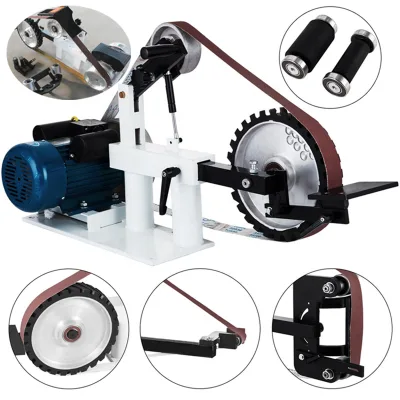
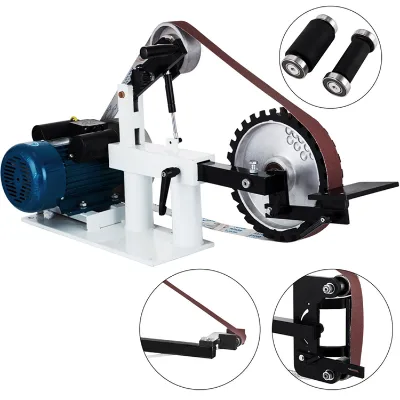
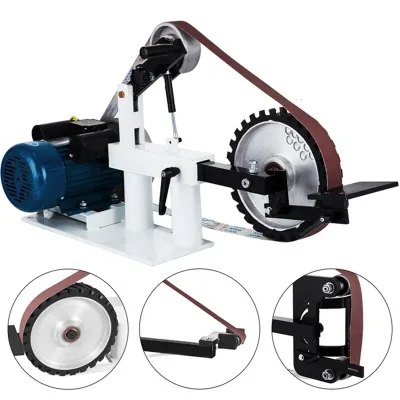
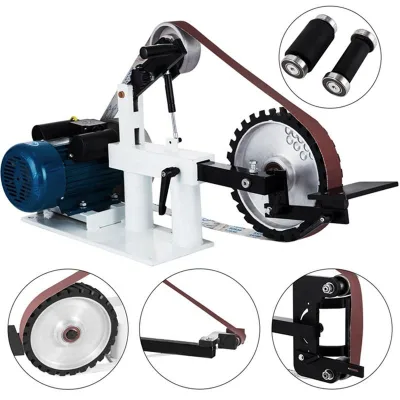

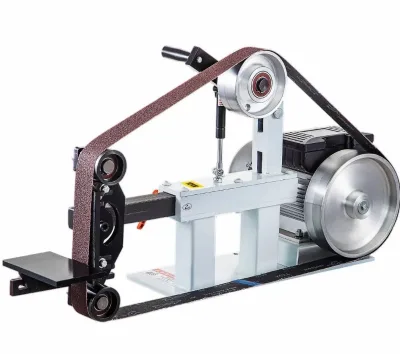
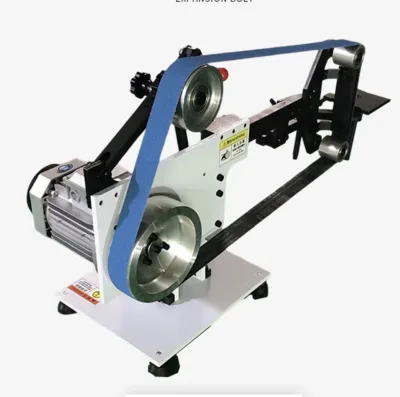
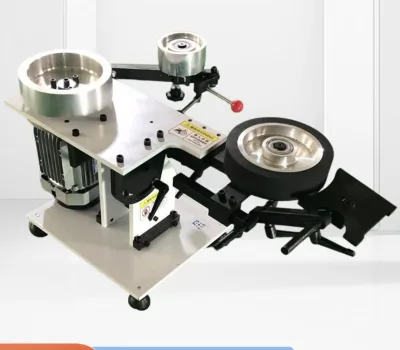


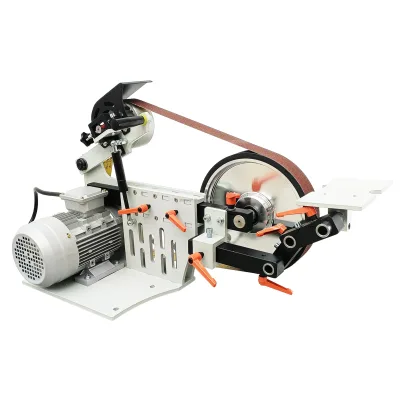
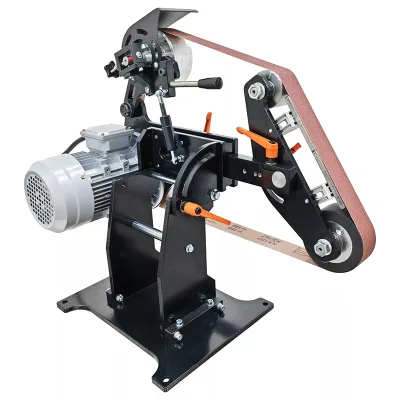
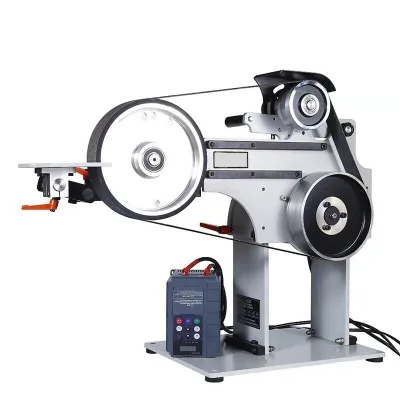
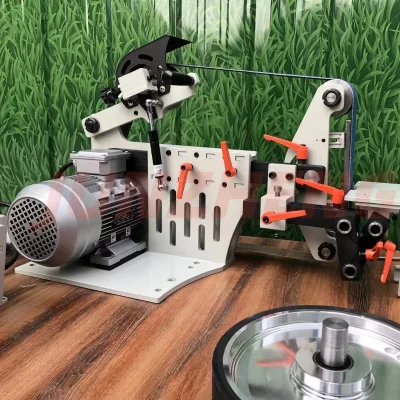
2X72 Belt Grinder Knife Making Variable Speed Belt Sander for Metal Grinding
$900.00 - $1100.00
MOQ: 1 Sets


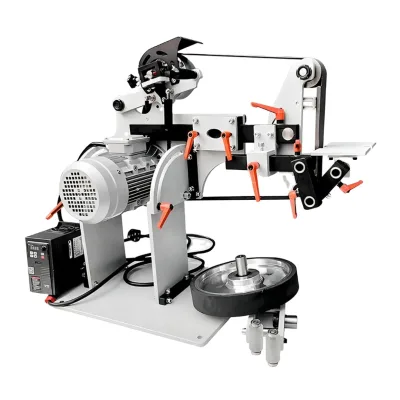
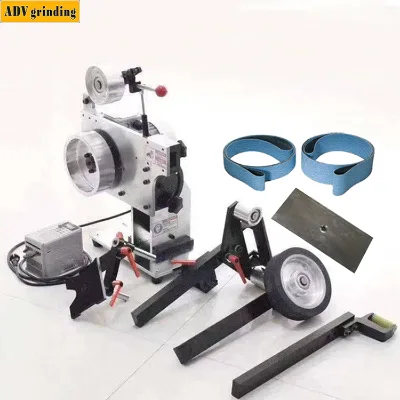
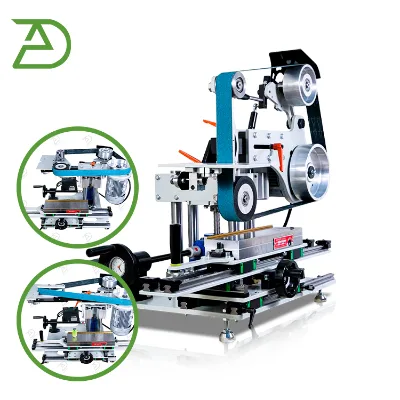
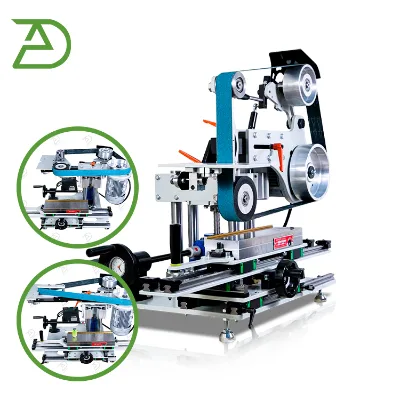
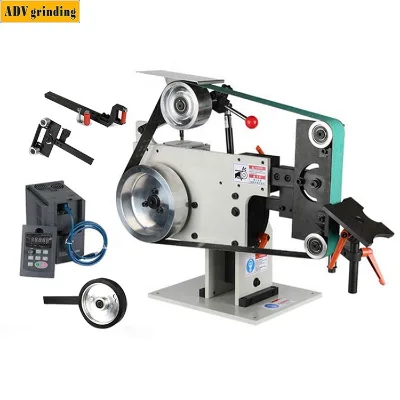
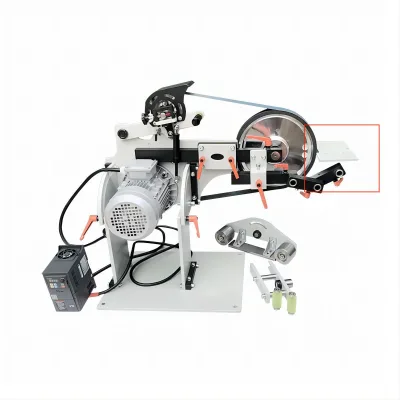
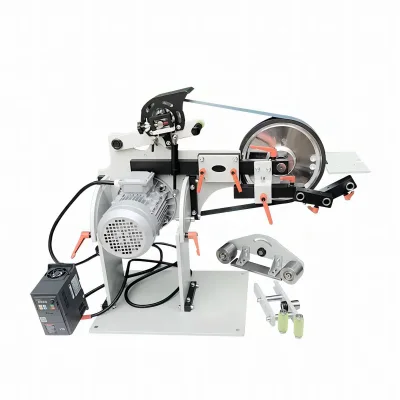
Comprehensive Sourcing Guide
High Precision 2x72 Belt Grinder Sourcing Guide
Procuring a High Precision 2x72 Belt Grinder requires careful evaluation of machine stability, belt tracking accuracy, and motor consistency. Buyers must distinguish between general-purpose sanding units and specialized tools designed for knife making or metal finishing. The observed market listings indicate a strong presence of semiautomatic models originating from Henan, China, which often balance cost-efficiency with essential operational features. Understanding the specific mechanical configuration is critical before initiating any supplier engagement or requesting detailed quotations.
The term "2x72" refers to the belt dimensions, typically indicating a 2-inch width and 72-inch length, which is a standard size for versatile grinding applications. However, listings also show variations such as 50mm belt widths and different wheel sizes ranging from 1800mm to 2100mm. Buyers should verify if the machine supports both flat and cylindrical grinding, as some units are marketed as universal cylindrical grinders while others are strictly belt grinders. Clarifying these mechanical distinctions prevents purchasing errors and ensures the equipment matches the intended production workflow.
Product Scope and Observed Listing Signals
Current market data reveals a diverse range of belt grinding machines, with prices observed between 350 and 1250 USD. The minimum order quantity (MOQ) typically ranges from 1 to 5 units, suggesting that suppliers are open to single-unit purchases for testing or small-scale operations. Many listings highlight "Easy to Operate" and "Competitive Price" as key selling points, appealing to small workshops and independent craftsmen. Buyers should note that while some units are labeled as "CNC," the majority are described as having normal or artificial controlling modes, indicating manual operation rather than automated computer numerical control.
Product attributes vary significantly across listings, with weights ranging from 65kg to 220kg, reflecting differences in frame construction and motor power. Some machines are marketed specifically for knife making, leather edge grinding, or metal plate sanding, while others are described more generically as abrasive flat belt grinding machines. The presence of "Wooden Packing" and "Wooden Package" indicates standard export-ready packaging, which is crucial for protecting the machinery during international shipping. Buyers must carefully review these descriptive tags to ensure the machine’s physical footprint and weight align with their facility’s capacity and logistics planning.
Technical Specifications to Verify
Motor power is a critical specification, with observed listings showing a consistent 1.5kw power rating for many units. The operating speed is frequently listed at 2800r/Min, which is suitable for general grinding and polishing tasks. Buyers should verify if the voltage requirement matches their local infrastructure, as 220V is commonly cited, though some entries mention "SHARE" voltage, which may indicate adaptability or unclear specifications. Confirming the exact voltage and frequency requirements is essential to prevent electrical incompatibility issues upon installation.
The belt width is another vital technical parameter, with some listings specifying a 50mm width, which differs from the standard 2-inch (approximately 50.8mm) width implied by the "2x72" designation. Buyers must confirm whether the machine accepts standard 2x72 belts or requires custom 50mm belts, as this affects ongoing consumable costs and availability. Additionally, the core components often include a motor, but the quality and brand of this component are rarely specified in basic listings. Requesting detailed technical drawings and motor specifications from the supplier is necessary to assess long-term durability and performance consistency.
Compliance and Safety Documentation
Certification status is a primary concern for international buyers, with CE certification explicitly mentioned in several product attributes. This indicates that some suppliers claim compliance with European health, safety, and environmental protection standards. However, buyers should not assume all listed units possess valid CE certification without requesting official documentation. Verifying the authenticity of the CE mark and ensuring it covers the specific model being purchased is crucial for legal importation and operational safety in regulated markets.
Safety features and operational controls should be thoroughly reviewed, as many machines are described as having "Artificial" controlling modes, implying manual operation. Buyers must ensure that emergency stop buttons, belt guards, and dust collection ports are included as standard features. The "Easy to Operate" claim suggests user-friendly interfaces, but this does not replace the need for comprehensive safety manuals. Requesting video outgoing inspections can provide visual confirmation of the machine’s condition and safety features before shipment, reducing the risk of receiving defective or unsafe equipment.
Cost Drivers and Commercial Terms
The observed price range of 350 to 1250 USD reflects variations in build quality, motor specifications, and included accessories. Buyers should analyze what is included in the base price, such as grinding belts, tools, or dust collection systems. Some listings highlight "Eco-Friendly" attributes, which may relate to noise reduction or dust management, potentially affecting the overall value proposition. Understanding the total cost of ownership, including consumables and maintenance, is essential for accurate budgeting.
Commercial terms such as MOQ and lead times are not explicitly detailed in the provided data, but the 1-5 unit MOQ suggests flexibility for small orders. Buyers should negotiate clear terms regarding shipping, insurance, and warranty coverage. The standard warranty period mentioned is 1 Year, which is typical for this category of machinery. However, buyers must clarify what components are covered and whether on-site support or remote troubleshooting is included. Clear communication regarding these terms prevents unexpected costs and ensures adequate support after purchase.
Supplier Qualification and Quality Control
Supplier verification is critical, as many listings originate from Henan, China, a known manufacturing hub for machinery. Buyers should assess the supplier’s production capacity, quality control processes, and export experience. The mention of "video outgoing inspection" provided by suppliers is a positive indicator, allowing buyers to visually verify the machine’s condition before payment. However, buyers should also request detailed photos of the motor, belt tracking mechanism, and frame construction to assess build quality.
Quality control should extend beyond visual inspection to include functional testing. Buyers should inquire about pre-shipment testing procedures, such as belt tracking accuracy, motor stability, and noise levels. The "Precision" attribute listed in some products suggests a focus on accuracy, but this must be validated through technical specifications or customer reviews. Engaging with suppliers who provide transparent communication and detailed technical support is essential for ensuring a successful procurement outcome and long-term operational reliability.
Long-Term Procurement Checks
After initial purchase, buyers should monitor the machine’s performance over time, focusing on belt wear, motor heat, and tracking stability. The 1.5kw motor and 2800r/Min speed should be evaluated under load to ensure consistent performance. Regular maintenance, including belt replacement and lubrication, is necessary to maintain precision and extend the machine’s lifespan. Buyers should establish a relationship with the supplier for ongoing support and spare parts availability, particularly for consumables like abrasive belts.
Feedback from actual usage should be documented to inform future procurement decisions. Comparing the received machine’s performance against the initial specifications helps identify any discrepancies or areas for improvement. Buyers should also stay informed about market trends and new technologies in belt grinding machinery. Continuous evaluation of supplier performance and product quality ensures that procurement strategies remain aligned with operational needs and industry standards, supporting long-term business success.
FAQs
What is the voltage requirement for the 2x72 belt grinder?
The machine operates on 220V power supply. This standard voltage ensures compatibility with common workshop electrical systems. The unit features a 1.5kw motor for consistent performance. It is designed for efficient operation in various industrial settings. Buyers should verify local electrical standards before installation to ensure safe and effective use of the equipment.
Can the belt grinder be customized for specific needs?
Yes, customization is available for this belt grinder machine. Buyers can request specific modifications to suit their production requirements. The supplier offers flexible options to adapt the tool grinding machine. This service allows for tailored solutions in metal or leather processing. Contact the manufacturer directly to discuss your unique customization needs and specifications.
What certification does the high precision grinder hold?
The grinder holds CE certification for safety and compliance. This mark indicates adherence to European health, safety, and environmental protection standards. It ensures the machine meets rigorous quality benchmarks for industrial use. Buyers can rely on this certification for regulatory compliance in many regions. The CE mark is a key indicator of the product's quality and safety.
What is the warranty period for the belt grinder?
The product comes with a 1-year warranty coverage. This warranty protects buyers against manufacturing defects and operational issues. It provides peace of mind for the initial period of use. The warranty covers core components like the motor for reliability. Buyers should retain proof of purchase to validate the warranty terms effectively.
How is the machine packed for shipping?
The belt grinder is packed in a wooden package. This sturdy packaging protects the machine during transit and handling. It ensures the equipment arrives in pristine condition without damage. The wooden packing is suitable for international shipping requirements. Buyers can expect secure packaging that safeguards the machine's precision and functionality.
What is the weight of the 2x72 belt grinder?
The machine weighs approximately 65kg to 94kg depending on the model. This weight range indicates a stable and robust construction. Heavier units offer better vibration dampening during grinding operations. Buyers should consider the weight for floor loading and mobility needs. The specific weight varies slightly based on the exact configuration and components.