Bow Deformation Correction Stamping Machine Suppliers and Manufacturers
Source 10 verified suppliers for bow deformation correction stamping machines. Compare key dimensions including motor power, nominal force, and warranty terms. Review factory locations in Guangdong and Zhejiang to identify suitable partners for your production needs; review the available evidence before requesting comparable quotations from suitable candidates.
Updated
Suppliers List
Dongguan Jianlong Hydraulic Machinery Co., Ltd.
- Manufacturer, Trading Company
- Guangdong, China
- Lead time7 days
- Avg. response≤ 1h
Main productsHydraulic press,Automated production line,Metal stamping die,Metal stamping die,Forging press
Main marketsDomestic Market(50.00%), Southeast Asia(10.00%), North America(8.00%), South Asia(7.00%), South America(6.00%), Mid East(5.00%), Africa(4.00%), Southern Europe(3.00%), Western Europe(3.00%), Eastern Europe(2.00%), Eastern Asia(2.00%)
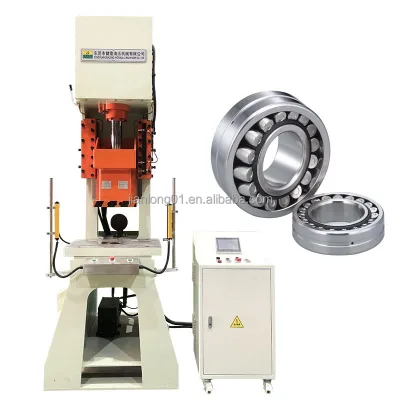
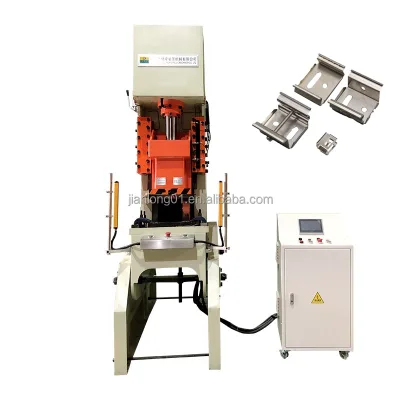
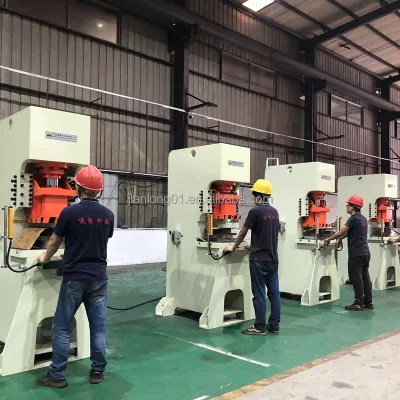
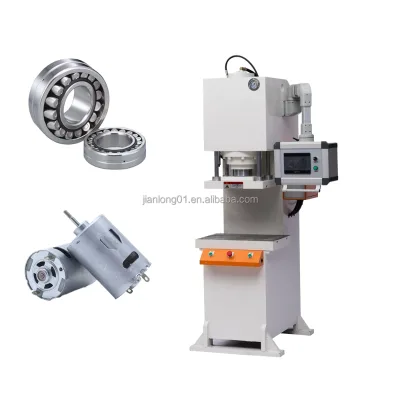
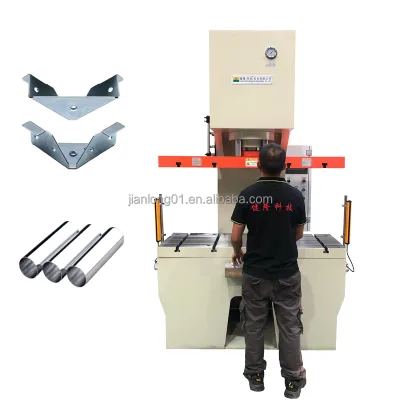
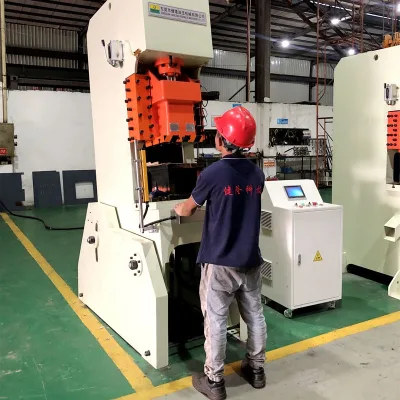
$4969.2135 - $6004.4664
MOQ: 1 Minimum
Yiwu Jinfu Machinery Co., Ltd.
- Trading Company
- Zhejiang, China
- Lead time0 days
- Avg. response≤ 1h
Main productstube shrink machine,tube punching machine,hose crimping machine,hose cutting machine,tube end form machines
Main marketsWestern Europe(20.00%), North America(20.00%), South America(15.00%), Eastern Europe(10.00%), South Asia(5.00%), Southern Europe(5.00%), Northern Europe(5.00%), Central America(5.00%), Southeast Asia(5.00%), Mid East(5.00%), Africa(5.00%)

- Verified by TUVRHEINLAND
- Manufacturer/Factory
- China Fujian
- Lead time15 days
- Avg. response≤ 4h
Main productsRigid Box Making Machine, Collapsible Box Making Machine, Slipcase Making Machine, Box Assembly Machine, Hard Cover Making Machine, Round Box Making Machine
Main marketsEastern Europe,Mid East,Southeast Asia,Eastern Asia,Western Europe


Automatic Hydraulic Stamping Machine Embossing Machine High Speed and Nice Quality
$23500.00 - $24000.00
MOQ: 1 set

Dongguan Yiqi Machinery Co., Ltd.
- Verified by TUVRHEINLAND
- Combined
- China Guangdong
- Lead time30 days
- Avg. response≤ 1h
Main productsHydraulic Press, Four Column Hydraulic Press, C Frame Hydraulic Press, Hydraulic Hot Press, Servo Press, Servo Hydraulic Press, Pneumatic Press, CNC Hydraulic Press, Hot Forming Machine, Punching Press Machine
Main marketsSouth America,Southeast Asia/ Mideast,East Asia(Japan/ South Korea),North America

Bow Shaped Single Arm C-Type Hydraulic Press Machine for Metal Stamping
$7500.00 - $19000.00
MOQ: 1 set

Bending Machine with Hydraulic Press for Forming, Embossing, and Stamping
$5200.00 - $13500.00
MOQ: 1 set

Nanjing Harsle Machine Tool Co., Ltd.
- Combined
- China Jiangsu
- Lead time30 days
- Avg. response≤ 1h
Main productsShearing Machine, Punching Machine, Bending Machine, Rolling Machine, Machine Die, Machine Blade, Hydraulic Press
Main marketsSouth America,Africa,Others(foreignTradeCapacity.exportBusinessCapacityMarketOther),Southeast Asia/ Mideast,East Asia(Japan/ South Korea),Domestic,Europe,Australia,North America
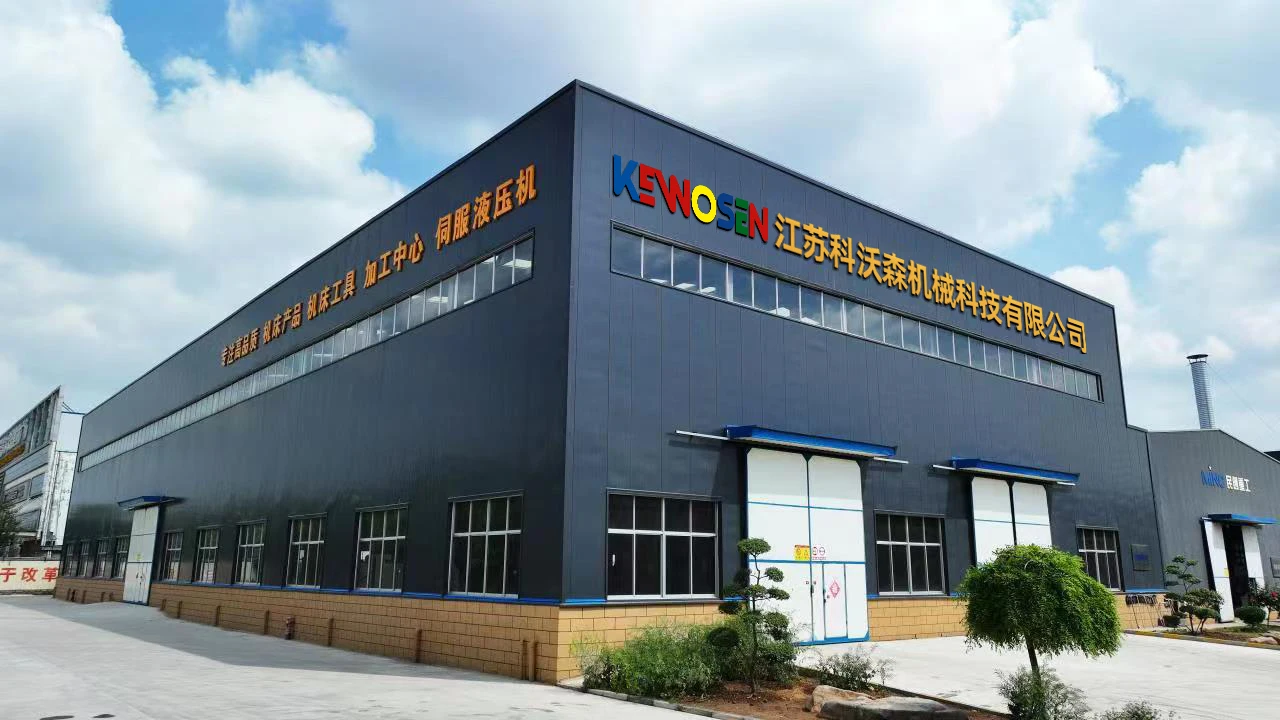
Jiangsu Kewosen Machinery Technology Co., Ltd.
- Trading Company
- Jiangsu, China
- Lead time0 days
- Avg. response≤ 2h
Main productshydraulic press,punch press,deep drawing hydraulic press,H Frame Gantry hydraulic press,hydraulic baler machine
Main marketsSoutheast Asia(50.00%), South Asia(25.00%), Eastern Europe(25.00%)

Dongying Besco Machine Tool Limited
- Verified by TUVRHEINLAND
- Combined
- China Shandong
- Lead time30 days
- Avg. response≤ 4h
Main productsPunching Machine, Nc Servo Feeder System, Mechanical Power Press, Aluminum Foil Container Production Line, Aluminum Bottle Cap Production Line, Pneumatic Punching Machine, Punching Machine Metal Production Line, Stamping Mould, Press Brake, CNC Laser Cutting Machine
Main marketsSouth America,Africa,Others(foreignTradeCapacity.exportBusinessCapacityMarketOther),Southeast Asia/ Mideast,Europe


Customized High Precision Stainless Steel Stamping Metal Parts Production Machine
$19900.00 - $20000.00
MOQ: 1 set


Shandong Hengding Hydraulic Co., Ltd
- Trading Company
- China Shandong
- Lead time0 days
- Avg. response≤ 22h
Main productsHydraulic Cylinder, Hydraulic Power Unit, Hydraulic Press, Hydraulic Spare Parts


Hydraulic Press Machine High-Pressure Metal Stamping, Forming & Deep Drawing Machine
$100.00 - $10000.00
MOQ: 1 Pieces

Hydraulic Press Machine Metal Forming Stamping Bending Deep Drawing Gantry Press
$100.00 - $10000.00
MOQ: 1 Pieces
Zhejiang Jinaolan Machine Tool Co., Ltd.
- Verified by TüVRheinland
- Manufacturer, Trading Company
- Lead time60 days
Main productsPneumatic Power Press, Servo Press, Link Motion Press, Eccentric Press, High Speed Press
Main marketsDomestic Market(65%), Southeast Asia(14%), Eastern Europe(5%)
Dongying Besco Machine Tool Limited
- Verified by SGS Group
- Manufacturer, Trading Company
- Lead time30 days
- Avg. response≤ 2h
Main productsPunching Machine, Automatic Metal Stamping Production Line, Stamping Feeder System, Stamping Die, Hydraulic Press Machine
Main marketsDomestic Market(27%), Eastern Europe(20%), North America(15%)
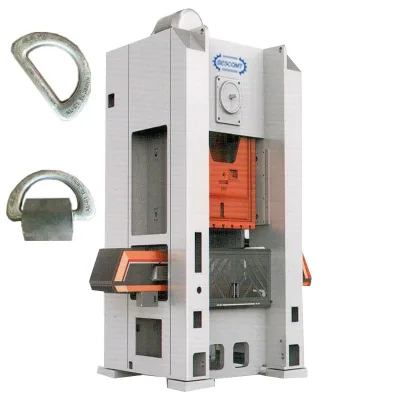
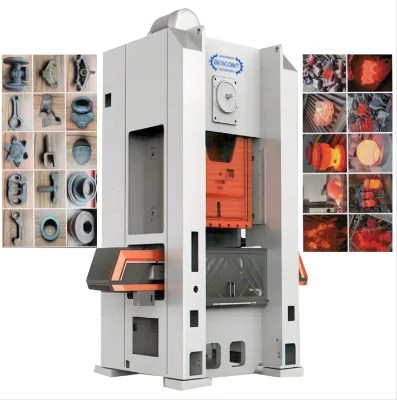
High Precision Pneumatic Forging Press Machine for Metal Stamping With C Frame Structure
$19000.00 - $20000.00
MOQ: 1 sets


Comprehensive Sourcing Guide
Bow Deformation Correction Stamping Machine Supplier Concentration and Factory Types
Suppliers of bow deformation correction stamping machines in the current search results are concentrated in China, with Guangdong and Zhejiang appearing as listed locations. Guangdong-based listings in this category describe manufacturers and trading companies whose main products include hydraulic presses, automated production lines, metal stamping dies, and forging presses — a portfolio closely aligned with bow-type C-frame correction and stamping equipment. This clustering matters because hydraulic press manufacturing tends to concentrate where die-making, machining, and component supply chains already exist, allowing suppliers to offer both machines and tooling support.
When the search page does not reveal a cluster for your variation of the machine, identify one yourself before shortlisting. Search the exact model naming conventions — bow-shaped, C-type, four-column, single-arm — and note which regions appear repeatedly across independent listings. Cross-check supplier addresses against industrial zones known for machine tool equipment, and prefer areas where punching machine and hydraulic press categories dominate the local product mix.
Factory types in this category split into three profiles: direct manufacturers who build presses under their own brand names, trading companies that consolidate machines from several factories, and hybrid firms operating as both. Listings reviewed here show brand-named models alongside trading-company registrations, so ask each candidate directly whether they manufacture or resell. A manufacturer can usually customize nominal force, slide stroke, and automation configuration; a trader may offer broader model selection but less control over lead time and after-sales engineering support.
How to Verify Bow Deformation Correction Stamping Machine Suppliers
Verification starts with the supplier's own documentation. Several listings in this category state that a machinery test report is provided and that video outgoing-inspection is available; treat both as baseline requirements rather than differentiators. Ask each shortlisted supplier to confirm in writing whether these apply to your specific model and tonnage, because test reports listed against one product do not automatically extend to every machine in a catalog. Request the test report for the exact model number you intend to buy, and ask for a live video inspection showing the machine running under load before shipment.
Company type claims also need confirmation. Some listings identify the seller as both a manufacturer and a trading company, which is legitimate but changes what you should verify: a manufacturer should be able to show factory photos, production floor video, and their brand name on the machine nameplate, while a trader should disclose the underlying factory and allow you to contact it for technical questions. Confirm the place of origin stated in product attributes against the company's registered address, since both Guangdong and Zhejiang origins appear across this category.
Verification of technical claims matters most with this machine type. Listings advertise accuracy figures, energy-saving percentages, and service-life advantages; ask for the measurement basis behind each number. Verify warranty scope in writing — one-year and two-year warranties both appear in this category — and clarify whether site installation, commissioning, and remote technical training are included or billed separately before you sign.
What to Compare Across Bow Deformation Correction Stamping Machine Suppliers
Build a comparison table using the dimensions displayed on supplier pages, but do not assume every supplier shows every attribute. In the current results, lead time is displayed for some suppliers — one Guangdong listing shows seven days, while a Zhejiang trading company shows a lead-time value of zero, which likely means undisclosed rather than instant. Record the number only where the supplier explicitly states it, and request written confirmation for everything else. Response time likewise appears for some sellers — one listing shows a one-hour response — so test it yourself by sending identical technical inquiries to all candidates and timing replies.
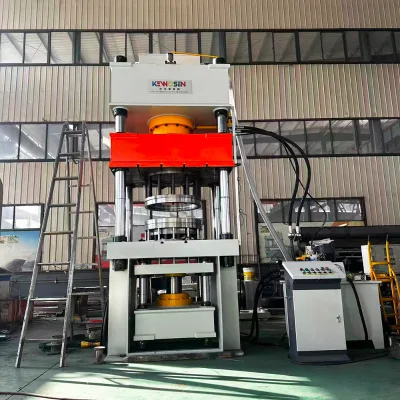
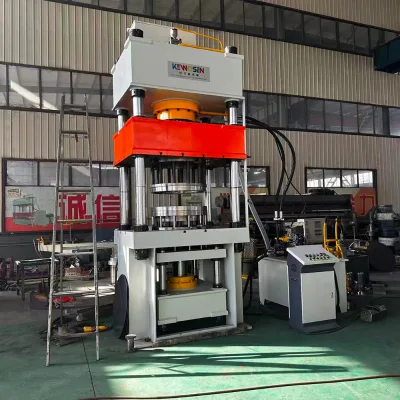
Compare product specifications on the same axes. This category spans a wide force range: listings show nominal forces from 10 kN up to 1,000 kN, motor powers from 2.2 kW to 22 kW, machine weights from 0.35 to 7.5 tonnes, and slide strokes of 160 mm and 300 mm. Match these against your correction workpiece, not just tonnage. Note which machines are servo-driven versus standard hydraulic, whether CNC control is included or the unit is "normal," and whether the supplier can configure an automated production line around the press.
Also compare commercial attributes: minimum order quantity (one listing shows an MOQ of 1), warranty length, whether moulds can be supplied, and the main product line — a supplier whose main products are tube punching and hose machines may be a weaker fit for bow-type correction presses than one listing stamping dies and forging presses.
Common Bow Deformation Correction Stamping Machine Sourcing Risks
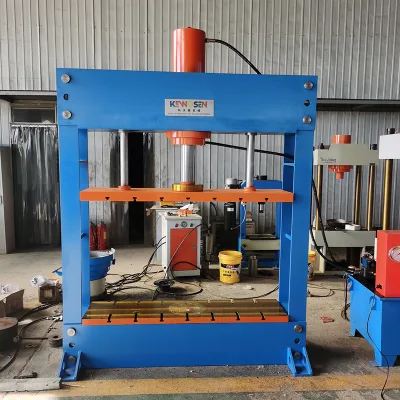
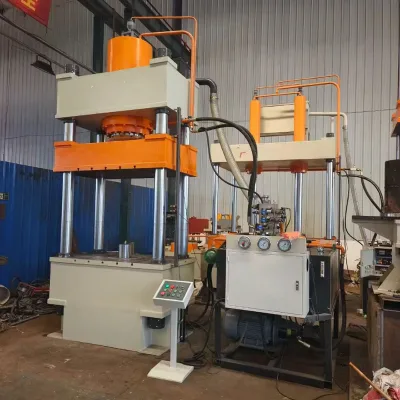
The most common risk in this category is specification mismatch disguised by similar product names. Listings mix bow-shaped C-type machines, four-column three-beam presses, single-arm forming machines, and stretching presses under overlapping keywords. A buyer searching for a bow deformation correction machine may be quoted a general-purpose C-frame press that lacks the correction rigidity or return-force capability needed. One listing explicitly shows a return force of 200 kN and a servo system; ask every candidate whether their machine provides comparable return-force characteristics, because correction work often depends on it.
Packaging and shipping data present a second risk. Some listings show single gross weights of 10 kg or 0 kg and package sizes of 30 cm despite machine weights of 0.35 to 7.5 tonnes — clearly placeholder data. Never rely on listed package dimensions for freight quotations; require an actual packing specification from the supplier, including crated weight, footprint, and whether the machine ships fully assembled or disassembled.
A third risk is overreliance on marketing attributes. Claims such as 0.02 mm accuracy, 25–50% energy savings, or a service life several years longer than ordinary models are frequently unverifiable from a listing alone. Ask for the measurement method, operating conditions, and any test evidence. Finally, voltage mismatch is a practical but frequent problem: listings show 220/380 V and customized options including 415 V and 440 V, so confirm the electrical configuration matches your facility before ordering, and clarify who bears rework cost if it does not.
Bow Deformation Correction Stamping Machine Regional Sourcing and Logistics
The two regions represented in the current results, Guangdong and Zhejiang, support different sourcing angles. The Guangdong listings are dominated by hydraulic press and stamping machinery products, with several suppliers offering automated production line configuration and mould supply — useful if your correction process must integrate into a larger stamping line. The Zhejiang listing centers on tube processing machines, including tube punching and hole pressing equipment, which is relevant if your correction work involves pipe or tube workpieces rather than sheet metal. Treat region as a filter for product fit, not as a proxy for quality.
Logistics planning for these machines hinges on weight and crating. Machines in this category range from roughly 0.35 tonnes to 7.5 tonnes, so freight mode will vary: lighter C-frame units may consolidate with other cargo, while heavier four-column presses typically require dedicated handling. Because listing packaging data is unreliable, obtain a confirmed packing list early. Also confirm Incoterms and which party arranges inland haulage from the factory to the port, since press machinery often needs lift-gate delivery or crane unloading.
Lead-time planning requires direct confirmation. A seven-day lead time appears for one Guangdong supplier, but customized force ratings, servo systems, or automated line integration will extend production. Ask each supplier to separate stock-model lead time from customized-order lead time in writing, and confirm the warranty start date — one year or two years depending on supplier — begins at shipment or at commissioning.
Bow Deformation Correction Stamping Machine Commercial Terms and Order Planning
Order planning should begin with quantity and MOQ alignment. This category shows MOQs as low as one unit in the available listings, which suits buyers validating a single machine before scaling. Use that low-entry structure deliberately: order one machine, run it through installation and commissioning under the supplier's remote technical training or site support offering, and only then negotiate volume pricing. Ask whether multi-unit orders change warranty terms, spare-parts packages, or lead time.
Commercial terms to nail down in the proforma invoice include: exact model number and nominal force; voltage configuration; whether moulds are supplied and at what cost; machinery test report and video inspection commitments; warranty duration and coverage; and after-sales scope, since one listing bundles site installation, commissioning, and remote training while others may charge separately. Where a supplier advertises competitive pricing without a firm figure, request a written quotation valid for a defined period, because hydraulic steel and component costs fluctuate.
Payment protection matters especially with trading-company suppliers. Ask whether transactions can run through a platform escrow mechanism, and if so, tie milestone releases to inspection checkpoints — factory acceptance video, pre-shipment test report, and arrival confirmation. For customized servo or four-column configurations, agree on a detailed technical datasheet as an annex to the contract, covering slide stroke, return force, motor power, and control type, so that acceptance criteria are objective. Plan a spare-parts and consumables schedule — seals, filters, hydraulic fluid — at order time rather than after the first breakdown.
(Word count: approximately 1,395)
FAQs
What is the typical lead time for these machines?
Manufacturers in Guangdong, China typically offer a lead time of 7 days for production and delivery. This timeframe applies to standard configurations of hydraulic and servo-driven bow deformation correction stamping machines. Buyers should confirm specific delivery schedules with the supplier to ensure alignment with project deadlines and logistics planning.
What is the minimum order quantity for these machines?
The minimum order quantity is generally 1 unit for these stamping machines. This low MOQ allows buyers to purchase single units for testing or small-scale production needs. It is suitable for businesses looking to integrate automated production lines or specific hydraulic press equipment without committing to large bulk orders.
What is the response time for supplier inquiries?
Suppliers typically respond to inquiries within 1 day. This rapid response ensures that buyers receive timely information regarding pricing, specifications, and availability. Quick communication helps streamline the sourcing process for hydraulic presses and metal stamping dies, allowing for faster decision-making and negotiation of competitive prices for industrial machinery.
What warranty is provided for these machines?
Most suppliers provide a 1-year warranty for their hydraulic and servo-driven stamping machines. This coverage typically includes core components such as motors, PLCs, and pumps. Buyers should verify if the warranty extends to site installation, commissioning, and remote technical training to ensure comprehensive support for their metal forming operations.
What is the accuracy of these stamping machines?
High-accuracy models offer a precision of 0.02mm for stamping operations. This level of accuracy is critical for metal stamping dies and automated production lines requiring tight tolerances. Buyers seeking high-precision results should look for machines with servo systems and configurable automation to ensure consistent quality in their manufacturing processes.
What core components are included in these machines?
Core components typically include motors, PLCs, bearings, pumps, and engines. These parts are essential for the operation of hydraulic and servo-driven stamping machines. Suppliers often provide machinery test reports to verify the quality and performance of these components, ensuring reliability and efficiency in metal forming and punching applications.