Alloy Blade Rebar Cutting Machine Suppliers and Manufacturers
Source Alloy Blade Rebar Cutting Machine options from 30 verified suppliers in China. Compare key dimensions including ISO 9001 and CE certifications, lead times of 15-30 days, and pricing ranges. Contact suppliers directly to request quotes and verify specifications; review the available evidence before requesting comparable quotations from suitable candidates.
Updated
Suppliers List

LANGFANG RUNSUN INTELLIGENT TECHNOLOGY CO., LTD.
- Verified by BV
- Trading Company
- China Hebei
- Lead time30 days
- Avg. response≤ 4h
Main productsRebar Cutter, Rebar Bender, Straightenner and Cutter, Stirrup Bender, Concrete Mixer, Concrete Pump, Concrete Pump Spare Parts, Rebar Threading Machine, Rebar Coupler, Electric Tools
Main marketsSouth America,Africa,Southeast Asia/ Mideast,Domestic,Europe,North America

Henan Ideal Machinery Equipment Co., Ltd.
- Combined
- China Henan
- Lead time15 days
- Avg. response≤ 6h
Main productsSteel Bar Cutting Machine, Steel Bar Bending Machine, Steel Bar Straightening and Cutting Machine, Stirrup Bending Machine, Tamping Rammer, Plate Compactor, Trowelling Machine, Concrete Cutting Machine, Road Roller, Concrete Viabratory Screed
Main marketsSouth America,Africa,Southeast Asia/ Mideast,East Asia(Japan/ South Korea),Domestic,Europe,Australia,North America

DONGYING AONA MACHINERY CO., LTD.
- Verified by TUVRHEINLAND
- Trading Company
- China Shandong
- Lead time15 days
- Avg. response≤ 1h
Main productsCNC Pipe Cutting Machine, CNC Pipe Punching Machine, CNC Pipe Bending Machine, CNC Pipe Welded Machine, CNC Tube Laser Cutting Machine, CNC Punching Machine, Hydraulic Press Machine, Pipe End Forming Machine, Forest Machine
Main marketsEurope,North America
Zhengzhou Megaplant Imp. & Exp. Co., Ltd.
- Verified by TüVRheinland
- Trading Company
- Lead time5 days
- Avg. response≤ 2h
Main productsElectric Trolley, Rice Processing Machine, Packing Machine, Food And Beverage Machinery, Electric Surfboard
Main marketsNorth America(42%), Africa(22%), Southeast Asia(12%)
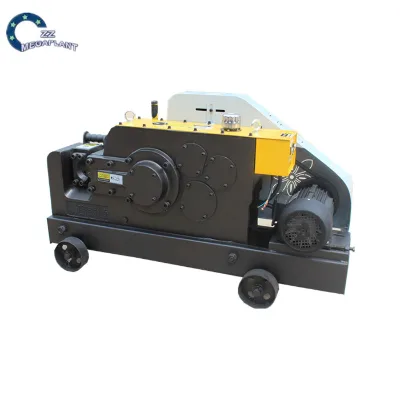
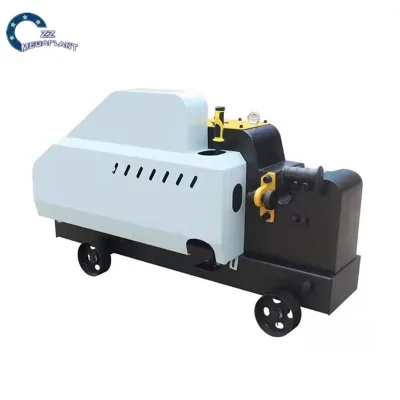
Steel ReBar Cutting Equipment Stainless Steel Bar Cutter Automatic ReBar Cutting Machine
$888.0474 - $1230.24
MOQ: 1 sets
Zhengzhou Ludron Machinery Co., Ltd.
- Verified by Intertek
- Trading Company
- Lead time10 days
- Avg. response≤ 1h
Main productsRoll Forming Machine, Machine Tool, Food Machine

Changge Kowloon Machinery Manufacturing Co., Ltd.
- Verified by TUVRHEINLAND
- Trading Company,Manufacturer/Factory
- China Henan
- Lead time15 days
- Avg. response≤ 8h
Main productsSteel Bar Cutting Machine, Steel Bar Bending Machine, Steel Bar Straightening and Cutting Machine, Steel Bar Stirrup Bender Machine, Tamping Rammer Machine, Plate Rammer Machine, Concrete Power Trowel, Concrete Screed, Concrete Grinder, Portable Cutting Machine and Bending Machine
Main marketsSouth America,Eastern Europe,Mid East,North America,Southeast Asia,Eastern Asia,Oceania,Western Europe,Africa


Steel Bar Iron Rod Rebar Cutting Machine Reinforcing Rebar Cutter for Sale
$450.00 - $800.00
MOQ: 1 Pieces

Bar Cutting Machine Carbon Steel Cutting Machine High Quality Rebar Cutter
$300.00 - $900.00
MOQ: 1 Pieces


Xuchang Bangtuo Machinery Co., Ltd.
- Manufacturer
- Henan, China
- Lead time15 days
- Avg. response≤ 2h
Main productsPlate Compactor,Steel Bar Bending Machine,Road Cutting Machine,Power Trowel,Plate Compactor
Main marketsSoutheast Asia(15.00%), South America(15.00%), North America(15.00%), Eastern Europe(10.00%), Domestic Market(5.00%), South Asia(5.00%), Southern Europe(5.00%), Northern Europe(5.00%), Central America(5.00%), Western Europe(5.00%), Eastern Asia(5.00%), Mid East(5.00%), Africa(5.00%)
Henan Jiashang Zhuoer Machinery Co., Ltd.
- Manufacturer, Trading Company
- Henan, China
- Lead time15 days
- Avg. response≤ 3h
Main productsPower Trowel, Road Roller, Plate Compactor, Rebar Machinery, Full-automatic Rebar Threading Polishing Line
Main marketsMid East(15.00%), Africa(15.00%), Southeast Asia(10.00%), South America(10.00%), Domestic Market(5.00%), South Asia(5.00%), Southern Europe(5.00%), Eastern Europe(5.00%), Northern Europe(5.00%), Central America(5.00%), Western Europe(5.00%), Eastern Asia(5.00%), Oceania(5.00%), North America(5.00%)
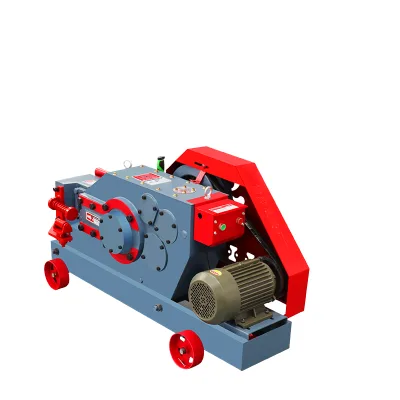
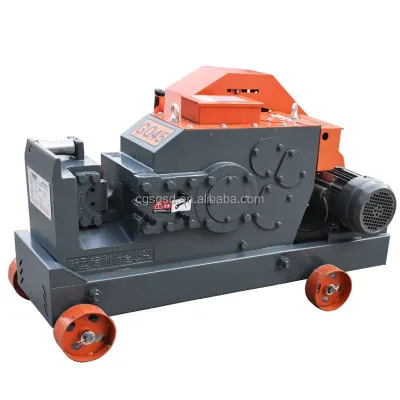
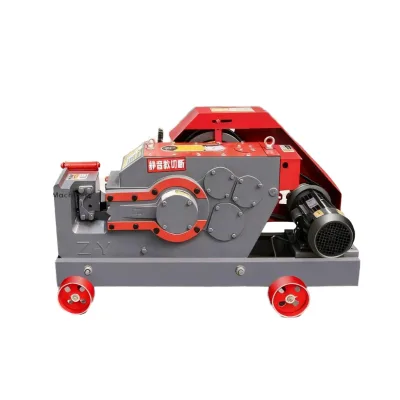
Metal Cutter Automatic Hot Sale Steel Bar Cutter Machine,Rebar Cutting Machine,Steel Bar Cutter
$665.00 - $718.00
MOQ: 1 Minimum
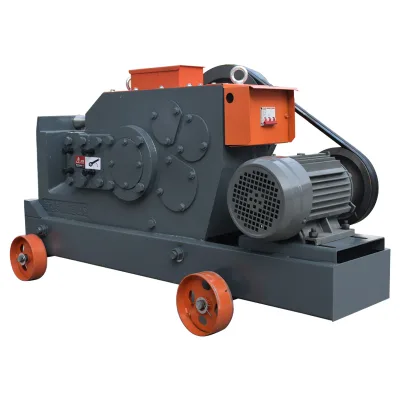
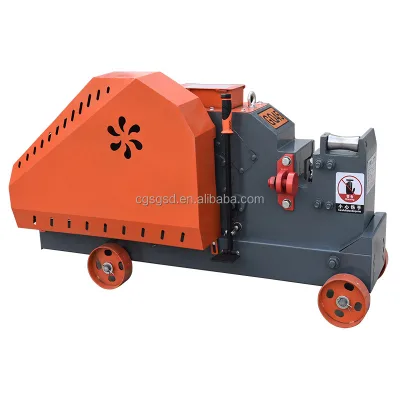
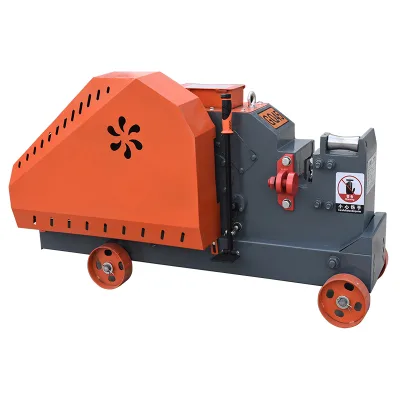
New Hot Stainless Steel Rebar Cutting Machine Roll Steel With High Efficiency
$695.1679 - $750.5729
MOQ: 1 Minimum

Xuchang Huarui Machinery Co., Ltd.
- Trading Company,Manufacturer/Factory
- China Henan
- Lead time23 days
- Avg. response≤ 7h
Main productsNail Making Machine, Screw Making Machine, Waste Tire Recycling Machine, CNC Bar Bending Machine, Bar Straightening Cutting Machine, Barbed Wire Making Machine, Electric Furnace / Heat Treatment Equipment, Plating Equipment / Galvanizing Equipment, Cold Heading Machine / Bolts Making Machine, Thread Rolling Machine
Main marketsSouth America,Eastern Europe,Mid East,North America,Southeast Asia,Eastern Asia,Oceania,Western Europe,Africa


6mm-60mm Steel Bar Cutting Equipment Rebar Cutting Machine Steel Rod Cutter
$1000.00 - $3000.00
MOQ: 1 Pieces

Henan Haotai Machinery Equipment Co., Ltd.
- Verified by Intertek
- Trading Company
- Lead time0 days
- Avg. response≤ 2h
Main productsConcrete Equipment, Rebar Equipment, Crushing Equipment, Road Machinery, Cutting Equipment
Main marketsNorth America(25%), Northern Europe(20%), South America(15%)
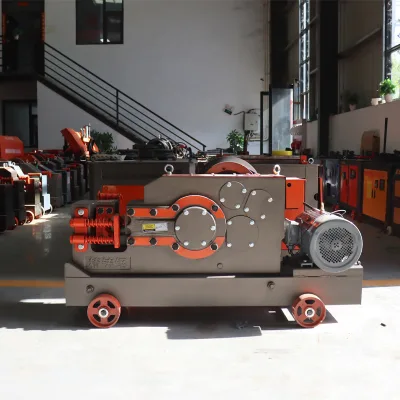
Automatic Rebar Cutting Machine 40mm Max for Steel Bar Iron Rod Processing
$422.00 - $442.00
MOQ: 1 sets
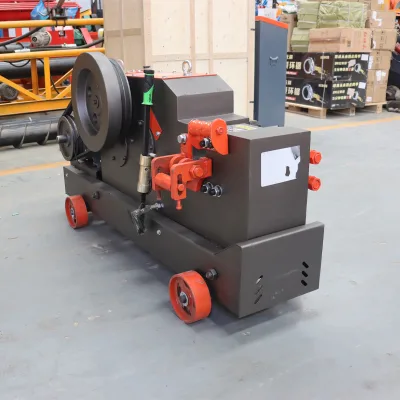
Rebar Cutting Machine Round Cutter Machine Multifunctional Metal Cutting Square Threaded Cutting
$430.00 - $460.00
MOQ: 1 sets
Changge Xulaide Construction Machinery Co., Ltd.
- Manufacturer, Trading Company
- Henan, China
- Lead time0 days
- Avg. response≤ 2h
Main productsRoad machine, CNC steel bar straightening & cutting machine/CNC steel bar bending machine/Pipe bending machine
Main marketsSoutheast Asia(60.00%), South America(30.00%), Mid East(9.00%), Northern Europe(1.00%)
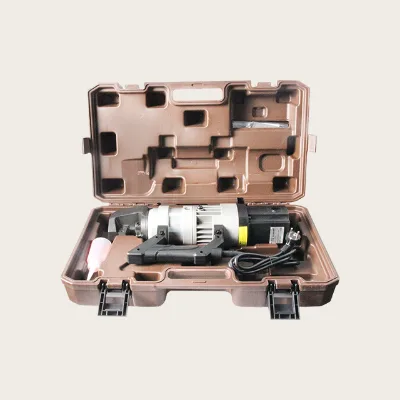
RC-32 Best Sell Portable bar Cutting Machine Thickened Blade Rebar Cutting Machine
$308.4412 - $359.8481
MOQ: 1 sets
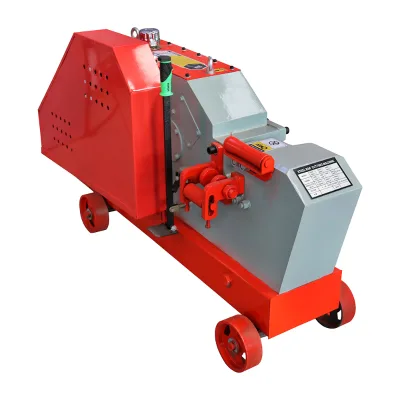
$235.8241 - $307.5963
MOQ: 1 sets
Luohe Aijiesi Intelligent Equipment Co., Ltd.
- Verified by Intertek
- Manufacturer, Trading Company
- Lead time10 days
- Avg. response≤ 1h
Main productsHarvester, Juicer, Drilling Equipment, Silage Machine, Silage Packing Machine
Main marketsConfidential(30%), Confidential(15%), Confidential(12%)
Changge Deleixi Machinery Equipment Co., Ltd.
- Verified by TüVRheinland
- Trading Company
- Lead time7 days
- Avg. response≤ 3h
Main productsPipe Bending Machine, Band Saw Machine, Stone Cutting Machine, Pipe Punching Machine, Ride-On Power Trowel
Main marketsNorth America(27%), South America(26%), Southeast Asia(15%)
Changge Kowloon Machinery Manufacturing Co., Ltd.
- Verified by TüVRheinland
- Manufacturer, Trading Company
- Lead time10 days
- Avg. response≤ 4h
Main productsSteel Bar Cutting Machine, Steel Bar Bending Machine, Power Trowel, Impact Rammer
Main marketsDomestic Market(40%), Africa(20%), South Asia(10%)

HENAN XINGSHENGDA MACHINERY TECHNOLOGY CO., LTD.
- Verified by SGS
- Combined
- China Henan
- Lead time15 days
- Avg. response≤ 4h
Main productsBar Cutting Machine, Bar Bending Machine, Power Trowel, Plate Compactor, Road Roller, Floor Grinder, Road Cutter, Small Excavator, Concrete Pump, Concrete Vibrator
Main marketsSoutheast Asia/ Mideast,Domestic,North America
Henan Ideal Machinery Equipment Co., Ltd.
- Trading Company
- Henan, China
- Lead time7 days
- Avg. response≤ 5h
Main productsSteel Bar Cutting Machine/Steel Bar Bending Machine,Road Roller,Trowel Machine,Tamping Rammer
Main marketsSoutheast Asia(20.00%), South Asia(10.00%), Mid East(10.00%), Eastern Europe(10.00%), South America(10.00%), Africa(5.00%), Southern Europe(5.00%), Northern Europe(5.00%), Central America(5.00%), Western Europe(5.00%), Eastern Asia(5.00%), Oceania(5.00%), North America(5.00%)

Xu Hui (Shandong) Intelligent Equipment Co., Ltd
- Verified by TUVRHEINLAND
- Combined
- China Shandong
- Lead time30 days
- Avg. response≤ 3h
Main marketsDomestic

Tianjin Yinfeng Intelligent Manufacturing Co., Ltd.
- Verified by TUVRHEINLAND
- Combined
- China Tianjin
- Lead time30 days
- Avg. response≤ 1h
Main productsSteel Reinforcement Processing Production Lines, Prefabricated Building Production Lines, Steel Structure Product Production Lines, Smart Factory Management Systems
Main marketsOthers(foreignTradeCapacity.exportBusinessCapacityMarketOther),Domestic,Europe
Luohe Ao Jianqing Intelligent Equipment Co., Ltd.
- Trading Company
- Henan, China
- Lead time15 days
- Avg. response≤ 3h
Main productstrowel,trephine,Cutting machine,backhoe,vibrators
Main marketsDomestic Market(40.00%), North America(10.00%), Africa(10.00%), South Asia(10.00%), Eastern Asia(10.00%), Oceania(5.00%), Southern Europe(5.00%), Southeast Asia(5.00%), South America(5.00%)
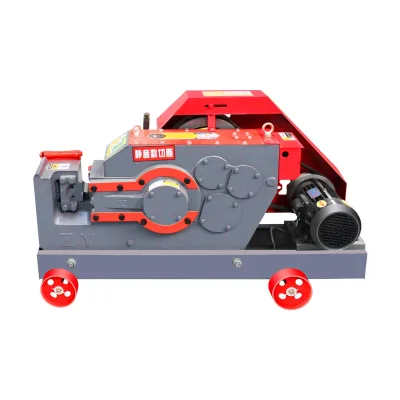
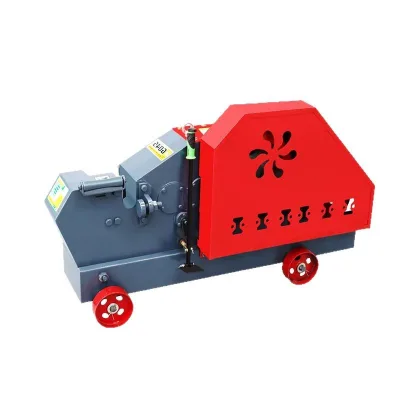
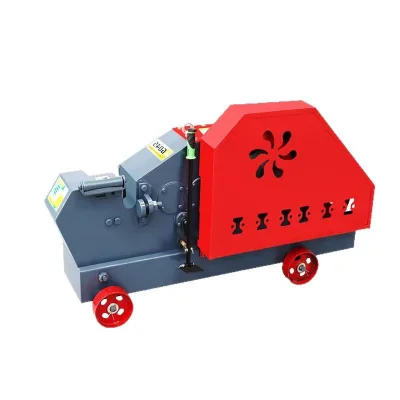
Rebar Cutter 6-36mm Round Steel bar Cutter Electric Cnc Deformed Steel bar Cutting Machine
$655.00 - $699.00
MOQ: 1 tons

Zhengzhou Jawo Machinery Co., Ltd.
- Verified by TUVRHEINLAND
- Manufacturer/Factory
- China Henan
- Lead time15 days
- Avg. response≤ 6h
Main productsSausage Making Machine, Dumpling Machine, Frozen Meat Cutter, French Fries Production Line, Garlic Separator, Egg Grading Machine, Sand Blasting Machine, Metal Detector, Embroidery Machine, Spray Dryer
Main marketsSouth America,Eastern Europe,Mid East,North America,Southeast Asia,Eastern Asia,Oceania,Western Europe,Africa

Good Quality Bending Rebar Cutting Machine CNC Metal Cutting Machine
$2900.00 - $3900.00
MOQ: 1 Pieces

Jining Qingke Machinery Co., Ltd.
- Manufacturer, Trading Company
- Lead time旺季: "1 - 1":10,"> 1":"To be negotiated", 淡季: "1 - 1":10,"> 1":"To be negotiated"
- Avg. response≤ 4h
Main productsExcavator, Forklift, Skid Steer Loader, Tricycle, Road Roller
Henan Canary Machinery Equipment Co., Ltd.
- Verified by Intertek
- Trading Company
- Lead time0 days
- Avg. response≤ 2h
Main productsConcrete Machinery, Road Machinery, Rebar Machinery

Shandong Xiangqiu Truck Maintenance Equipment Co., Ltd.
- Verified by BV
- Manufacturer/Factory
- China Shandong
- Lead time23 days
- Avg. response≤ 6h
Main productsRiveting Machine, Brake Lining Remover, Bearing Oiler, Bearing Cleaning Machine, Tire Protection Trailer, Bearing Oiling Cleaning Machine
Main marketsSouth America,Eastern Europe,Mid East,North America,Southeast Asia,Eastern Asia,Oceania,Western Europe,Africa
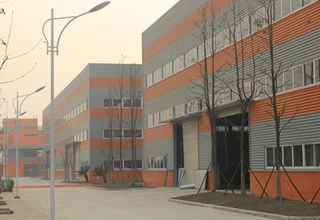
Chengdu Gute Machinery Works Co., Ltd.
- Manufacturer, Trading Company
- Sichuan, China
- Lead time7 days
- Avg. response≤ 4h
Main productsSteel Bar Cutter,Steel Bar Bender,CNC Automatic Stirrup Bending Machine,Vertical Bar Bending Center,CNC Steel Rolling Cage Welding Machine
Main marketsSoutheast Asia(21.00%), South Asia(19.00%), Africa(18.00%), Eastern Asia(17.00%), Mid East(10.00%), South America(8.00%), Eastern Europe(3.00%), Domestic Market(2.00%), Western Europe(2.00%)
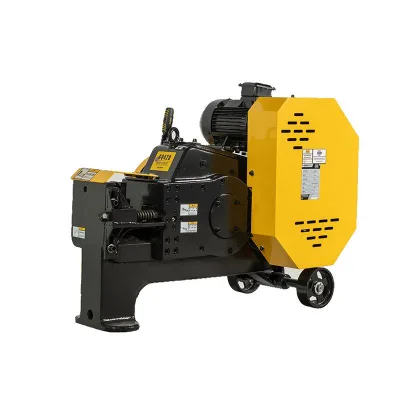
Steel Bar Cutter Machine GQ42D Round Rebar Square Blade Cutting Equipment
$1700.00 - $1900.00
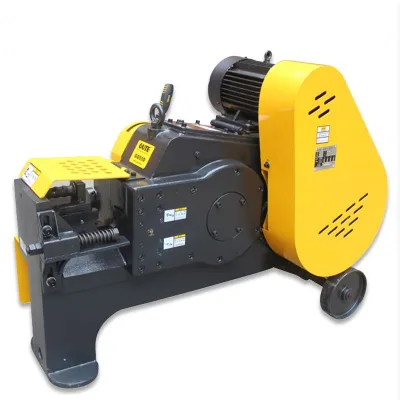
Thicker Copper Wire Metal Cutter Steel Bar Cutting Machine 50mm Manufacturer
$2302.2537 - $2558.0597
MOQ: 1 pieces
Baoding Jindi Machinery Co., Ltd.
- Verified by SGS Group
- Manufacturer, Trading Company
- Lead time0 days
- Avg. response≤ 2h
Main productsRebar Coupler, Rebar Thread Rolling Machine, Rebar Cutting Machine, Rebar Bending Machine/Rebar Arc Bending Machine , Rebar Stirrup Bending Machine
Main marketsSoutheast Asia(25%), Eastern Europe(20%), Mid East(20%)
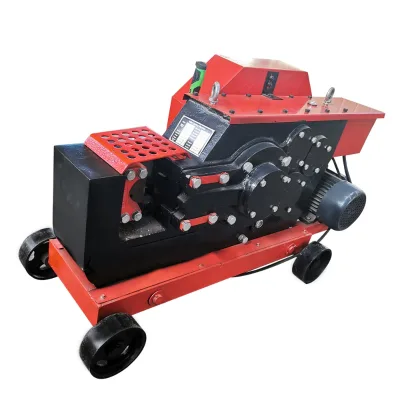
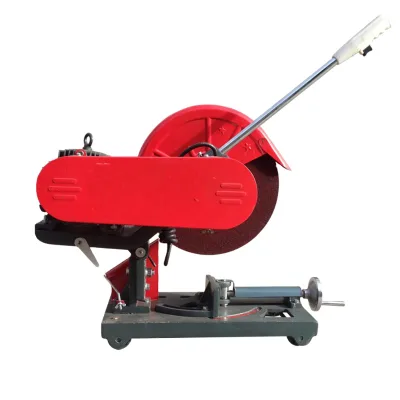
Steel Reinforcement Cutting Machine Cut off Grinding Machine
$330.00 - $380.00

Jiangyin Starshine Machinery Technology Co., Ltd.
- Verified by TUVRHEINLAND
- Manufacturer/Factory
- China Jiangsu
- Lead time23 days
- Avg. response≤ 1h
Main productsScrap Metal Baler, Metal Chip Briquette Machine, Scrap Metal Shear, Hydraulic Shearing Machine, Gantry Metal Shear, Steel Wire Drawing Machine, Copper Wire Granulation Recycling Machine, Container Metal Shear, Scrap Metal Shredder Machine, Wire Rod Hot Rolling Mill
Main marketsSouth America,Eastern Europe,Mid East,North America,Southeast Asia,Eastern Asia,Oceania,Western Europe,Africa
Zhengzhou Emoda Machinery Equipment Co., Ltd.
- Trading Company
- Henan, China
- Lead time10 days
- Avg. response≤ 5h
Main productsroad roller,plate compactor,power trowel,rebar cutter/bender,tamping rammer
Main marketsEastern Asia(40.00%), Mid East(40.00%), Domestic Market(9.00%), Africa(5.00%), Eastern Europe(1.00%), Southern Europe(1.00%), Northern Europe(1.00%)

- Verified by SGS
- Manufacturer
- China Hebei
- Lead time15 days
- Avg. response≤ 2h
Main productsRebar Coupler, Steel Bar Coupler, Steel Bar Connection Port, Steel Bar Connection Sleeve, Reinforcement Sleeve, Steel Bar Straight Thread Joint, Steel Bar Straight Thread Threading Machine, Steel Bar Straight Thread Connection Sleeve, Straight Thread Machine Tool


6-40mm Rebar Cutting Machine Good Price Rebar Cutting Machine for Factory and Building Construction
$400.00 - $800.00
MOQ: 1 Pieces

$400.00 - $800.00
MOQ: 1 Pieces

High Performance Rebar Cutting Machine Professional Steel Bar Cutter for Reinforcement Works
$400.00 - $800.00
MOQ: 1 Pieces

$400.00 - $800.00
MOQ: 1 Pieces

$400.00 - $800.00
MOQ: 1 Pieces
Henan Province Wires Electronic Technology Co., LTD.,
- Trading Company
- Henan, China
- Lead time3 days
- Avg. response≤ 1h
Main productsSteel bar bending machine,concrete floor grinder,Concrete screw pump,Tamping Rammer,Plate Compactor
Main marketsSoutheast Asia(25.00%), North America(21.00%), Africa(18.00%), South America(10.00%), South Asia(5.00%), Mid East(5.00%), Oceania(3.00%), Southern Europe(3.00%), Eastern Asia(3.00%), Northern Europe(3.00%), Eastern Europe(2.00%), Central America(1.00%), Western Europe(1.00%)

Changge Xulaide Construction Machinery Co., Ltd.
- Verified by SGS
- Combined
- China Henan
- Lead time15 days
- Avg. response≤ 2h
Main productsPower Trowel, Scarifier Machine, Asphalt Cutting Machine, Rebar Bending Machine Portable Rebar Bending Mac, Stirrup Rebar Bending Machine, Rebar Cutting Machine Portable Rebar Cutting Mac, Rebar Straightening and Cutting Machine, Scrap Bar Straightening Cutting Machine, Automatic Stirrup Rebar Bending Machine, Pipe / Tube Bending Machine
Main marketsSouth America










Comprehensive Sourcing Guide
Alloy Blade Rebar Cutting Machine Supplier Concentration and Factory Types
Suppliers of alloy blade rebar cutting machines on this page concentrate in two Chinese provinces: Hebei and Henan. Both regions list suppliers whose main product lines include steel bar cutting machines, steel bar bending machines, straightening and cutting machines, stirrup benders, concrete mixers, concrete pumps and related rebar processing equipment. This breadth signals that rebar cutting machines sit inside a wider rebar-processing machinery portfolio rather than being a standalone specialty, which affects how deeply a given supplier engineers this specific machine versus assembling or reselling it.
The company type labels also differ. Some suppliers are classified as trading companies, while others are labeled combined, meaning they mix manufacturing and trading roles. A trading company may source machines from multiple factories, offering wider model selection but less direct control over blade metallurgy and heat treatment. A combined or manufacturer-side supplier is generally better positioned to discuss blade material, cutting jaw replacement cycles and motor sourcing, but you should still confirm which models are produced in-house. Research-and-development capability labels also vary: some suppliers advertise ODM capacity, others advertise their own brand plus ODM and OEM options. These labels are self-declared, so treat them as screening signals rather than proof. When evaluating suppliers in Hebei or Henan, ask specifically whether the alloy blades are machined and hardened at their own facility, and request the blade material grade and hardness specification in writing before sampling.
How to Verify Alloy Blade Rebar Cutting Machine Suppliers
Verification starts with the platform-displayed credentials. At least one supplier in these results carries third-party verification (BV), while another shows no system certification at all. That gap matters: a missing system certification on the profile does not automatically mean the factory is unqualified, but it does mean you must independently request evidence such as ISO 9001 certificates, blade material test reports and machine inspection videos. Note that product listings themselves may display machine-level certifications such as CE and ISO 9001; these are product claims, not company system certifications, so ask for the actual certificate numbers and issuing bodies, then check them against the issuing body's database where possible.
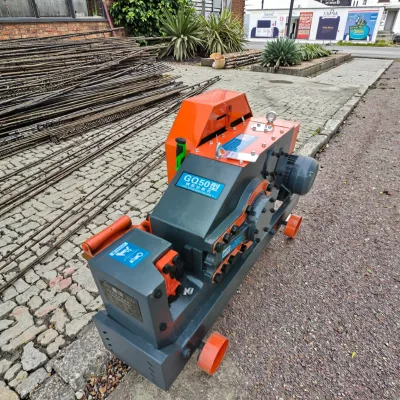
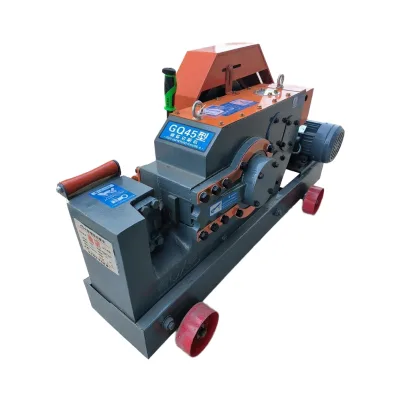
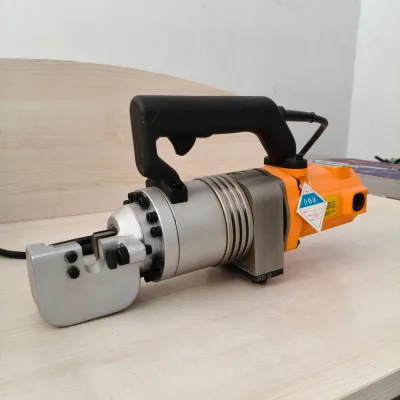
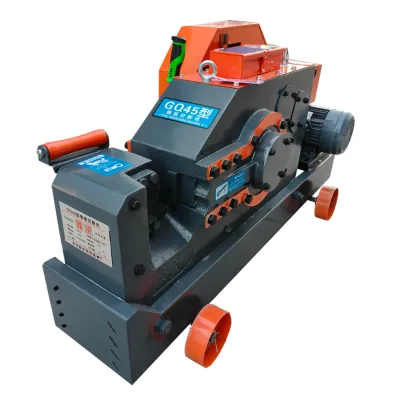
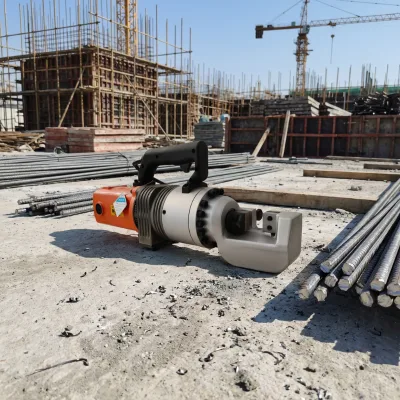
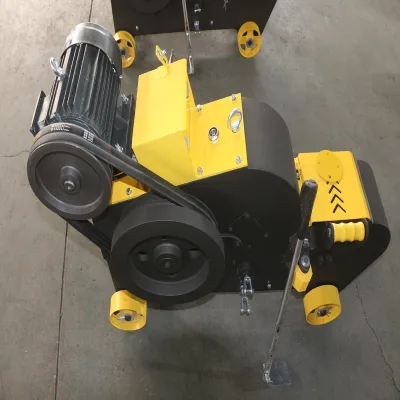
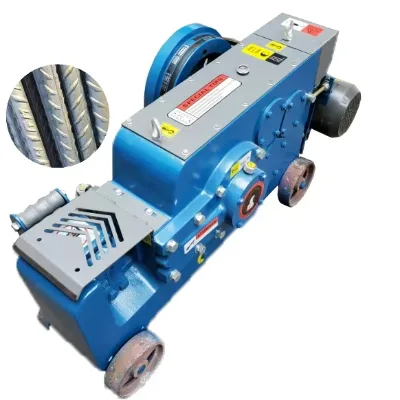
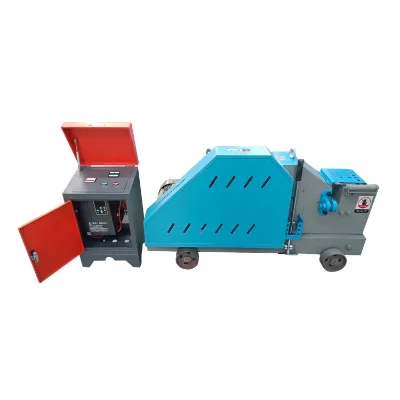
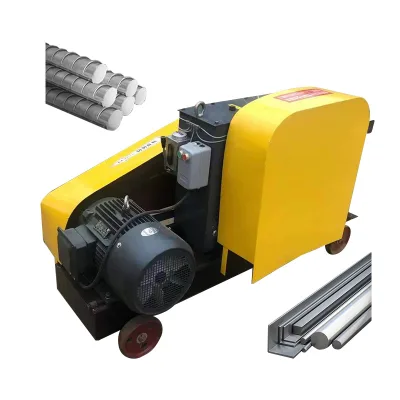
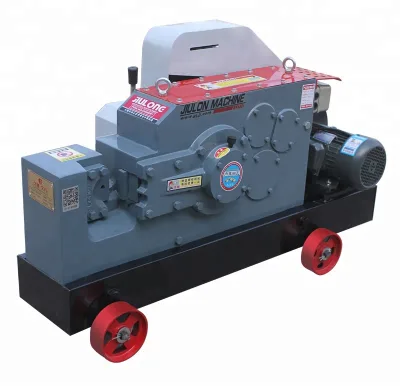
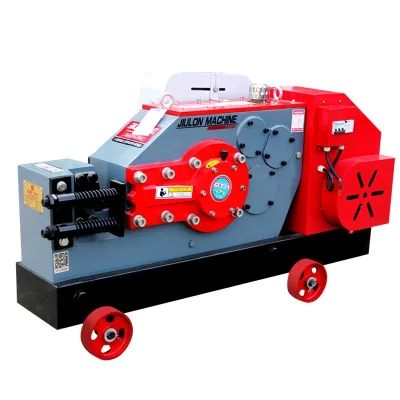
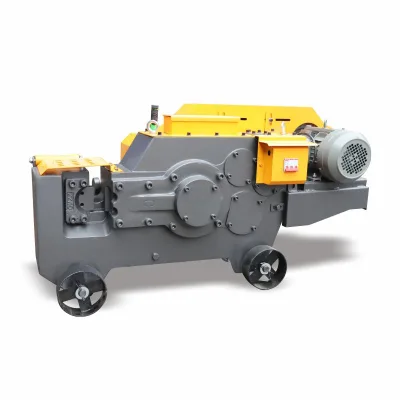
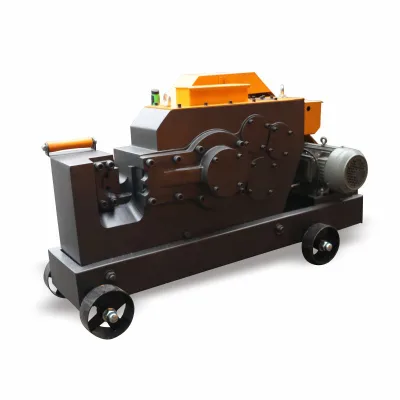
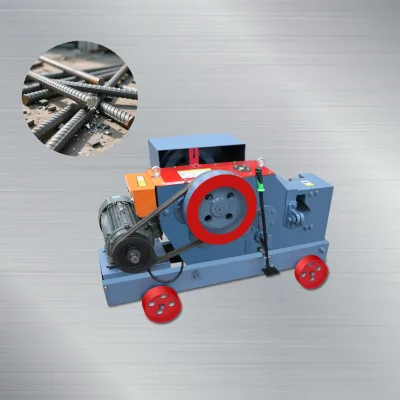
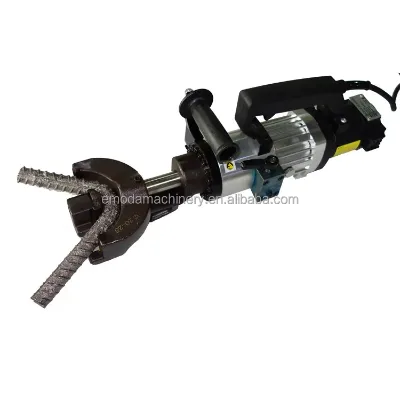
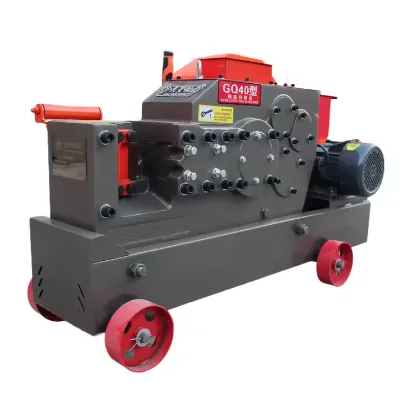
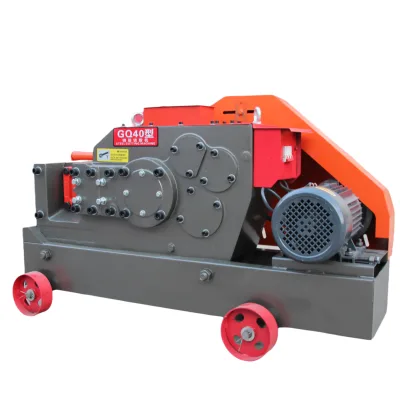
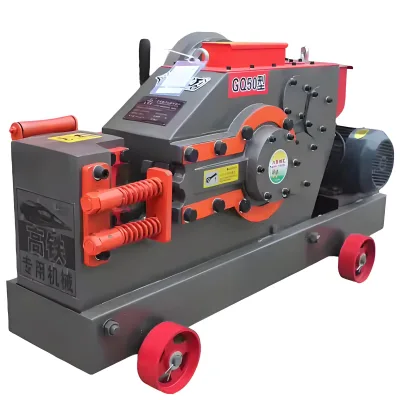
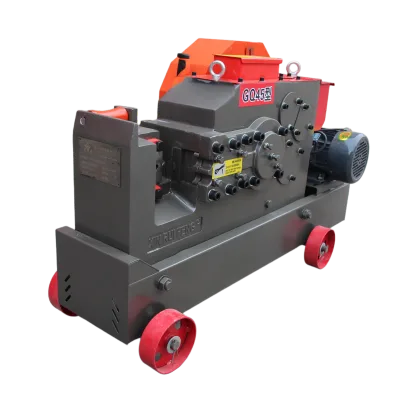
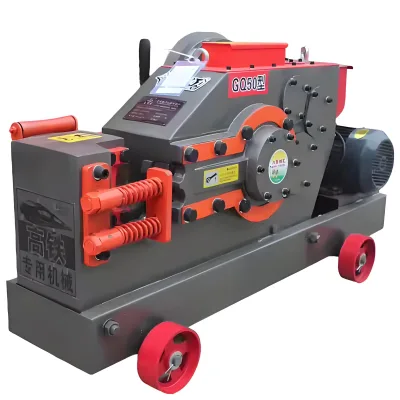
Beyond paperwork, verify capability through the product data the supplier publishes. For example, one listed cutting machine specifies a cutting range of round bar 6–50mm with a 4kW motor, a 1-year warranty and a 500kg machine weight; another lists a 4–20mm capacity at 13kg with an iron box packing. If a supplier claims to manufacture a model, they should be able to explain these specifications in detail, including voltage options (220V/380V/415V are listed by one supplier) and waterproof ratings such as IPX-3 or IPX-4. Request a live video call showing the machine cutting rebar at the stated maximum diameter, and ask how many cuts a blade set survives before replacement. A supplier who cannot answer blade-life questions about their own listed model is likely a reseller, which changes what you verify next.
What to Compare Across Alloy Blade Rebar Cutting Machine Suppliers
Build a comparison grid using the attributes suppliers actually display, since not every supplier shows every field. Useful dimensions from these results include: lead time (one Hebei supplier shows 30 days, one Henan supplier shows 15 days), average response time (roughly 3.13 hours for one supplier versus 5.33 for another), company type (trading versus combined), location, verification status, R&D capacity (ODM versus own brand/ODM/OEM) and main product portfolio. None of these should be assumed universal — a supplier who hides lead time or MOQ simply requires one more message before you can compare them.
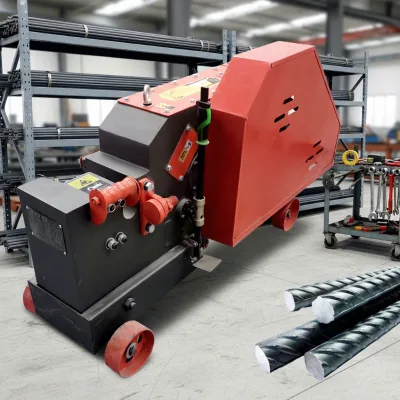
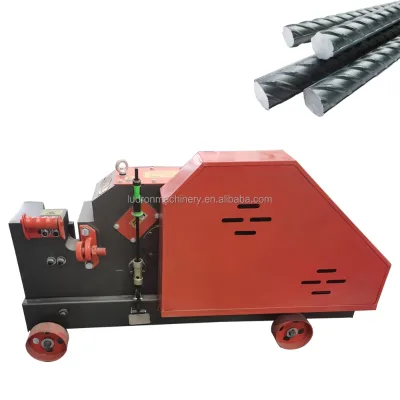
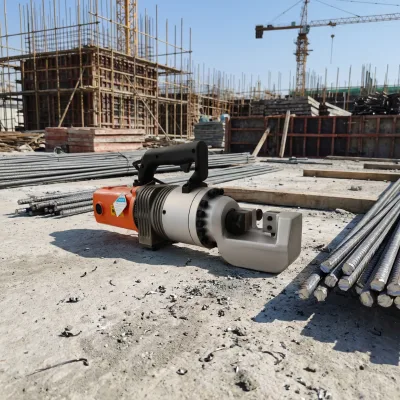
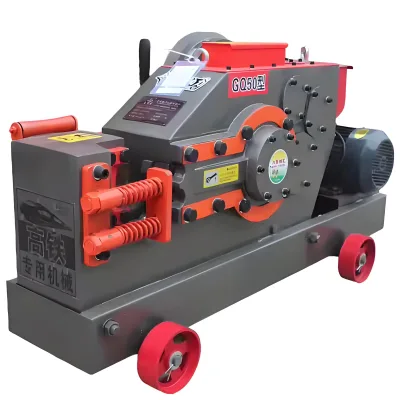
Then compare the machines themselves, because specification differences reveal positioning. Listed prices for rebar cutters on this page span roughly USD 180–230 for a compact 13kg model with 4–20mm capacity, USD 335–345 for a 25mm-capacity unit weighing about 32kg, USD 370–500 for a combined bending and cutting machine handling 4–16mm, and USD 450–530 for a heavy GQ50-class machine cutting round bar to 50mm at about 500kg. One supplier lists an MOQ of 1, which is favorable for trial orders, but confirm this applies to your chosen model. Also compare cutting speed (3–3.5 seconds versus 2.5–3 seconds versus 5 seconds are all shown), automation level (manual, semi-automatic, automatic), power supply options and warranty length. A supplier whose listings omit weight, packing or material range is harder to hold accountable later, so weight completeness of data as a soft indicator of professionalism.
Common Alloy Blade Rebar Cutting Machine Sourcing Risks
The most frequent risk in this category is conflating a trading company with the actual blade manufacturer. A trading company in Hebei with a broad catalog spanning concrete mixers, concrete pumps and electric tools may be aggregating machines from several factories. That is not inherently bad, but it introduces a second information layer: blade specifications quoted by the trader may not match what the factory actually hardened. Mitigate by asking the counterparty to name the producing factory and to provide factory-side inspection records for the blade batch.
A second risk is certification ambiguity. One supplier's company profile shows no system certification, while its product listings claim CE and ISO 9001 — a mismatch you should resolve through certificate copies before ordering. A third risk is specification drift between similar models: listings on this page show cutting ranges from 4–20mm up to 6–50mm for round bar, and different III-class rebar limits (6–45mm on one model, 6–32mm on another). If you buy the wrong capacity tier for your rebar grade, blades will fail prematurely regardless of quality. Fourth, weight and packing variations (a 350kg machine in a wooden case versus a 13kg unit in an iron box) dramatically change freight costs, and buyers who quote without clarifying gross weight and packing often face unexpected landed-cost surprises. Finally, low MOQ availability can encourage oversized first orders; a single-unit trial at MOQ 1 is a better risk control than a container order before blade-life testing.
Alloy Blade Rebar Cutting Machine Regional Sourcing and Logistics
Both sourcing regions shown here — Hebei and Henan — are inland Chinese provinces, so ocean freight typically routes through major northern or eastern ports rather than a provincial port. The practical implication is that quoted lead times (15 days and 30 days appear in these results) usually cover production only; you should separately confirm inland trucking time to port, export customs clearance and booking lead time with the supplier's forwarder or your own. Heavy models compound this: a 500kg machine packed in a wooden case with 1400×550×850mm dimensions will likely ship as breakbulk or LCL freight, while lighter 13–32kg units can consolidate more easily.
Packing method is worth negotiating explicitly because the listings vary: iron box, iron frame with carton, and wooden case all appear. For export, wooden cases should be ISPM-15 heat-treated — ask for the stamp confirmation rather than assuming it. Waterproof ratings matter for transit as well as job-site use; IPX-3, IPX-4 and IPX-8 ratings are cited across listings, but these describe the machine design, not container exposure, so request silica gel and shrink-wrap protection for ocean shipments. Voltage compatibility is a logistics-adjacent trap: one supplier offers 220V/380V/415V at 50/60Hz, another offers single-phase 110/220/240V, and diesel-engine variants exist for sites without stable power. Confirm your destination voltage and frequency in the purchase contract, and specify the blade count and any spare parts included in the export crate.
Alloy Blade Rebar Cutting Machine Commercial Terms and Order Planning
Commercial terms should be assembled from what suppliers disclose, then negotiated where they stay silent. On this page, one supplier lists an MOQ of 1 with a 1-year warranty on its machines, price bands from roughly USD 180 to USD 530 depending on model class, and customization marked as available on multiple listings. Customization availability is a strong negotiation lever: even when a listed configuration suits you, confirm whether blade material, voltage, plug type or packing can be adjusted without a price break. Where a supplier has not displayed escrow or payment-protection details, do not assume protection exists — ask directly which payment methods support dispute resolution and consider structuring the first order as a sample plus staged balance.
Order planning should sequence risk. Step one: place a one-unit order (exploiting the MOQ-1 listing where available) and run blade-life cuts on your actual rebar grade, counting cuts until edge deformation. Step two: negotiate a warranty scope in writing — the displayed 1-year warranty should be clarified to cover blades separately from motors and hydraulics, since consumable blades are often excluded. Step three: lock lead time and penalty terms; the 15-day and 30-day lead times shown are reference points, and you should tie the contract to a firm ship date with defined delay remedies. Step four: plan repeat orders around blade replacement cycles rather than machine replacement, since blades are your true recurring cost. Keep all agreed specifications — capacity range, weight, packing, certification copies — inside the contract documents, not just chat records.
FAQs
What is the typical lead time for rebar cutting machines?
The typical lead time for these machines is 30 days based on current supplier data. Some suppliers in Henan offer a faster 15-day turnaround for specific models. Buyers should confirm exact delivery schedules with the trading company before placing an order to ensure project timelines are met.
Do these machines come with ISO 9001 certification?
Yes, many available models carry ISO 9001 certification alongside CE marks. This certification applies to new condition machines suitable for carbon steel and stainless steel. Buyers should verify the specific certification status on the product page as some listings may show different compliance levels.
What is the minimum order quantity for these cutters?
The minimum order quantity is one unit for most listed steel bar cutters. This low MOQ allows buyers to test the equipment without large initial commitments. However, bulk orders may affect pricing and shipping terms, so buyers should check specific product pages for volume discounts.
Are these machines suitable for cutting stainless steel?
Yes, several models are explicitly designed to cut stainless steel and carbon steel. The cutting range typically supports round bars from 4mm up to 50mm depending on the specific machine model. Buyers must check the product attributes to confirm the material compatibility for their specific project needs.
What is the price range for a single unit?
Prices for single units range from 180 to 530 US dollars depending on the model and capacity. Basic manual cutters start near 180 dollars while heavy-duty diesel or automatic models can reach 530 dollars. Buyers should compare specific product listings to find the best value for their budget.
How quickly do suppliers typically respond to inquiries?
Suppliers typically respond within 3 to 5 days based on recorded response times. Some trading companies show an average response time of 3.13 days while others may take up to 5.33 days. Buyers should expect a reply within this window but should follow up if no response is received.
Where are these rebar cutting machines manufactured?
These machines are manufactured in China, specifically in Hebei and Henan provinces. The origin is clearly stated as China on the product attributes for most listings. Buyers should verify the specific factory location if they require detailed shipping logistics or local support for the equipment.