Automatic Constant Voltage Deburring Machine Suppliers and Manufacturers
Source 23 verified suppliers for automatic constant voltage deburring machines. Compare key dimensions including ISO and CE certifications, lead times of 15-30 days, and pricing from $20,000 to $50,000. Review product specifications and request quotes directly; review the available evidence before requesting comparable quotations from suitable candidates.
Updated
Suppliers List

Lanuss Intelligent Equipment (Hubei) Co., Ltd.
- Verified by SGS
- Combined
- China Hubei
- Lead time30 days
- Avg. response≤ 15h
Main productsDeburring Machine, Sanding Machine, Polishing Machine, Chamfering Machine, Wire Drawing Machine
Main marketsAfrica,Southeast Asia/ Mideast,East Asia(Japan/ South Korea),Domestic,Europe,Australia

Deburring Polishing, Deburring Manufacturer Automatic Deburring Machine
$32000.00 - $35000.00
MOQ: 1 Sets


Efficient Deburring Machine for Engine Components with Certification
$35000.00 - $40000.00
MOQ: 1 Sets

Jinan Knoppo Automation Equipment Co., Ltd.
- Verified by BV
- Combined
- China Shandong
- Lead time15 days
- Avg. response≤ 3h
Main productsFiber Laser Cutting Machine, Fiber Laser Welding Machine, Fiber Laser Cleaning Machine, Fiber Laser Marking Machine, CO2 Laser Cutting Machine, CO2 Laser Engraving Machine, Plasma Cutting Machine, H Beam CNC Cutting Machine, Laser Welder, Laser Cutter
Main marketsSouth America,Others(foreignTradeCapacity.exportBusinessCapacityMarketOther),Southeast Asia/ Mideast,East Asia(Japan/ South Korea),Europe,North America

Intelligent Stable Performance Automatic Deburring Equipment Deburring Machine
$7900.00 - $12000.00
MOQ: 1 Sets


Factory Direct Processing Steel Thickness 0.5-100mm Automatic Deburring Machine
$7900.00 - $12000.00
MOQ: 1 Sets


Jinan Knoppo Automation Equipment Co., Ltd.
- Verified by BV
- Combined
- China Shandong
- Lead time15 days
- Avg. response≤ 3h
Main productsLaser Cutting Machine, Laser Welding Machine, Laser Cleaning Machine, Laser Marking Machine, Deburring Machine, Plasma Cutting Machine, Press Brake, CO2 Laser Cutting Engraving Machine, H Beam CNC Cutting Machine
Main marketsSouth America,Others(foreignTradeCapacity.exportBusinessCapacityMarketOther),Southeast Asia/ Mideast,East Asia(Japan/ South Korea),Europe,North America

Durable and Reliable Automatic Deburring Machine for Smooth Surfaces
$12000.00 - $28000.00
MOQ: 1 Sets


Factory Direct Processing Thickness 0.5-100mm Automatic Deburring Machine
$12000.00 - $28000.00
MOQ: 1 Sets


- Trading Company
- China Jiangsu
- Lead time30 days
- Avg. response≤ 5h
Main productsFastener Insertion Machine, Self Clinching Machine, Bending &Cutting, Hydraulic Steel Worker, Grinding Machine, Bending Tools, Press Brake, V-Cutting Machine, Corner Forming Machine, Hydraulic Ironworker
Main marketsSoutheast Asia/ Mideast,Domestic,Europe,North America


Versatile Automatic Deburring Machine for Various Processing Thicknesses
$33500.00 - $36700.00
MOQ: 1 Pieces

High-Performance Deburring Machine for Metal Grinding Precision Finishing and Deburring
$14000.00
MOQ: 1 Pieces


Nanjing Dyyrent Machine Technology Co., LTD
- Verified by SGS
- Combined
- China Jiangsu
- Lead time23 days
- Avg. response≤ 2h
Main productsSanding Machine, Deburring Machine, Grinding Machine, Polishing Machine, Automatic Deburring Machine, Oxide Removal, Edgers Rounded, Deslagging
Main marketsSoutheast Asia/ Mideast,Domestic,Europe,North America

Polishing Grinding Machine Grinding Machine Automatic Deburring Machine
$5000.00 - $12000.00
MOQ: 1 Pieces

Reliable Heavy-Duty Deburring Machine for Advanced Polishing Solutions
$5000.00 - $8000.00
MOQ: 1 Pieces

Stainless Steel Deburring Machine with Polishing and Brushing Surface Treatment Function
$5000.00 - $8000.00
MOQ: 1 Pieces

Heavy-Duty Automatic Deburring and Sanding Machine for Industrial Use
$5000.00 - $8000.00
MOQ: 1 Pieces

High-Performance Deburring Machine for Long-Term Use in Polishing Tasks
$8000.00 - $20000.00
MOQ: 1 Pieces

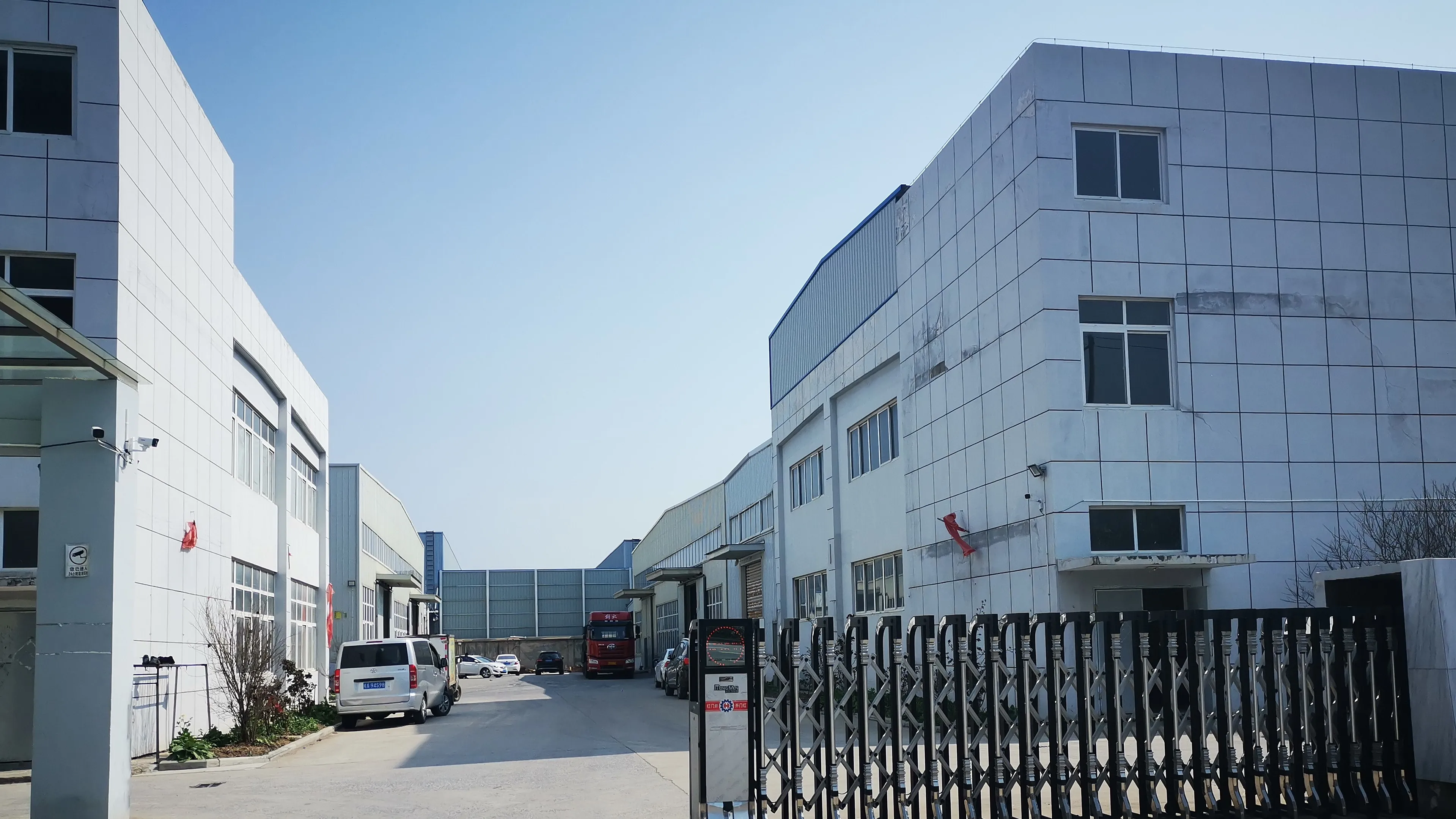
Anhui Jotun Import & Export Co., Ltd.
- Trading Company
- Anhui, China
- Lead time20 days
- Avg. response≤ 1h
Main productsDeburring Machine,Laser Machine,Polishing Machine,Robot Grinding Machine,CNC Grinding Machine
Main marketsSoutheast Asia(40.00%), Eastern Asia(10.00%), Oceania(10.00%), Central America(5.00%), Western Europe(5.00%), Eastern Europe(5.00%), South Asia(5.00%), South America(5.00%), Southern Europe(5.00%), North America(5.00%), Africa(2.00%), Northern Europe(2.00%), Mid East(1.00%)
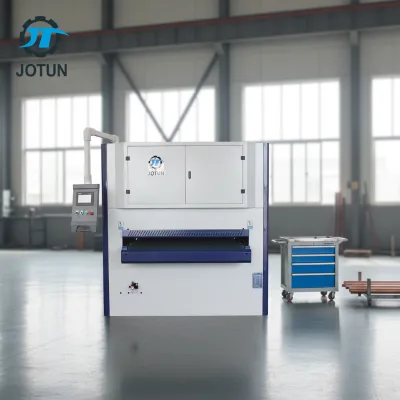
Conveyor Type Metal Deburring Machine for Automatic Production Line
$9000.00 - $9500.00
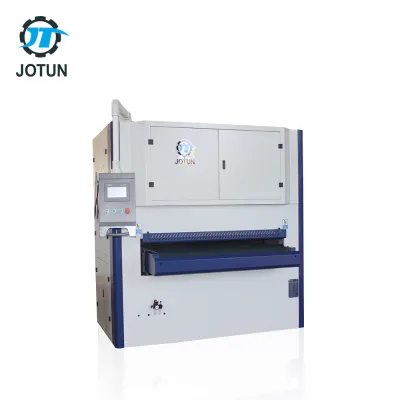
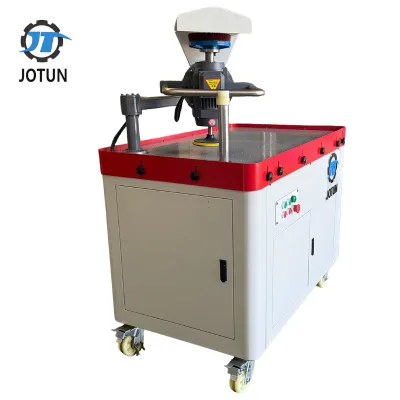
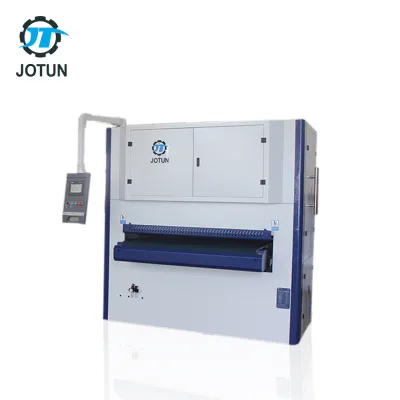
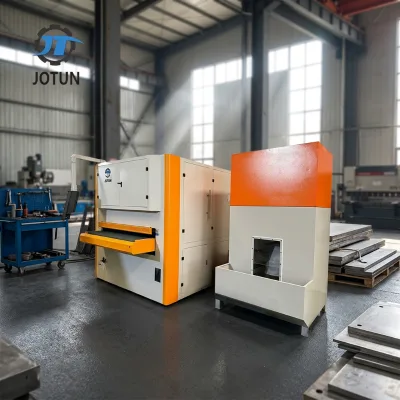
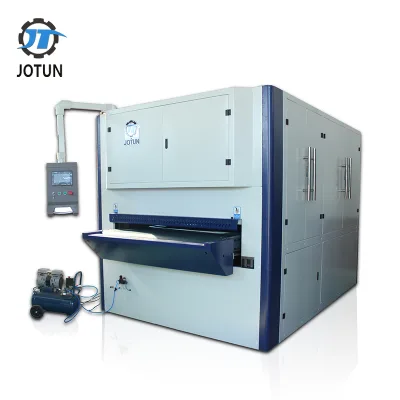
Brush roller 65kw stainless steel wet two-sided polishing sanding and deburring machine
$9000.00 - $9500.00
MOQ: 1 sets
Dongguan Insertion Machinery Co., Ltd.
- Trading Company
- GUANGDONG, China
- Lead time10 days
- Avg. response≤ 7h
Main productsFastener Insertion Machine,rivet tool,Self Clinching Press,Riveting Machine,Clinching Fasteners
Main marketsSouthern Europe(16.00%), North America(15.00%), South America(15.00%), Eastern Europe(11.00%), Western Europe(10.00%), Northern Europe(10.00%), Southeast Asia(5.00%), Africa(5.00%), Eastern Asia(3.00%), Domestic Market(3.00%), Central America(2.00%), South Asia(2.00%), Mid East(2.00%), Oceania(1.00%)
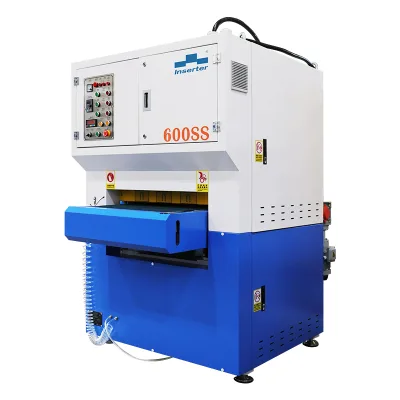
Various Metal Material Advanced and Intelligent Automatic Deburring Machine
$5650.00 - $6180.00
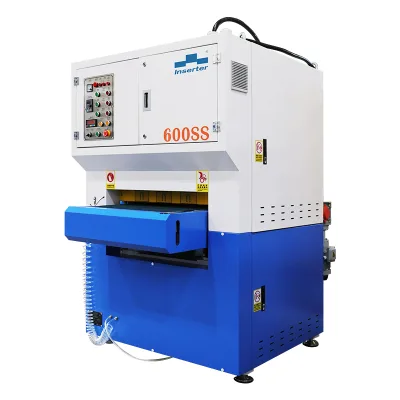
Factory Direct with Belt Size 1900*650 mm and Workbench Height 900-980mm Automatic Deburring Machine
$5650.00 - $6180.00
MOQ: 1 sets
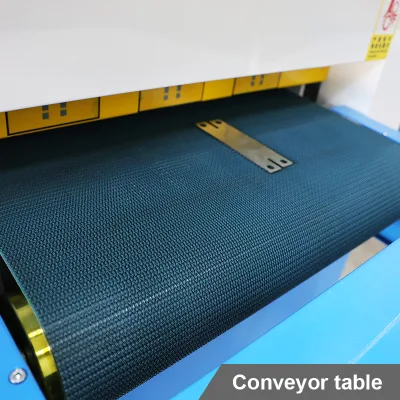
Efficient with Plasma Cutting Slag Removal Fast and Accurate Deburring Automatic Deburring Machine
$5789.3031 - $6332.3705
MOQ: 1 sets
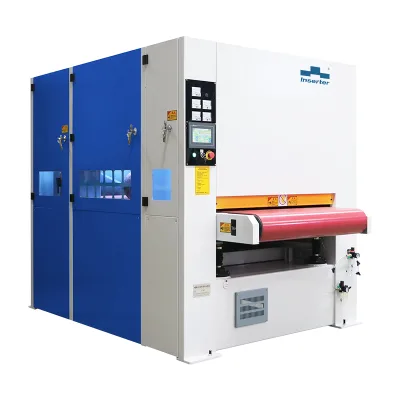
Burr Removal Deburring Machine With Max Working Width 1000mm and Reliable Design
$20663.0512
MOQ: 1 Minimum
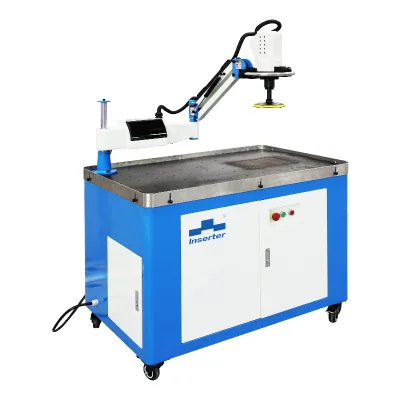
$4500.00 - $4800.00
MOQ: 1 sets
Dongguan Dexing Machine Manufacturing Co., Ltd.
- Manufacturer, Trading Company
- Guangdong, China
- Lead time0 days
- Avg. response≤ 4h
Main productsChamfering machine,Double-head chamfering machine,Single head chamfering machine,Round pipe chamfering machine,Aluminium cutting machine
Main marketsDomestic Market(70.00%), North America(10.00%), Southeast Asia(10.00%), Eastern Asia(5.00%), Mid East(3.00%), Africa(1.00%), South Asia(1.00%)
$4851.703 - $4954.4498
MOQ: 1 sets
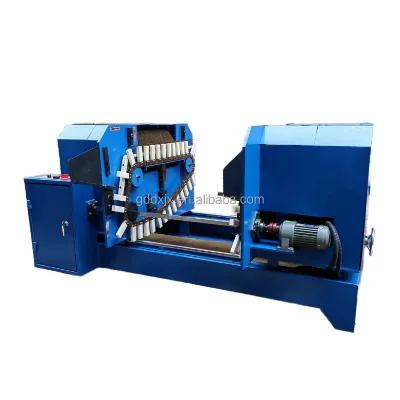
Bengbu Sanford Machinery Co., Ltd.
- Trading Company
- Anhui, China
- Lead time10 days
- Avg. response≤ 3h
Main productsTapping Machine,Chamfering Machine,Deburring Machine,End Mill Sharpener,Drill Bit Grinder
Main marketsWestern Europe(30.00%), South America(10.00%), Eastern Europe(10.00%), Northern Europe(10.00%), Southeast Asia(5.00%), Oceania(5.00%), Southern Europe(5.00%), South Asia(5.00%), Mid East(0.50%)
Shandong keruide Heavy Machinery co.,ltd
- Verified by TüVRheinland
- Manufacturer, Trading Company
- Lead time3 days
- Avg. response≤ 4h
Main productsExcavator, Forklift, Skid Steer Loader, Tricycle, Road Roller
Main marketsDomestic Market(25%), North America(20%), Eastern Europe(20%)
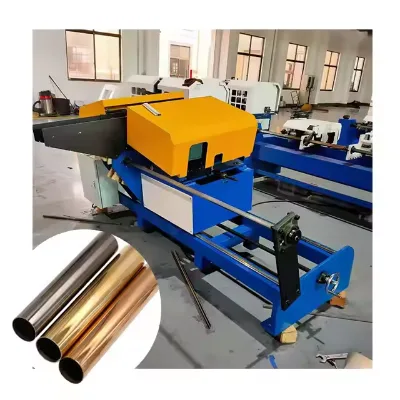
High Efficiency Stainless Steel Automatic Deburring Machine Metal Deburring and Polishing Machine
$5339.1761 - $5573.2792
MOQ: 1 sets
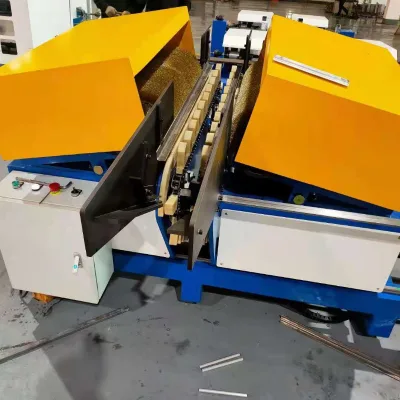
$4080.8456 - $4591.0789
MOQ: 1 sets
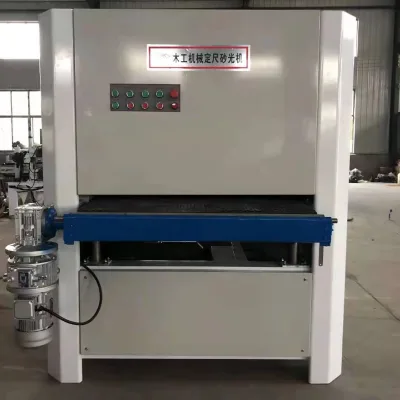
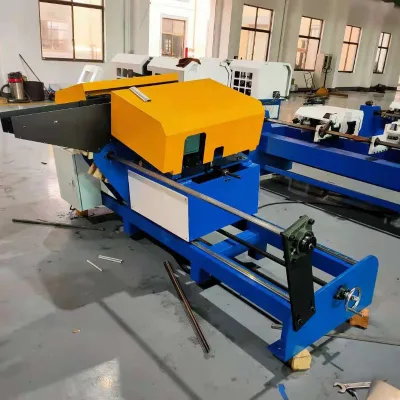
Fully Automatic Square Tube and Round Tube Deburring Machine Stamping Grinding and Polishing Machine
$4800.00 - $5100.00
MOQ: 1 pieces

Jinan Yvchuang Laser Technology Co.,Ltd.
- Verified by TUVRHEINLAND
- Trading Company
- China Shandong
- Lead time15 days
- Avg. response≤ 3h
Main productsFiber Laser Cutting Machine, Fiber Laser Welding Machine, Fiber Laser Cleaning Machine, Fiber Laser Marking Machine, CO2 Laser Cutting Machine, CO2 Laser Engraving Machine, Plasma Cutting Machine, H Beam CNC Cutting Machine, Laser Welder Laser Cutter
Main marketsSouth America,Southeast Asia/ Mideast,Europe,North America


Automatic Metal Deburring Machine for Deburring and Finishing of Metal Plates
$6999.00 - $7999.00
MOQ: 1 Sets


Henan kellen machinery equipment co., ltd.
- Verified by Intertek
- Manufacturer, Trading Company
- Lead time0 days
- Avg. response≤ 3h
Main productsRound Tube Polishing Machine, Small Desktop Polishing Machine, Vibrating Polishing Machine, Flat Polishing Machine, Deburring Machine
Main marketsNorth America(45%), South America(15%), Mid East(10%)
Qingdao Guang Yu Tai Machinery Co., Ltd.
- Manufacturer
- Shandong, China
- Lead time0 days
- Avg. response≤ 3h
Main productsroller coating machine,sanding machine,spray painting machine,polish machine,Automatic spray machine
Main marketsSoutheast Asia(20.00%), North America(20.00%)
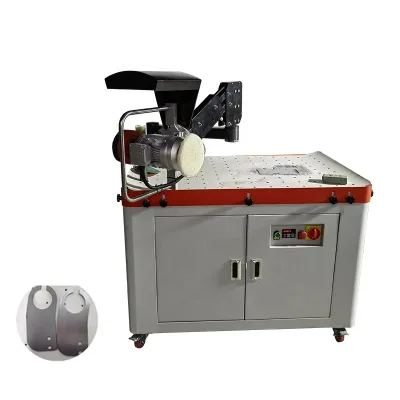
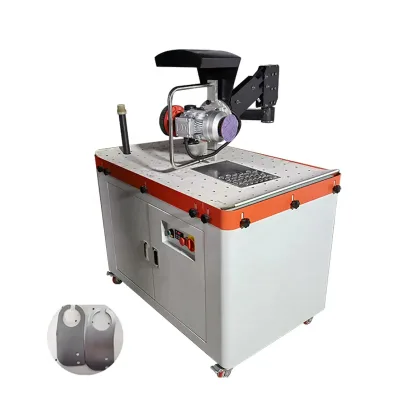
Factory Direct 180 Degree Rotating Shaft Grinding and Deburring Machine
$5544.5291 - $5749.882
MOQ: 1 sets
Tianjin Chuangyi Union Mechanical Equipment Co., Ltd.
- Trading Company
- Tianjin, China
- Lead time0 days
- Avg. response≤ 2h
Main productsSheet metal deburring machine,3D Printer,Press brake machine,Laser cutting machine,Welding machine
Main marketsDomestic Market(50.00%), Western Europe(10.00%), Africa(10.00%), South America(10.00%), Eastern Europe(10.00%), Mid East(5.00%), Southeast Asia(3.00%), South Asia(2.00%)
Huzhou Norden Machinery Co., Ltd.
- Trading Company
- Zhejiang, China
- Lead time7 days
- Avg. response≤ 4h
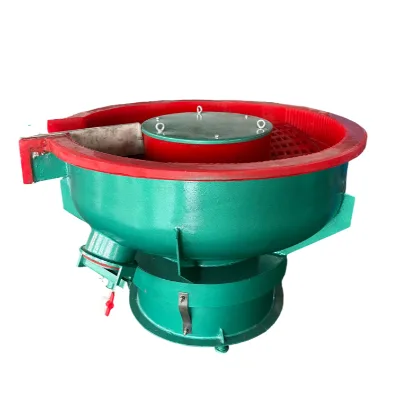
Main productsVibratory Polishing Machine,Centrifugal Disc finishing machine,3 in 1 Jewelry Polishing Machine,Steel Ball,grinding media
Main marketsSoutheast Asia(40.00%), Eastern Europe(30.00%), North America(20.00%), South America(5.00%), Mid East(5.00%)
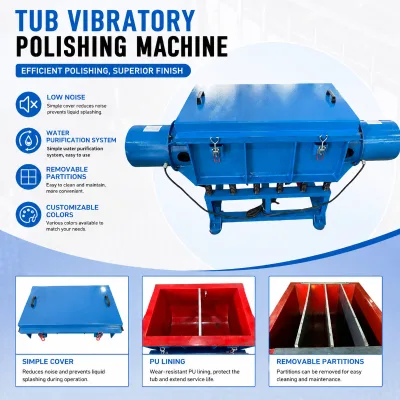
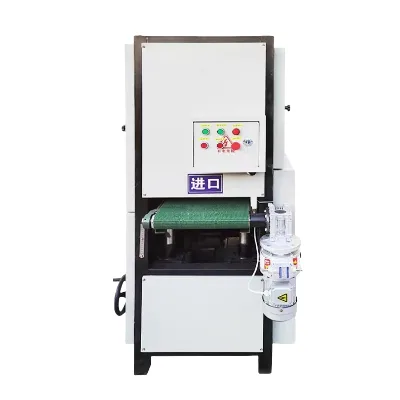
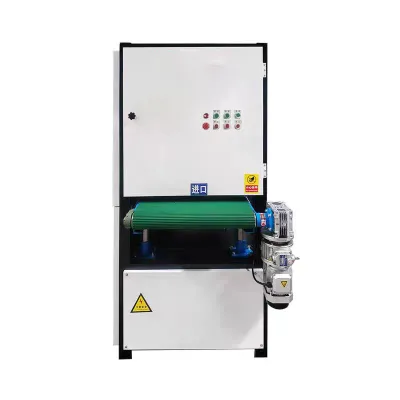
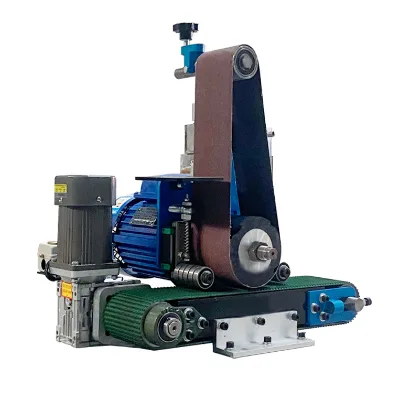
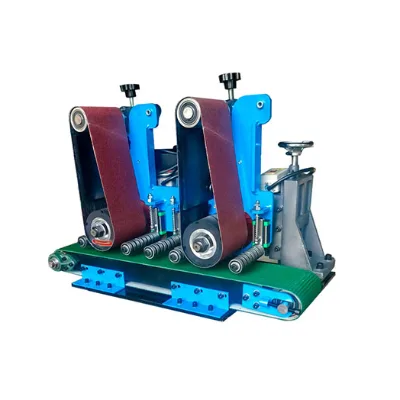
100 Wholesale Automatic Stainless Steel Wide Sheet Metal Deburring Grinding Machine
$463.6403
MOQ: 1 Minimum

Jinan Sr-Tech Machinery Co., Ltd
- Verified by SGS
- Manufacturer/Factory
- China Shandong
- Lead time23 days
- Avg. response≤ 1h
Main productsMetal Deburring Machine, Fiber Laser Cleaning Machine, Manual Grinder, Fiber Laser Marking Machine, Metal Polishing Machine, Busbar Processing Machine, Metal Sanding Machine, Fiber Laser Welding Machine, Edge Rounding Machine
Main marketsSouth America,Eastern Europe,Mid East,North America,Southeast Asia,Eastern Asia,Oceania,Western Europe,Africa

Compact Automatic Grinding Deburring Machine for Precision Metal Finishing
$8000.00 - $25000.00
MOQ: 1 Sets

Robust Grinding Machine for Stainless Steel and Copper Deburring Sanding
$8000.00 - $25000.00
MOQ: 1 Sets

High Speed Automatic Polishing Deburring Machine for Various Metal Thicknesses
$8000.00 - $25000.00
MOQ: 1 Sets

High Configuration Flat Metal Sanding Deburring Machine with Full Automatic
$8000.00 - $25000.00
MOQ: 1 Sets

Shandong Antopv Machinery Co., Ltd.
- Manufacturer, Trading Company
- Shandong Province, China
- Lead time10 days
- Avg. response≤ 3h
Main productsPolishing Machine,Recycling Machine,Filling Machine
Main marketsDomestic Market(15.00%), South America(10.00%), Western Europe(10.00%), Eastern Europe(8.00%), Northern Europe(8.00%), Southeast Asia(8.00%), North America(8.00%), Mid East(5.00%), Oceania(5.00%), South Asia(5.00%), Southern Europe(5.00%), Central America(5.00%), Eastern Asia(5.00%), Africa(3.00%)

- Verified by SGS
- Trading Company
- China Jiangsu
- Lead time60 days
- Avg. response≤ 1h
Main productsCNC Machine, CNC Pressbrake, Vmc, Laser Machine, CNC Lathe, Metal Working Machine, Sheet Metal Machine
Main marketsSouth America

Automatic Deburring Machine for Precision Parts with High Efficiency
$45000.00 - $50000.00
MOQ: 1 Pieces

Deburring Machine for Industrial Applications with Maximum Working Width
$45000.00 - $50000.00
MOQ: 1 Pieces


Huzhou Nanxun Shengxiang Grinding Machinery Factory
- Verified by SGS Group
- Manufacturer, Trading Company
- Lead time7 days
- Avg. response≤ 3h
Main productsVibration Polishing Machine, Steel Ball, PU Vibration Grinder, Ceramic Media, Plastic Media
Main marketsSoutheast Asia(38%), Eastern Europe(31%), North America(22%)
Anhui Advanced Grinding Tools Co., Ltd.
- Verified by Intertek
- Manufacturer, Trading Company
- Lead time15 days
- Avg. response≤ 4h
Main productsMetal Deburring Machine, LBS Grinding Machine, Belt Grinder, Centerless Grinding Machine
Main marketsNorth America(30%), South America(10%), Eastern Europe(10%)

Hangzhou Kafan Machinery & Equipment Co., Ltd.
- Verified by TUVRHEINLAND
- Combined
- China Zhejiang
- Lead time30 days
- Avg. response≤ 6h
Main productsSandblasting Machine, Sand Blasting Machine, Automatic Sandblasting Machine, Automatic Sand Blasting Machine, Sandblasting Cabinet, Sand Blasting Cabinet, Automatic Sand Blasting Cabinet, Automatic Sandblasting Cabinet, Sandblasting Equipment, Wheel Shot Blasting Machine
Main marketsEurope,Australia
Zhengzhou Jieyuan Machinery Manufacturing Co., Ltd.
- Trading Company
- Henan, China
- Lead time7 days
- Avg. response≤ 2h
Main productsCurtain machine,quilt machine,cotton fiber machine,Aluminum cutting machine,Pipe bending machine
Main marketsSouthern Europe(20.00%), Western Europe(20.00%), South Asia(10.00%), Africa(10.00%), Central America(10.00%), Mid East(5.00%), South America(5.00%), Northern Europe(5.00%), Southeast Asia(5.00%), North America(5.00%), Eastern Asia(5.00%)

Qingdao Yingzhuo Machinery Technology Co., Ltd.
- Verified by TUVRHEINLAND
- Combined
- China Shandong
- Lead time15 days
- Avg. response≤ 3h
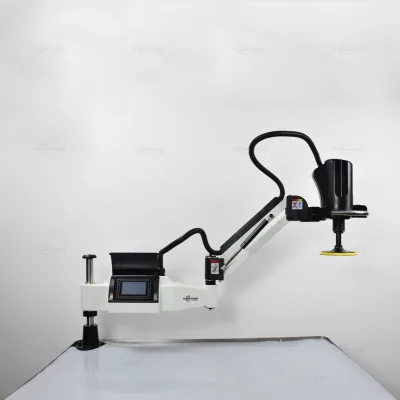
Main productsWoodworking Machine, Edge Banding Machine, Sliding Table Panel Saw, CNC Router, Sanding Machine, Drilling Machine, Press Machine, Dust Collector, CNC Beam Saw, Deburring Machine
Main marketsDomestic
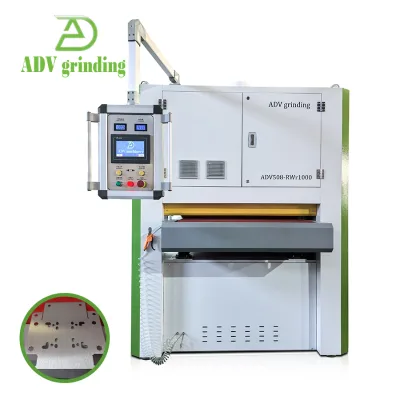
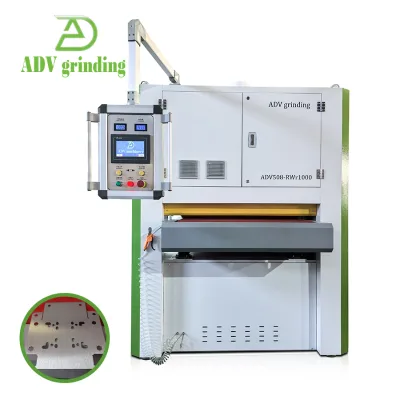
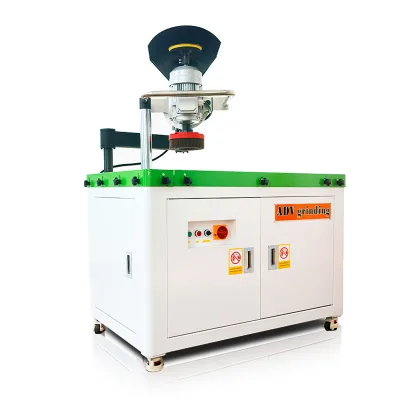
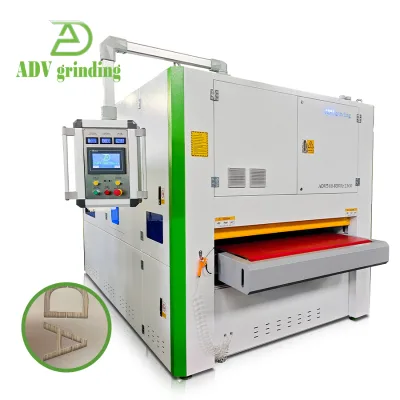
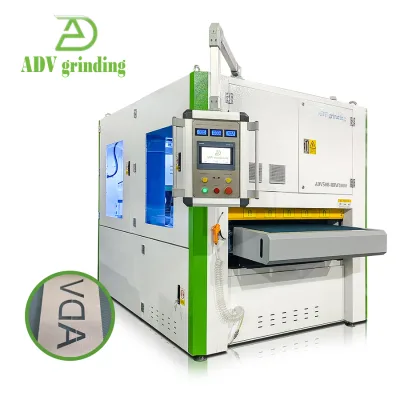


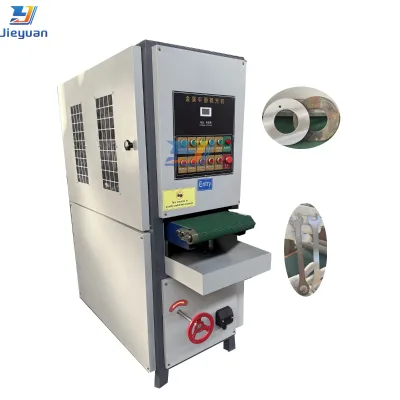
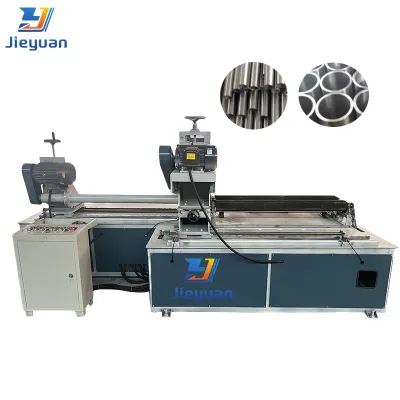


Comprehensive Sourcing Guide
Automatic Constant Voltage Deburring Machine Supplier Concentration and Factory Types
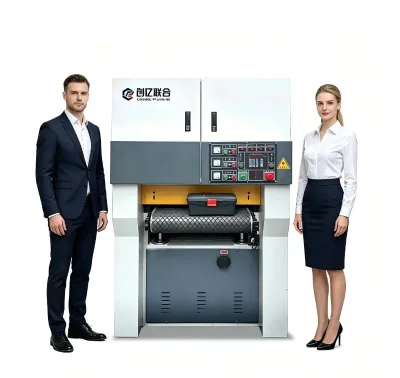
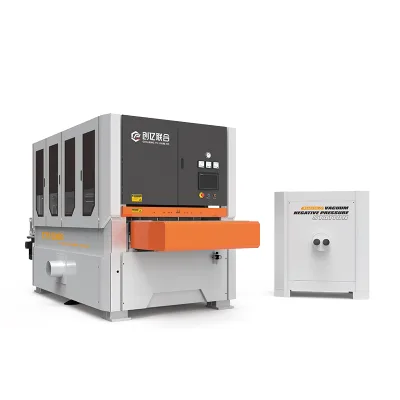
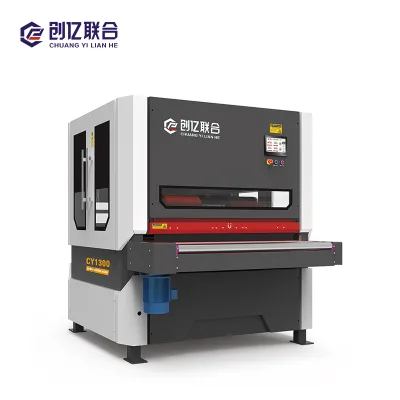
The current supplier landscape for automatic constant voltage deburring machines reveals a distinct geographic concentration in China, with specific manufacturing hubs identified in Hubei and Shandong provinces. These regions host a mix of combined company types that operate as both manufacturers and trading entities, offering buyers a diverse range of production capabilities. Factories in these areas often specialize in a broad spectrum of industrial machinery, including deburring, sanding, polishing, and chamfering machines, which suggests a mature supply chain ecosystem capable of supporting complex metalworking equipment. The presence of established industrial clusters in these provinces indicates that buyers can expect a high density of potential partners who understand the nuances of metal surface treatment and edge finishing. This concentration facilitates easier access to specialized components and skilled labor, which are critical for producing reliable automatic deburring equipment.
Within these manufacturing centers, suppliers exhibit varying degrees of operational focus and capacity. Some entities emphasize original design manufacturing (ODM) and maintain their own brands, indicating a capability for innovation and customization beyond standard off-the-shelf models. Others offer both ODM and OEM services, providing flexibility for buyers who require specific branding or tailored technical specifications. The main products listed by these suppliers often include fiber laser cutting and welding machines alongside deburring equipment, suggesting that many factories have diversified their portfolios to meet broader industrial automation needs. This diversification can be advantageous for buyers seeking a single source for multiple types of metal processing machinery, although it also requires careful vetting to ensure that the supplier’s primary expertise aligns with the specific demands of automatic constant voltage deburring applications.
How to Verify Automatic Constant Voltage Deburring Machine Suppliers
Verifying the legitimacy and capability of suppliers requires a multi-layered approach that goes beyond simple profile reviews. Buyers should prioritize suppliers who have undergone third-party verification processes, such as those conducted by SGS or Bureau Veritas (BV), as these provide an external validation of the company’s operational status and business practices. The presence of such verification badges is a strong indicator of a supplier’s commitment to transparency and quality management. Additionally, checking for system certifications like ISO9001:2015 is essential, as this standard demonstrates that the supplier has implemented a robust quality management system for their manufacturing processes. These certifications are not merely decorative; they reflect a structured approach to consistency, documentation, and continuous improvement, which are vital for producing complex machinery like automatic deburring units.
Beyond certifications, buyers must assess the supplier’s responsiveness and technical support infrastructure. Response time is a critical metric that can indicate the efficiency of the supplier’s sales and engineering teams. A rapid response time suggests that the supplier is well-staffed and organized, capable of addressing technical queries and negotiation points promptly. Buyers should also look for evidence of product-specific certifications, such as CE or GS marks, which are often listed in product attributes. These marks indicate that the machinery meets specific safety and performance standards required in various international markets. Furthermore, examining the detailed product attributes, such as the origin of electronic components or bearings, can provide insights into the supplier’s supply chain integrity. Suppliers who disclose the use of reputable component brands, such as those from France or Japan, often signal a higher commitment to machine reliability and longevity.
What to Compare Across Automatic Constant Voltage Deburring Machine Suppliers
When evaluating multiple suppliers, buyers must compare key operational metrics to determine the best fit for their production needs. Lead time is a primary differentiator, with some suppliers offering delivery windows as short as fifteen days, while others may require thirty days or more. This variance can significantly impact project timelines and inventory management strategies. Buyers should also scrutinize the minimum order quantity (MOQ) requirements, as some suppliers may accept orders for a single unit, offering flexibility for pilot runs or small-scale operations. Additionally, the price range for automatic deburring machines varies considerably, with some models starting around twenty thousand dollars and others exceeding fifty thousand dollars. This price disparity often reflects differences in automation levels, material specifications, and included features, so buyers must align their budget with their technical requirements.
Technical specifications and customization options are equally important comparison points. Buyers should compare the maximum working width, workable material thickness, and total power consumption across different models to ensure compatibility with their existing production lines. Some suppliers offer extensive customization, allowing for adjustments in belt size, brush dimensions, and suction air volume to meet specific deburring challenges. The condition of the machinery, whether new or refurbished, and the voltage requirements, such as 220V or 380V, must also be verified to prevent installation issues. Furthermore, comparing the weight and physical dimensions of the machines is crucial for logistics planning and factory floor layout. Suppliers who provide detailed product attributes, including noise levels and feed speed ranges, offer greater transparency, enabling buyers to make more informed decisions based on precise operational data.
Common Automatic Constant Voltage Deburring Machine Sourcing Risks
One of the primary risks in sourcing automatic deburring machines is the potential mismatch between advertised capabilities and actual performance. Buyers may encounter suppliers who overstate the automation level of their equipment, claiming full automatic operation when the machine is only semi-automatic. This discrepancy can lead to unexpected labor costs and reduced efficiency in the production process. Additionally, the complexity of the machinery means that technical support and after-sales service are critical. Buyers must assess whether the supplier provides adequate training, spare parts availability, and remote troubleshooting capabilities. Without robust support, even minor technical issues can result in significant production downtime, negating the benefits of automation. Therefore, verifying the supplier’s service infrastructure is as important as evaluating the machine itself.
Another significant risk involves the quality of components and materials used in the construction of the deburring machines. While some suppliers disclose the origin of key components, others may not provide this level of detail, leaving buyers uncertain about the machine’s durability and performance. The use of low-quality bearings, motors, or electronic components can lead to premature failure and increased maintenance costs. Furthermore, buyers must be cautious of suppliers who do not offer clear warranty terms or return policies. In the event of a defective unit, the lack of a clear recourse can result in substantial financial losses. It is also important to verify that the supplier’s claims regarding certifications, such as CE or ISO, are valid and applicable to the specific model being purchased. Misleading certification claims can expose buyers to regulatory compliance issues in their home markets.
Automatic Constant Voltage Deburring Machine Regional Sourcing and Logistics
Sourcing from specific regions in China, such as Hubei and Shandong, offers logistical advantages due to the established infrastructure for heavy machinery export. These provinces are well-connected to major ports, facilitating the efficient shipment of large and heavy equipment. Buyers should consider the shipping dimensions and weight of the machines when planning logistics, as automatic deburring units can weigh several tons and require specialized handling. The packaging method, often a wooden box, is designed to protect the machinery during transit, but buyers must ensure that the packaging meets international shipping standards to prevent damage. Additionally, the origin of the machine, such as Suzhou, can influence the choice of logistics partners and insurance providers, as certain regions may have more favorable shipping rates or faster transit times.
Buyers must also account for the voltage and electrical standards in their destination country, as this can impact the cost and complexity of installation. Machines designed for the Chinese market may operate on 380V or 220V, which may require transformers or electrical modifications if the buyer’s facility uses different standards. This consideration is particularly important for automatic constant voltage deburring machines, which rely on precise electrical control for consistent performance. Furthermore, buyers should verify the supplier’s ability to provide necessary documentation for customs clearance, including commercial invoices, packing lists, and certificates of origin. Delays in documentation can lead to storage fees and demurrage charges at the destination port. Understanding the logistical requirements of the specific region from which the machine is shipped can help buyers avoid unexpected costs and ensure a smooth delivery process.
Automatic Constant Voltage Deburring Machine Commercial Terms and Order Planning
Effective order planning requires a clear understanding of the commercial terms offered by suppliers, including payment methods, delivery schedules, and warranty conditions. Buyers should negotiate terms that protect their interests, such as partial payments upon order placement and the remainder upon shipment or installation. Escrow services can provide an additional layer of security, ensuring that funds are only released when the buyer confirms receipt and satisfaction with the machinery. It is also important to clarify the lead time in the contract, as delays can have cascading effects on production schedules. Buyers should establish clear communication channels with the supplier to monitor production progress and address any issues promptly. Regular updates from the supplier can help mitigate risks and ensure that the order stays on track.
Warranty and after-sales support are critical components of the commercial agreement. Buyers should ensure that the warranty covers major components, such as motors, belts, and electronic controls, for a reasonable period. The supplier’s response time to technical inquiries should also be defined in the contract, as rapid support is essential for minimizing downtime. Additionally, buyers should inquire about the availability of spare parts and the cost of maintenance services. Some suppliers offer comprehensive service packages that include regular inspections and preventive maintenance, which can extend the lifespan of the machinery. By carefully reviewing and negotiating these commercial terms, buyers can secure a favorable agreement that aligns with their operational needs and financial constraints, ensuring a successful long-term partnership with the supplier.
FAQs
What is the price range for automatic deburring machines?
Prices typically range from $20,000 to $50,000 depending on specifications. Semi-automatic models start around $20,000, while fully automatic belt-type machines cost between $45,000 and $50,000. Customization and specific power requirements may influence the final quote provided by suppliers.
What certifications do these machines usually have?
Most machines carry ISO and CE certifications, ensuring compliance with international safety and quality standards. Some models also include GS certification. Buyers should verify specific certificates with the supplier to confirm they meet local regulatory requirements for industrial machinery operation.
What is the typical lead time for delivery?
Lead times generally range from 15 to 30 days. Suppliers in Shandong often offer faster turnaround times of approximately 15 days, while those in Hubei may require up to 30 days. Confirm exact schedules with the manufacturer before placing orders.
What is the minimum order quantity for these machines?
The minimum order quantity is typically one unit. This allows buyers to purchase single machines for testing or small-scale production needs. Bulk discounts may be available for larger orders, but the baseline MOQ remains flexible for individual industrial requirements.
What materials can these machines process?
These machines are designed for metal sheets, stainless steel, and heavy industry components. They handle material thicknesses from 0.5mm to 80mm and work on various metal surfaces. The equipment is suitable for removing burrs from flame cutting, plasma cutting, and mechanical engineering parts.
Are these machines automatic or semi-automatic?
Options include both fully automatic and semi-automatic models. Fully automatic versions feature continuous belt operations and high power consumption, while semi-automatic models offer precise control for specific tasks. Buyers can choose based on their production volume and automation preferences.