Source Elegant Cashmere Woolen Coat for Winter, Business, Travel
Compare 30 listings of Elegant Cashmere Woolen Coat options featuring varying sizes, styles, and origins. Buyers can evaluate specifications like GSM, fiber grade, and customization availability to find suitable winter wear solutions; compare the available evidence and request quotations based on your requirements.
Key considerations
Products List


Elegant Ladies Sustainable Merino Wool- Cashmere Blend Winter Long Coat
$120.00 - $125.00
MOQ: 300 Pieces

Elegant Tailored Wool Cashmere Blended Ladies Coat for Winter & Autumn
$120.00 - $125.00
MOQ: 300 Pieces

Elegant Ladies Sustainable Merino Wool- Cashmere Blend Winter Long Coat with Waist Belt
$120.00 - $125.00
MOQ: 300 Pieces


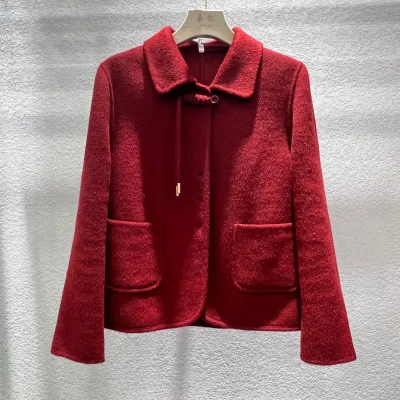


Elegant Double-Faced Cashmere Coat for Women’ S Fall and Winter
$45.60 - $49.00
MOQ: 100 pieces

Comprehensive Sourcing Guide
Elegant Cashmere Woolen Coat Sourcing Guide
Procuring high-end outerwear requires a nuanced understanding of material composition and manufacturing precision. Buyers must distinguish between pure cashmere, wool blends, and graded fibers to ensure the final product meets luxury standards. The observed market data indicates a diverse range of models, from single-breasted classics to double-breasted statement pieces, each demanding specific verification protocols. Understanding these distinctions is the first step in mitigating supply chain risk and ensuring brand integrity.
This guide outlines the critical verification steps for sourcing elegant coats, focusing on technical specifications, compliance, and supplier qualification. By leveraging observed listing signals such as GSM, fiber origin, and packing standards, buyers can construct a robust procurement strategy. The following sections provide a structured approach to evaluating suppliers, verifying material authenticity, and establishing commercial terms that protect both quality and profitability in the competitive outerwear market.
Product Scope and Observed Listing Signals
The current market landscape for elegant cashmere woolen coats reveals a wide spectrum of product attributes, primarily driven by material grade and design complexity. Observed listings highlight key variations in fabric composition, including pure cashmere, wool, and A-grade cashmere blends. These materials are often paired with specific design elements such as V-neck collars, long sleeves, and button closures. Buyers should note that models like JX-WC15 and WC01 represent distinct product lines, each with unique packaging and standard specifications that influence logistics and presentation.
Listing signals also emphasize customization capabilities, with many suppliers offering OEM/ODM services and customizable packing options. The presence of traceable cashmere and wool standards suggests a growing demand for transparency in the supply chain. Additionally, observed GSM values of 760 indicate a heavy, warm fabric suitable for winter seasons. Buyers must carefully review these signals to align product selection with their target market’s expectations for weight, warmth, and aesthetic appeal, ensuring that the chosen models match their brand’s positioning.
Technical Specifications to Verify
Verifying technical specifications is paramount to ensuring product consistency and quality. Buyers should prioritize the verification of fiber origin, with Alashan Mountain cashmere and Inner Mongolia wool being prominent sources in observed listings. The fiber thickness range of 13.5-15.6 micrometers and length of 34mm-40mm are critical indicators of premium quality. Additionally, the GSM of 760 suggests a dense, durable fabric. Buyers must confirm these metrics through supplier documentation or third-party testing to avoid discrepancies between advertised and actual product performance.
Size and fit specifications also require careful attention, with observed models ranging from S to L sizes. The use of model wear samples, such as size M on a 175cm model, provides a reference for fit but should not be assumed as universal. Buyers should request detailed size charts and tolerance levels for each model. Furthermore, verifying the closure type, lining status, and collar style ensures that the final product meets design requirements. Clear communication of these specifications during the sampling phase is essential to prevent costly revisions and production delays.
Compliance and Safety Documentation
Compliance with international safety and quality standards is non-negotiable for elegant outerwear. Buyers must ensure that suppliers provide documentation verifying the traceability of cashmere and wool fibers, as indicated by observed standards. This includes certificates of origin and quality grades, such as A-grade cashmere. Additionally, suppliers should adhere to relevant textile safety regulations, including restrictions on harmful substances and flammability standards. Buyers should request these documents before placing bulk orders to mitigate legal and reputational risks.
Labeling and care instructions must also comply with destination market regulations. This includes accurate fiber content labeling, country of origin marking, and washing instructions. Buyers should verify that suppliers follow standard labeling practices, such as those required by the FTC in the US or EU regulations. Furthermore, ensuring that the product packing, whether in PP bags or cartons, meets hygiene and durability standards is crucial. Proper documentation not only facilitates customs clearance but also enhances consumer trust and brand credibility in the global market.
Cost Drivers and Commercial Terms
Understanding the cost drivers for elegant cashmere woolen coats is essential for effective budgeting and pricing strategies. Key factors include the grade of cashmere or wool, GSM weight, and the complexity of the design, such as double-breasted styles or custom patterns. Observed MOQ ranges from 2 to 300 pieces indicate flexibility, but higher customization levels may increase per-unit costs. Buyers should negotiate clear pricing structures that account for material fluctuations, labor costs, and any additional fees for OEM/ODM services.
Commercial terms, including payment methods, lead times, and shipping arrangements, significantly impact overall procurement costs. Buyers should clarify whether prices are FOB, CIF, or DDP, and understand the implications for risk and responsibility. Additionally, verifying the supplier’s production capacity and lead times ensures timely delivery, especially for seasonal collections. Negotiating favorable terms, such as extended payment periods or volume discounts, can improve cash flow and profitability. Clear communication of these terms in the purchase agreement is vital to avoid disputes and ensure smooth transaction execution.
Supplier Qualification and Quality Control
Supplier qualification is a critical step in ensuring consistent quality and reliable delivery. Buyers should conduct thorough due diligence, including verifying business licenses, production facilities, and past performance records. Observing supplier capabilities in handling traceable cashmere and wool, as well as their adherence to quality standards, is essential. Buyers should also assess their ability to meet customization requests and maintain consistent product quality across batches. Requesting references or case studies can provide additional insights into the supplier’s reliability and professionalism.
Quality control measures must be integrated into the procurement process to minimize defects and ensure product consistency. Buyers should establish clear quality standards and inspection criteria, including checks for fiber quality, stitching, and finishing. Implementing pre-production samples and in-line inspections can help identify and rectify issues early in the manufacturing process. Additionally, conducting final random inspections before shipment ensures that the products meet agreed-upon specifications. Collaborating with third-party inspection agencies can provide an objective assessment of quality, further reducing the risk of receiving substandard goods.
Long-Term Procurement Checks
Establishing long-term procurement checks is vital for maintaining supplier performance and product quality over time. Buyers should implement regular performance reviews, assessing suppliers based on key metrics such as on-time delivery, defect rates, and responsiveness to issues. Continuous monitoring of market trends and material costs allows buyers to adjust strategies proactively. Building strong relationships with suppliers through open communication and mutual respect can foster collaboration and innovation, leading to better product offerings and competitive advantages.
Additionally, buyers should stay informed about regulatory changes and industry standards that may impact procurement. Regularly updating compliance documentation and quality control protocols ensures adherence to evolving requirements. Investing in supplier development programs can help improve capabilities and align with the buyer’s strategic goals. By maintaining a proactive approach to supplier management and quality assurance, buyers can mitigate risks, enhance product quality, and achieve sustainable growth in the Elegant Cashmere Woolen Coat market.
FAQs
What fabric options are available for elegant cashmere woolen coats?
The available fabric options include pure cashmere and wool blends. Some products feature A Grade Cashmere from Inner Mongolia, while others use Merino Wool. These materials ensure warmth and durability for winter wear, with specific GSM ratings like 760 GSM available for heavy-duty insulation.
Which sizes are offered for the Elegant Cashmere Woolen Coat models?
The product line offers standard sizing including Small, Medium, and Large options. Specific models like JX-WC15 and WC01 come in these sizes to fit various body types. Buyers can also request custom sizing if the standard options do not meet their specific requirements for the garment.
Can buyers request customization for the Elegant Cashmere Woolen Coat designs?
Yes, customization is available for many of the listed coat models. Buyers can request changes to styles such as single or double-breasted designs. OEM and ODM services are supported, allowing for tailored patterns, colors, and packaging solutions to meet specific brand requirements.
How is the Elegant Cashmere Woolen Coat packed for shipment?
Packing methods vary by product but typically include one piece in a PP bag or carton packaging. Some options allow for customizable packing to suit logistics needs. The standard dimensions for cartons often range from 30cm to 40cm in length and width depending on the specific model.
What are the specifications for the cashmere fiber used in these coats?
The cashmere fiber is sourced from Alashan Mountain in Inner Mongolia and is classified as A Grade. The fiber thickness ranges from 13.5 to 15.6 micrometers, with lengths between 34mm and 40mm. These specifications ensure high quality and traceability for the final woolen coat product.
Which closure types are used on the elegant cashmere woolen coats?
The coats utilize button closures as a standard feature for fastening. Some styles may vary, but buttons are explicitly listed for certain models. This closure type complements the V-neck collar and long sleeve design, providing a classic and secure fit for winter wear.
What is the origin of the wool and cashmere materials used?
The materials originate from China, with specific cashmere sourced from Inner Mongolia. Some wool products are manufactured in Shanghai, while the cashmere fiber comes from the Alashan Mountain region. This origin ensures the authenticity and quality of the natural fibers used in the production process.