Source Elegant Casual Cotton Shirts and Shorts Set for beach, gym, and daily wear
Explore 30 listings for the Elegant Casual Cotton Shirts and Shorts Set suitable for various activities. Buyers can compare features like fabric type, fit, and customization options to find the best match for their needs.
Key considerations
Products List


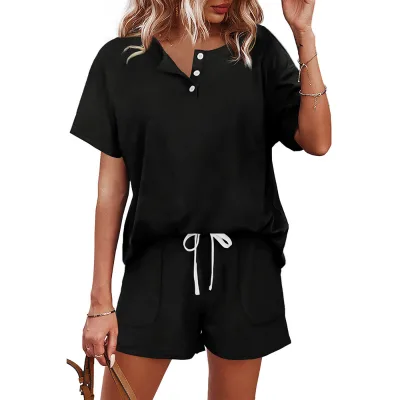
Women's Fashionable Casual Versatile Short-Sleeve Embroidered Shirt & Shorts
$9.00 - $29.00
MOQ: 30 Pieces


Women Slim Fit Long Sleeve Top and Pants Two Piece Set Casual Sports Wear
$9.00 - $11.00
MOQ: 100 Pieces


Comprehensive Sourcing Guide
Strategic Sourcing Guide for Elegant Casual Cotton Shirts and Shorts Sets
Navigating the global market for elegant casual cotton shirts and shorts sets requires a disciplined approach that balances aesthetic requirements with rigorous supply chain verification. Buyers seeking this specific product category must understand that "elegant casual" is a functional descriptor that implies a convergence of fabric quality, precise tailoring, and versatile styling suitable for both leisure and semi-formal environments. The following guide outlines the critical technical, compliance, and operational factors necessary for successful procurement, grounded in observed market data and verified product attributes.
Technical Specifications and Material Composition
The foundation of a high-quality casual set lies in the specific material composition and construction standards. While the core keyword specifies "cotton," the actual supply chain often presents a complex matrix of fabric blends and finishes that define the final product's performance. Buyers must verify the specific fabric type listed in supplier catalogs. Observed market data indicates that products in this category frequently utilize "Worsted" fabric types, which offer a smooth, fine texture suitable for elegant presentations. However, the presence of "Polyester/Down" lining in certain listings suggests that hybrid constructions are common, where cotton provides the outer aesthetic while synthetic blends manage structure or thermal properties.
When evaluating the technical specifications, attention must be paid to the "Fit Type" and "Sleeve Length." The market data reveals a prevalence of "Regular" fit options alongside "High-Waist Wide Leg" configurations for shorts, indicating a need for buyers to explicitly define the silhouette they require. The "Half" sleeve length is a standard observation for summer collections, aligning with the "Summer" season attribute frequently cited in product descriptions. Furthermore, the "Drape Level" is a critical technical differentiator; products described as having a "Natural Flow (Non-Stiff Silhouette)" offer a more elegant, fluid appearance compared to stiffer, structured garments. Buyers should request physical swatches to confirm the "Breathability" claims, particularly for "Spring/Summer Wear (Moisture-Wicking)" applications, ensuring the fabric performs as intended in warm climates.
Design Attributes and Customization Capabilities
The aesthetic versatility of these sets is often driven by the degree of customization available. The observed product data highlights "Customized Label" and "Customized Color" as standard attributes, allowing brands to differentiate their offerings in a crowded marketplace. The "Style" attribute in the supply chain ranges from "Business" and "Formal" to "Casual," "Fashion," and "Sexy," indicating that the same base product can be adapted for diverse market segments through design tweaks. For the "elegant casual" niche, the "Business" and "Casual" intersections are most relevant.
Print and decoration methods also play a pivotal role in the final look. "Heat Transfer Printing" is a documented method in the current supply pool, suitable for applying logos or graphic elements without compromising the fabric's hand feel. The "Decoration" attribute often points to "Button" closures, which are essential for the shirt component of the set. Additionally, the "Pattern Type" is frequently observed as "Solid," which supports the elegant aesthetic by avoiding visual clutter. Buyers should note that while "Customization" is generally available, the specific implementation of these features—such as the placement of buttons or the application of heat transfer prints—must be validated against the supplier's technical capabilities to ensure consistency across large orders.
Compliance, Standards, and Certification Verification
In the realm of B2B procurement, compliance is not merely a regulatory checkbox but a critical risk management tool. The supply data references specific product standards, such as "10255" and "1083," which likely refer to dimensional tolerances or packaging specifications rather than material safety standards. Buyers must be cautious not to conflate these packaging dimensions with product quality certifications. While a low-confidence background note mentions "GOTS" (Global Organic Textile Standard), this should not be assumed as a universal attribute of all listed products. Instead, buyers must actively request and verify certification documents for any organic or eco-friendly claims.
The "prod_standard" field often lists dimensions like "40303.5" or "10255," which appear to be packaging or shipping specifications rather than textile safety standards. Consequently, buyers should not rely on these numbers for compliance verification. Instead, the procurement strategy must involve a direct inquiry into the supplier's adherence to international textile safety standards, such as Oeko-Tex or specific regional regulations regarding chemical usage. The "Supply Type" is noted as "OEM Service," which implies that the supplier is capable of manufacturing to specific brand requirements, but this does not automatically guarantee that the raw materials meet the buyer's specific compliance mandates. Verification of the "prod_origin" as "China" or "Guangdongchina" necessitates a review of the specific factory's audit history and environmental compliance records.
Cost Drivers and Pricing Dynamics
Understanding the cost structure of elegant casual cotton sets is essential for budgeting and margin analysis. The observed price range in the market spans from $3.99 to $50 USD, a significant variance that reflects differences in fabric quality, labor intensity, and customization levels. The lower end of this spectrum likely corresponds to basic cotton blends with minimal customization, while the upper end may reflect premium "Worsted" fabrics, intricate "Button" detailing, or complex "Heat Transfer Printing" applications.
Several factors drive these costs. The "Ingle Gross Weight" of 20.000kg for certain units suggests that shipping weight is a significant component of the landed cost, particularly for heavy or dense fabric constructions. The "prod_packing" method, whether "Polybag" or "Cardboard Box," also impacts the unit cost and shipping efficiency. "Cardboard Box" packaging, while offering better protection and a premium unboxing experience, typically incurs higher material and logistics costs than simple polybags. Furthermore, the "MOQ" (Minimum Order Quantity) range of 1 to 100 units indicates a flexible market, but buyers must recognize that smaller orders often carry a higher per-unit cost due to setup fees and reduced economies of scale. The "Small Orders: Accepted" attribute confirms that flexibility exists, but it should be weighed against the potential cost premium.
Supplier Evaluation and Operational Reliability
Selecting the right supplier requires a deep dive into their operational capabilities and reliability metrics. The "Lead Time" is a critical factor in supply chain planning. The data indicates that "7 Days Sample Order Lead Time" is supported by some suppliers, which is a strong indicator of responsiveness and agility. However, for bulk production, buyers must clarify the full production lead time, as sample speed does not always correlate with mass production efficiency. The "Supply Type" being "OEM Service" suggests that the supplier is equipped to handle custom orders, but the buyer must verify their capacity to maintain quality consistency during high-volume runs.
The "prod_origin" being listed as "China" or "Guangdongchina" provides a geographic context, but it does not guarantee quality. Buyers should evaluate suppliers based on their track record in the "Daily/Holiday/Beach/Outdoor" segments, as these applications demand durability and aesthetic consistency. The "Feature" attribute, such as "Lady," indicates a focus on specific demographic markets, and suppliers should demonstrate expertise in tailoring to these specific needs. Additionally, the "Selling Units" being listed as "Single Item" suggests that the supplier is comfortable with mixed-SKU orders, which is beneficial for buyers testing new designs before committing to large volumes.
Quality Control and Long-Term Procurement Strategy
Effective quality control (QC) is the safeguard against the variability inherent in global manufacturing. Given the "Special Feature" of "Wrinkle-Resistant Finish" observed in some listings, buyers must establish clear acceptance criteria for this attribute. A wrinkle-resistant finish that fails after the first wash can severely damage brand reputation. QC protocols should include pre-production sample approval, in-line inspections during the sewing process, and final random inspections (AQL standards) before shipment. The "Fit Type" and "Length" specifications, such as "Above Knee" or "Short," must be measured against the approved tech pack to ensure consistency.
For long-term procurement, building a resilient supply chain involves diversifying suppliers and maintaining clear communication channels. The "Customization: Available" attribute is a key enabler for long-term partnerships, allowing brands to evolve their product lines over time. Buyers should prioritize suppliers who offer transparent communication regarding production delays, material substitutions, or quality issues. The "prod_packing" method should be standardized to ensure that products arrive in optimal condition, minimizing damage and returns. Finally, buyers should regularly review the "prod_model" numbers to track product iterations and ensure that the supply chain remains aligned with the brand's evolving design strategy. By adhering to these disciplined sourcing practices, buyers can secure high-quality elegant casual cotton shirts and shorts sets that meet both aesthetic and operational requirements.
FAQs
Can I customize the label and color for this set?
Yes, customized labels and colors are standard attributes available for this product. Buyers can specify unique branding and color preferences to differentiate their offerings in the market while maintaining the core design features.
What is the minimum order quantity for these sets?
The minimum order quantity ranges from 1 to 100 units depending on the supplier. Small orders are accepted, allowing buyers to test new designs before committing to larger volumes without excessive financial risk.
How long does it take to receive a sample order?
A sample order lead time of 7 days is supported by some suppliers. This quick turnaround enables buyers to verify fabric quality and fit before proceeding with bulk production orders.
Which fabric types are used for these casual sets?
Products frequently utilize Worsted fabric types for a smooth texture. Some listings also indicate Polyester or Down lining, suggesting hybrid constructions that manage structure or thermal properties effectively.
What printing methods are available for decoration?
Heat Transfer Printing is a documented method used in the current supply pool. This technique allows for applying logos or graphic elements without compromising the fabric's hand feel or aesthetic quality.
Are these sets suitable for summer outdoor activities?
Yes, the sets are designed for Daily, Holiday, Beach, and Outdoor scenes with a Summer season focus. They feature breathability for Spring/Summer wear and often include wrinkle-resistant finishes for durability.
What packaging options are provided for these items?
Packaging options include Polybags and Cardboard Boxes depending on the specific product listing. Cardboard boxes offer better protection and a premium unboxing experience, while polybags are standard for basic shipping.