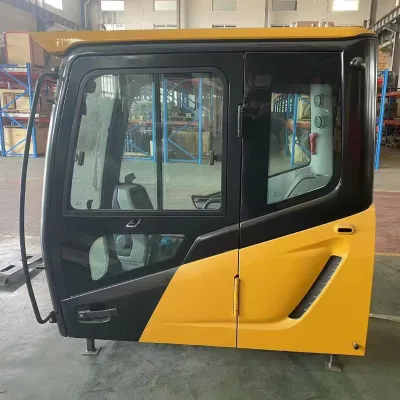
Source Engineering Machinery Excavator Operating Cabin for Doosan, Hitachi, Komatsu
Source the Engineering Machinery Excavator Operating Cabin from 30 verified listings. Compare compatible brands like Doosan, Hitachi, and Komatsu, check specifications such as ROPS cabins and ISO9001 certification, and review pricing and MOQ details for your fleet maintenance needs; compare the available evidence and request quotations based on your requirements.
Updated
Key considerations
Products List
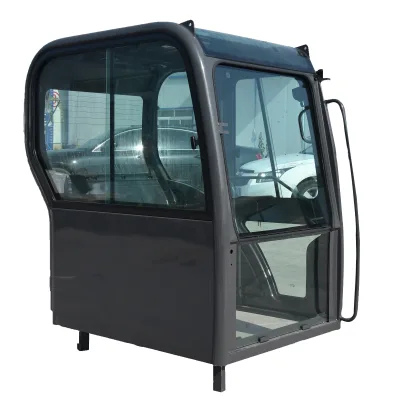
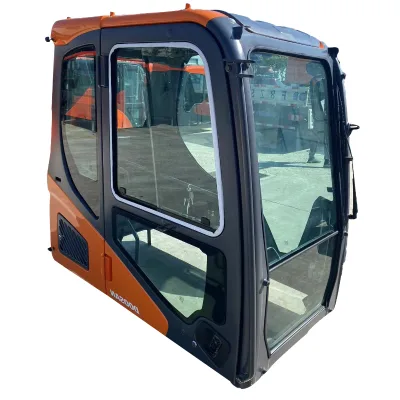
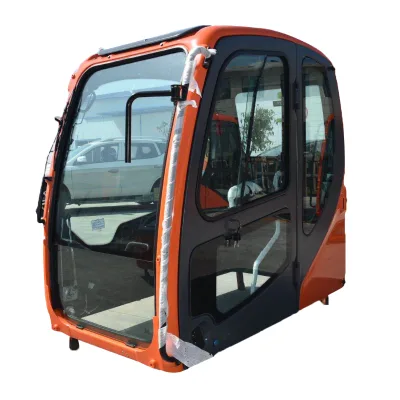
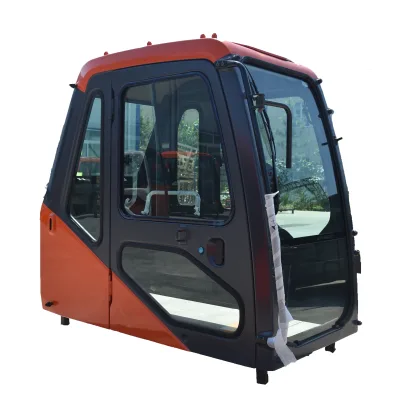
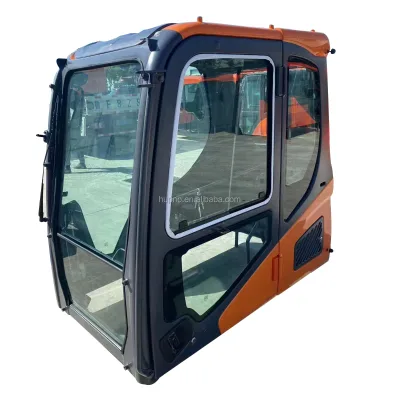
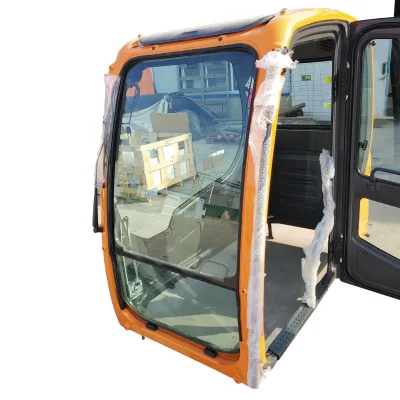
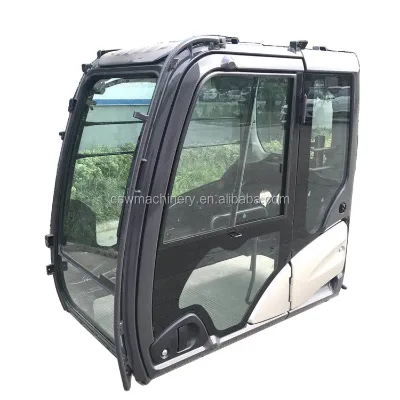
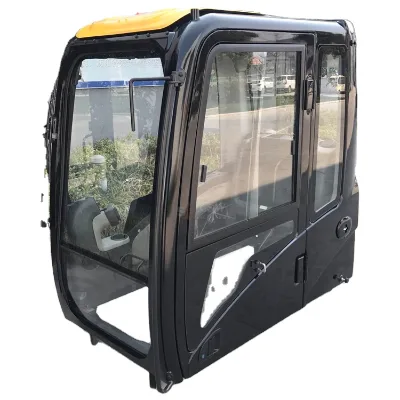
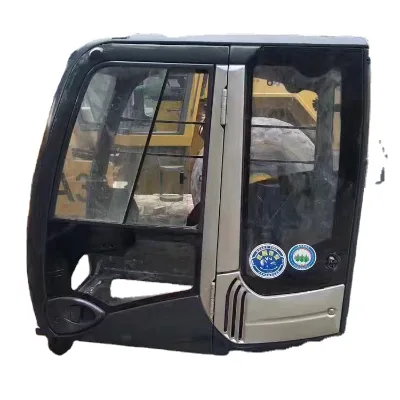
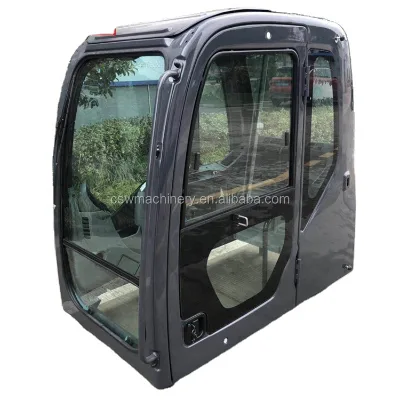
Brand New SK250-8 Excavator Driver Cabin SK350-8 Excavator Cab for Kobelco
$2250.00 - $2650.00
MOQ: 1 pieces
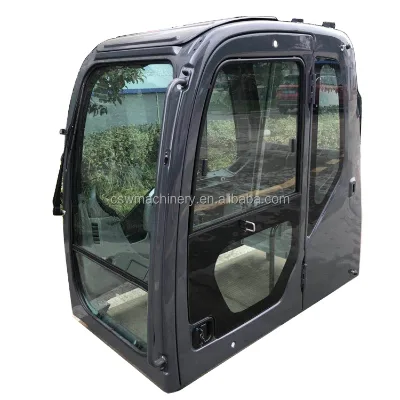
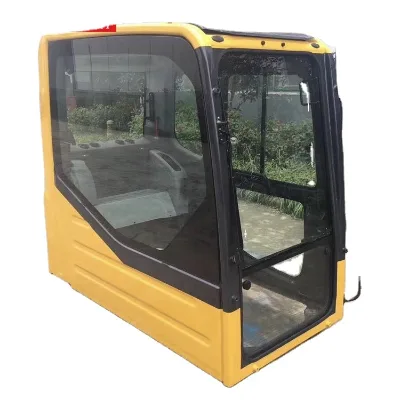
Brand New Cab Excavator Cabin for Komatsu PC200-8 PC220-8 PC250-8 PC450-8
$2250.00 - $2650.00
MOQ: 1 pieces


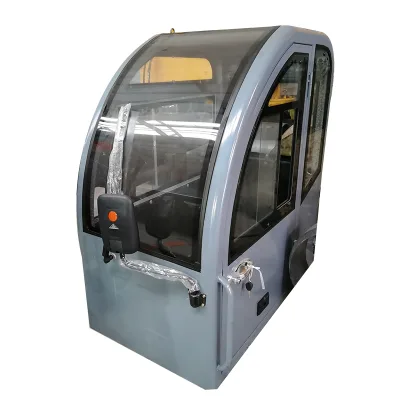
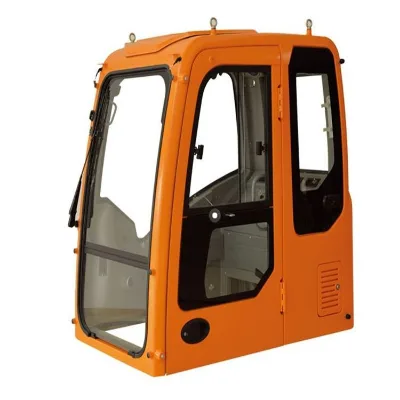


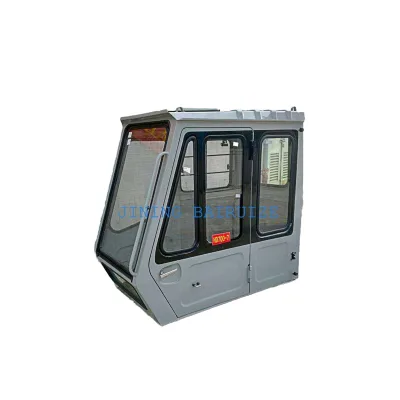
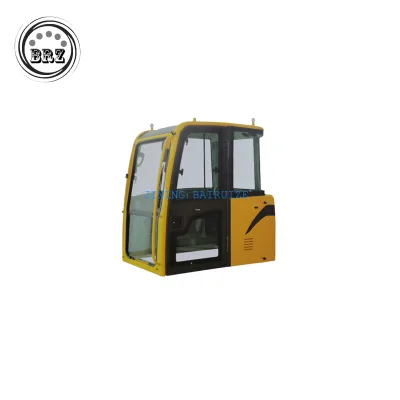
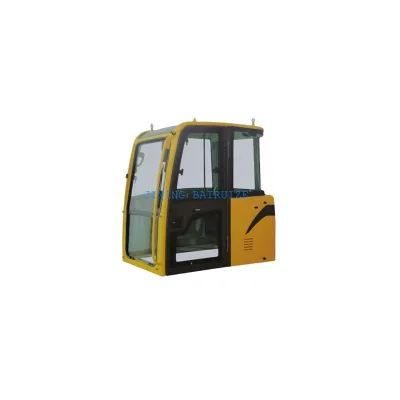
Made in China SK 30 SR Excavator Driver Cabin Door SK60 SK50 Operator Cab
$2784.6439 - $2922.8953
MOQ: 1 pieces


Comprehensive Sourcing Guide
Engineering Machinery Excavator Operating Cabin Sourcing Guide
Procuring replacement cabins for heavy equipment requires precise alignment between the new unit and the existing machine frame. Buyers must first identify the correct model compatibility, as listings frequently reference specific brands such as Doosan, Hitachi, Kobelco, Komatsu, and others. The available data indicates that compatible brands span a wide range, including Doosan, Kubota, Shantui, John Deere, Sumitomo, Sany, Liebherr, Hyundai, Jcb, Caterpillar, Lonking, XCMG, and HummuH. This diversity necessitates careful verification of the original machine’s make and model before placing an order.
The sourcing landscape includes various cabin configurations, from standard ROPS cabins to customized units. Observations show that many suppliers offer cabins with ROPS certification, ensuring operator safety in rollover scenarios. Additionally, some listings highlight original finishing options, which can reduce post-purchase painting and customization costs. Buyers should also note that color options may include yellow, red, black, gray, or customized shades, allowing for fleet uniformity. Understanding these variations is critical for selecting a cabin that meets both operational and aesthetic requirements.
Product Scope and Observed Listing Signals
The market for excavator operating cabins presents a wide range of model numbers and part identifiers. Specific models observed include DX60, DX225, DX75, DX380LCA, DX130, DH220, ZX210, and CSW-ZX200-3, among others. These identifiers often correspond to specific excavator series, such as the ZX200-3 or SK200-8. Buyers must cross-reference these model numbers with their machine’s serial plate to ensure physical fitment. The presence of multiple model numbers in a single listing suggests that suppliers may offer versatile or interchangeable cabin designs, but this requires explicit confirmation from the seller.
Listing signals also reveal important logistical and packaging details that impact procurement planning. Products are typically packaged in wood or plywood cases, with single package sizes ranging from 210x120x190 cm to 210x120x195 cm. The gross weight of these units is substantial, often around 450 to 550 kg, which influences shipping costs and handling requirements. Additionally, the place of origin is frequently listed as Guangdong, China, indicating a concentration of manufacturing in this region. Buyers should account for these logistical factors when calculating the total landed cost of the cabin.
Technical Specifications to Verify
Technical verification begins with confirming the cabin’s structural integrity and safety features. The presence of ROPS (Roll-Over Protective Structure) is a critical specification, as it ensures the cabin can withstand rollover forces to protect the operator. Buyers should request detailed engineering drawings or certification documents to verify that the ROPS structure meets relevant safety standards. Additionally, the angle control mechanism is often hydraulic, which requires compatibility with the excavator’s hydraulic system. Ensuring that the hydraulic connections and control valves match the machine’s specifications is essential for proper operation.
Fitment and dimensional accuracy are equally important technical considerations. The single package size and gross weight provide clues about the cabin’s dimensions, but buyers should verify the exact mounting hole patterns and frame dimensions. Some listings mention "original finishing," which implies that the cabin may retain the original shape and mounting points, reducing the need for modifications. However, buyers must confirm whether the cabin includes all necessary components, such as windows, seals, and interior fittings. Discrepancies in these details can lead to installation delays and additional costs.
Compliance and Safety Documentation
Compliance with safety standards is non-negotiable for excavator cabins, particularly regarding ROPS and FOPS (Falling Object Protective Structure) certifications. Buyers should request valid certification documents from the supplier, such as ISO9001-2008 or ISO9001, to verify the manufacturer’s quality management systems. While ISO9001 does not directly certify the cabin’s safety performance, it indicates a structured approach to manufacturing consistency. Additionally, some listings mention "Reach" compliance, which may relate to material safety regulations, but buyers should clarify the specific standards applicable to their region.
Video outgoing inspections are another valuable tool for verifying compliance and quality. Some suppliers provide video inspections of the finished cabin, allowing buyers to visually assess the build quality, weld integrity, and surface finish before shipment. This practice reduces the risk of receiving defective units and provides evidence of the product’s condition at the time of dispatch. Buyers should insist on video inspections for high-value orders and ensure that the videos clearly show the cabin’s key features and any potential defects.
Cost Drivers and Commercial Terms
Cost drivers for excavator cabins include material quality, manufacturing complexity, and customization options. Standard cabins with original finishing are generally more cost-effective than customized units, which may require additional labor and materials. The observed price range of 1 to 29,000 USD reflects this variability, with basic units at the lower end and highly customized or large-scale cabins at the higher end. Buyers should request detailed quotations that break down costs for materials, labor, and any additional features, such as air conditioning or advanced control systems.
Commercial terms, including MOQ and warranty, also impact the total cost of ownership. The observed MOQ of 1 piece or set suggests that suppliers are flexible, allowing buyers to purchase single units for replacement purposes. A warranty of 12 months or 1 year is commonly offered, providing some protection against manufacturing defects. Buyers should review the warranty terms carefully, including coverage scope, duration, and claim procedures. Additionally, payment terms and shipping costs should be negotiated to ensure a fair and transparent transaction.
Supplier Qualification and Quality Control
Supplier qualification is critical for ensuring the reliability and quality of excavator cabins. Buyers should verify the supplier’s business license, manufacturing capabilities, and export experience. The presence of ISO9001 certification is a positive indicator, but buyers should also assess the supplier’s track record in producing cabins for specific excavator brands. Requesting references from previous customers or visiting the manufacturing facility can provide valuable insights into the supplier’s quality control processes and production capacity.
Quality control measures should be established before production begins. Buyers should define clear acceptance criteria, including dimensional tolerances, surface finish quality, and functional performance. The use of video outgoing inspections, as mentioned in some listings, is a good practice for verifying quality before shipment. Additionally, buyers should consider third-party inspection services for large orders or high-value transactions. Establishing a robust quality control process helps minimize the risk of receiving non-conforming products and ensures that the cabin meets the required specifications.
Long-Term Procurement Checks
Long-term procurement success depends on continuous monitoring of supplier performance and product quality. Buyers should establish a feedback loop to track issues related to fitment, durability, and after-sales support. Regular audits of the supplier’s quality control processes can help identify and address potential problems early. Additionally, buyers should stay informed about changes in safety standards and regulations that may affect cabin design and certification. Adapting to these changes ensures that the procured cabins remain compliant and safe for operator use.
Building a strong relationship with the supplier is also essential for long-term procurement. Open communication and collaboration can lead to better pricing, improved product quality, and faster response times. Buyers should consider volume discounts or long-term contracts if they have consistent cabin replacement needs. Additionally, exploring opportunities for joint development or customization can provide a competitive advantage. By focusing on long-term partnerships, buyers can secure a reliable supply of high-quality excavator cabins that meet their operational requirements.
FAQs
What models of excavator cabins are available?
Available models include DX60, DX225, DX75, DH220, DX380LCA, DX130, ZX210, CSW-ZX200-3, CSW-SK200-8, CSW-SK250-8, and CSW-PC300. These units are designed for various compatible brands such as Doosan, Hitachi, Kobelco, and Komatsu. Buyers should verify specific machine compatibility before purchase to ensure proper fitment and operational safety.
Can I customize the color of the cabin?
Yes, customization is available for the cabin color. Options include yellow, red, black, gray, or a customized shade to match your original equipment. The cabin color can be adjusted to the same as the original or selected from the provided palette. This allows for better fleet uniformity and brand consistency across your machinery operations.
What is the minimum order quantity for these cabins?
The minimum order quantity is one piece or one set. This low MOQ allows buyers to purchase single units for immediate replacement or testing purposes. It supports flexible procurement strategies for maintenance teams who need to replace damaged cabins quickly without committing to large bulk orders or long-term inventory holding.
What certifications do the excavator cabins have?
The cabins hold ISO9001-2008 and ISO9001 certifications. These standards indicate that the manufacturing processes meet specific quality management requirements. The certification status is listed as new condition. Buyers relying on quality assurance protocols can verify these credentials to ensure the components meet international manufacturing standards for durability and safety.
What warranty is provided for the excavator cabin?
A warranty of 12 months or one year is provided for the excavator cabin. This coverage applies to the structural integrity and functional components of the unit. Buyers receive assurance against manufacturing defects during this period. The warranty terms help mitigate risk for purchasers investing in replacement parts for their heavy machinery fleets.
How are the cabins packaged for shipping?
The cabins are packaged in wood or plywood cases, specifically described as plywood cases. This robust packaging protects the unit during transit. The single package size is approximately 210x120x190 cm or 210x120x195 cm, with a gross weight of 450 to 550 kg. This ensures safe delivery to the destination port.